Comparing Anaheim Auto Transport Companies: Pricing, Services, and Reviews
Anaheim sits at a crossroads. Interstate corridors funnel cars north to Los Angeles, east to the desert, and south toward San Diego. That geography shapes the auto shipping market in ways that matter when you’re comparing providers. Competition is healthy in and around Orange County, but the range of offers can be confusing, especially once you begin to see broker fees, carrier types, seasonal swings, and fine print around insurance. After fifteen years managing relocations and coordinating fleet moves, I’ve learned how to read between the lines of quotes and how to vet Anaheim auto shippers beyond glossy websites. The right choice depends on your timeline, vehicle type, risk tolerance, and the route. The wrong one costs you extra days, unexpected fees, and anxiety when your car is out of sight.
What drives pricing in Anaheim
Three numbers set the baseline: distance, equipment, and timing. Most Anaheim auto transport companies quote per mile, then add or subtract based on route efficiency. A common Anaheim to Dallas move runs around 1,400 miles and often settles between 65 and 95 cents per mile for open transport if you’re flexible on dates. Enclosed transport on that route typically lands between 1.25 and 1.75 dollars per mile, more if the carrier is a boutique operation moving high-value vehicles with lift gates.
Route supply matters. Anaheim to Phoenix is short, but demand is steady and trailers fill up quickly. You’ll often see lower per-mile rates because carriers chain pickups along the I-10, so your car occupies a slot in a profitable loop. Anaheim to smaller markets in the Pacific Northwest can be less efficient for dispatchers. Those quotes tend to creep up, or you wait longer for your pickup window because carriers want to consolidate loads heading north.
Timing is the quiet price lever that trips up first-time shippers. Snowbird season shifts demand on western routes, and the summer moving season is another spike. If you need a two-day pickup window in late June, expect a premium. If you can give a week-long window in mid-October, pricing improves. Sick of vague “expedited” fees? In practice, expedited transport buys you dispatch priority and a tighter pickup range. In Anaheim, that usually adds 150 to 400 dollars on open carriers, more on enclosed.
Finally, access and location influence cost and convenience. Some neighborhoods in Anaheim are easy for a 75-foot truck to navigate, especially near wide boulevards like Katella or Euclid. Dense apartment zones or streets with low-hanging trees complicate curbside service. Carriers may suggest meeting at a shopping center lot near the 5 or 91 for safety and space. That part isn’t a gimmick, it protects your vehicle and the truck from damage and citations. If you need door-to-door at a tricky address, clarify in writing and be prepared for a small surcharge or a smaller “day cab” carrier that can squeeze in, albeit with fewer available dates.
Brokers, carriers, and the Anaheim advantage
If you call ten Anaheim auto transport companies, eight of them will be brokers. A broker doesn’t own trucks, they match your load with a carrier, manage the paperwork, take a fee, and often provide customer service. A carrier owns equipment and drivers, sets schedules, and margins depend on keeping trucks loaded both ways. Brokers are not inherently bad, and carriers are not automatically better. You just need to understand the trade-offs.
Anaheim’s market leans broker-heavy for a reason. The region connects to high-volume lanes Car Shipping's Anaheim Anaheim auto shippers that change week to week. A good broker with a deep carrier network can place your car on a truck faster and at a fairer price, because they see the spot market in real time across load boards. They can also pull a specialized option for low-clearance cars or vehicles with aftermarket bodywork. Direct carriers give you a closer line to the driver and, sometimes, a slight price edge on routes they run often, like a weekly circuit to Texas or the Bay Area. The downside is that if your dates don’t fit their loop, you wait or get referred to a broker anyway.
What you want is transparency. If a company hedges when you ask whether they’re a broker or a carrier, that’s a flag. Both types can serve you well in Anaheim, but the way they quote, insure, and schedule should match their role. When a broker’s fee is baked into the total and the carrier’s insurance details are provided up front, you’re in safer territory.
Open vs. enclosed, and what the price really buys
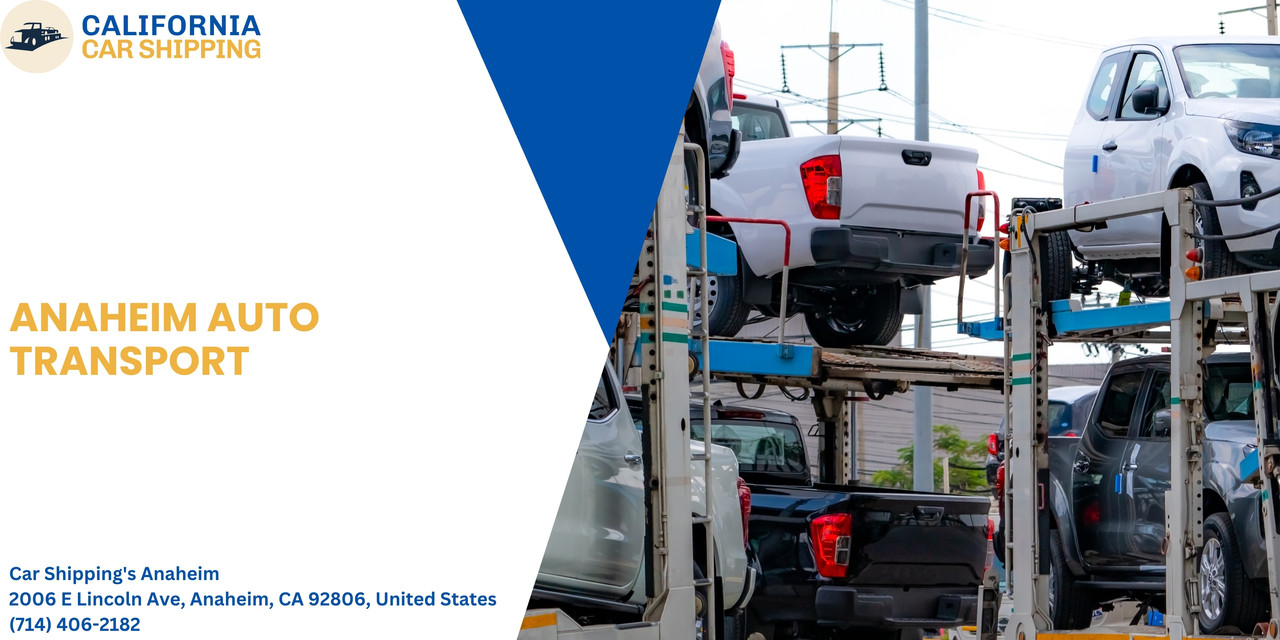
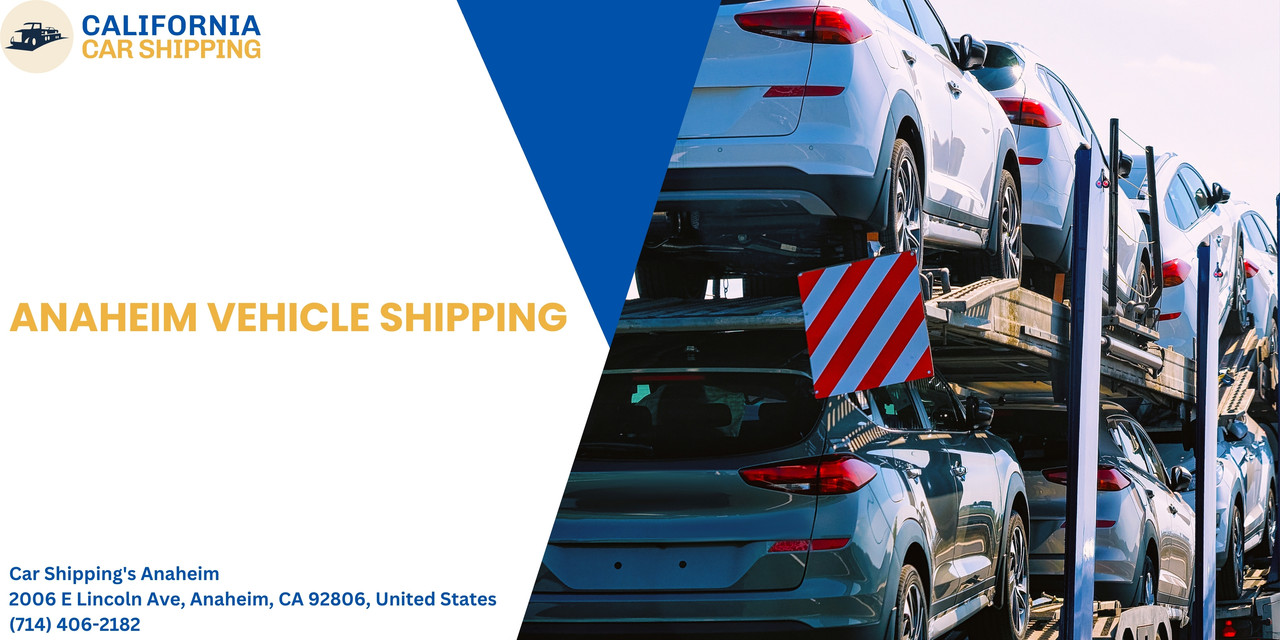
Open transport is the workhorse. It’s what you see on the freeway, two decks, up to ten vehicles. It costs less because it moves more vehicles at once and is easy to fill from a dense market like greater Los Angeles. For daily drivers, leases, and SUVs, open is the pragmatic choice most of the time. Weather exposure is the trade-off. Your car will arrive with a layer of road dust. On long winter routes, it might see sand or light debris. Reputable carriers use soft straps or wheel nets rather than chains on modern cars, so suspension or underbody stress is rare. If a quote is suspiciously low, ask how they secure vehicles and whether they use top or bottom deck placement by request.
Enclosed transport caters to high-value cars, classics, exotics, and anything with custom paint or low ground clearance. Anaheim sees enclosed trucks frequently thanks to regional dealerships, auctions, and collectors in Orange County. Expect higher insurance limits, lift gates, and fewer vehicles on the trailer. You’re paying for controlled conditions and careful handling. If your car is a 911 with ceramic brakes or a freshly restored GTO, enclosed is the insurance policy you can see. If it’s a 5-year-old Camry heading to a college student in Denver, open is enough.
How quotes are built, and how to compare them
The most frustrating part about comparing Anaheim auto transport quotes is that the line items are not standardized. One company shows a single price; another splits it into a dispatch deposit and a balance due on delivery. A third adds “fuel surcharges” and “residential access fees.” This is where experience helps. When I audit quotes, I focus on five areas, and they reveal the true cost and the likely service level.
Verify what is included: pickup window, transit time estimate, and whether the quote is binding or subject to carrier acceptance. A quote that is 150 dollars below market but says “subject to market conditions” often becomes a bait-and-negotiate. It’s better to pay a fair rate that a carrier will actually accept than to sit on a dead dispatch for days. Inspect insurance details: ask for the carrier’s certificate of insurance with coverage amounts. Standard cargo coverage ranges from 100,000 to 250,000 dollars per truck on open carriers, often higher for enclosed. That is per truck, not per car. A top-end policy at 1 million suggests high-value specialization. If the broker refuses to share COI details once a carrier is assigned, reconsider. Look for access and equipment fees: lift gate for low-clearance cars, winch fees for inoperable vehicles, and extra charges for oversized tires or roof racks. Anaheim sees plenty of modified cars, and the wrong equipment can cause damage or refusal at pickup. Confirm payment terms: cash on delivery can mean cash or cashier’s check only, which is inconvenient. Credit card payments provide a paper trail and dispute leverage, but some carriers charge a processing fee. Clarify who you pay, when, and how. Ask about cancellation and reschedule policies: if your moving date shifts, what happens to your deposit? A fair policy applies your deposit to a future shipment or refunds minus administrative costs if they fail to dispatch within the agreed window.
When you place quotes side by side with these lenses, the bottom-of-the-barrel offers usually reveal thin coverage, vague timelines, or rigid payment terms. Middle-of-the-pack quotes from established Anaheim auto shippers tend to hold up under scrutiny and get your car moving when you need it.
What real reviews reveal, and how to read them
Reviews can mislead if you scan only the star rating. You want to read for patterns. Anaheim auto transport customers mention three recurring themes when things go wrong: communication lapses during dispatch, unexpected delays at pickup, and minor damage disputes on delivery. None of those are unique to Anaheim, but the density of traffic and the pace of the local market amplify them.
Fix your attention on how a company handles problems. A four-star review that details a scratched mirror and how the company filed the claim, coordinated a repair, and followed up, is worth more than a perfect five-star score with no context. If you see a string of complaints about “quote changed after booking,” that indicates a broker who underquoted and struggled to place the load. If you see “driver unreachable,” that can be a carrier with poor customer service backstopping the driver. On the flip side, mentions of drivers doing thorough inspection reports, texts a day before arrival, and proactive rerouting around wildfires or road closures, are signals of a mature operation.
Anaheim and greater Orange County give you another advantage: a larger sample size of reviews. Focus on reviews that mention the same corridor you plan to use. Anaheim to Chicago is a different set of carrier lanes than Anaheim to Portland. A company that excels on southern routes may not shine on the Pacific Northwest loop.
The booking dance: windows, dispatch, and realistic timelines
Shipping a car is not like booking a flight. You’re negotiating for space on a moving, privately operated platform that must obey hours-of-service rules, deal with traffic, and skirt residential constraints. The timeline has two parts. First, the pickup window. Most Anaheim auto transport companies request a window of 1 to 5 days. Two to three days is the sweet spot on major routes leaving Southern California. Second, the transit time. Anaheim to Phoenix typically lands in 1 to 2 days once loaded. Anaheim to Dallas is often 4 to 6 days. Anaheim to the Northeast, 7 to 10 days depending on weather and handoffs.
The dispatch step often confuses customers. After you accept a quote, the broker posts your load to industry boards with the agreed terms. Carriers browse, call, and negotiate. If your rate is attractive for the route and date, it gets picked up quickly. If not, a good broker calls you to adjust either the rate or the window. Carriers prefer loads that line up with their existing runs. If you have flexibility on pickup or delivery suburbs, say so. A pickup in Anaheim with delivery in a suburb near a major interstate can make your load more attractive and faster to place, often without changing the price.
Insurance, inspections, and protecting yourself without paranoia
Insurance sits at the center of most disputes. Here’s what matters. The carrier’s cargo policy covers damage that occurs during transport, not pre-existing issues. It does not cover loose personal items inside the car unless explicitly stated. Before pickup, the driver completes a bill of lading with a condition report. This document is the anchor of any claim, so do it in daylight, walk the car with the driver, and take photos of each side, corners, wheels, roof, hood, trunk, and interior. Repeat the process at delivery. If you see new damage, note it on the bill of lading before signing and take photos immediately. Then notify the broker or carrier within the time window defined by their policy, often 24 to 72 hours.
A common Anaheim wrinkle is aftermarket modifications. Lowered suspension and front splitters can scrape during loading if the truck lacks the right ramps. Disclose mods up front. Ask for a carrier with extended ramps or a lift gate, especially for cars with less than 5 inches of ground clearance. If you understate the modification and the truck arrives unequipped, you risk a refusal and a reschedule fee.
Personal items are a gray area. Most carriers allow 50 to 100 pounds in the trunk, secured, below window level. More than that violates weight limits and raises theft risk. Anaheim’s proximity to major ports and weigh stations means carriers are inspected regularly. If a DOT officer finds overloaded vehicles, the carrier will offload items or adjust loads at an inconvenient time and place. You don’t want your boxes sitting roadside while your car continues east.
Special cases: EVs, inoperable vehicles, and projects
Electric vehicles are increasingly common on Anaheim streets, and they ship well if you prepare them correctly. Keep the state of charge between 30 and 60 percent. High charge increases thermal management needs on enclosed trailers, and near-empty risks immobilization at the wrong time. Provide charging cables in a labeled bag if the destination is remote. Clarify with the carrier that they understand how to place an EV in transport mode. Some EVs require specific sequences for neutral towing. A carrier that ships Teslas and Rivians often will know the drill.
Inoperable vehicles can ship, but they require a winch-equipped truck and cost more because loading time increases and risk goes up. If the vehicle does not brake or steer, disclose this. Anaheim auctions and rebuilders move non-runners routinely, but they plan for it. Spring surprises lead to reschedules and fees.
Project cars with fresh paint deserve extra caution. If the paint is less than 30 days old, it can mark under straps. Enclosed transport with soft ties is more expensive, but it avoids strap rub and sun exposure on curing clear coat. That is one bill you don’t want to pay twice.
Anaheim specifics that change the calculus
The local environment shapes service quality. Southern California traffic sets the pace. A driver planning to reach Anaheim at 5 p.m. on a weekday will often miss the window. Good dispatchers adjust and aim for morning pickups on residential streets. If your schedule is tight, request an a.m. target and a call when the driver is an hour out. Sports events near the Honda Center or Disneyland traffic can create choke points with little warning. You don’t need luck, you need a plan and a flexible meetup spot in mind.
Air quality rules and idling restrictions sometimes limit how and where trucks can wait. A driver who refuses to idle curbside in a residential zone may be complying with local ordinances and company policy. Don’t punish them for professionalism. Meet them at a lot that allows trucks to idle briefly, or be ready to load quickly.
Finally, Anaheim’s competitive landscape helps consumers. You can gather three to five quotes in a day and see real variation. That competition is your leverage, provided you compare apples to apples. Let each company know you are comparing total cost, coverage, and timing, not chasing the lowest teaser.
What separates trustworthy Anaheim auto shippers from the rest
A handful of signals cut through marketing language and hint at operational strength. If a company provides the MC and USDOT numbers of the assigned carrier without fuss, that is a good sign. If they include a realistic pickup window without promising the impossible, better still. When they can discuss your route specifics, mention likely transfer hubs, and outline contact points during transit, they know their craft. On reviews, look for longevity. A batch of glowing reviews in the past month and silence before that can be a rebrand, which is not inherently bad, but it merits questions.
I also value how a company handles special requests. If you ask for a top-deck placement on an open trailer to reduce risk of fluid drips, and they confirm whether the carrier can accommodate, you’re dealing with pros. If they dismiss the request or promise it without checking, expect surprises later.
Practical cost ranges for common Anaheim routes
Prices move with fuel costs and season, but Anaheim lanes show fairly reliable bands when you book a week or two in advance. Anaheim to Phoenix typically falls between 500 and 800 dollars open, 1,100 to 1,500 enclosed. Anaheim to Dallas often lands between 900 and 1,400 open, 1,900 to 2,600 enclosed. Anaheim to Seattle ranges from 800 to 1,200 open, 1,800 to 2,400 enclosed. Anaheim to Miami, a long haul with varied demand, often goes 1,300 to 1,900 open, 2,500 to 3,500 enclosed. These ranges assume running condition, standard size, and a standard pickup window. If your car is oversized, inoperable, or needs a specific date, expect to be above the midpoint.
One simple, reliable checklist for booking
Gather three quotes that include pickup window, transit estimate, and whether the price is binding. Ask for proof of the assigned carrier’s insurance and verify limits meet your vehicle’s value. Clarify equipment needs: open vs. enclosed, ground clearance, and any modifications or inoperability. Confirm payment method and schedule, and get cancellation and reschedule policies in writing. Document your car’s condition with photos at pickup and delivery, and keep the signed bill of lading.
Case notes from the field
Two stories illustrate how the same city can deliver different outcomes based on planning. A client needed a 2018 Subaru Crosstrek moved from Anaheim to Denver in mid-July. They wanted open transport, flexible pickup, and delivery anytime within the week. We priced at 1,050 dollars, slightly above the bargain quotes, and placed the load within 24 hours with a carrier running a west-to-mountain route. The driver coordinated a pickup at a shopping center near the 91 where the trailer could stage safely. The car arrived in four days, dusty but unscathed. The client paid by credit card and had tracking updates at pickup, midpoint, and pre-delivery.
Another client had a 1969 Camaro with fresh paint leaving a body shop in Anaheim bound for Scottsdale. They initially wanted to save money with open transport. We walked through the risks, explained strap rub on new clear coat, and proposed enclosed with a lift gate. The revised quote was 1,500 dollars more. They hesitated, then accepted. The carrier arrived with soft ties, documented the car thoroughly, and delivered in 48 hours, pristine. The owner later told me the peace of mind was worth double the premium, not just the actual cost.
Not every story is perfect. A third client underestimated ground clearance on a lowered Model 3. The open carrier arrived without extended ramps and couldn’t load without risk. We rescheduled with an enclosed carrier with a lift gate, and the delay added two days plus a change fee. A five-minute conversation during booking about ground clearance would have saved time and money.
How to balance price, speed, and risk
There is no universal best Anaheim auto transport option. There is only a best fit for your priorities. If budget sits on top and your car is a durable daily driver, target open transport, a three-day pickup window, and a mid-market rate that carriers will accept. If timing is king because of a move-in date or a lease return, prepare to pay a modest premium for a tighter pickup window, and choose a broker with a strong track record of same-week dispatch. If risk reduction matters, such as a rare car or a recent paint job, choose enclosed, insist on high insurance limits, and pay for lift gate equipment.
The most reliable Anaheim auto shippers tend to be the ones who ask you questions before they quote. They probe for mods, timing constraints, flexibility on pickup locations, and acceptable payment methods. They are not trying to upsell, they are trying to avoid operational problems. The second-best signal is how they talk about delays. Anyone who guarantees a pickup at a specific hour days in advance is promising more than a complex system can deliver. The right promise sounds like this: a two-day window, an evening-before call, a one-hour heads-up on the day, and contingency plans if traffic or enforcement blocks the original plan.
Final thoughts for Anaheim shippers
Anaheim’s concentration of carriers and brokers, plus its position on major west-to-east and north-to-south corridors, means you can secure good transport at fair prices if you approach the process with a clear head and a few non-negotiables. Ask whether you’re dealing with a broker or a carrier, and decide if that model suits your needs. Match equipment to your vehicle. Demand clarity on insurance and payment. Be flexible on pickup within reason, and suggest safe, legal meetup points if your street is tight. Read reviews for patterns, not just stars, and favor companies that communicate like adults when things go sideways.
Contact us:
Car Shipping's Anaheim
2006 E Lincoln Ave, Anaheim, CA 92806, United States
Phone: (714) 406-2182