Gardening with Kids: Fun and Educational Activities at Home
Introduction
Gardening is often seen as a peaceful, solitary activity, but what if I told you it could also be a joyous family affair? Engaging children in gardening activities not only fosters a love for nature but also offers a plethora of educational opportunities. In this article, we’ll explore various ways to involve kids in gardening, making it both fun and educational. From planting seeds to understanding the ecosystem, there’s so much to learn while getting your hands dirty.
Gardening with Kids: Fun and Educational Activities at Home
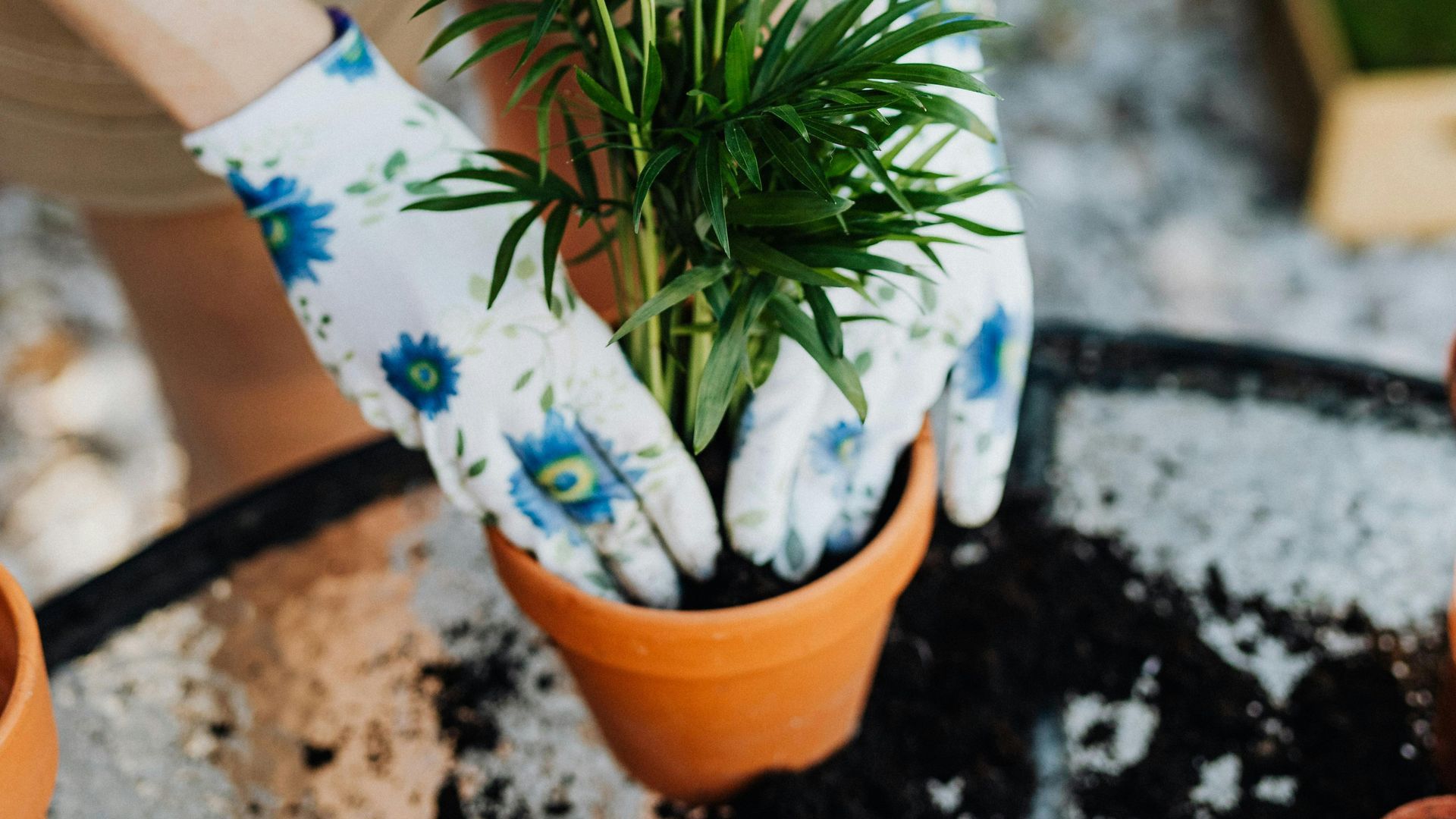
Gardening with kids is an exciting way to bond as a family while instilling valuable lessons about responsibility, patience, and the environment. Imagine your little ones eagerly tending to their plants, witnessing firsthand the magic of growth from seed to flower. Whether you have a sprawling backyard or just a small balcony, gardening can be adapted to suit any space.
The Importance of Gardening for Kids
Gardening provides numerous benefits for children:
Connection with Nature: In today’s digital age, many children are disconnected from nature. Gardening offers them a chance to get outside and appreciate the environment. Life Skills Development: From planning the garden layout to caring for plants, kids learn vital skills that promote independence. Understanding Science: Gardening introduces basic scientific concepts such as photosynthesis, soil composition, and ecosystems. Physical Activity: Digging, planting, and watering all contribute to physical fitness. Emotional Well-being: Tending to plants can have therapeutic effects on children, reducing stress and promoting happiness.
Getting Started: Choosing the Right Plants
Choosing the right plants is crucial when gardening with kids. Opt for varieties that are easy to grow and require minimal maintenance:
Sunflowers: Tall and cheerful; they grow quickly and are great for beginners. Radishes: Fast-growing root vegetables that can be harvested in just a few weeks. Herbs like basil or mint: These add flavor to meals and are relatively simple to grow indoors or out.
Creating an Ideal Garden Space
Indoor vs Outdoor Gardening
Deciding between indoor or outdoor gardening depends on available space and climate conditions:
Indoor Gardens: Perfect for small spaces or colder climates; using pots allows flexibility in placement. Outdoor Gardens: A great opportunity for kids to explore the outdoors; ensure the area receives adequate sunlight.
Designing Your Garden Layout
When designing your garden layout:
Use raised beds or containers for easy access. Incorporate paths or stepping stones so children can navigate without trampling on plants. Consider vertical gardens if space is limited—these can be both decorative and functional.
Fun Activities for Children in the Garden
Planting Seeds Together
Teaching kids how to plant seeds is an excellent introduction to gardening:
Choose seeds appropriate for your climate zone. Show them how deep to plant each seed based on its size—this promotes understanding of plant needs.
Creating Plant Labels
Encourage creativity by having kids make labels for their plants:
Use popsicle sticks or stones painted with names of the plants. This teaches them about plant identification while engaging their artistic side.
Watering Routines
Establishing a watering routine helps children learn responsibility:
Assign specific days when they’re responsible for watering their plants. Discuss how much water different types of plants need.
Educational Aspects of Gardening with Kids
Learning About Ecosystems
Gardening provides an opportunity to teach children about ecosystems:
Discuss how different insects contribute positively or negatively (e.g., bees pollinate flowers). Explore soil health and why it's important (microorganisms play critical roles).
The Science Behind Photosynthesis
Explain photosynthesis simply:
Describe how plants convert sunlight into energy. Conduct simple experiments showing how light affects plant growth (e.g., placing one plant in sunlight and another in shade).
Incorporating Art into Gardening Activities
Children love expressing themselves creatively; use this passion within your gardening project:
Nature Collages
Collect leaves, flowers, and other natural elements:
Create beautiful collages emphasizing textures and colors found throughout your garden. This activity reinforces observation skills while allowing artistic expression.
Garden Journals
Introduce journaling as part of the gardening experience:
Have kids document their observations about plant growth over time—this combines writing skills with science learning.
Seasonal Gardening Activities with Kids
Gardening doesn’t stop when summer ends! Here’s how you can adapt activities through seasons:
Spring Planting Projects
In springtime:
Start seedlings indoors before transferring them outdoors once frost passes.
Summer Maintenance
During summer:
Focus on maintaining existing plants—teach pruning techniques!
Fall Harvesting
In fall:
Encourage kids to help harvest produce—they’ll take pride in seeing results from their hard work!
Winter Preparation
In winter:
Discuss planting cover crops that enrich soil health during dormancy.
FAQs About Gardening with Kids
Q1: What age is best for starting gardening activities?
A1: Children as young as three can participate; however, activities should be tailored based on individual maturity levels.
Q2: Do I need special tools for my kids?
A2: While adult-sized tools can be cumbersome, investing in child-sized tools makes gardening more accessible—and fun!
Q3: How do I keep my child engaged?
A3: Rotate tasks Blossom & Oak Landscaping in Queen Creek regularly! Keeping things fresh prevents boredom while ensuring every aspect gets attention.
Q4: Is it okay if my child makes mistakes?
A4: Absolutely! Mistakes are essential parts of Landscaper learning—encourage them by framing mishaps as valuable lessons!
Q5: Can we garden without much space?
A5: Yes! Container gardening allows families with limited space options—it’s all about maximizing available resources!
Q6: What if our climate isn’t suitable?
A6: Consider indoor herb gardens or using greenhouses; there are plenty of adaptive solutions regardless of location!
Conclusion
Gardening with Kids: Fun and Educational Activities at Home creates lasting memories while equipping children with useful skills they’ll carry into adulthood. Not only does this magical journey foster appreciation for nature's beauty but it also encourages healthier lifestyles—a win-win situation! So grab those trowels and let’s get growing together!
By engaging in these activities together, families will cultivate not just plants but also connections among themselves—a truly enriching experience worth pursuing! Whether you're exploring landscaping in Queen Creek or embarking on this adventure closer at home through Blossom & Oak Landscaping services tailored specifically toward creating beautiful outdoor spaces designed perfectly suited even amidst limited areas—the joy found within nurturing life thrives everywhere!