Air-Source Or Ductless: Which Heat Pump Works Best For Middlefield Homes?
Homeowners across Middlefield, CT keep hearing the same promise: a heat pump can cut utility costs and improve comfort year-round. That is true, but the best results come from picking the right system for the house and for the way the family uses it. Two options dominate the conversation: traditional air-source heat pumps that connect to ductwork, and ductless mini-split systems that use small, quiet indoor heads. Each has strengths. Each has limits. The difference shows up on the coldest January morning on Powder Hill Road, the muggiest August afternoon near Lake Beseck, and on monthly utility bills.
This article draws on hundreds of local installations. It compares how both systems heat and cool in central Connecticut’s climate, where winter lows reach the teens and summer humidity can hang for days. It also explains what actually happens during heat pump installation, how to size the system correctly, and which rebates help bring the numbers into reach. The goal is simple: help Middlefield homeowners choose with confidence and schedule the right install the first time.
How both systems work, in plain terms
Both air-source and ductless heat pumps move heat rather than create it. In summer, they pull heat from inside and release it outdoors. In winter, they grab heat from outside air and move it indoors, even when it feels cold. That process uses refrigerant and a compressor, like central air conditioning, but it runs in reverse during heating.
A traditional air-source heat pump uses an outdoor unit paired with an indoor air handler and ductwork. If the home already has a furnace with ducts in good shape, this path can slot in relatively quickly. Many systems pair the heat pump with the existing furnace in a dual-fuel setup, where the heat pump handles most days and the furnace kicks in below a set temperature.
A ductless mini-split uses one outdoor unit connected by small refrigerant lines to one or more compact indoor heads. Each head heats and cools its zone without ducts. This setup shines in homes without ductwork, in additions, sunrooms, finished attics, and rooms that never feel right with the current system.
What Middlefield’s climate means for performance
Local weather matters more than spec sheets. In Middlefield, winter design temperatures hover around 7–12°F, and summer often brings long, humid stretches in the high 80s. A standard heat pump can heat well down to the mid-20s. A cold-climate model continues to deliver useful heat below 0°F. The difference shows up in the coefficient of performance (COP), which is the ratio of heat moved to electricity used. Expect a COP near 3 in mild weather, tapering to around 1.5–2 during cold snaps for a solid cold-climate unit.
Ductless systems often reach higher efficiencies because they avoid duct losses. In older homes along Main Street or on larger lots near Brooks Road, leaky or undersized ducts can waste 20–30% of output. If ducts run through unconditioned attics or crawlspaces, those losses grow. A ductless system sidesteps that issue and often holds room humidity steadier in summer thanks directhomecanhelp.com heat pump installation to longer, lower-speed cycles.
Where each system fits best in Middlefield housing stock
Capestyle homes, split-levels, Colonials, and farmhouses show up across the area. Many have additions built in the 80s or 90s with less-than-ideal ducting. Some use oil-fired furnaces with aging ductwork. Others rely on baseboards with no ducts at all.
A ducted air-source heat pump tends to fit when the ducts are tight, the static pressure is reasonable, and room-by-room airflow matches the load. In a 2,000–2,400 sq. ft. Colonial off Baileyville Road with intact, insulated ducts in the basement and minimal runs through unconditioned space, a ducted system delivers even temperatures and familiar central control.
A ductless mini-split is often the smart move for homes with no ducts or with expensive-to-fix duct problems. A typical layout near Route 157 might get a multi-zone system with a larger wall head on the main floor, a smaller head for the primary bedroom, and a compact unit for a finished attic used as an office. Zoning trims energy use by conditioning only occupied areas. It also solves hot-and-cold room problems in a single step.

Comfort factors homeowners notice in the first week
Noise, airflow, and humidity control set the tone for daily comfort. Ducted systems can be quiet when the installer sizes ducts correctly and sets fan speeds to match static pressure. Poor duct design leads to whistling vents and uneven rooms. Ductless heads are usually whisper-quiet, similar to a library at low speed. Many homeowners notice fewer drafts because mini-splits modulate output smoothly and avoid the full-blast-on, full-blast-off cycle.
Humidity control matters for summer sleep quality. Heat pumps need time to pull moisture from the air. Oversized systems short-cycle and leave rooms clammy. The fix is proper load calculation and equipment selection, then setting airflow for latent removal. Ductless systems often win here because they run at lower speeds for longer periods and include dry mode options. The right ducted system can match that performance when sized carefully and paired with variable-speed air handlers.
Straight talk on running costs
Electric rates in Connecticut usually run higher than the national average, but heat pumps still cut costs because they move heat efficiently. In a typical 2,000 sq. ft. Middlefield home, a cold-climate heat pump can reduce heating costs by 25–50% compared with oil, and by 15–30% compared with propane, depending on thermostat habits and building envelope. Cooling costs also drop versus older central AC units, particularly those over 12 SEER.
Real results hinge on two things: equipment selection and installation quality. A right-sized, variable-capacity unit with good commissioning outperforms a larger, cheaper unit installed without airflow measurement. Expect the lowest winter bills when the home has decent insulation and air sealing. Weatherization upgrades, even modest ones, can reduce the heat pump’s workload by 10–30%.
What heat pump installation looks like, step by step
The process starts with a Manual J load calculation, not a guess. A technician gathers room dimensions, window specs, insulation levels, and infiltration estimates. The goal is to size for the design day, not chase extreme outliers. Manual S handles equipment selection. Manual D, for ducted systems, confirms duct size and layout.
For ducted heat pump installation, a crew mounts the outdoor unit on a stand above snow level, runs line sets and electrical, sets the air handler, and verifies duct integrity. Any duct issues get addressed with mastic sealing and, where needed, resizing critical runs. The team then performs a refrigerant charge check, static pressure measurement, and airflow balancing. Total time is usually one to two days for a straightforward replacement, longer if duct repairs are extensive.
For ductless mini-splits, the crew mounts outdoor equipment on brackets or a stand, runs slim line sets through three-inch wall penetrations, and installs indoor heads on selected walls or ceilings. Condensate drains either go by gravity or a small pump if necessary. With clean routing and paint-matched line hides, the finished result looks tidy. Most one-to-two-zone installs wrap in a single day. Multi-zone projects across multiple floors may take two days.
Dealing with cold snaps and backup heat
Even cold-climate models face tough physics near zero degrees. Output drops, and run time increases. The right plan avoids discomfort and sticker shock. Ducted systems often pair with an electric heat strip or the existing gas or oil furnace. Set the balance point so the heat pump handles most of the season, while the furnace takes over on the coldest nights. This hybrid setup can deliver the lowest total cost heat pump services near me in older Middlefield homes with existing fuel infrastructure.
Ductless systems typically rely on the heat pump alone, supported by space heaters during rare extremes if needed. A better approach is to size for realistic winter loads, place indoor heads strategically, and use tight weather seals. For homes with chronic cold rooms, a small panel radiator or baseboard in those spaces can bridge the last 5–10% of load only during cold snaps.
Air quality, filtration, and allergies
Ducted air handlers can house deep media filters or even HEPA bypass units, which helps allergy sufferers. They also allow central dehumidifiers if the home needs separate moisture control. Ductless systems use fine mesh or optional electrostatic filters in each head. Those catch dust and some allergens but do not reach true HEPA levels. For households sensitive to pollen or dander, a ducted variable-speed system with a high-MERV filter can be compelling, provided the ductwork handles the added resistance without noisy airflow.
Upfront cost ranges Middlefield homeowners actually see
Numbers vary by house size, efficiency level, and electrical or duct upgrades. Still, most local installs cluster in these ranges:
Ducted air-source heat pump replacement using existing ducts: typically $11,000–$17,000 for a variable-speed, cold-climate system. Add $2,000–$6,000 if ducts need sealing, resizing, or new returns. Ductless mini-split systems: a single-zone often runs $4,500–$7,500. Multi-zone setups for a 2–3 bedroom home often land between $10,000–$18,000 depending on the number of heads and line lengths.
State and utility incentives can trim these numbers meaningfully. When paired with the federal tax credit under 25C and local rebates, many Middlefield homeowners see net costs drop by several thousand dollars. Final eligibility depends on equipment efficiency ratings and household specifics. A proper site visit clarifies which rebates apply.
Maintenance, lifespan, and repair realities
Heat pumps reward light, regular maintenance. Outdoor coils stay clean with gentle rinsing. Filters get changed or washed every one to three months depending on pets and dust. A yearly service visit checks refrigerant charge, electrical connections, and software updates. Ductless heads need coil and blower cleanings every couple of years to keep efficiency high; homes with cooking oils or wood stoves may need more frequent attention.
Modern variable-speed systems often last 12–18 years with care. Compressors handle long, low-speed cycles well. Most repairs during that span are small: sensors, contactors, or board updates. Major failures are rare in the first decade when the system is installed and commissioned correctly. Poor installs show up as early noise, uneven comfort, and rising bills within the first season.
What sizing really means, and why it matters in Middlefield
Oversizing remains the most common mistake. A 2,000 sq. ft. home with average insulation might have a winter heat load near 20,000–28,000 BTU/h at design conditions. Many legacy systems installed in the 90s were twice that size. That extra capacity can create short cycles, high humidity, and bigger bills. The right heat pump matches the home’s load closely and modulates through most of the range. With ductless, that also means picking indoor head sizes that fit each room rather than dropping in a larger unit “just in case.”
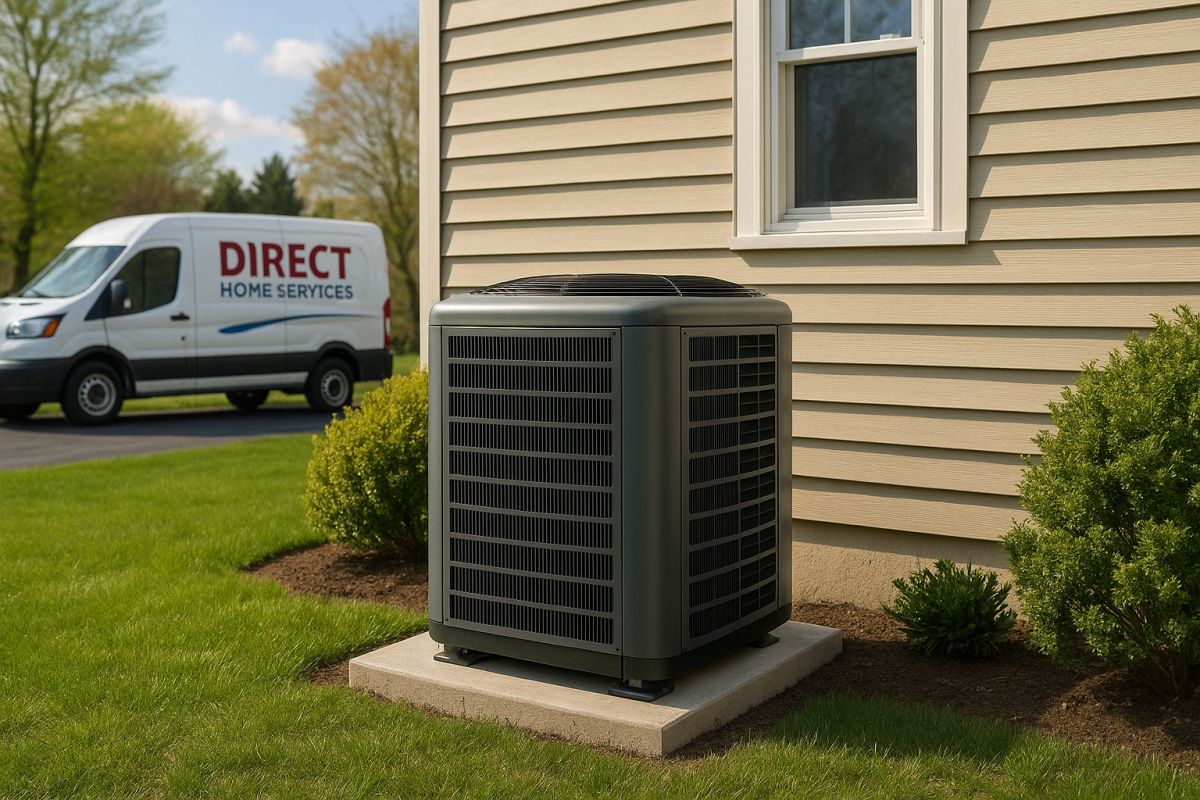
On a recent project off Hubbard Street, a homeowner wanted a 3-ton unit because the old AC was 3 tons. Load calculations showed 2 tons would cover both heating and cooling with buffer. The final system used a 2-ton variable-speed heat pump. It ran longer, quieter cycles, cut summer humidity, and saved roughly 25% on electricity compared with the old setup. The homeowner noticed the difference within the first week of July.
Zoning trade-offs and thermostat habits
Zoning with ductless systems is simple. Each room or area gets its own setpoint. That saves energy when spare bedrooms sit unused. It does require a new habit: setting realistic temperatures and letting the system maintain them. Frequent on-off changes defeat the benefits of variable capacity.
Ducted systems can zone with motorized dampers and multiple thermostats, but that adds complexity and cost. In many Middlefield homes, a single well-placed thermostat with careful duct balancing achieves even comfort without the expense of multi-zone duct controls. If homeowners value different temperatures by floor, limited zoning can help, such as separating the finished basement or the second floor in a Colonial.
Noise and placement details neighbors appreciate
Outdoor units work best on the side of the home away from bedrooms and from heavy snowdrifts. A simple wall bracket or a composite pad on a raised stand keeps the unit above typical snow levels. Clearances matter: at least a foot behind, two to three feet in front, and no shrubs blocking airflow. For ductless heads, the best performance comes with open wall placements that let air throw across the room, not tucked into alcoves.
Good installers use line set covers that match siding, grommets to seal penetrations, and proper supports to prevent vibration. Those details keep the home quiet inside and out, and they protect equipment life.
Which system wins by scenario
Existing ducts in good shape, whole-home comfort goal, interest in high-MERV filtration: a ducted air-source heat pump makes sense. Add dual-fuel if the home uses oil or propane and the owner wants backup on the coldest days. No ducts, older farmhouse or addition over a slab, target specific rooms now with room to expand later: ductless mini-splits provide flexible zoning with low disruption. Mixed needs, like a comfortable main floor with an underserved bonus room: a hybrid plan works. Keep the ducted system for the main load, and add a ductless head for the stubborn room. This avoids oversizing the ducted unit just to fix one space.
What a strong local install proposal includes
Homeowners in Middlefield should expect a written proposal that shows the Manual J load results, equipment model numbers with AHRI ratings, airflow and static pressure targets for ducted jobs, and line set lengths for ductless. It should note any electrical upgrades, condensate plans, snow stand details, and the balance point for dual-fuel setups. It should also outline rebates available based on the selected models. Anything less introduces guesswork.
Why many Middlefield homeowners choose Direct Home Services
Direct Home Services focuses on careful sizing, clean installs, and support after the sale. The team has worked in split-levels near Peter’s Lane, ranch homes off Lake Road, and farmhouses with thick stone walls. That experience shows up in small decisions that shape comfort, like setting fan curves for quieter overnight airflow or selecting a ductless head that clears a tricky window line. Most new clients come from referrals, which tends to happen when bills drop and rooms feel right.
Homeowners appreciate direct communication. Before any heat pump installation, a technician walks the home, measures, inspects ducts, and talks through how the family uses each space. That conversation guides the design, not a one-size suggestion. After installation, the team returns to fine-tune settings once the system runs through a week of weather.
Ready for next steps? Here is a simple way to move forward
If the house already has ducts, start with a load calculation and a static pressure test. If there are no ducts or the home has hot and cold problem rooms, schedule a ductless assessment with a quick discussion of zoning preferences. Bring a recent utility bill to the consultation. That helps estimate payback accurately.
Direct Home Services offers both options and installs systems that meet Connecticut rebate criteria. The team handles all paperwork and schedules electrical work as needed. Most projects book within two to three weeks after approval, with faster timelines during shoulder seasons.
Call or request a visit online to compare a ducted air-source heat pump and a ductless mini-split plan for your Middlefield home. The quote will show side-by-side costs, expected energy use, and comfort differences, so the choice is clear before any work begins.
Direct Home Services provides HVAC repair, replacement, and installation in Middlefield, CT. Our team serves homeowners across Hartford, Tolland, New Haven, and Middlesex counties with energy-efficient heating and cooling systems. We focus on reliable furnace service, air conditioning upgrades, and full HVAC replacements that improve comfort and lower energy use. As local specialists, we deliver dependable results and clear communication on every project. If you are searching for HVAC services near me in Middlefield or surrounding Connecticut towns, Direct Home Services is ready to help.
Direct Home Services
478 Main St
Middlefield, CT 06455, USA
Phone: (860) 339-6001
Website: https://directhomecanhelp.com/
Social Media: Facebook | Instagram
Map: Google Maps