Eco-Friendly Cultured Stone A Sustainable Alternative for Construction
Introduction
In recent years, the construction industry has seen a significant shift towards sustainable and environmentally friendly building materials. One such material that has gained popularity is eco-friendly cultured stone. Cultured stone, also known as manufactured stone or faux stone, is a versatile and durable material that mimics the look of natural stone while offering several environmental benefits. In this article, we will explore the various aspects of eco-friendly cultured stone, including its production process, benefits, applications, and impact on the environment.
Production Process of Eco-Friendly Cultured Stone
Eco-friendly cultured stone is typically made from a mixture of cement, aggregates, and pigments that are cast in molds to replicate the appearance of natural stone. Unlike natural stone, which requires extensive mining and quarrying operations, cultured stone is manufactured in a controlled environment, reducing the impact on natural resources. The production process of eco-friendly cultured stone is designed to minimize waste and energy consumption, making it a more sustainable alternative to traditional building materials.
One of the key advantages of eco-friendly cultured stone is its versatility in terms of design and customization. Manufacturers can create a wide range of colors, textures, and shapes to suit the specific requirements of different construction projects. This flexibility allows architects and designers to achieve their desired aesthetic while reducing the environmental footprint of the building.
Benefits of Eco-Friendly Cultured Stone
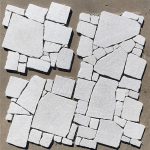
There are several benefits associated with the use of eco-friendly cultured stone in construction projects. One of the primary advantages is its cost-effectiveness compared to natural stone. Cultured stone is more affordable to produce and install, making it a budget-friendly option for homeowners and builders. Additionally, the lightweight nature of cultured stone reduces the structural requirements of the building, leading to potential cost savings in the overall construction process.
Another significant benefit of eco-friendly cultured stone is its durability and low maintenance requirements. Cultured stone is resistant to weathering, fading, and cracking, ensuring that the building retains its aesthetic appeal for years to come. Unlike natural stone, which may require regular sealing and maintenance, cultured stone is relatively low maintenance, saving time and resources in the long run.
In addition to its durability, eco-friendly cultured stone is also an excellent insulator, helping to regulate the temperature inside the building and reduce energy consumption. By improving the thermal efficiency of the building envelope, cultured stone can contribute to lower heating and cooling costs, making it a sustainable choice for eco-conscious homeowners.
Applications of Eco-Friendly Cultured Stone
Eco-friendly cultured stone can be used in a wide range of applications in both residential and commercial construction projects. One of the most common uses of cultured stone is for exterior cladding, where it can enhance the visual appeal of the building and provide protection against the elements. Cultured stone can be installed on facades, walls, columns, and other architectural elements to create a rustic or modern look, depending on the design requirements.
In addition to exterior cladding, eco-friendly cultured stone is also used for interior applications such as accent walls, fireplace surrounds, and kitchen backsplashes. The versatility of cultured stone allows designers to create unique and visually striking features that add character and charm to the interior space. Whether used in a traditional or contemporary setting, cultured stone can elevate the design aesthetic of any room.
Furthermore, eco-friendly cultured stone can be used for landscaping and hardscaping projects to create pathways, retaining walls, and outdoor living spaces. Cultured stone is a popular choice for outdoor applications due to its durability and resistance to weathering, making it ideal for withstanding the elements in a variety of climatic conditions.
Impact on the Environment
The use of eco-friendly cultured stone in construction projects has a positive impact on the environment in several ways. By reducing the demand for natural stone, cultured stone helps to conserve natural resources and minimize the environmental impact of quarrying operations. Cultured stone is also manufactured using recycled materials and waste products from other industries, further reducing its carbon footprint and environmental impact.
In addition to its sustainable production process, eco-friendly cultured stone offers energy efficiency benefits that can contribute to a greener built environment. The thermal insulation properties of cultured stone help to reduce the energy consumption of the building, leading to lower greenhouse gas emissions and a smaller carbon footprint. By choosing eco- look what i found like cultured stone, builders and homeowners can play a role in mitigating climate change and promoting sustainability in the construction industry.
Conclusion
Eco-friendly cultured stone is a sustainable alternative to traditional building materials that offers numerous environmental and economic benefits. By using recycled materials and energy-efficient production processes, cultured stone helps to reduce the environmental impact of construction projects while providing durable and aesthetically pleasing results. With its versatility, affordability, and low maintenance requirements, eco-friendly cultured stone is an ideal choice for homeowners, builders, and designers looking to create sustainable and visually appealing structures. Embracing eco-friendly building materials like cultured stone is a step towards a more sustainable future for the construction industry.