What if airport staff have never seen a UK medical cannabis prescription?
If you are a medical cannabis patient in the United Kingdom, you have likely become accustomed to the specific, rigorous processes required to obtain your medication. You have a specialist-led prescription, you have a legal pharmacy, and you have the peace of mind that comes with being a law-abiding patient. However, when you step into an airport departure hall, that bubble of UK legal protection does not necessarily follow you.
In my 12 years of managing travel risk and compliance, the most dangerous phrase I have ever heard from a passenger is: "It’s a legal prescription, so it’s fine everywhere." Nothing could be further from the truth. Medical cannabis laws are not standardised globally, and they certainly aren't standardised across what people lazily call 'Europe.' If you encounter a security officer who has never seen a UK medical cannabis prescription—which is highly likely—the burden of proof and the requirement for composure falls squarely on your shoulders.
The Myth of "It’s Legal, So It’s Fine"
One of the biggest misconceptions I see in travel forums is the belief that because the UK legalised medical cannabis in 2018, it is a "universal" permit to carry it abroad. You must understand that UK law stops at the border. When you enter a different jurisdiction, you are entering a space where your UK-issued documentation is merely a piece of paper, not a get-out-of-jail-free card.
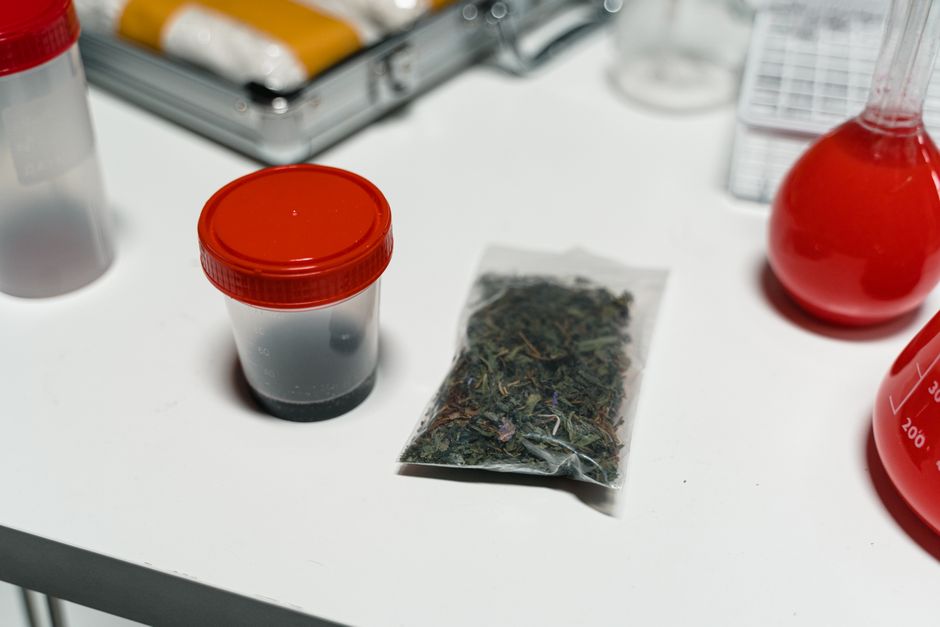
When you present your medication to an officer, you are not engaging in a clinical conversation; you are engaging in a regulatory assessment. If that officer has never seen a clinic letter or a prescription slip from a UK private pharmacy, they will default to their standard operating procedure: suspicion. Treating your medication like a controlled substance is their job. If you approach this with the attitude that you are "right" and they are "wrong," you are inviting a difficult, potentially ruinous, interrogation.
Europe is Not One Rulebook
I cannot stress this enough: stop looking for a "European" policy on cannabis. The Schengen Area may allow for freedom of movement for people, but it does not harmonise drug laws. Entering Germany is a vastly different proposition from entering Greece, and both are entirely different from the regulatory minefield medical cannabis travel fines you might encounter in the UAE or parts of Southeast Asia.
Every single nation has its own interpretation of the International Narcotics Control Board (INCB) guidelines. Some countries require you to apply for an import permit weeks in advance. Others simply prohibit it entirely. If you assume that because a country is a member of the EU it will accept your medication, you are exposing yourself to significant legal risk. Always consult the specific embassy of your destination—and every transit country—to verify the current rules.
The "Airport Transit" Sneaky Risk
This is the risk that people constantly forget. Passengers often focus exclusively on their final destination, ignoring the "transit" factor. What happens if your flight is diverted? What happens if you miss your connection in a third country and are forced to stay in an airport hotel overnight? By entering that third country, even if you never intended to leave the airside transit area, you are now subject to their laws.
I have seen passengers get into significant trouble because they transited through a country with zero-tolerance drug laws, and a simple flight delay turned a routine journey into a legal nightmare. Always check the transit policies of your connecting airports. If a country forbids your medication, do not book that route, even if it is the cheapest or fastest option.
How to Handle Officers Unfamiliar with Regulations
When you encounter security officers unfamiliar with regulations regarding medical cannabis, your goal is to reduce confusion with documentation and maintain absolute patience at security checks. The moment you become defensive, the officer’s suspicion levels rise. If they have never seen your paperwork, you must act as the bridge between their confusion and your compliance.
The "Reduce Confusion" Documentation Pack
Do not simply show them the bottle. You need a folder that is professional, clear, and logically organised. I recommend carrying the following:
A Letter from your Specialist: This should be on headed paper, stating the condition being treated, the specific dosage, and the fact that you are fit to travel with your medication. Your Prescription: The original paper prescription or a digital copy that matches the name on your passport. Clinic Correspondence: Evidence of your ongoing relationship with the clinic. The Original Pharmacy Label: Never, ever decant your medication into generic containers. It must have your name and the prescribing details clearly visible on the packaging. Destination Embassy Correspondence: If you have emailed the embassy and received a confirmation that your medication is permitted, print that email.
Interaction Tips
Volunteer the information early: Do not wait for them to find it in your bag. Place your medication in a separate, clear bag inside your hand luggage and inform the security staff *before* the bag goes through the scanner. Keep it professional: Use phrases like, "I am a medical cannabis patient; here is my authorised documentation for this prescription." Remain calm: If they call a supervisor or a police officer, accept that this is part of their protocol. Do not argue. Your patience is your greatest asset in de-escalating the situation.
Comparison: Handling the Security Check
Action "Unprepared" Outcome "Compliance-Focused" Outcome Presenting medication Discovery during X-ray leads to "Why are you hiding this?" Volunteering at start of check leads to "Please show me your documents." Documentation Fumbling with phone/emails Neatly organised, printed, and verified file folder Officer confusion Arguing about legal rights Calmly explaining the medical necessity and offering clear evidence
Before You Leave the House: The Checklist
Every single trip requires a pre-departure audit. I have used this exact checklist for over a decade. If you cannot tick these boxes, do not leave your house.

[ ] Verify the laws in the destination: Have you checked the official website of the destination's embassy? [ ] Verify the laws in all transit countries: Are you connecting through a country where your medication is prohibited? [ ] Review airline policy: Did you check the airline’s "medical baggage" policy? Some require 48-72 hours' advance notice to allow medication in the cabin. [ ] Pack appropriately: Is all medication in original, labelled packaging inside your carry-on? [ ] Documentation pack: Is your folder of clinical letters and prescriptions up to date and in your hand luggage? [ ] Travel Insurance: Have you declared your medical condition and medication to your travel insurer? [ ] Contact the clinic: Do you have the emergency out-of-hours contact number for your clinic, just in case a border official needs to verify your prescription directly?
Final Thoughts
There is no such thing as a "guaranteed" outcome at a border. No matter how many papers you carry, an officer ultimately has the discretion to deny entry or further investigate your luggage. Overconfident statements about border outcomes are dangerous fantasies. You are carrying a controlled medical cannabis travel checklist for Europe substance across international lines; treat it with the seriousness that the law demands.
By being prepared, organised, and patient, you can significantly reduce the risk of a distressing encounter. But remember, the moment you step off that plane, you are a guest in someone else’s legal system. Respect their processes, provide your documentation with transparency, and keep your composure. If you aren't prepared to do that, the most practical advice I can give you is to stay at home.