Anion Gap Calculator: With Chloride values plus Bicarbonate values
An Anion Gap Calculator is a practical instrument for calculating the anion gap from everyday blood chemistry findings. By using sodium, chloride, and bicarbonate values, it supports clinicians and trainees efficiently assess acid-base balance and identify patterns that may suggest an possible disorder. Because these numbers are already part of a standard serum chemistry panel, the calculation can be performed quickly as a diagnostic aid during everyday interpretation of an electrolyte panel.
This article emphasizes on calculator use with chloride values and bicarbonate values, how the anion gap calculation works, and how to understand the result in practical clinical context. It also covers formula variations, including potassium and albumin adjustments, so you can better understand the corrected anion gap when needed.
What Is the Anion Gap?
The anion gap is a computed number that indicates the gap between measured positively charged ions and measured negative ions in the blood. It is a method to assess whether there may be additional unmeasured anions impacting the body’s acid-base balance. In standard practice, the calculation is obtained from serum electrolytes reported on a serum chemistry panel or more comprehensive blood chemistry test.
Although the anion gap is not a literal measurement of a single substance, it is useful because shifts in the number can point toward an acid-base disorder or another form of metabolic derangement. A typical result does not rule out disease, but an abnormal result can guide further evaluation and help clarify the underlying cause.
In everyday terms, the anion gap is often used as a screening tool when reviewing electrolyte patterns. It is especially helpful when a patient has signs of metabolic acidosis, since the result can indicate whether the condition involves elevated acids, loss of bicarbonate, or another disruption in the body’s buffer system.
How an Anion Gap Calculator Functions
An Anion Gap Calculator relies on a straightforward formula based on common laboratory measurements. The calculator typically asks for sodium, chloride, and bicarbonate values, then computes the anion gap formula for you. This makes it easier to get a fast result without doing the math by hand.
The classic version of the calculation is:
Anion gap = sodium - chloride - bicarbonate
Some calculators display the result using the similar structure as Na minus Cl minus HCO3. In that format, sodium is the primary measured cation, while chloride and bicarbonate are the main measured anions. The difference between them reflects the amount of unmeasured anions in the blood.
For a user, the workflow is clear:
Type in the sodium value from the lab report. Type in the chloride value. Enter the bicarbonate value, often listed as CO2 or HCO3. Examine the calculated anion gap and review it with the lab’s reference range.
This approach is especially useful when reviewing routine serum electrolytes and trying to determine whether an electrolyte imbalance may be affecting the overall pattern.
Anion Gap Formula and Typical Variations
The standard formula is Na minus Cl minus HCO3, but there are common variations depending on the testing facility and clinical setting. Some clinicians include potassium in the formula, which changes the result somewhat. Others focus on the sodium-based calculation because potassium plays a smaller role to the routine interpretation in many settings.
One reason for variation is that the anion gap is influenced by factors such as albumin, a major unmeasured negatively charged protein. When albumin is low, the measured gap may appear lower than expected. In those cases, a corrected anion gap may provide a more accurate estimate of the patient’s true status.
Albumin correction matters because albumin is one of the biggest contributors to the normal gap. If albumin drops, the calculated number can miss the burden of unmeasured anions. A corrected value can therefore enhance the clinical picture, especially when evaluating a likely acid-base disorder.
Practical points to keep in mind:
The calculator may apply sodium, chloride, and bicarbonate only. Some formulas add potassium, which can slightly increase the gap. Albumin adjustment may be needed when protein levels are not normal. Always review the result with the relevant laboratory reference interval.
Because formulas differ, the same patient may have slightly different results depending on the method used. That is why understanding the specific anion gap formula built into the calculator is crucial for accurate interpretation.
How to Read the Calculation
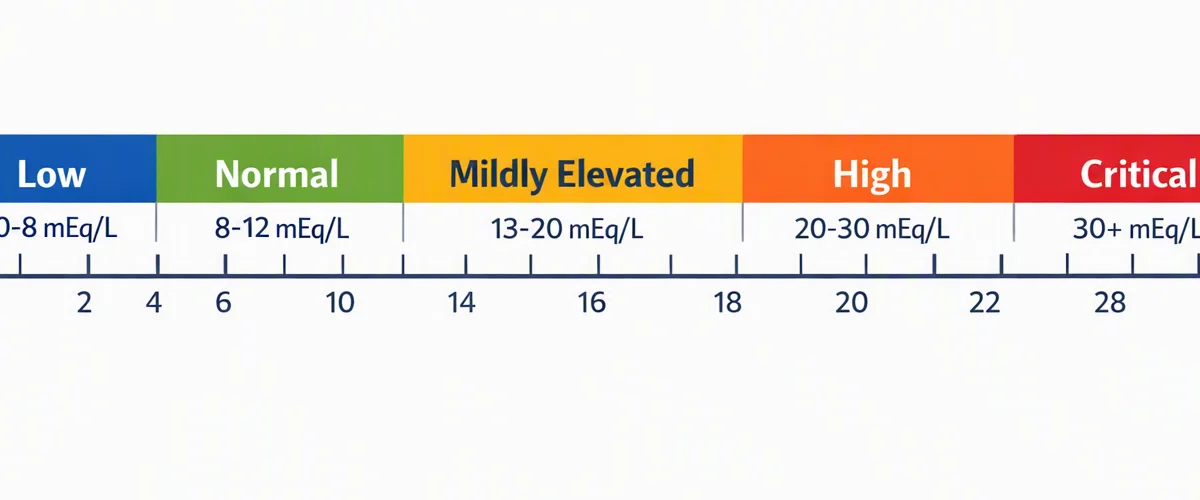
Understanding the result usually begins with the lab’s normal range. Results are often categorized as normal anion gap, high anion gap, or low anion gap. The how to calculate delta ratio exact value range varies by laboratory and by whether potassium is taken into account, so the calculator should always be reviewed with the reported local range.
A typical anion gap suggests that the balance of measured ions is in expected limits. That said, a normal finding does not rule out disease, particularly if other findings point to a meaningful acid-base disorder. For example, a patient may still have metabolic disturbances that are better interpreted through the bicarbonate level, chloride level, and overall clinical picture.
A elevated anion gap often suggests higher acid levels or accumulation of unmeasured compounds. In contrast, a decreased anion gap is rarer and may indicate reduced albumin, measurement errors, or certain disorders that alter the electrolyte pattern.
When interpreting interpretation, it helps to ask:
Is the result inside the stated reference range? Are the chloride and bicarbonate values in line with the gap? Does the patient have signs of metabolic acidosis or a different metabolic derangement? Could albumin be altering the apparent result?
Because the anion gap is a diagnostic aid, not a final diagnosis, interpretation should always be considered alongside the rest of the lab data and the patient’s symptoms.
Causes of a High Anion Gap
A elevated anion gap often suggests build-up of acids or other nonmeasured substances in the blood. Among the primary causes are lactic acidosis, ketoacidosis, renal failure, and exposure to toxic alcohols. These conditions can all produce a significant acid load or impair the body’s ability to eliminate acids efficiently.
Lactic acidosis occurs when lactate accumulates, often in settings of inadequate tissue oxygen delivery, severe illness, or other physiologic stress. Ketoacidosis may occur when ketone production goes up, such as in uncontrolled diabetes, prolonged fasting, or alcohol-related metabolic changes. Renal failure can impair acid excretion, allowing acids to accumulate. Toxic alcohols are a classic trigger of a high gap and should be considered when the history or presentation suggests ingestion.
These causes are often evaluated together with the patient’s bicarbonate level, since a low bicarbonate value frequently accompanies high-gap metabolic acidosis. However, the exact pattern can vary, which is why the Anion Gap Calculator is best used as part of a broader workup rather than in isolation.
Origins of a Low Anion Gap
A reduced anion gap is uncommon yet still clinically important. A key cause is hypoalbuminemia, because albumin is a major unmeasured anion. If albumin drops, the calculated gap may decrease even if no other major disorder is present.
A further common reason is lab error. Since the anion gap depends on sodium, chloride, and bicarbonate, even small measurement problems can affect the result. A repeat test may be appropriate if the finding does not fit the clinical picture.
Additional possible causes include hypercalcemia and multiple myeloma. In some cases, abnormal proteins or changes in other measured ions alter the balance enough to lower the gap. When the value is surprisingly low, checking albumin and considering a corrected anion gap can be particularly helpful.
Overall, a low result should not be dismissed. It can indicate an actual underlying condition, or it may be a clue that the calculator output needs to be rechecked against the actual laboratory values and the broader clinical context.
Why Chloride and Bicarbonate Matter
The chloride level and bicarbonate level are essential to the calculation because they are the main measured anion inputs used in most versions of the formula. If chloride rises or bicarbonate falls, the gap can change suddenly, which makes these numbers very useful in evaluating electrolyte imbalance and acidic metabolic state.
Chloride often increases in conditions where bicarbonate is lost or diluted, while bicarbonate commonly decreases in acidotic states. The relationship between the two provides insight into how the body is handling acids and bases. This is why anion gap review is often part of the broader assessment of acid-base balance.
Using chloride and bicarbonate values together can reveal patterns that might not be obvious from either number alone. For example, a low bicarbonate with a normal or elevated chloride may point to a different process than a low bicarbonate with a high gap. This makes the anion gap a useful way to structure the interpretation of serum electrolytes.
Step by Step Sample Calculation
Here is a basic example using typical example values to show the manual calculation process.
Sodium = 140 Chloride = 104 Bicarbonate = 24
Using the anion gap formula:
Anion gap = sodium - chloride - bicarbonate
Replace the values:
140 - 104 - 24 = 12
The anion gap result in this example is 12. If the laboratory’s normal range includes 12, then this would be interpreted as a normal anion gap. If the lab’s range differs, the interpretation should follow the local local reference.
Next consider a second example:
Sodium = 138 Chloride = 100 Bicarbonate = 16
Computation:
138 - 100 - 16 = 22
This elevated result may indicate a elevated anion gap, which would lead to review of causes like lactic acidosis, ketoacidosis, renal failure, or toxic alcohol ingestion. The final reading depends on symptoms, history, and the rest of the blood chemistry.
Limitations and Medical Considerations
Even a properly designed Anion Gap Calculator comes with limitations. One major issue is adjusting for albumin. As albumin changes the gap, a patient with low albumin may have a falsely low or normal result unless a corrected anion gap is considered.
Test variability is another important factor. Different analyzers and local methods can lead to slightly different sodium, chloride, and bicarbonate results. This means the calculator output may shift depending on where the sample was processed. For that reason, comparison with the relevant reference range is essential.
Interpretation in context also matters. A numerical result should be read in light of symptoms, medication use, recent illness, and the larger pattern of electrolyte levels. Sometimes an ABG is needed to better define the acid-base status, especially when the bicarbonate level and clinical presentation do not match the calculated gap.
In other words, the calculator is useful, but it is not a substitute for professional evaluation. It works best as part of a complete assessment of the clinical picture, especially when the result could signal a serious disorder or a rapidly changing condition.
Frequently Asked Questions
How do you calculate the anion gap using chloride and bicarbonate values?
Apply the standard formula for anion gap: sodium minus chloride minus bicarbonate, often written as Na minus Cl minus HCO3. Enter the sodium, Cl, and bicarbonate values into an Anion Gap Calculator, or calculate it manually by subtracting chloride and bicarbonate from sodium. Some formulas also include K, so check which version is being used.
What is a normal anion gap range?
A normal anion gap depends on the laboratory and the equation used, so the best reference is the site-specific reference range. Many labs provide a range that is based on their analyzer and whether potassium is included. Always read the number using the lab’s own laboratory reference interval rather than assuming one universal value.
What does a high anion gap mean?
A high anion gap often means there are extra unmeasured anions in the blood, which can happen in metabolic acidosis. Common causes include lactic acidosis, ketoacidosis, renal failure, and toxic alcohols. The result should be interpreted with the patient’s symptoms, bicarbonate level, and overall clinical context.
Can low albumin affect the anion gap result?
Yes. Hypoalbuminemia can reduce the measured anion gap because albumin is a major unmeasured anion. In that situation, a corrected anion gap may be more helpful than the raw value. If albumin is low, the calculator result may underestimate the true acid-base abnormality.
How accurate is an Anion Gap Calculator?
The calculator is usually accurate for the numbers entered, but the final meaning depends on the quality of the lab results and the way the formula is set up. Lab error, lab variability, and missing albumin information can affect the result. So while it is a useful screening tool and diagnostic aid, it should always be paired with clinical judgment and, when needed, additional testing such as an arterial blood gas.
If you are using the calculator and the result seems surprising, review the input values, confirm the chloride values and bicarbonate values, and consider whether a corrected value is needed before making a conclusion about the patient’s acid-base balance.