The Evolution of Medical Cannabis Perception in the UK: From Taboo to Treatment
If you have spent any time in a British clinical waiting room over the last decade, you will have noticed a shift. Five years ago, if a patient brought up cannabis in a consultation, the conversation often stalled. Today, it is increasingly becoming a standard part of a clinical discussion about chronic pain, refractory epilepsy, or treatment-resistant anxiety. As someone who spent nine years in NHS administration, I have watched this transition from the inside—observing the slow, deliberate turning of the bureaucratic tide.
The public perception of medical cannabis in the UK has undergone a profound cultural shift. We are moving away from the "recreational" label toward a more nuanced, clinical understanding. However, the path has been anything but linear.
The Legal Watershed: November 2018
It is important to be precise about history. When we talk about medical cannabis in the UK, we are not talking about the high-street CBD oils you might pick up in a health food shop. Those are supplements, not medicinal products. The legal framework changed in November 2018, when the government reclassified cannabis-based medicinal products (CBMPs) as Schedule 2 drugs. This allowed specialist doctors—and only specialists on the General Medical Council’s Specialist Register—to prescribe them legally.
This was not a "legalization" of cannabis in the recreational sense. It was a carefully regulated narrow opening. Many patients were initially confused by this, expecting a system similar to the US, where access can be broad. In the UK, it remains a third-line treatment option, intended only for those who have exhausted other evidence-based interventions.
Common Phrases That Confuse Patients (And How We Rewrite Them)
In my time as a content editor, I have kept a running list of terms that unintentionally alienate patients. Here is how we clarify them:
Confusing Phrase Patient-Friendly Revision "Titration" "Gradual dosage adjustment to find your individual balance." "CBMP" "Prescribed, medical-grade cannabis medication." "Endocannabinoid system modulation" "How the medicine helps regulate your body's natural signaling." "Patient-reported outcomes" "The feedback you give us about how you’re feeling."
After a consultation, your specialist will explain your starting dose. What happens next is that you will begin a daily journal or use a digital tracking app to record how you feel, which helps the clinic monitor your progress.
NICE Guidelines and the Reality of NHS Access
The National Institute for Health and Care Excellence (NICE) plays a pivotal role. They have set a very high bar for clinical evidence. While this keeps the UK's standards rigorous, it has also meant that NHS prescribing of cannabis remains extremely limited. Most patients navigating this journey are doing so through the private sector.
This two-tier reality—limited NHS access versus growing private clinical access—is a point of frustration Take a look at the site here for many. It is essential to be clear: private clinics are not "bypassing" the rules. They are operating within the same legal framework as the NHS but are funded directly by the patient, allowing them to take on patients who meet the criteria but don't fall into the ultra-narrow NHS requirements.
The Rise of Remote-First Clinic Systems
One of the most significant changes in the last few years has been the digitization of the patient journey. In the past, seeking specialized treatment meant significant travel and long waits. Today, remote-first clinic systems have changed the landscape.
Patients can now access consultations via secure video links. The entry point is almost always an online eligibility form. These forms serve as a crucial gatekeeper, ensuring that the patient meets the baseline legal requirements before a specialist ever charges for a consultation. It respects the patient’s time and provides a clear "Yes" or "No" early in the process.
When private medical cannabis clinic UK you submit an online form, you are providing the clinical team with a snapshot of your medical history. What happens next is that a clinic administrator reviews your summary, and if you appear eligible, they will reach out to request your full medical records from your GP.

Why Stigma Reduction Matters
The cultural shift is driven by a move toward patient-centered language. Experts like Brad Hook have argued that when we frame medical cannabis as a tool for "symptom management" rather than a "cure," we foster trust. This shift is crucial for patients who have spent years being told their condition is "all in their head" or that they have run out of options.
To communicate effectively, many clinics have started using resources like the Synonyms Hack—a collection of plain-language alternatives to medical jargon. By using language that is transparent, we lower the barrier to entry and reduce the shame associated with asking for help.
Personalized Product Formats: Moving Beyond "Smoking"
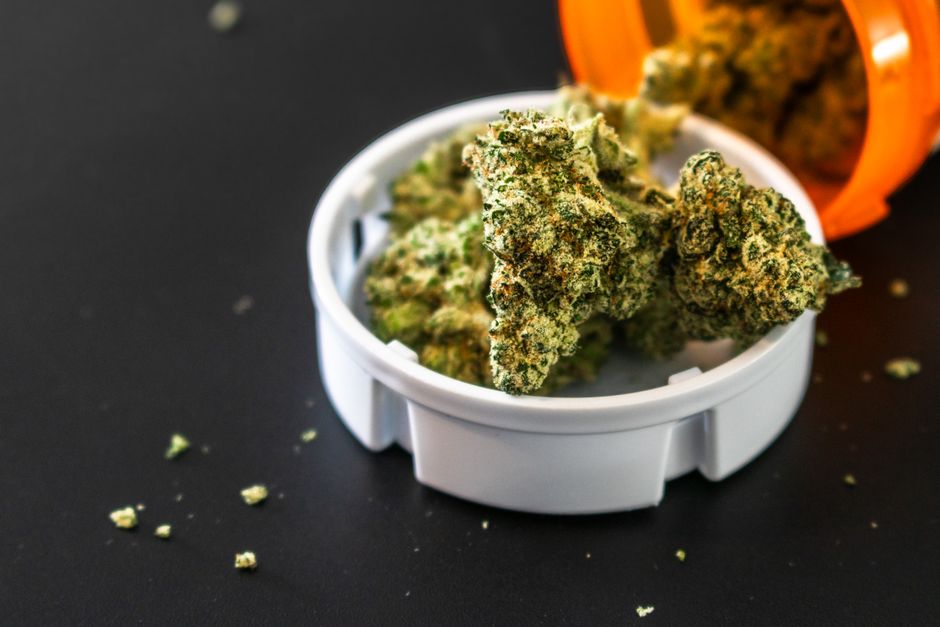
Public perception used to be dominated by the image of a cigarette. That could not be further from the reality of modern medical cannabis. In the UK, prescribing is focused on precision.
Clinics now offer a wide variety of administration routes tailored to the patient’s lifestyle and clinical needs:
Oils and Tinctures: Taken sublingually (under the tongue) for sustained, long-term symptom control. Inhalation devices: Vaporizers that use dried flower, providing faster relief for acute symptoms without the harmful byproducts of combustion. Capsules: For those who prefer a familiar, dose-measured format that looks like traditional medication.
It is important to emphasize that there is no "one size fits all" product. Because the UK system requires specialist oversight, your medication is chosen based on your specific metabolism, the nature of your symptoms, and how you respond to different ratios of THC and CBD.
The Road Ahead: Regulation and Clinical Monitoring
We are currently in a transition phase. As a former NHS admin, I am cautious of "miracle" claims. If a clinic suggests their product works for everyone, they are not being honest. Medicine is individual. The key to the future of UK medical cannabis is not just access, but rigorous monitoring.
Clinical monitoring is the bridge between the initial prescription and long-term care. Every few months, you will have a follow-up appointment. These are not just check-ins; they are audits of your health. Your specialist will look at your symptom scores and determine if the medication needs to be adjusted, changed, or if it is still the right course of action for you.
What happens next in your treatment plan is determined by these follow-ups, ensuring that your care remains as dynamic as your condition.
Summary: The Changing Face of Medicine
The perception of medical cannabis in the UK has changed because patients are now being treated like partners in their care. The stigma is being eroded by the presence of professional, regulated, and remote-first clinics that prioritize patient safety above all else. While we still have a long way to go—particularly regarding broader NHS coverage—the progress made since 2018 is undeniable.
If you are exploring this route, do your research. Look for clinics that are registered with the Care Quality Commission (CQC) in England, Healthcare Improvement Scotland, or equivalent bodies. Avoid anyone who promises "easy" access without medical records. True medical care in this field is about balance, evidence, and—above all—clear communication.