Refrigerated Storage San Antonio TX: Energy-Efficient Choices
San Antonio is hot for most of the year, which makes refrigerated storage a demanding business. The heat load, long distribution routes across Texas, and a mix of food, pharma, and aerospace shipments push facilities to work harder to maintain temperature integrity. The result is a bigger electric bill than most other warehouse types, with energy often ranking as the second-largest operating cost after labor. For operators trying to run a cold storage facility that keeps products safe without burning through cash, energy efficiency is not a luxury. It is the difference between a thin margin and a healthy one.
I have worked with teams that manage both small refrigerated rooms tucked behind restaurants and million-square-foot cold storage in the I-35 corridor. The fundamentals never change: temperature consistency, airflow, door discipline, maintenance, and smart equipment. The trade-offs come from your product mix and throughput. A frozen french fry warehouse looks nothing like a biotech clinical supply room, even if both are technically refrigerated storage. San Antonio’s climate simply amplifies the need to get the basics right.
What “energy efficient” really means in cold storage
Many people think energy savings live in the compressor room. There is some truth to that, but it leaves out half the picture. The most cost-effective gains come from reducing heat infiltration before your refrigeration plant has to fight it. Air gaps, poor seals, traffic patterns, lighting, and door cycles often cost more than an aged chiller. When I audit a cold storage facility in San Antonio TX, I typically find three buckets of opportunity.
First, building envelope and doors. If hot, humid air never enters, you avoid frost, moisture, and compressor work. Second, controls and setpoints. It’s common to see suction setpoints too low “just to be safe,” which uses more power than needed. Third, process and behavior. How people operate the space matters. The best engineered solution can’t overcome a dock door left cracked open during a rush.
A realistic benchmark helps. An efficient refrigerated storage building handling mostly frozen products often lands between 20 and 35 kWh per square foot per year. Heavily used blast freezers, cross-dock operations with constant door opening, or mixed-temp facilities can run higher. The goal is directional: year-over-year improvement with consistent product quality, not chasing a number in a vacuum.
San Antonio’s climate changes the math
In a coastal market, facilities fight salt air and storms. In San Antonio, heat and long dry spells dominate most of the year, then humidity spikes when it rains. That swing matters because infiltration brings moisture that freezes into frost, adding thermal resistance on evaporator coils and meddling with airflow. When coils frost, fans run longer, and compressors cycle more. The defrost cycle, if not tuned, wastes energy by blasting heat just to remove ice from poor door discipline.
You also have broader supply chains. Cold storage near me is the search phrase lots of shippers use, but trucks often come from Dallas, Houston, or Laredo with variable pre-cool quality. A warm trailer backed to your door acts like a heat cannon. Facilities that insist on strict inbound temperature checks and staged pre-cool practices conserve energy and protect inventory integrity.
Local utilities and grid conditions also matter. Summer peak pricing rewards facilities that shift noncritical loads off mid-afternoon hours. Some operators precool the freezer slightly in the morning, knowing the box will coast through peak hours. Done carefully, this works without risking temperature. Done poorly, it invites frost and short cycling. San Antonio’s hot afternoons make load shifting worth exploring if your workflows allow it.
Choosing the right type of refrigerated storage
Start with the product and the promise you must make to customers. Raw produce and dairy ride close to freezing. Frozen foods prefer 0 F or lower. Pharma and biotech demand tight bands, sometimes 2 to 8 C or even controlled room temperature that still counts as temperature-controlled storage by regulation. A cold storage facility that aims to handle all categories will waste energy if it can’t compartmentalize. Mixed inventory in a single large chamber forces compromise on setpoints and airflow.
I advise grouping by temperature class. A multi-chamber design in a cold storage facility San Antonio TX can use higher-temperature rooms where possible, while a deep-freeze chamber runs colder for frozen items. The higher you can set a room while keeping product safe, the lower your energy bill. A two-degree lift in setpoint can cut compressor power by several percent, depending on system design. That trade sounds small until you multiply it across 100,000 square feet.

Flow matters just as much. Fast-moving cross-dock product belongs near the dock in a cooler pre-room. Longer-term storage should live deeper inside, where door cycles are rare and temperatures hold steady. If you put high-throughput SKUs in the back, you will open doors and disturb the temperature gradient dozens of times a day. You will pay for that choice every month.
Envelope design that pays back year after year
San Antonio’s sun will attack the roof more than anything else. Raised white single-ply membranes, high R-value roof insulation, and continuous vapor barriers reduce heat gain and moisture intrusion. If you plan to expand, design the envelope now for future partitions. Trying to insert insulated wall panels and vapor barriers later creates seams and weak points.
Pay special attention to the dock area. The busiest cold storage near me often has three dock conditions in sequence: ambient dock, cooled dock staging area, and interior cooler or freezer. A cooled dock staging area is a powerful energy saver because it reduces the heat jump when doors open to the interior. Seals and shelters on the exterior dock are not negotiable in San Antonio. Inflatable dock seals often outperform rigid shelters at preventing infiltration, especially with imperfect trailer positioning.
Floor insulation and vapor stops prevent heaving and frost formation in freezers. Skip this detail and you will fight ice on floors, which drives safety incidents and energy waste from extra defrost and runoff management. Embedded underfloor heating, glycol, or electric heat traces keep subgrade temperatures above freezing. I have seen facilities skimp here to save upfront cost, only to spend those “savings” on slab repairs within a few years.
Refrigeration technology and where the savings show up
Facility owners often ask whether they should choose ammonia, CO2, or synthetic refrigerants. The correct answer depends on scale, risk tolerance, and local expertise. In San Antonio TX, you can find competent contractors for all three, but not in equal numbers. Each approach can be efficient if engineered well.
Ammonia remains the efficiency leader for large central plants. It is forgiving in experienced hands, and the equipment library is deep. Safety systems and training carry a cost, and some real estate stakeholders hesitate about onsite ammonia, but for a big cold storage facility the economics often win.
CO2 transcritical systems have improved sharply. With hot ambient temperatures, a gas cooler sized for San Antonio’s peaks and the use of adiabatic assist can keep efficiency in line. Heat reclaim on CO2 systems can pay for dock or underfloor heating. Maintenance expertise is improving, but you need technicians who understand transcritical controls.
High-performance synthetics with variable-speed compressors can suit small to mid-sized facilities and tenant buildouts. Efficiency is better than older HFCs, and the footprint is compact. Just be clear about lifecycle refrigerant costs and potential regulations down the road.
Variable frequency drives on compressors, condenser fans, and evaporator fans make a large difference when load shifts. Many warehouses still run fans at fixed speed because it feels simpler. In practice, VFDs cut energy during part-load operation, which dominates most days. Floating head pressure strategies allow condensing pressure to ride down during cooler evenings, delivering free savings without touching setpoints.
Defrost strategy separates good plants from average plants. Hot gas defrost is efficient when tuned correctly, but the schedule matters. Defrosting during morning peak loads can raise box temperature and trigger extra compressor runtime just as the sun heats the roof. Time defrost cycles for off-peak periods, and use demand defrost where sensors show coil frost rather than running on a fixed schedule. Tight coordination between door cycles, traffic, and defrost pays off in San Antonio’s climate, where extra moisture during summer storms can sneak in and demand more frequent intervention.
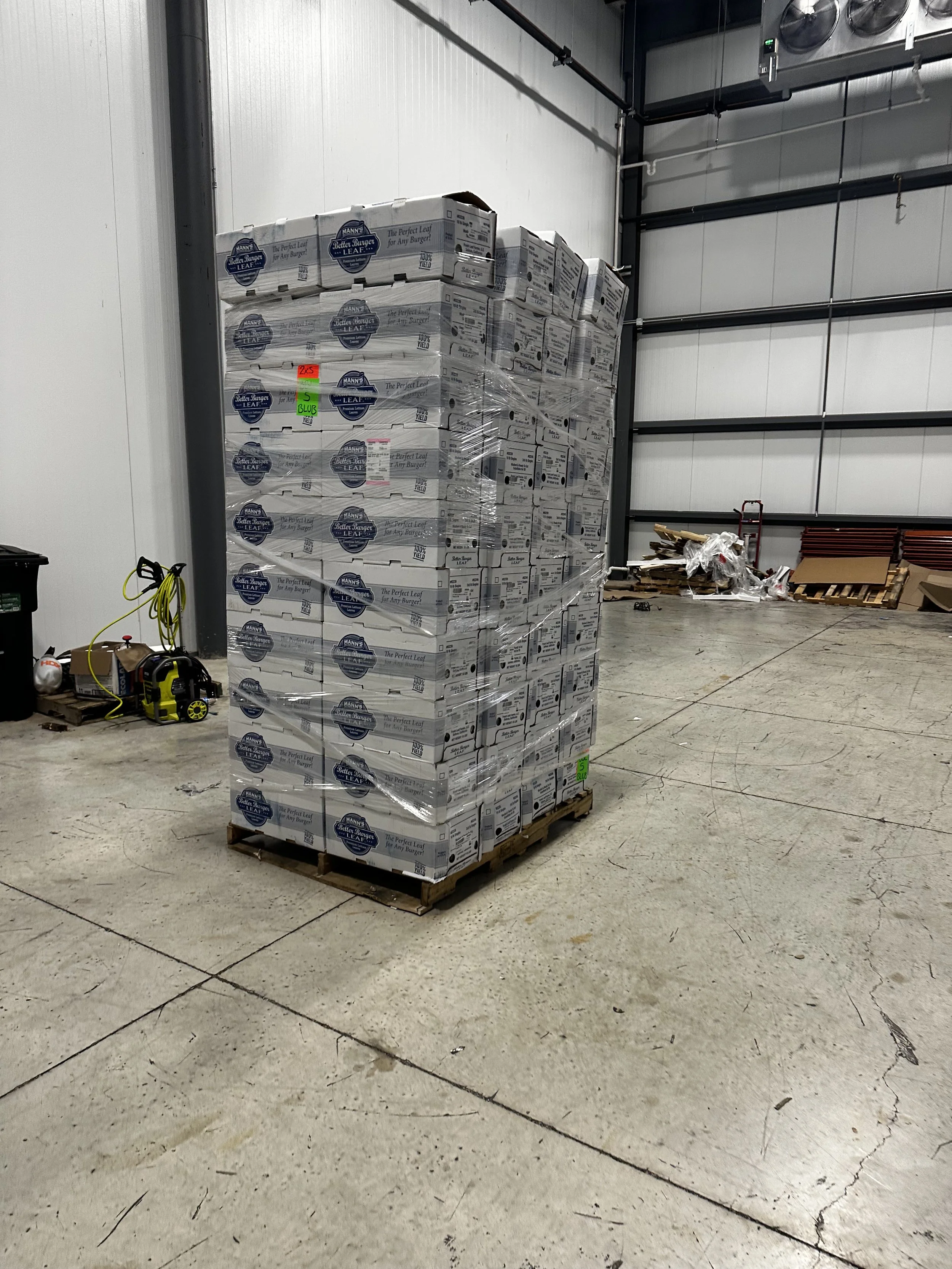
Controls and data that catch small errors early
A modern cold storage facility thrives on data, but drowning staff in alarms does not help. I prefer dashboards that surface three or four vital signs: room temperature variance, compressor lift, door open time, and energy per pallet handled. When any of these drift, it is a sign that a seal failed, a setpoint changed, or traffic patterns shifted.
Door discipline is the sleeper metric. Track cumulative open time per door per shift. I have seen the same door account for half a freezer’s energy drift simply because pickers like its location. Once you explain the cost, small behavior changes stick. Teach operators to stage picks, use strip curtains or high-speed doors correctly, and avoid “propping” doors during rushes. The EUI improves without new equipment.
Smart setpoint management avoids the old habit of running every cooler a few degrees colder “just in case.” You can build guardrails that allow minor adjustments for product-specific needs without giving free rein to override the system. When a new product arrives, validate its true requirement. A spec sheet that says “store refrigerated” might tolerate 36 to 40 F; running at 32 F wastes energy and invites coil icing.
Lighting, air movement, and the hidden costs of ice
LED lighting is table stakes, but it still shows up as an upgrade in older buildings around San Antonio. LEDs run cooler, reduce load, and pair well with occupancy sensors. In coolers and freezers, lighting heat adds directly to the refrigeration burden, so the upgrade gives a double win.
Airflow in a refrigerated room should be consistent without creating wind tunnels that desiccate product. Evaporator placement and throw matter. If staff complain that some aisles are uncomfortably cold while others feel just cool, you probably have uneven airflow that wastes energy. Balance fans and consider baffles to ensure return air paths do not short-circuit the coil.
Ice is never just an inconvenience. It is a cost. Every pound of ice stuck to a coil represents heat that the system had to remove and cannot release efficiently. On floors, ice means slips, cleanup time, and defrost water that can create bacterial risks in mixed-temperature facilities. If you see growing ice rime around doors, inspect seals and air curtains immediately. When those look good, check traffic patterns and the cadence of inbound warm loads.
Practical ways to evaluate a cold storage facility near me
When a shipper or food brand searches for refrigerated storage near me or cold storage San Antonio TX, the options can look similar from a website. On a tour, focus on what you can verify with your senses and a few pointed questions. You do not need an engineer’s toolkit to spot the difference between a tuned building and an energy hog.
Ask for a recent energy-intensity metric, such as kWh per pallet-month or kWh per square foot per year, and how it has trended. A serious operator knows the number and the story behind it.
Walk the dock and count how many doors are open versus how many are actively loading. Check seals and air curtains. Listen for high-speed doors cycling promptly.
Look at evaporator coils during normal operation. Excess frost is a red flag. Light, even frost that clears predictably is a good sign.
Ask how they manage setpoints for different customers. If the answer is “we run everything at 0,” they may be paying more than they need to, especially for mixed loads.
Review maintenance logs for defrost cycles, fan failures, and seal replacement intervals. Proactive maintenance shows up in those records.
Facilities that welcome these questions tend to run a tighter operation. That usually correlates with better temperature integrity and fewer product claims.
Incentives, rates, and why timing your projects matters
Utilities serving San Antonio and the surrounding region periodically offer incentives for VFDs, LED retrofits, high-efficiency motors, and demand response participation. Program funding changes year to year. Before you replace condenser fans or upgrade lights across a large cold storage facility, check current rebates. I have seen projects reach payback in under two years with incentives, compared to three to five without.
Time-of-use rates, if you qualify, reward shifting some load. Not every operation can flex, especially with strict ship windows on refrigerated storage near me searches that drive same-day turnaround. But consider pre-pulling product during morning hours in coolers while leaving refrigerated storage near me freezers to hold steady. Even 5 to 10 percent load reduction during peak hours can add up across a San Antonio summer.
If your building needs a roof replacement, combine it with insulation upgrades and reflective membranes. The marginal cost of better R-value and a cool roof is modest compared to staging two separate projects. In this climate, roof performance makes a visible dent in compressor runtime.
Small operational habits with outsized impact
Over a year, the little things save more power than a single flashy capex item. One facility I worked with logged door cycles per shift for a month. A simple change to picker routing reduced door open time by 18 percent, with no new hardware. Another team standardized inbound checks and staged warm loads into a buffer area rather than opening the main cooler. That shaved 6 to 8 percent off weekly energy during summer peaks.
Training is where these habits stick. It is tempting to treat energy as a facilities problem. The better approach is to give warehouse staff a clear picture of costs in terms that matter to them. Share a target: kilowatt hours per pallet handled this week versus last. Tie wins to a crew reward. The same teams that pride themselves on order accuracy take pride in an efficient building when they see the scoreboard.
When to build new versus retrofit
San Antonio’s growth puts land and labor in flux. Retrofitting an existing box gives speed to market, while new construction gives optimal envelope and systems. If your operation will run at one temperature band, and the existing building envelope is mediocre, a retrofit with overclad insulated panels and door upgrades can reach 70 to 80 percent of new-build efficiency at a lower cost. If you need multi-temp zones, blast freezing, and heavy dock throughput, new construction often wins because you can design airflow, staging, and mechanical rooms without compromise.
For tenants shopping a cold storage facility near me, negotiate energy performance metrics into the lease. Spell out who pays for upgrades and how savings are shared. If the owner pays for VFDs and lighting but you pay the power bill, align incentives with a cost-sharing clause tied to measured savings.
Compliance, reliability, and where not to cut corners
Energy efficiency cannot come at the expense of product integrity. FDA, USDA, and cGMP expectations require documented temperature control. That means reliable metering and calibrated sensors. Redundant sensors in critical rooms prevent one bad probe from triggering unnecessary defrosts or panic calls. In pharma applications, compressors should have failover capacity. For food, alarms must reach someone who can act within minutes, not hours.
Do not skimp on dehumidification for loading areas. In San Antonio’s wet spells, a properly sized desiccant or mechanical dehumidifier at the dock staging area keeps ice and condensation at bay. This lowers defrost needs and protects packaging. It also improves worker safety. The energy you spend on controlled dehumidification is often less than the energy the refrigeration system would spend removing uncontrolled moisture infiltrating through doors.
Real-world numbers and what to expect
Every site differs, but patterns emerge. A 150,000 square foot freezer with good envelope, LED lighting, VFDs on fans and compressors, and tuned defrost can operate in the mid-20s kWh per square foot per year in San Antonio. Add a busy cross-dock and frequent door cycles, and you might see 30 to 40 kWh. A mixed-temp facility with significant cooler space often comes in lower on a per-square-foot basis but fluctuates more with seasonal humidity.
Payback timelines vary. LED lighting with controls often pays back in 1 to 2 years. VFDs on evaporator fans, 2 to 4 years. Envelope improvements such as high-performance dock doors and upgraded seals, 2 to 3 years when door traffic is heavy. Full mechanical overhauls run longer, 5 to 8 years, but the reliability benefits reduce product risk and overtime callouts, which rarely show up in simple payback math.
Using location to your advantage
San Antonio sits at a logistics crossroads. If your refrigerated storage San Antonio TX site serves both northbound and southbound traffic, design scheduling to avoid loading spikes that hold doors open midafternoon. Distribute outbound windows to mornings and late evenings when ambient temperatures are lower. Staging areas should be truly staged, not just more rack crammed near doors. Give crews room to work fast with doors closed.
A note on “cold storage facility near me” searches. Proximity cuts fuel and time, which indirectly saves energy. The finest, most efficient box still loses to a location that adds two hours of truck idle time and product warm-up risk. Balance building efficiency with route efficiency. On whole-operation cost, a slightly less efficient building in an optimal location can beat a trophy facility across town.
Questions to frame your next move
Use these as a quick compass before you sign a lease, retrofit, or commission a new build.
What temperature bands do we truly need, and can we zone them to run as warm as product allows?
How many door cycles per hour does our flow require, and can we reorganize to reduce open time?
Which upgrades qualify for incentives this year, and can we bundle projects to capture them?
How will we measure and share energy performance with operations teams each week?
Where do we accept a higher capital cost now to avoid a chronic operational leak later, such as dock infiltration or underfloor frost?
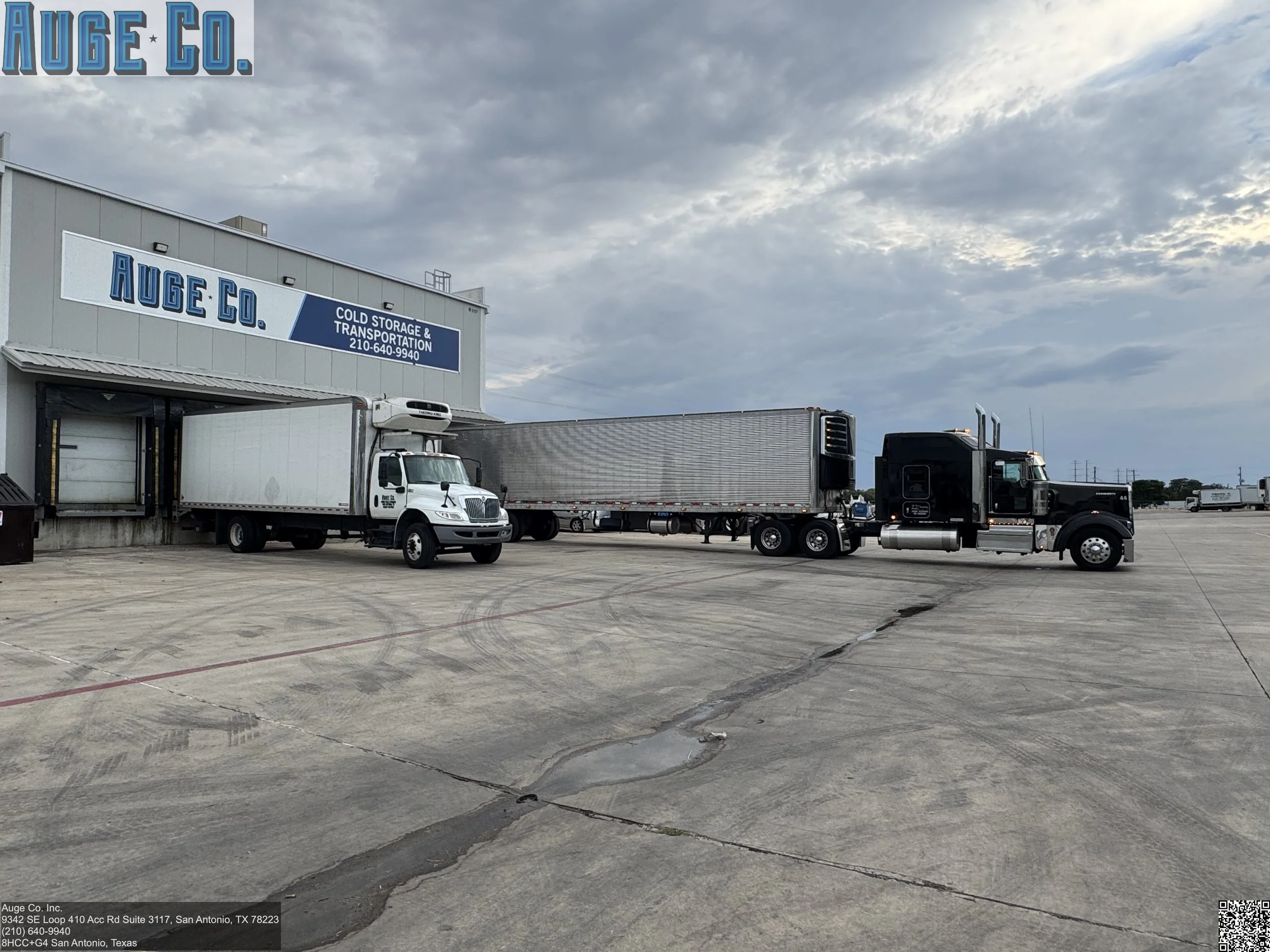
These questions steer decisions toward durable savings rather than flashy features.
Where the market is heading in San Antonio
Expect more interest in CO2 as technician training expands, and continued push for variable-speed everything. Facilities are also adopting more granular submetering, down to room or even zone. That visibility turns vague “high bill” worries into clear actions. Some operators are experimenting with solar on large roof footprints. Solar does not eliminate load, but in San Antonio’s sunshine it can offset daytime power, especially for cooler zones. Battery storage remains a niche play today, but for facilities participating in demand response, it may pencil out within a few years.
Automation will keep growing, although not every refrigerated storage near me needs AS/RS or shuttle systems. Even basic pick-to-light and better WMS slotting reduce door cycles and time spent at the interface between ambient and cold zones. Those improvements quietly trim energy while boosting throughput.
Final thoughts anchored in practice
Energy efficiency in a cold storage facility is not a single project. It is a habit supported by sound design and routine attention. In San Antonio TX, the climate forces discipline. If you control infiltration, tune your refrigeration plant, and train people to respect the cold box as a living system, you will see steadier temperatures, fewer maintenance headaches, and meaningful savings.
If you are selecting a provider, do not be shy about asking how they maintain their edge. The best refrigerated storage San Antonio TX operators can walk you through their last three improvements and the data that justifies the next one. If you are running your own box, pick two or three improvements that fit your budget this quarter. Maybe it is LED retrofits with occupancy sensors, a door-seal replacement campaign, and VFDs on evaporator fans. Track the results, share them with the team, and then move to the next layer.
The reward is more than a lower utility bill. It is consistency. Products that leave your dock in spec do not come back as claims. Staff work in safer, drier conditions. And when the summer heat bears down on San Antonio, your facility keeps its cool without straining every motor on site. That is the kind of refrigerated storage near me that customers trust and that operators are proud to run.