<h1>Roofing Ventilation Explained: Ridge Vents, Soffit Vents amp; More</h1>
You need balanced roofing ventilation to secure your home from warm and moisture damage. Ridge vents left your roof s optimal, letting hot air getaway effectively, while soffit vents installed at the eaves supply trendy intake air, guaranteeing quick, unhampered air flow. For installation, maintain proper spacing, seal joints, and never block vents with insulation. If you re unsure which vent type or configuration ideal fits your climate, or want step-by-step installment and maintenance suggestions, there s even more to discover.
Key insights
- Ridge vents tire warm, damp air along the roofing system height, sustaining energy-efficient attic ventilation and lengthening roofing life.
- Soffit vents supply vital consumption airflow at the eaves, drawing in cooler outside air to stabilize attic temperature and humidity.
- Gable vents, put on outside walls, enable cross-ventilation and are effective when set up at contrary ends of the attic.
- Powered and hybrid vents make use of fans or solar energy to boost air flow, ideal for complicated roof layouts or climates requiring enhanced air flow.
- Appropriate installation and normal maintenance of all vent kinds make sure unblocked air movement, stop wetness buildup, and optimize system longevity.
Why Roof Air Flow Is Important for Your Home
When your attic room does not have correct air flow, warm and moisture swiftly develop, bring about early roof wear and tear and higher power costs. You need effective air exchange to safeguard both your roof system and the efficiency of advanced functions like photovoltaic panels. Without appropriate air flow, entraped warmth can degrade attic insulation, decreasing its thermal efficiency and compeling your HVAC to work more difficult. For homes furnished with solar panels, preserving ideal attic room temperature levels is important to protect against panel overheating, which can reduce energy return and life-span. Throughout installation, integrating ridge vents and soffit vents ensures continuous airflow, stabilizing consumption and exhaust. This strategy safeguards structural integrity, makes the most of insulation performance, and supports peak solar panel procedure. Prioritize air flow to future-proof your home s power effectiveness and roofing financial investment.
Spotting Signs of Poor Roofing System Ventilation
Identifying the indication of inadequate roof air flow aids you address troubles prior to they rise into pricey repair services. When your attic room insulation isn't doing ideal or you've observed issues requiring roofing system repair, inadequate air flow might be the origin. Take notice of these technological indicators during evaluation and installment:
- Moisture Build-up: Condensation on rafters or insulation signals ineffective air motion. Relentless moisture breaks down attic insulation and accelerates the requirement for roof covering repair service.
- Heat Retention: In summertime, excessive attic room warmth can warp tiles and compromise cutting-edge roofing materials, threatening power efficiency.
- Ice Dams: In wintertime, trapped heat thaws snow, triggering refreezing at eaves. This brings about costly water ingress requiring urgent roofing fixing.
Comparing the Key Kind Of Roofing Vents
Although roof ventilation options may appear frustrating, understanding the main kinds of vents is vital for an effective setup. You ll typically pick in between ridge vents, soffit vents, gable vents, and powered vents. Ridge vents leave the roof covering peak, integrating perfectly despite having solar panels, and assurance continuous air movement. Soffit vents, installed under eaves, enhance attic room insulation by advertising consumption air. Gable vents, installed on outside wall surfaces, work best for straightforward rooflines yet might not match facility or solar-integrated styles. Powered attic room vents utilize fans for boosted exhaust however require power and thoughtful placement to avoid interrupting insulation performance. When choosing vents, always consider your attic room insulation, roof pitch, and any kind of photovoltaic panel selections to accomplish perfect equilibrium in between power efficiency, airflow, and architectural compatibility.
Just How Do Ridge Vents Work?
Amongst the numerous roofing vent alternatives, ridge vents stand apart for their efficiency and low account. You ll set up ridge vents along the roofing system s peak, producing a continuous exhaust path for warm, wet attic room air. https://budleighsaltertonroofing.co.uk/index.html This style works synergistically with modern photovoltaic panels and high-performance attic room insulation, promoting excellent air flow while keeping energy effectiveness. Below s a functional failure:
- Cut a port at the roofing ridge, allowing caught air to run away as it rises.
- Protect the ridge air vent over the slot, guaranteeing it s suitable with roof materials and adjacent solar panels.
- Confirm that attic insulation doesn t block airflow below the vent, maintaining unhampered air flow.
What Role Do Soffit Vents Play?
You ll need to mount soffit vents correctly to make the most of air movement performance across your attic. These vents provide the consumption needed to prevent moisture accumulation and decrease the danger of condensation-related damage. With appropriate positioning and sizing, you ll boost roof covering durability and safeguard architectural elements.
Advertising Air Flow Efficiency
How specifically do soffit vents add to a roofing system s airflow effectiveness!.?.!? By tactically reeling in cooler outside air at the eaves, soffit vents press stale attic room air upward toward ridge or exhaust vents. This continuous activity is essential, specifically if you ve set up photovoltaic panels or updated your roofing system insulation both can restrict warmth dissipation without appropriate air flow. During installment, guarantee your soffit vents aren t blocked by insulation or debris. For optimal performance, take into consideration these useful steps:
- Equilibrium ** intake and exhaust: ** Match soffit vent intake location with ridge/exhaust air vent location for constant air flow.
- Incorporate with ** insulation baffles: ** Protect against insulation from covering soffit vents by setting up baffles, preserving a clear course for air.
- Plan for solar assimilation: When including photovoltaic panels, adjust vent positioning to prevent blocking airflow paths.
Preventing Moisture Accumulation
Why does proper soffit air vent installment matter for moisture control!.?.!? If you wish to stop condensation and mildew in your attic room, you need effective soffit vents. These vents introduce fresh air underneath roof covering eaves, enabling damp air to run away essential for homes with modern-day attic room insulation, which can catch dampness otherwise correctly aerated. Insufficient airflow urges dampness, resulting in jeopardized insulation performance and potential architectural issues.
When installing soffit vents, make certain there s a clear channel from the soffit as much as the ridge or exhaust vent. Stay clear of obstructing vents with insulation frustrates to keep the air flow path. Thoughtful positioning likewise helps manage rain runoff by lowering moisture, reducing the threat of moisture-laden air condensing on cool surfaces. Prioritize precision during setup for perfect wetness prevention.
Enhancing Roof Covering Longevity
Ever before wonder what offers a roof its staying power throughout the years? Soffit vents are important for boosting roofing durability, particularly if you ve purchased photovoltaic panels or routine routine roof cleaning. By promoting continuous airflow from the eaves, soffit vents avoid heat buildup and moisture, both of which can speed up shingle degradation and compromise underlayment integrity. If you re going for a high-performance, ingenious roofing system, consider these essential steps:
- Appropriate placement: Mount soffit vents evenly along the eaves to take full advantage of consumption airflow and assistance ridge air vent exhaust performance.
- Compatibility with photovoltaic panels: Make certain air vent courses stay unblocked throughout photovoltaic panel setup for suitable ventilation.
- Maintenance harmony: Integrate soffit air vent assessments into your roofing system cleansing routine to stop obstructions and keep peak efficiency.
Static vs. Powered Roofing System Vents: Which Is Right for You?
When choosing between static and powered roof covering vents, you'll require to evaluate energy efficiency against setup and maintenance needs. Fixed vents run without electrical power and call for very little upkeep, while powered vents eat energy and entail even more intricate setup. Analyze your roof covering structure and air flow goals to determine which alternative finest matches your requirements.
Power Efficiency Contrast
Although both static and powered roof vents offer the vital objective of removing warm air and wetness from your attic, their energy efficiency varies based upon layout and operational demands. If you're seeking perfect efficiency, you need to evaluate just how each type incorporates with innovative remedies like photovoltaic panels and top-quality attic room insulation. Below s exactly how energy performance accumulates:
- Static vents depend on all-natural air flow, so they call for no electrical energy ideal if you ve invested in exceptional attic room insulation to minimize heat transfer.
- Powered vents actively get rid of air, yet basic models enhance your energy use; coupling with photovoltaic panels offsets this, making them a lot more sustainable.
- Crossbreed systems combine fixed and solar-powered fans, giving you accurate environment control and performance, especially in advanced, innovation-focused installations.
Setup and Maintenance Demands
Because installation intricacy straight impacts lasting performance and maintenance, it's important to examine the needs of both fixed and powered roofing vents before you pick. Fixed vents, such as ridge or box vents, are simple to install integrate them with your roof format and warranty proper positioning above attic room insulation for suitable air flow. They need minimal upkeep, usually simply regular examinations for debris or obstructions.
Powered roofing vents, on the various other hand, demand electrical circuitry or combination with existing solar panels for energy performance. Installment is a lot more entailed you'll require to ensure compatibility with attic insulation levels and validate that venting lines up with your home s ventilation strategy. Maintenance consists of electric motor checks, cleansing, and monitoring power sources. If you value advanced features, powered vents coupled with photovoltaic panels offer ingenious, sustainable procedure.
Are Gable Vents Still a Good Choice?
Interested whether gable vents still meet today's attic air flow demands? Gable vents stay a practical choice, but you ll intend to examine their efficiency and assimilation with modern-day systems. Gable air vent effectiveness mostly depends upon your roofing s layout and prevailing wind patterns. Correct installation is vital vents should be positioned at opposite ends for optimal cross-ventilation. If you re taking into consideration aesthetics, gable vent styles now provide smooth, low-profile alternatives that won t interrupt your home's outside.
Here s what to consider:
- Gable Vent Efficiency: Works finest combined with various other vents; might be much less effective alone.
- Setup: Needs accurate positioning for airflow; inappropriate installment lowers efficiency.
- Gable Vent Looks: Modern products and finishes can blend flawlessly with ingenious building styles.
Assess these elements for a clever air flow remedy.
Just How to Select Roofing System Ventilation for Your Environment

When choosing roof air flow, you ll require to match the system to your region s humidity and temperature extremes. In damp or chilly areas, focus on consumption and exhaust equilibrium to avoid condensation and ice dams, while completely dry environments commonly call for increased air flow for warm dissipation. Always pick air vent products rated for UV exposure and local weather to take full advantage of durability and lower upkeep.
Damp Versus Dry Climates
Although both moist and dry environments require reliable roof covering ventilation, the perfect technique varies based upon local moisture levels and temperature level patterns. In damp areas, you ll desire a system that eliminates excess dampness to prevent mold and mildew and rot pairing ridge vents with continuous soffit vents works best. In completely dry environments, focus shifts to heat dissipation, so maximizing airflow and minimizing attic room temperatures becomes vital, especially if you ve installed photovoltaic panels or upgraded attic room insulation.
Right here s how to tailor your ventilation:
- Humid Climates: Focus on balanced intake and exhaust ridge and soffit vents to manage moisture and preserve attic room insulation.
- Dry Climates: Improve air movement with high-capacity generator or powered vents, sustaining photovoltaic panel effectiveness and reducing thermal tons.
- Universal Idea: Constantly seal attic room bypasses throughout installment to optimize efficiency despite environment.
Cold Weather Air Flow Demands
Due to the fact that cool climates introduce one-of-a-kind challenges like ice damming and condensation, you ll need roof ventilation that controls attic temperature level without allowing excess heat loss. Focus on well balanced consumption and exhaust: soffit vents coupled with ridge vents develop a continuous air movement path. Make certain attic insulation fully covers the ceiling airplane without obstructing air movement at eaves make use of frustrates to maintain insulation from obstructing soffit vents. This setup stops warm buildup underneath the roofing system deck, decreasing ice dams. For cutting-edge effectiveness, consider solar energy vents. These adapt to sunlight schedule and boost air flow throughout warm winter months days, avoiding moisture build-up. When mounting, seal all attic air leaks and validate insulation R-values satisfy present standards. This strategic technique provides maximum cold-weather performance and maximizes your roofing system s durability.
Deciding On Materials for Sturdiness
Since environment extremes can stress roof covering systems, picking the right products for ventilation parts is vital to long-lasting efficiency. Focus on product choice that matches your area s distinct obstacles. As an example, metal sturdiness withstands rust and contortion in seaside or high-heat locations, making it a clever option for both ridge and soffit vents. Appropriate installation enhances performance and durability, so constantly comply with manufacturer standards and make use of compatible fasteners and sealers.
- Steel Vents: Choose aluminum or galvanized steel for exceptional metal longevity, particularly in moist or salt-exposed settings.
- Polypropylene Plastics: Go With UV-stabilized polymers to avoid brittleness and fading in high-sun environments.
- Crossbreed Composites: Use cutting-edge composite products for regions needing both thermal stability and effect resistance.
Focus on climate-specific material selection for maximized, resilient roof ventilation. https://budleighsaltertonroofing.co.uk
Step-by-Step Roof Vent Setup Tips for Homeowners
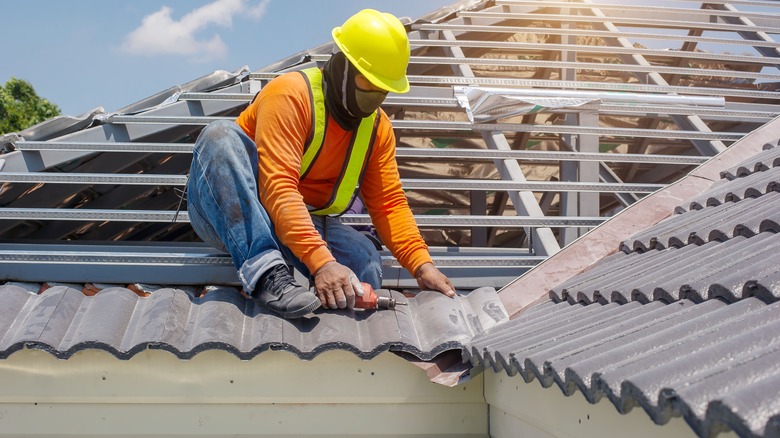
Prior to you start mounting roofing system vents, gather all essential tools and products, including a determining tape, chalk line, round saw, pry bar, roof nails, and sealant. First, note the air vent location using your chalk line, ensuring correct alignment with existing attic room insulation to prevent blocking air movement. Cut the vent opening with a circular saw, bewaring not to harm the underlying framework. Gently raise the tiles around the opening utilizing a lever. Placement the roofing vent, ensuring the incorporated roof flashing slides under the bordering tiles for a water tight seal. Safeguard the air vent with roof nails, putting them under tile layers to decrease direct exposure. Apply roof covering sealant around all nail heads and vent edges. Bring back shingles for a tidy, specialist coating.
How Roofing Ventilation Saves Energy and Stops Dampness Issues
When you install correct roofing air flow, you enable constant air movement via the attic room, which controls temperature level and moisture levels. This procedure directly influences your home's efficiency and resilience. Innovative roofing system air flow decreases too much attic room heat, so your attic room insulation keeps its R-value and your heating and cooling system works much less. If you're thinking about solar panels, optimal air flow avoids overheating, which can expand panel lifespan and increase efficiency.
Below s how roof covering air flow supplies energy savings and wetness control:
- Lowers Energy Need: Colder attic rooms indicate much less strain on a/c, specifically below photovoltaic panels.
- Stops Wetness Build-up: Proper ventilation expels damp air, avoiding condensation that weakens attic room insulation and roofing materials.
- Shields ** Architectural Integrity: ** Well balanced air movement mitigates mold and mildew, timber rot, and rust, preserving both your roof and solar panel mounts.
Easy Upkeep Tips for Roofing Vents
Although roofing vents are made for longevity, normal maintenance guarantees they remain to operate successfully and protect your home. Start by cleaning up filters on any type of powered or filtered air vent devices. Usage compressed air or a soft brush to remove debris without damaging components. When evaluating seals around ridge and soffit vents, try to find cracks, bending, or wear and tear. Replace jeopardized gaskets and use high-quality sealant to prevent dampness seepage and air leakage. Check the air vent openings for blockages like fallen leaves or nests, ensuring regular air flow. If you observe corrosion on steel vents, utilize a rust-inhibitor spray to prolong their life expectancy. During setup or regular checks, constantly confirm that fasteners remain tight and blinking is safe. These positive actions optimize your air flow system s performance and long life.
Often Asked Concerns
Can Roof Covering Vents Be Painted to Match My Roof Color?
Yes, you can have roofing system vents painted to attain smooth shade matching with your roof covering. Usage high-quality, UV-resistant paint specifically created for metal or plastic, depending on your air vent product. During setup, guarantee you tidy and prime the repainted vents extensively for maximum adhesion and long life. This technique not only improves visual allure yet also allows you to introduce your roofing system s aesthetic while maintaining correct air flow efficiency and securing the hidden materials.
Do Roof Covering Vents Attract Parasites or Pets Into the Attic?
Think of your attic as a fortress roofing system vents are evictions. If you install them with proper insect avoidance features like mesh displays and sealed edges, you ll block animal access properly. However, if you leave spaces or utilize low-grade products, animals may breach your defenses. Constantly choose vents with incorporated barriers and ensure tight installation. Innovators like you can even choose clever vent systems that monitor and sharp you to prospective intrusions.
How Noisy Are Powered Roofing Vents Throughout Procedure?

You'll see that powered roof covering vents can create modest sound degrees, particularly if the electric motor or fan blades aren't excellent quality or properly preserved. To reduce operational sound, choose models with brushless electric motors and well balanced blades. During installation, incorporate soundproofing options like vibration-dampening installs or acoustic insulation around the vent base. These ingenious techniques help you accomplish efficient ventilation while keeping a quieter attic room, guaranteeing your convenience and the system's effectiveness.
Are There Building Codes Managing Roofing Air Flow?
Imagine you re constructing your very own flying machine today s developing code demands for roof air flow are equally as crucial! You ll locate that codes define minimum ventilation requirements, commonly a 1:150 or 1:300 ratio of air vent area to attic room floor space. When you re mounting, check your regional codes they ll determine air vent kinds, placement, and air movement rates. Remaining compliant isn t practically rules; it s regarding driving technology and ensuring your setup executes effectively for many years.
Can Roofing System Vents Be Mounted on Flat or Low-Slope Roofs?
Yes, you can install roofing system vents on level roofing and low slope setups, yet you'll require to use specific vent layouts. Pick low-profile, curb-mounted, or mushroom-style vents to avoid water intrusion. Constantly placement vents at peaks for perfect airflow, and make certain they're correctly blinked and sealed. For ingenious solutions, think about powered or solar vent choices to boost air flow efficiency, specifically in flat and low-slope applications where passive air movement is limited.
Recap
When it pertains to roofing system ventilation, put on t leave it up in the air do something about it. By picking the right ridge and soffit vents, adhering to wise setup steps, and staying up to date with very easy maintenance, you ll boost power performance and avoid pricey moisture concerns. Constantly match your ventilation strategy to your climate and roofing structure for the very best results. With a little expertise and interest, you can keep your roofing system carrying out at its peak for years.