Electrical panel upgrades: what rising power demands mean for your home
Every home has a main electrical panel, often tucked away in a basement, garage, or utility closet. For decades it did its job quietly, distributing power to lights, outlets, and a handful of appliances. But today's homes run on a different electrical diet. Between electric vehicle chargers, heat pumps, induction cooktops, home offices, and entertainment systems, the load on that panel has grown far beyond what it was originally designed to handle. When the panel can't keep up, you start noticing flickering lights, tripping breakers, or outlets that feel warm to the touch. Those are signs that an electrical panel upgrade may be worth a closer look.
What an electrical panel upgrade actually involves
An electrical panel upgrade means replacing the main service panel that controls and distributes electricity throughout your home. The panel itself is a metal enclosure that houses circuit breakers (or, in older homes, fuses). Each breaker protects a branch circuit that runs to a specific area or appliance. When you turn on too many things on the same circuit, the breaker trips to prevent overheating and potential fire. An upgrade typically involves installing a new panel with higher service capacity, more available circuits, and modern safety features like arc-fault protection.
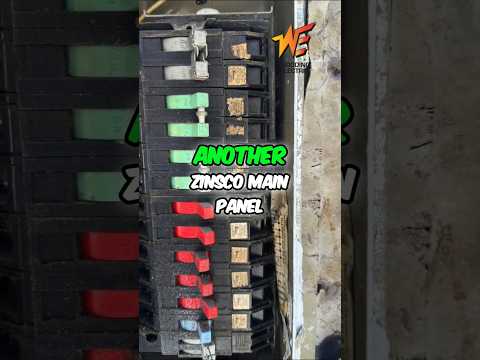
The work is not a simple swap. It requires coordinating with the local utility, pulling permits, and having a licensed electrician evaluate the existing wiring, grounding, and the overall electrical load of the house. The new panel must match the service capacity your home needs, which is determined by the total electrical load of everything you run at once. That number has been climbing steadily as homes become more electrified.
Why homes today need more electrical capacity
Twenty years ago, a typical home might have a 100-amp service. That was enough for lights, a refrigerator, a washing machine, a dryer, and a few small appliances. Today, a home with an electric vehicle charger alone can draw 40 to 50 amps while charging. Add a heat pump, an electric water heater, an induction range, and a home office with multiple computers and monitors, and that 100-amp service is pushed to its limit. Even if you don't run everything at once, you may find that certain combinations cause the main breaker to trip, which is inconvenient and, over time, can stress the system.
Another factor is the shift away from natural gas. Many homeowners are replacing gas furnaces, water heaters, and stoves with electric versions. That puts more demand on the electrical system. Without an upgrade, the panel may not have enough capacity or enough physical slots for new breakers. Adding a single large appliance like a heat pump may require a dedicated circuit that doesn't exist in the current panel. At that point, an upgrade becomes less of a choice and more of a necessity.
How an upgrade changes the way your home uses electricity
When a qualified electrician evaluates your home for an upgrade, they start by calculating the electrical load. This involves listing every appliance, light fixture, and outlet, and estimating how much power they draw together. The result determines the minimum service capacity the new panel must provide. In many cases, the upgrade moves the home from a 100-amp service to 200 amps or more. The panel itself is larger, with more breaker slots, so you have room to add dedicated circuits for new appliances later.
The new panel also brings modern safety features. Arc-fault circuit interrupters detect dangerous electrical arcs that can start fires inside walls. Ground-fault protection reduces the risk of shock near water or outdoors. And because the breakers are less prone to nuisance tripping, you spend less time resetting them. The panel enclosure itself is better sealed against dust and moisture, which matters in a garage or outdoor installation.
One practical change you'll notice: the main breaker no longer trips when you run the dishwasher, the dryer, and the heat pump simultaneously. That's because the new panel has the headroom to handle the combined load. If you plan to install a Level 2 EV charger, the upgrade will provide the dedicated circuit and capacity it needs without affecting other circuits.
Signs that your home may need an electrical panel upgrade
Not every home needs an upgrade right away, but there are clear signs that the current panel is struggling. The most obvious is frequent tripping of the main breaker or individual circuit breakers. If you find yourself resetting breakers several times a week, the panel cannot handle the load you're putting on it. Another sign is discoloration or warmth around the panel or individual breakers. That indicates overheating, which can damage the panel and increase fire risk.
If your home still uses a fuse box instead of circuit breakers, that is a strong signal that the system is outdated. Fuses are less convenient (you have to replace them when they blow) and less safe, because they can be bypassed with a larger fuse than the wiring can handle. Homes with fuse boxes almost always need a full panel upgrade to meet modern electrical codes and safety standards.
You might also notice that lights dim when the refrigerator or air conditioner kicks on. That happens when the motor startup draw pulls voltage down on a shared circuit. While a single dimming event isn't dangerous, frequent or deep dimming suggests the circuit is overloaded or the panel lacks the capacity to handle the inrush current. An upgrade can separate those loads onto dedicated circuits, preventing the voltage drop.
Finally, if you are planning a major renovation, adding an accessory dwelling unit, or installing a heat pump or EV charger, the existing panel almost certainly needs an upgrade. Builders often design new homes with 200-amp service as a baseline. Older homes with 60- or 100-amp service simply don't have the headroom for modern loads. Rather than patching the system with add-ons, a full panel upgrade gives you a clean slate.
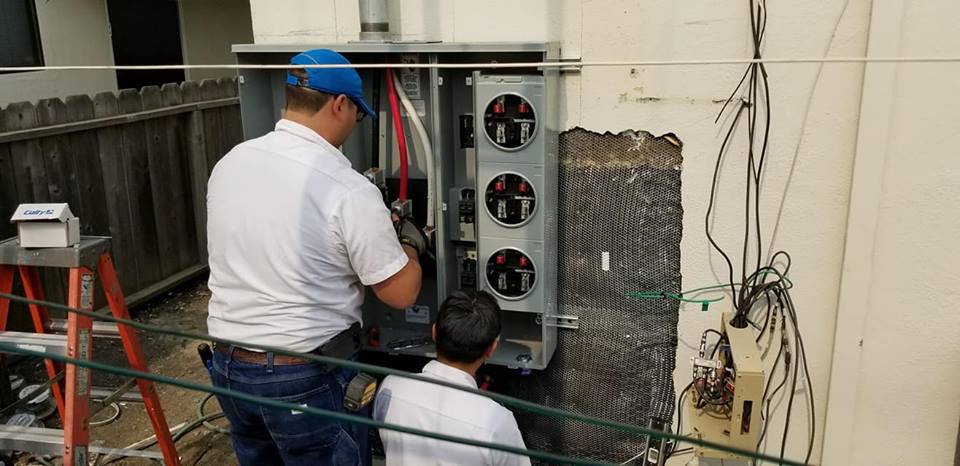
Wooding Electric evaluates, replaces, and upgrades electrical panels for homes and properties in San Jose and nearby Bay Area communities. If your home shows any of these signs, it may be time to have the panel inspected by a qualified electrician who can calculate the load and recommend the right service capacity.
What to expect during an electrical panel upgrade
The upgrade process begins with an inspection and load calculation. The electrician examines the existing panel, the wiring, the grounding system, and the meter base. They also look at the condition of the branch circuits running through the house. If the wiring is old or undersized, it may need to be replaced as part of the upgrade, especially if you are increasing the service capacity. The utility company must be notified, and in many cases, the meter and service entrance cable will be upgraded to match the new panel's rating.
Once the plan is set, the electrician obtains the necessary permits. The work itself typically takes one to two days. During that time, the house will be without power for several hours while the old panel is disconnected and the new one is installed. The electrician will coordinate the shutdown so that you can plan around it. After the new panel is mounted and wired, the utility company connects the service and the inspector signs off on the work.
After the upgrade, you will have a panel with clearly labeled breakers, plenty of spare slots for future circuits, and a higher service capacity that matches your actual needs. The system will be safer, more reliable, and ready for whatever appliances or devices you add in the coming years.
Is an upgrade right for every home?
Not every home needs a full panel upgrade. A home with a 150-amp or 200-amp service that already has spare breaker slots may only need a subpanel or a few additional circuits. An electrician can evaluate whether your current panel has the capacity and physical space to add the loads you plan. If the panel is relatively new and in good condition, an upgrade may be unnecessary. However, if the panel is more than 30 years old, uses fuses, or has no room for additional breakers, an upgrade is the safer and more practical route.
The decision also depends on your future plans. If you intend to stay in the home for several years and expect to add electric appliances or an EV charger, investing in a panel upgrade now avoids the cost and disruption of doing it later. If you plan to sell, an updated electrical panel can be a selling point, especially for buyers who value modern, efficient homes. Real estate agents in markets like the Bay Area often note that a home with a recent electrical panel upgrade requires one less major negotiation point.
In older homes, the panel upgrade is often part of a broader electrical modernization. The wiring, outlets, and grounding may all need attention. A qualified electrician can give you a complete picture of what your home's electrical system needs, not just the panel itself. That kind of thorough evaluation saves money and headaches in the long run.
Wooding Electric works with homeowners to assess their current panel and determine the right upgrade path. A professional evaluation starts with understanding what you run today and what you plan to add, then sizing the panel accordingly. The goal is a system that meets today's demands without guessing at tomorrow's.