Discovering Your Herd: Equine-Facilitated Mentoring for Link and Belonging
I keep in mind the first time I enjoyed a client's shoulders drop close to a constant bay gelding named Finn. She had actually arrived tight as a drum, breath caught up high in her chest, and stood beside the arena urging she did not "do steeds." Finn stood at a distance, grazing on a hay internet. Ten minutes later, via a couple of simple breath signs and a soft technique, they were strolling alongside. No halter yet, no stress, just her existence and his acceptance. She whispered afterward, nearly stunned, "I really felt seen." That is the heart of equine-facilitated mentoring, the means horses seem to invite us back right into our bodies, our honesty, and our sense of belonging.
Why equines aid us locate connection
Horses reviewed the world via feeling, stress, pose, and purpose. They reply to the power we bring, not the story we inform. An equine does not care about your work title, your medical diagnosis, or your armor of clever words. It cares about whether you are coherent, grounded, and respectful of room. When a thousand-pound prey pet recognizes you, matches your breathing, or actions toward you, the comments lands in a much deeper place than language.
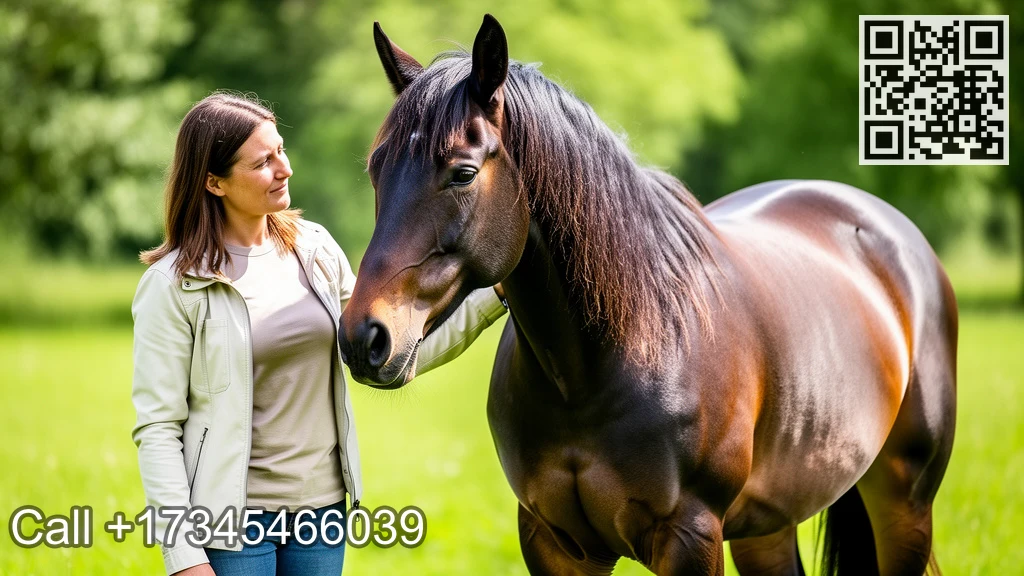
That is one reason equine-facilitated mentoring commonly assists individuals who really feel disconnected from themselves or from others. The sector becomes a location where congruence matters greater than efficiency. If your inner state does not match your outer signals, a horse will reveal it through motion. If your body softens, your breath slows, and your intention ends up being clear, the horse will frequently soften with you. The outcome is not just understanding, but a really felt shift. For several, specifically those that have actually tried talk-based supports without full alleviation, experiential learning with steeds introduces a new doorway.
Sorting the area: training, tasks, and therapy
The equine field includes several methods, and the alphabet soup can be complex. Below is how I describe it to families, medical professionals, and organizations deciding where to begin:
Therapeutic horsemanship describes a broad group that includes mounted and unmounted activities shown by certified riding trainers who adapt the environment to support bikers with diverse demands. It usually develops balance, coordination, interaction, and confidence. Many centers include equine-assisted activities that promote recreation abilities, social link, and learning without necessarily targeting scientific diagnoses.
Equine-assisted solutions is an umbrella term some organizations make use of to catch the wide variety of assistances used with equines. Programs might include riding lessons, ground-based knowing, experts sustain, and health workshops.
Equine-assisted mentoring, also called equine-facilitated training, focuses on personal or expert growth using ground-based workouts. The train overviews reflection and skill building around goals such as borders, leadership, communication, and resilience. There is no medical diagnosis or treatment strategy, and the process complements, rather than replaces, therapy.
Clinical equine therapy engages qualified mental health and wellness professionals or physical therapists that use the equine as part of a therapeutic strategy. You could see this for trauma therapy, anxiety support with equines, or sensory combination job within an autism equine finding out program.
Centers usually mix offerings. You may see equine-facilitated wellness groups on weekends, ADHD equine discovering assistance after college, and team building with steeds for local organizations. The key is to match the technique to the objective. If you desire leadership method and symbolized confidence, mentoring fits. If you need to treat PTSD or an eating condition, seek mental health experts who integrate equines right into therapy.
What equine-facilitated training really looks like
A good coaching session is not a horse experience. No helmets needed unless the program consists of placed time, and much of the work occurs on the ground. I commonly begin in a quiet area, present the equine at liberty or on a loose lead, and co-create a plan with the client. Objectives can be as straightforward as discovering to establish and hold a border line, or as facility as bring back trust after work environment burnout.
In practice, the arena comes to be a living laboratory. If you rush, the steed wanders away. If you center on your own and ask plainly, the steed transforms and progression. There is nobody ideal method. Some customers lead a steed with challenges to explore how they handle stress. Others stand still and find out to tolerate closeness without collapsing their very own demands. The knowing has a tendency to land because the body gets involved. You are not just discussing boundaries, you are exercising one with a responsive partner.
A first session, action by step
Arrive and work out, with a short safety and security short that includes where to stand, how to touch, and when to pause. Grounding technique, such as box breathing or a sensory check-in, to aid your nervous system shift into a receptive state. Meet the equine at a range, observing pose and signals, after that pick just how to approach. Engage in a simple task, like asking the equine to walk with you at a matched rate or to stop at a cone while you hold a limit rope. Debrief with your trainer, seeing where the task mirrored everyday patterns, and established one small method to reclaim right into your week.
That arc can unfold in numerous ways. If stress and anxiety flares, we decrease. If a client is kinetic, we might set a movement-rich task that includes weaving posts, backing up with clear hand signals, and resetting when interest leaps. The horse's comments keeps us honest.
What the equines show our bodies
Clients usually ask why this functions when they have currently check out the books and attempted to assume their means to change. Steeds instruct with somatic channels. If you are holding your breath without discovering, a steed leaning far from you will make that pattern noticeable. If your feet hardly touch the ground after years in high-alert mode, you will locate it difficult to lead a steed with quality till you root on your own. That is somatic recovery with equines, the means body discovering and emotional knowing pigtail together.
There is additionally the matter of co-regulation. Many individuals find their heart price and muscle mass tone change around tranquil steeds. The barn uses rhythm, from hooves on dirt to distinct breath. Brushing welcomes bilateral activity and a gentle pressure touch that can downshift a jangly nerve system. While not a cure-all, this environment supplies a scaffold that chat alone can not. I have actually seen clients tracking stress go from a 8 to a four in twenty minutes, then hold that change while browsing a challenge course with their equine companion. It is not magic, simply a clear comments loop.
Who involves the arena
I deal with a large arc of people. Some seek equine-facilitated health after a life transition, like a divorce or occupation change. Others come after exhaustion or a creative block. Moms and dads bring kids for ADHD equine discovering support when school comes to be a day-to-day battle. People with sensory sensitivities explore a different therapy for sensory obstacles because interior clinics feel too intense and limited. Autistic teenagers sign up with an autism equine discovering program developed around predictability and choice, not forcing eye call or little talk. Adults with panic signs and symptoms come for anxiety assistance with horses to practice breath and boundary abilities in a setup that really feels risk-free enough but real sufficient to https://www.hhooves.com/selfarmcamp stretch.
For groups, group building with horses surface areas characteristics quicker than a conference room can. I have watched a team recognize that three of them repeatedly over-function, one goes away under stress and anxiety, and none of them asks easily for aid. The steed will certainly not move through the challenge up until the team adjusts its functions. That lesson returns to the workplace on Monday morning.
Safety, ethics, and reasonable edges
A responsible program places safety initially, for both human beings and steeds. You must constantly see a skilled equine trainer or teacher existing, also in pure training sessions. Facilities should have clear regulations around helmets if riding is involved, emergency procedures, and equine well-being. The equines themselves require normal remainder, turnout, and the right to state no. If a horse pins ears, steps away, or looks tense, your facilitator must respond quickly and readjust the plan.
Not every condition is a suitable for every format. If someone has a history of violence toward pets, I will certainly not start in the sector. If a client has unrestrained seizures or is in acute psychosis, I describe a professional team. Individuals with extreme allergies might require a modified strategy that restricts grooming or utilizes an exterior space with masks. The ethical line is this: suit solutions to the person, not vice versa, and do not push the equine or the human right into situations they can not browse safely.
A couple of stories from the rail
A forty-year-old item supervisor concerned rebuild confidence after a harmful task. Her words were stable, however her body concealed bracing in the shoulders and a routine of apologizing for whatever. With a patient draft cross, we exercised walking with objective and quiting without shrinking. By week four, she could ask for area with one silent breath and a hand increased, after that maintain that boundary for a full minute while the equine tested carefully. She reported utilizing the very same motion in stressful meetings, minus the horse, to excellent effect.
A fourteen-year-old with ADHD got here with a backpack loaded with fidget tools and a background of detentions. He enjoyed speed and hated waiting. We set up an obstacle training course that awarded micro-pauses. The policy, specified just, was that the horse can stagnate onward until the trainer's feet were still and his eyes had actually scanned three points ahead. The first shot appeared like a tangle. By the fifth, his feet planted, breath boiled down, and the horse walked efficiently via. He timed his own runs and cut seconds not by hurrying, however by stopping with objective. His mama later saw he utilized the same technique for homework, examining steps out loud prior to starting.
A moms and dad of a child with autism came because consultations felt like a revolving door of motivates and stickers. In the field, we offered her child selections: which clean to utilize, whether to approach from the shoulder or the rump, when to tip away. The kid enjoyed the predictability of brushing strokes and the weight of leaning lightly versus the horse's shoulder. After numerous sessions, transitions at home enhanced when the household included a brief "barn regimen," also without an equine, that simulated grooming's rhythm prior to bedtime.
How groups discover with horses
Horses are extremely fair about leadership. They react to clearness, uniformity, and shared respect. A team-building session might include moving a loose equine with a set of cones without touching the pet, just by collaborating stance, area, and intent. This exposes who speaks up, that listens, where dispute avoidance lives, and just how the team deals with ambiguity. The learning is sticky due to the fact that it is really felt. When a group experiences that the equine relocates ideal when the quiet analyst maps the path and the character regulates volume, it re-weights duties back in the workplace.
I choose tiny groups for team building, typically 6 to twelve participants, with at the very least 2 horses and two facilitators. That ratio provides space for observation and method. Debriefs matter more than the obstacle. If the group misses the discovering and just commemorates "we did it," we have actually shed the gold.
Preparing for your initial visit
The usefulness are simple, though not constantly evident to metropolitan customers. Put on closed-toe shoes and layers you do incline cleaning off. Leave hanging scarves and loud fashion jewelry in the house. Plan for the weather. Bring a canteen, and if you are scent-sensitive, let the staff understand so they can choose a quieter grooming area. If you fidget, state so. Great facilitators value sincerity greater than bravado.
Shorter sessions of 45 to 60 mins are usually much more reliable than long marathons. Your nerve system can take in just a lot uniqueness at the same time. A collection of five to 8 conferences, spaced weekly or every other week, often tends to produce recognizable changes. You will understand the job is landing when the modifications you feel with the horse turn up in challenging discussions or morning routines.
A simple checklist to set on your own up for success
Comfortable, durable shoes and weather-ready clothes you do incline getting dusty. A clear, modest goal for the day, like "method stating no" or "see my breath under anxiety." Willingness to stop and call what you are really feeling, also if it is messy. A plan to incorporate one small technique in between sessions, such as three minutes of based standing before phone calls. Communication with your other providers if you are additionally in treatment or OT, so sustains align.
Measuring progress without obtaining rigid
People ask for metrics. It is fair to want proof that time and money are well invested. Some centers utilize official devices, others stay casual. I motivate a crossbreed. Before you start, pick two or 3 indications that would inform you life is obtaining less complicated: fewer shutdowns at the office, far better sleep onset, even more comfy eye get in touch with, less institution disasters. We additionally take a look at body markers, like breath price throughout an obstacle or the moment it requires to resolve from agitation.
Quantify where you can. If panic spikes daily, track frequency and duration each week you participate in. If your group's communication breaks seven times in a two-hour meeting, check that number once more a month after your sector day. Maintain the measures regional and honest. Equines aid most when the focus remains on feature, not on exciting a spreadsheet.
Working with youngsters and sensory differences
For youngsters with sensory processing distinctions, the barn atmosphere can be a variety. Sounds resemble. Hay can itch. Natural leather has a solid scent. Those elements can overwhelm, or they can act as exposure with control. Great programs readjust the sensory tons. This could look like using quiet hours, grooming behind-the-scenes with natural light, or starting with discuss a sheepskin pad prior to transferring to a curry comb. For some youngsters, installed time at the walk, with a sidewalker and a leader, provides deep stress and vestibular input that assists regulation. For others, the tranquility of standing with a steed and matching breath functions better. Alternative treatment for sensory obstacles must never ever be a one-size script.
ADHD equine discovering assistance succeeds when it channels movement and benefits focus, not reductions. Develop jobs that have start lines, finish lines, and a possibility to reset without shame. Provide immediate, concrete feedback. Allow the steed's rhythms do several of the training. Youngsters find out quick when the lesson is embodied and the risks feel actual but kind.
Credentials, inquiries, and choosing a program
Vet your providers. Ask what certifications or licenses they hold. Trainers might bring credentials in restorative horsemanship from companies that train adaptive riding experts. Equine professionals might be experienced trainers with years of steed care and behavior. Trainers may have ICF or various other coaching accreditations plus additional research study in equine-facilitated coaching. If you are seeking clinical job, confirm that a certified mental health and wellness specialist or physical therapist is genuinely included, not simply spoken with once.
Walk the residential or commercial property. Search for tidy water pails, secure fence, and horses with brilliant eyes and free activity. Ask how many sessions each horse does per day. The answer needs to be modest, with rest and turnout integrated in. Ask about safety methods, emergency situation strategies, and just how they match steeds to customers. A thoughtful answer signals maturity.
Listen to your gut during a test visit. If you feel hurried, unheard, or hazardous, attempt one more program. The best fit issues greater than the best brand name.
Cost, accessibility, and equity
Prices differ. In my region, personal training sessions with steeds run from 100 to 250 dollars for an hour, with group prices reduced each. Medical treatment integrated with equines can set you back more, and insurance coverage is blended. Some facilities offer scholarships, gliding scales, or area gives. Veterans teams and nonprofits typically underwrite services for certain populations. Ask. If cost is an obstacle, think about small team styles or short, focused collection. Quality beats amount. 4 well-timed sessions can move a pattern if you practice in between them.
Access also includes transport and mobility. If a customer makes use of a mobility device or pedestrian, ground-based work at a properly designed center can still be abundant, making use of installing ramps for closeness, taller pet grooming blocks, or changed lead work. Inquire about availability alternatives in advance of time.
When it is not the right path
Horses are except everyone. A deep worry of big animals that does not soften with time can make the job extra concerning survival than discovering. Allergic reactions in some cases rule the barn out. Some individuals like water or music as their main restorative practice. That is fine. The principle below equine-facilitated coaching is relational, somatic learning with receptive feedback. You can locate that with dogs in canicross, with rock in a climbing health club, or with trees on a trail. If you attempt horses and it does not click, recognize that and select an additional course towards belonging.
Bringing the discovering home
The finest outcomes come when you equate arena understandings right into day-to-day routines. If you located that planting your feet and taking a breath out invited Finn to tip towards you, examination that stance prior to a challenging conversation with your young adult. If your group uncovered that silence helped the horse pick, develop a five-second time out before answering concerns in meetings. Little techniques, repeated, re-shape patterns.
I had a customer that taped a photo of her steed partner next to her computer system monitor with one phrase below it: match your inside to your outside. On days when her calendar swelled and her jaw began to ache, she glimpsed left, stood, felt the floor, and allow her breath go down an inch. That thirty-second reset transformed the quality of her next conversation. Over time, it transformed her quality of life.
Finding your herd
Belonging is not only about other people. It is additionally concerning belonging to your very own body and internal knowing. Horses have a tendency to fulfill us there, in the gap between just how we believe we are and just how we actually are. When a pet that could leave chooses to stay, when it turns its ear toward your voice and strolls with you, a thread draws limited in between nervous systems. That string can advise you how to be with on your own, then with others.
Whether you are a parent seeking a steadier rhythm in your home, a leader wanting cleaner boundaries, or a teen that needs a room where words are optional, equine-assisted training offers a grounded means forward. It lives within the more comprehensive landscape of equine-assisted services, together with restorative horsemanship, equine-assisted activities, and professional treatments. The ideal suit relies on your goals. Ask questions, browse through barns, depend on your sense of fit, and pick the program that appreciates both human and horse.
I still consider that first client with Finn. She arrived particular that link had slipped out of reach. She entrusted to hay on her sleeve and a silent smile. The field did not fix her life. It did something less complex and extra profound. It reminded her that belonging is a practice, found out step by step, breath by breath, with an instructor that speaks in hooves and silence and presence.