Constructing our Future of Construction: How Accurate Surveys Shape Structures
In fast-paced construction and renovation landscape, accurate data is vital for effective project planning and execution. Measured building surveys play a pivotal role in this process, providing detailed and exact information about a property's dimensions, attributes, and existing conditions. These surveys help designers, property developers, and construction professionals to make knowledgeable decisions, confirming that structures are crafted and erected with clarity and security. As we delve into the world of measured building surveys, we will discuss their value, benefits, and the technologies that are revolutionizing how they are performed.
From supporting complex renovation projects to ensuring compliance with regulations, the insights gained from a measured building survey can significantly impact the outcomes of construction initiatives. By grasping how these surveys relate with various aspects of building design and management, professionals can enhance their methods, foster efficiency, and ultimately design resilient, well-planned spaces. Join us as we guide the intricacies of measured building surveys, providing a thorough guide to this vital tool in the architecture and construction fields.
Comprehending Calculated Building Evaluations
Measured construction surveys consist of the accurate gauging and registration of a building's measurements and attributes. This form of survey documents the physical features of properties, such as floor designs, elevations, sections, and specific details of design elements. The purpose is to produce precise models that can be employed for multiple functions, such as revamping, development design, and asset management. Understanding the value of quantified surveys is essential for professionals engaged in the constructed environment, as they lay a groundwork for efficient design.
These surveys are crucial for architects and technicians, as they offer the insights needed to make informed decisions during design processes. By employing scanned dimensions and specialized surveying equipment, specialists can gain thorough understandings into a structure's existing conditions. This precision minimizes risks associated with renovations or additional constructions, ensuring that suggested changes match with the actualities of the current environment. Thus, quantified construction surveys serve as an indispensable tool in avoiding significant blunders and facilitating seamless initiative processes.
Additionally, the evolution of surveying techniques has greatly improved the detail and exactness obtainable in these surveys. Methods such as light detection and ranging scanning and 3D representation enable for comprehensive charting of complex facilities, yielding insights that is not only precise but also more straightforward to visualize. As Check over here , participants can more easily grasp their initiatives and work together effectively. Regardless of if for domestic, business, or historical revisions, calculated property surveys are indispensable for preserving the stability and operability of constructed environments.
Benefits and Applications
Executed building surveys yield a range of benefits that are crucial for numerous sectors in construction and design. One of the primary advantages is the accuracy of data obtained, which makes certain that architects and engineers can trust accurate measurements when developing plans. This precision diminishes the chance of costly errors during construction, ultimately preserving time and resources. With the cornerstone of accurate information, renovation projects can continue smoothly, improving the overall productivity of the build process.
In addition, measured building surveys play a crucial role in supporting renovation and restoration projects, particularly for historic buildings. These surveys not just record the current state of a structure but also help with maintaining its historical integrity. They deliver the essential data necessary for making knowledgeable decisions regarding restorations and adaptations, ensuring that any work done complies with historical preservation standards. This is crucial for preserving the visual and cultural value of such properties.
Moreover, the applications of measured building surveys span diverse industries, including commercial real estate, urban planning, and facilities management. These surveys assist property developers in making wise investment decisions and maximizing space utilization. By utilizing advanced surveying technologies, such as laser scanning and 3D modeling, professionals improve their capabilities to see and design intricate designs. This innovation leads to better space planning and design, showcasing the versatility and value of measured building surveys in modern construction practices.
Future Trends and Techniques
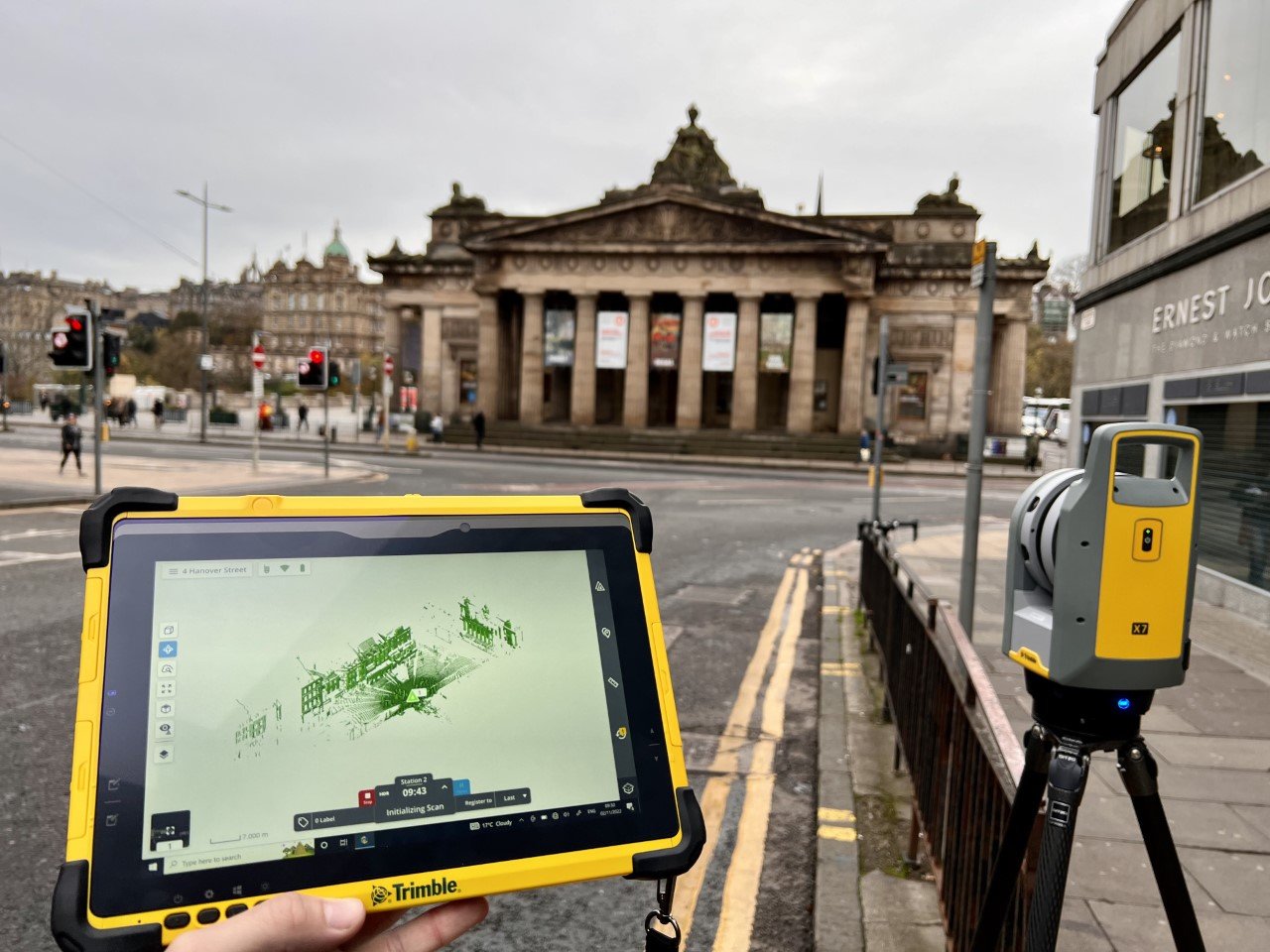
As technology continues to advance, the future of measured building surveys is being transformed by innovations that enhance accuracy and effectiveness. One significant trend is the rising use of 3D scanning and photogrammetric techniques. These methods allow surveyors to obtain detailed spatial data quickly, producing highly accurate 3D models of buildings and environments. This innovation not only improves the precision of measurements but also supports better representation of designs, helping investors make educated decisions throughout the development and construction processes.
Another developing trend is the merging of Digital Building Information with building surveys. BIM enables the production and management of data in a computational format, which is increasingly being connected with survey findings. This linkage allows building professionals and construction engineers to work with real-time data, reducing gaps between blueprints and the actual constructed environment. As more developments adopt BIM methodology, the dependence on accurate measurement processes will only grow, positioning them as a critical element in the planning and carrying out of construction projects.
Lastly, the growing adoption of drones is poised to change the way measured building surveys are conducted. Drones can efficiently access remote areas, collecting detailed aerial views and landscape details that would traditionally require considerable manual labor. This not only saves time but also lowers costs and enhances the breadth of data acquisition. As these tools continue to progress, they will restate the benchmarks for precision and effectiveness in the field of surveying, paving the way for more creative building practices.