How to Avoid Emergency Furnace Repairs
Middlefield winters are hard on heating equipment. A gas furnace works long hours from the first frost through the late spring cold snaps that slide down Route 66. A little attention now prevents those 2 a.m. no-heat calls and the scramble for space heaters. This article lays out practical steps any homeowner can take to avoid emergency furnace repairs, with clear signs that mean it is time to bring in a professional. It also explains how Direct Home Services supports Middlefield, CT, with fast, reliable gas furnace services, from routine tune-ups to emergency heating service.
Why emergencies happen in Middlefield homes
A furnace rarely fails without warning. The early clues tend to be small: a burner that struggles to light, a blower that runs longer than usual, or a metallic tapping when the draft inducer motor starts. In Middlefield’s semi-rural setting, furnaces face frequent short cycling due to clogged filters, restricted returns in older homes, and thermostat placement near drafty doors. Add long run times during Connecticut cold snaps and a neglected annual tune-up, and minor issues become expensive breakdowns.
Direct Home Services sees the same pattern each season across Lake Beseck cottages, Jackson Hill colonials, and newer homes near Reeds Gap. The core problems are predictable, the fixes are straightforward, and most emergency calls could have been avoided with three things: clean airflow, stable ignition, and verified safety controls.
Keep airflow clean and steady
Airflow is the backbone of a forced-air heating system. A dirty air filter strains the blower fan, overheats the heat exchanger, and triggers limit switch trips. That cycle repeats until a part gives out at an inconvenient hour.
For most Middlefield homes, replacing the filter every one to three months is enough, though homes with pets or ongoing renovations may need monthly changes. MERV 11 filters capture fine particles while allowing good airflow. MERV 13 improves capture of smaller particulates but can restrict airflow in older systems if the return and duct sizing are marginal. If a furnace trips the high-limit switch after upgrading to MERV 13, it may be better to use MERV 11 and schedule a duct evaluation.
Airflow depends on more than the filter. Return grilles covered by furniture or stacked storage bins starve the blower. Closed bedroom doors can unbalance supply and return, raising static pressure and noise. If rooms feel stuffy or the furnace cabinet panel vibrates on start-up, it is worth a quick walk-through to open returns and confirm unblocked vents.
Protect the ignitor and burners
Most modern gas furnaces in Middlefield use hot surface ignitors. These parts run hot and fail with age or contamination. Hands-on technicians know that a clean burner assembly and flame sensor extend ignitor life and prevent intermittent starts that lead to emergency calls on cold nights.
During an annual tune-up, a technician should remove and clean the flame sensor with a non-abrasive pad, vacuum the burner compartment, and inspect the gas valve operation. Yellow flames, lazy burn, or a delayed ignition pop indicate dirty burners or improper gas pressure. A cracked or corroded burner can cause rollout and trip the rollout switch. These conditions should be corrected before temperatures drop near Powder Ridge and the furnace runs nonstop for days.
Watch the draft inducer and venting
The draft inducer motor clears combustion gases and establishes proper vent draft. A metallic rattling on start-up or a rising humming noise often comes from a failing bearing or debris in the wheel. In Middlefield’s mix of natural gas and propane furnaces, cold morning starts place extra stress on weak motors. Catching an inducer motor before it seizes prevents emergency shutdowns and potential safety lockouts.
Venting matters as much as the motor. Standard vent pipes must have proper slope back to the furnace to drain condensate where present. High-efficiency condensing furnaces with PVC venting need correct termination and clear condensate drains. Algae growth in the condensate trap, a sagging line, or a cracked fitting can cause intermittent pressure switch faults and short cycling. A tune-up that includes a pressure reading at start-up helps spot these early.
Respect the heat exchanger
The heat exchanger separates combustion gases from household air. If it cracks, carbon monoxide can enter the supply air stream. Small fractures often start as hairline cracks near stress points and expand over repeated heat cycles. A professional should inspect the heat exchanger under good lighting with mirrors or video scope, especially on furnaces over 10 years old. Any suspected crack calls for a safety evaluation and a replacement plan.
Direct Home Services’ technicians specialize in inspecting the heat exchanger for hairline fractures and confirming safe operation. If the home has frequent short cycling, they look for causes such as a dirty filter, blocked return, or an improperly set fan profile that overheats the exchanger.
Calibrate controls and thermostat placement
A thermostat near a drafty entry or above a supply register can trick the furnace into short cycling. In older Rockfall homes and split-level layouts, relocating the thermostat to an interior wall at chest height improves run times and comfort. Technicians can adjust fan profiles on many modern furnaces to lengthen blower off-delay, allowing the heat exchanger to cool correctly and deliver the last bit of stored heat.
Control safety devices matter as well. Limit switches that trip often may be accurate and simply reporting a real problem. Ignoring frequent resets risks heat exchanger damage. A diagnostic visit that records temperature rise across the furnace and checks static pressure gives clear answers and avoids guesswork.
Signs that point to a likely emergency
Certain sounds and symptoms deserve attention before the next cold front. If the furnace is short cycling or producing a metallic banging noise, it could indicate a failing draft inducer motor or a clogged air filter. Clicking without ignition suggests an ignitor malfunction or gas valve issue. A yellow pilot light or main burners with yellow tips signal combustion problems and a carbon monoxide risk. Uneven heating across rooms hints at a blower motor that is slowing, duct leakage, or a dirty evaporator coil in a combined HVAC system.
Homeowners often report that the furnace “works after a reset” and then fails again a day later. That pattern usually escalates to a no-heat call during the coldest nights, when the system runs hardest. Acting gas furnace services early prevents the after-hours dispatch and the stress of a house cooling down.
The role of annual tune-ups
An annual tune-up is the lowest-cost way to prevent emergency failures and high utility bills. In Middlefield, timing the service for late September or early October works well. A thorough visit includes combustion analysis for gas furnaces, a check of temperature rise, inducer and blower amperage, ignition timing, and safety controls. The technician should also clean the flame sensor, verify the integrity of the vent pipe, inspect the burner assembly, confirm gas valve operation, and test the limit switch.
Direct Home Services offers a $99 Seasonal Furnace Safety Inspection to catch these issues before the first frost. This visit includes a 21-point safety inspection with attention to the heat exchanger, draft system, and blower performance. Technicians bring common wear parts like ignitors and limit switches, so minor repairs can be completed on the spot.
Middlefield-specific heating realities
Middlefield and Rockfall sit in a valley where moisture and overnight lows make frost common from October through April. Homes near Lake Beseck face wind across the water, which increases heat loss and exposes weak system sizing. Historic colonials around Jackson Hill and Baileyville often have mixed duct systems or limited return paths, which cause uneven heating.
Direct Home Services understands these conditions and builds solutions that match local needs. The team installs high-efficiency condensing gas furnaces with modulating burners to maintain stable temperatures during long cold snaps. In homes with propane tanks, a two-stage propane furnace can run at low fire most of the season, then ramp up during storms. Careful attention to vent routing, condensate management, and filter selection protects reliability through the winter.
Brands, parts, and the value of compatibility
A well-matched system runs longer and fails less. Direct Home Services provides expert maintenance for all major manufacturers including Rheem, Bryant, York, and Goodman. As a Carrier authorized specialist, the team offers Infinity series furnaces with high AFUE ratings, variable-speed blowers, and smart thermostats that reduce short cycling and improve dehumidification during shoulder seasons. Homeowners who prefer top-tier performance can also choose Trane, Lennox, or American Standard options.
Critical parts must match the furnace model. Thermocouples, limit switches, and gas valves vary by brand and firing rate. Off-brand components can create nuisance lockouts and poor combustion. Technicians stock OEM-compatible parts for faster, cleaner repairs that hold up through harsh weather.
Safety first: carbon monoxide and venting codes
Carbon monoxide incidents are rare but serious. Any unexplained headache, fatigue, or dizziness near running equipment needs immediate attention. A CO detector should sit on each level, including near bedrooms. Proper vent pipe slope, secured joints, and correct termination height reduce risk and improve performance. Direct Home Services’ CT S-1 licensed and NATE certified technicians install and service systems to local mechanical codes, with attention to vent clearances around snow lines that pile up near Powder Ridge and along the Coginchaug River.
Practical steps homeowners can take this week
Replace the air filter and note the date on the frame. If unsure, start with MERV 11 and monitor airflow and comfort. Vacuum return grilles and make sure furniture or drapes are not blocking them. Keep registers open in living spaces. Stand near the furnace at start-up. Listen for delayed ignition pops, metallic rattles, or grinding. Note any odors. Check the thermostat location. If it sits near an exterior door or supply register, ask about relocation. Test carbon monoxide detectors and replace batteries. Confirm the manufacture date; most detectors expire in five to seven years.
These simple tasks catch the common problems that lead to emergency heating service calls. If anything seems off, schedule a tune-up before the next cold spell.
What a professional inspection covers
A proper furnace inspection in Middlefield should read like a checklist of specific tests rather than a quick visual look. Direct Home Services focuses on these essentials: combustion analysis for correct air-fuel ratio, heat exchanger inspection for cracks or hot spots, burner assembly cleaning, flame sensor cleaning to prevent ignition lockout, draft inducer motor testing, and verification of gas valve operation. The technician measures temperature rise across the furnace, confirms static pressure in the duct system, and checks blower motor bearings and capacitors.
This level of detail matters, especially for high-efficiency condensing furnaces. The condensate trap and drain must be clear, and the vent pipe must have proper slope and solvent-welded joints. A small oversight there can cause intermittent pressure switch trips and weekend failures.
Repair versus replacement: making the call
No homeowner wants surprise replacement news. Still, there is a clear point where continued repairs cost more than a new furnace. The rule of thumb is simple: if the unit is 15 to 20 years old and needs a major part such as a heat exchanger, blower motor, or control board, a new high-efficiency unit often lowers total cost over the next five to ten years.
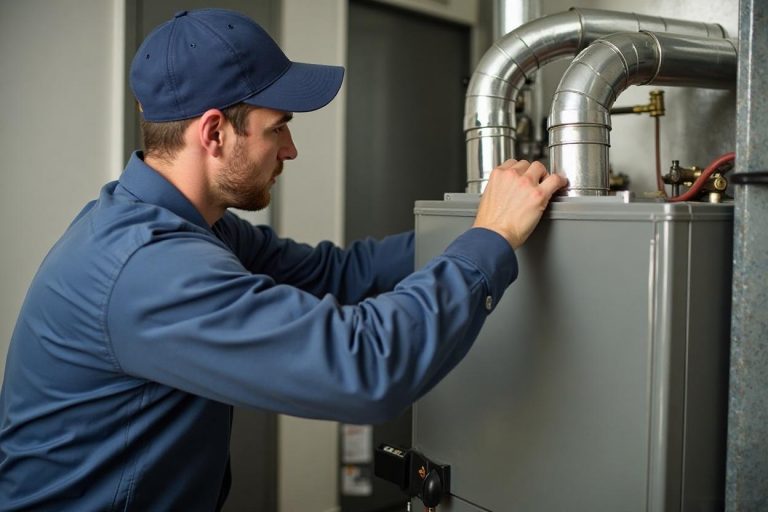
High-efficiency condensing furnaces deliver 90%+ AFUE and up to the mid-90s. A modulating or two-stage furnace with a variable-speed blower reduces temperature swings and can cut gas usage by a meaningful amount in Connecticut’s long heating season. Direct Home Services expert gas furnace services provides free estimates, Energy Star rated options, and financing for Middlefield homeowners. The team sizes equipment based on heat loss, not just the old nameplate, to fix cold rooms and improve airflow.
Local response, real timelines
A fast response matters during a blizzard. Direct Home Services offers 24/7 emergency dispatch and priority heating repairs throughout the 06455 and 06481 areas. The shop sits near Lyman Orchards, which allows short drive times to the Coginchaug Valley, Rockfall, and the neighborhoods around Lake Beseck. Technicians carry common parts for Goodman, Bryant, and Rheem systems, so most fixes wrap up in a single visit even after hours.
Middlefield Heating FAQ
How often should a gas furnace be serviced? Annual service is the standard. For homes with long runtimes or propane systems, a mid-season check can pay off, especially after a stretch of subfreezing weather.
Why does the furnace start and stop every few minutes? Short cycling often comes from a clogged filter, improper thermostat placement, a faulty limit switch, or an undersized return. It can also point to a failing draft inducer or pressure switch. This condition stresses the heat exchanger and should be corrected before it causes a shutdown.
What does a yellow pilot light mean? A yellow pilot or yellow-tipped main flame indicates poor combustion. Causes include dirty burners, incorrect gas pressure, or a venting issue. This has a carbon monoxide risk and should be evaluated right away.
Can a cracked heat exchanger be repaired? No. A cracked heat exchanger is a safety issue and requires replacement of the heat exchanger or the entire furnace. A licensed technician should document the finding and discuss options.
Is it worth upgrading to a modulating furnace in Middlefield? For many homes, yes. A modulating or two-stage furnace with a variable-speed blower improves comfort, reduces temperature swings, and often lowers gas bills. It also reduces start-stop stress on parts, which helps prevent emergencies.
Do you service Rockfall and Durham? Yes. Direct Home Services covers Middlefield, Rockfall, Middletown, Durham, Meriden, Wallingford, and Higganum. The team provides rapid response across Middlesex County.
What brands do you support? The team services all major brands including Goodman, Bryant, York, and Rheem. As a Carrier authorized specialist, they install the Infinity series and support Trane, Lennox, American Standard, and Mitsubishi hybrid systems.
Are your technicians licensed? Yes. Technicians hold Connecticut S-1 heating licenses and NATE certifications. Installations meet local mechanical codes and manufacturer requirements.
Do you offer warranties? Yes. Repairs come with parts and labor coverage. New furnace installations include manufacturer warranties. Ask for details based on the chosen model.
What special offers are available now? Middlefield homeowners can schedule a $99 Seasonal Furnace Safety Inspection. It includes a 21-point check to prepare for winter and reduce the risk of an emergency call.
A closer look at common trouble spots
Dirty flame sensor: A thin oxide layer interrupts the proof-of-flame signal. The furnace lights, then shuts off after a few seconds. Cleaning restores the signal and stops repeated ignition attempts.
Blower motor failure: Early signs include a rising hum, warm air that feels weak at supply registers, and tripped breakers. Capacitor replacement can save a motor if caught early. Delay leads to a full motor swap and after-hours labor.
Limit switch trips: Often caused by poor airflow, closed registers, or an oversized filter. Repeated trips can warp the heat exchanger. A tune-up that records temperature rise indicates whether the system is operating within the manufacturer’s range.
Thermostat misreads: Sunlight or drafts can add false heat or cold. Moving the thermostat and recalibrating the cycles per hour on smart models reduces short cycling.
Vent pipe issues: Sagging PVC or improper slope allows condensate to pool and trigger pressure switch errors. Snow drifts around terminations can block intake or exhaust. Proper clearances and supports prevent this.
Why homeowners across Middlefield choose Direct Home Services
The company combines fast local response with technical depth. It provides gas furnace repair, furnace installation, HVAC maintenance, annual tune-ups, heating system replacement, and energy audits that target high utility bills. Technicians bring a practical, test-based approach to every visit: measure, diagnose, verify. The crew is BBB accredited, fully licensed and insured, and familiar with the quirks of historic and modern Middlefield construction. Install options cover mass-market mainstays like Goodman and Rheem as well as high-end systems from Carrier, Trane, and Lennox.
Planning ahead before the next cold wave
The ideal time to act is before lows dip below freezing. Homeowners who schedule early tend to avoid weekend breakdowns and secure convenient appointment windows. A quick form or call gets a slot on the calendar for a $99 safety inspection. For systems nearing the end of life, a free estimate on a new Energy Star certified furnace provides a clear number and a timeline that avoids mid-season surprises.
Service area and local notes
Direct Home Services serves Middlefield, Rockfall, and the 06455 and 06481 zip codes, with regular routes near Lyman Orchards, Powder Ridge Mountain Park & Resort, and Wadsworth Falls State Park. Technicians help homeowners from the Coginchaug River neighborhoods to the Durham line. If a furnace fails during a storm, 24/7 emergency service is available, and trucks carry common ignitors, limit switches, thermostats, and gas valves to minimize downtime.
The simple path to a reliable furnace
A reliable furnace is not complicated. Clean airflow, solid ignition, proven safety, and a team that picks up the phone. Middlefield homeowners who follow basic upkeep and schedule a yearly tune-up avoid most emergency furnace repairs. Direct Home Services handles the rest with gas furnace services that fit New England winters and the specific demands of Middlesex County homes.
Ready to prepare for the season? Schedule your $99 Seasonal Furnace Safety Inspection today. Ask about a free estimate for a high-efficiency condensing furnace with a modulating burner if your current system is near retirement. The team is nearby, right down the road from Lyman Orchards, and ready to keep Middlefield warm.
Direct Home Services provides HVAC repair, replacement, and installation in Durham, CT. Our team serves homeowners across Hartford, Tolland, New Haven, and Middlesex counties with energy-efficient heating and cooling systems. We focus on reliable furnace service, air conditioning upgrades, and full HVAC replacements that improve comfort and lower energy use. As local specialists, we deliver dependable results and clear communication on every project. If you are searching for HVAC services near me in Durham or surrounding Connecticut towns, Direct Home Services is ready to help.
Direct Home Services
57 Ozick Dr Suite I
Durham, CT 06422, US
Phone: (860) 339-6001
Website: https://directhomecanhelp.com/
Social Media: Facebook | Instagram
Map: Google Maps