Roof Ice Dam Removal Near Me: How to Choose a Trusted Service
A rooftop that sheds snow cleanly after a storm is a quiet blessing. When it doesn’t, meltwater backs up behind a ridge of frozen slush, creeps under shingles, and stains the ceiling over the dining room. Ice dams are not rare, and they are not harmless. Homeowners call after waking to a drip from a recessed light or finding a blistered patch of paint along an exterior wall. The damage can run from a few hundred dollars in interior repairs to thousands if decking rots or insulation turns to sponge. Choosing the right roof ice dam removal service is the difference between a safe fix and an expensive mess.
This guide comes from years of winter calls, jobsite audits, and post-mortems with adjusters. It explains how ice dams form, why professional ice dam removal usually involves steam, how to vet a contractor in a hurry, what to expect on price and timing, and how to prevent ice dams on roof assemblies long term.
What an Ice Dam Really Is
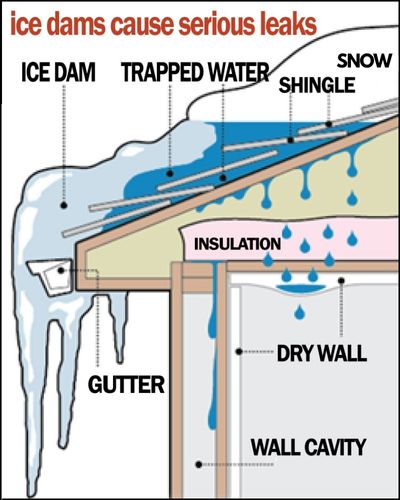
An ice dam is a ridge of ice at the lower edge of a roof, usually near the gutters or overhangs. Snow blankets the roof, heat leaks through the attic, and the upper layer of snow melts. Water runs down until it reaches the colder eaves, then refreezes. Repeat the cycle over several days and you build a low, solid wall. When daytime melt increases or a warm spell hits, water finds the path of least resistance. That path often leads up under shingles or beneath flashing and then into the house.
Three things drive the problem: roof temperature differentials, snow depth, and drainage. If the attic is warm and the eaves are cold, you have the conditions for a dam. If snow sits thickly enough to insulate heat loss, melt continues even in subfreezing air. If gutters are clogged or downspouts discharge onto lower roofs, water pools and refreezes. The physics is simple, the outcomes are not.
One client in Minneapolis had a spotless roof with brand-new architectural shingles. After a week of single-digit lows and two heavy snows, the living room crown molding separated from the ceiling. The culprit wasn’t the roofing material. A bathroom fan vented into the attic rather than through the roof cap, warming the snow above it. The ice dam formed 10 feet downslope, exactly where the ceiling stain appeared. That is a common pattern: interior heat source, localized snow melt, perimeter refreeze.
Why Speed Matters More Than Brute Force
Water intrusion accelerates once a dam locks in and temperatures swing. Drywall and trim can handle the occasional drip, but sustained wetting allows mold to colonize paper backing within 48 to 72 hours. Insulation that gets saturated loses R-value and stays damp. Some homeowners try to chip channels in the ice with a hammer or apply rock salt. Both moves are risky. Striking ice near shingles can fracture tabs and puncture the underlayment. Salt eats metal, stains roof snow removal siding, and shortens the life of concrete and plantings below.
Professional ice dam removal uses controlled heat to release the bond between ice and roof without harming the surface. That is the technical reason to call for help rather than grabbing a shovel. There is also a safety argument. A snow-covered roof is a slip hazard. Extension ladders freeze up. Power lines sag under accumulated ice. The wrong step can turn a nuisance into an emergency room visit.
If you are facing active dripping, treat it as urgent. Emergency ice dam removal services exist for a reason. They prioritize homes with interior leaks and send teams that can stabilize the situation fast, often by clearing key channels rather than stripping the entire roof on the first visit. When temperatures rise toward freezing, the window to reduce interior damage narrows.
The Gold Standard: Steam Ice Dam Removal
Among methods available, steam ice dam removal is the industry standard for a simple reason: it balances speed with surface safety. A true steamer produces low-pressure, high-temperature saturated steam. That steam softens and separates the ice from the shingles, then slices through in controlled passes. The operator avoids scouring granules or lifting tabs. A seasoned technician can clear a typical 30 to 60 linear feet of dam per hour, depending on thickness, pitch, and roof complexity.
Not every machine that blows hot vapor qualifies. Some contractors use pressure washers equipped with hot water kits. They blast at 2,000 to 3,000 PSI, which can chew shingles and drive water under the roofing. Others use open flame heaters or roof melt chemicals that spread where they shouldn’t. Ask the technician to describe their equipment. A dedicated ice dam steamer runs at lower pressure with specialized wands and tips, typically 250 PSI or less, and can produce steam in the 250 to 300 degree Fahrenheit range at the nozzle. You want heat and control, not force.
Expect the crew to shovel or rake snow back a few feet from the eaves before steaming begins. That limits the volume of meltwater and provides a working path. They should protect shrubs or siding below with tarps when necessary and manage runoff so it does not flood steps or walkways. At the end, you should see a clean, ice-free drip edge with intact shingles and no gouge marks.
The Cost Question: What Drives the Bill
Homeowners often ask for a single number on ice dam removal cost. The fair answer is a range, usually a few hundred dollars for small residential ice dam removal and up to several thousand for larger or complex roofs, with geography and urgency layered on top. Pricing structures vary. Many companies charge by the hour for the crew and equipment, with a minimum of two to three hours. Others quote by the job after an on-site look. Emergency ice dam removal after hours or during a blizzard often carries a premium.
Several factors push the price up or down:
Access and pitch. A steep, two-story home with limited ladder access takes longer and requires more safety measures than a single-story ranch. Ice thickness and length. A one-inch ridge clears faster than a four-inch slab that runs the entire eave. Roof complexity. Valleys, dormers, skylights, and multiple roof planes require delicate work to protect flashing and sealants. Weather conditions. Strong winds or extreme cold slow progress and demand more frequent breaks for safety. Travel and demand. If you live far from the nearest crew or call during a regional cold snap, expect higher rates.
If a company quotes a surprisingly low flat fee with no minimum and promises to finish any house in an hour, be cautious. That pitch often signals non-steam methods or inexperienced labor. Paying a bit more for true professional ice dam removal reduces the chance of shingle damage, which can cost far more to fix.
How to Vet an Ice Dam Removal Service Under Pressure
Speed matters, but so does judgment. When water is dripping into a window head, you may feel tempted to hire the first search result for ice dam removal near me. Take 15 minutes to vet the company. It will save you from headaches later.
A short, effective vetting process looks like this:
Confirm steam. Ask, plainly, do you use dedicated steam ice dam removal equipment, not a hot pressure washer? Ask for a photo of their machine or the brand and model. Real companies will volunteer this quickly. Check insurance and licensing. They should carry general liability and workers’ compensation. Roofing licenses are required in some states. Get the company name and certificate holder details, not just “we’re insured.” Ask about training and safety. Who is coming, how many techs, and what safety gear do they use for steep pitches or icy ground? Listen for mention of fall protection, ladder stabilizers, and site control. Get a clear rate and minimum. Hourly rate, travel charges, minimum hours, and after-hours premiums should be transparent. Ask for an emailed estimate outlining the terms. Look for real photos and reviews. You want job photos that show steam wands, careful snow removal, and clean roofs, not stock images. Reviews should mention communication, care taken with property, and durability, not just speed.
If the dispatcher can’t answer these questions, keep calling. During major storms, reputable outfits will be busy. Some will triage, offering next-day service for non-leaking homes and same-day slots for active leaks. That prioritization is a good sign.
What the Work Day Actually Looks Like
A typical service call begins with a quick walkaround. The lead tech notes where leaks are showing inside, the location of electrical drops, deck and walkway layouts, and the safest ladder footings. The team shovels or uses a roof rake to remove snow at least two to three feet back from the eaves. On tall homes or steep pitches, they may run fall-arrest lines anchored to ridges or permanent roof anchors. Good crews move steadily but not hastily. They talk to each other, keep hoses organized, and avoid loading snow onto shrubs or walkways used by family members.
Once steaming begins, water and slush will fall from the eave line. Crews often carve channels first in front of downspouts and valleys to allow immediate drainage, then widen the clear zone along the eaves. In some cases, especially around valleys and skylights, they will thin but not fully remove thick ice plates to reduce risk to flashing. If temperatures are rising and the leak has slowed, partial removal is sometimes the right call, followed by a full return once conditions allow safer footing.
An honest technician will tell you when full removal is not worth the marginal risk. For instance, if the forecast calls for a warm-up in 24 hours and they have already opened drainage, continuing to shave the last inch of ice over a delicate copper valley may add cost without reducing risk. The goal is water control and roof preservation, not a bare roof for its own sake.
Expect the crew to provide a short briefing at the end. They should point out any damage they observed, such as lifted flashing or exposed fasteners, and note where future air sealing or insulation improvements could help. They may suggest temporary measures, like placing fans in the attic to speed drying or pulling back wet insulation to prevent ceiling staining.
When to Call for Emergency Service
Not every ice dam warrants a same-day response. The triggering events for emergency ice dam removal usually include active dripping through the ceiling or trim, rapid growth of interior stains, water near electrical fixtures, or signs of structural load on a flat or low-slope roof. If a flat roof shows ponding that is freezing into a thick field of ice around drains, act quickly. Flat roofs fail differently than pitched roofs, and drain blockages can cause widespread interior damage.
Another emergency scenario involves persistent cold snaps with no daytime melt while temperatures inside the house push more heat into the attic. In those conditions, the dam grows daily and the water level behind it rises as well. Clearing a channel early can prevent the leak entirely. Conversely, if you have a stable dam with no interior leaks and a forecasted thaw within 48 hours, you may opt to wait for a standard service appointment at a lower rate. The deciding factors are water intrusion, safety, and weather trajectory.
The Prevention Side: Fix the House, Not Just the Symptom
Removing ice local roof ice dam removal services is triage. Prevention is the cure. The core strategy to prevent ice dams on roof assemblies is simple: keep roof surface temperatures as uniform and cold as possible, especially at the eaves. That requires a balance of air sealing, insulation, and ventilation.
Air sealing comes first. Warm, moist air leaks through can lights, attic hatches, bath fans, plumbing penetrations, and the top plates of interior walls. Seal those with foam, gaskets, and proper ducting. Bath and kitchen fans must vent outdoors, not into the attic. In deep winter audits, I have found attic bypasses that looked small yet accounted for hundreds of cubic feet per minute of heat loss.
Insulation is next. Building codes in cold regions call for attic R-values in the R-49 to R-60 range. Many older homes have less than half that. Blown cellulose or fiberglass can bring a typical attic to code depth, but only after air sealing. In cathedral ceilings or tight rafter bays, dense-pack cellulose paired with a vent channel can work. In severe cases, especially with complex roofs and shallow cavities, homeowners opt for spray foam to create a conditioned roof deck. That is a larger investment but can eliminate chronic damming on difficult roofs.
Ventilation rounds out the trio. A clear, continuous soffit intake paired with a ridge vent or equivalent high vent allows cold air to move under the roof deck, equalizing temperatures. The system must be balanced, with free area at the soffit at least equal to ridge vent area in most assemblies. Baffles are essential to keep insulation from blocking soffit air paths. Poorly executed ventilation often creates cold eaves without cooling the upper roof, which can worsen the temperature differential. Done correctly, ventilation supports the work of air sealing and insulation.
Heat cables are a bandage. They can help on troublesome overhangs or valleys by creating melt channels, but they add operating cost and, if poorly installed, create fire risks. If you use them, choose self-regulating cables rated for roof and gutter applications, and have a qualified electrician handle the circuit. They should be a complement to building improvements, not a substitute.
Roof design matters too. Long valleys that collect snow from two planes, low slopes that hold snow longer, and complex dormer intersections tend to generate dams even on otherwise well-built homes. Good detail work around those features, including robust flashing and ice and water shield membranes that extend farther upslope, reduces the consequences if a dam does form.
Understanding Your Roof’s Vulnerable Spots
Every roof has a thermographic signature. The warmest spots align with interior features: stairwells rising to the attic door, mechanical chases, and bathrooms. The coldest are over unconditioned areas like garages or porches. When I walk a home after a storm, I look for telltale clues. Uneven snow melt lines on the shingles suggest heat loss. Eaves that remain caked in ice while adjacent areas are clear signal poor drainage or a sagging gutter. Downspouts that discharge onto a lower roof create secondary ice sheets that overwhelm that roof’s edge.
Skylights are their own story. They interrupt insulation and framing, and they collect drifting snow. Ice forms along the upstream side of the curb. Clearing the eave alone will not fix a skylight dam. Special care during removal protects the flashing and the glass. For prevention, air sealing around the skylight shaft and adding proper flashing and underlayment at installation are the only long-term answers.
Chimneys and bath fan penetrations can telegraph heat to the roof surface. Brick absorbs and radiates heat even in cold air, melting snow in a halo around the chimney that refreezes downslope. That is not strictly an insulation failure, but it can contribute to dams if combined with poor drainage.
Insurance and Documentation
Insurance carriers cover interior damage from sudden and accidental water entry in many policies, but they do not always cover the ice dam removal itself. Read your policy or call your agent. Even when removal is not covered, proper documentation of the event helps with interior repair claims.
Ask your ice dam removal service for before and after photos, a written description of the conditions found, and an invoice that itemizes work performed, hours on site, and equipment used. If the crew sees damaged flashing or compromised shingles unrelated to the steaming process, have them note it. Keep receipts for drying equipment, dehumidifiers, and any emergency electrician or roofer visits. Adjusters appreciate organized records and clear timelines.
Communicating With Your Contractor
Clear communication reduces surprises. Before the crew arrives, mark any indoor leak spots with painter’s tape and take a quick video. Let the team know where those areas correspond to on the roof if you can. Identify exterior hazards like buried walkway edges or low electrical lines. Move vehicles out of the work zone so falling ice does not damage them.
During the job, appoint one person in the household as the point of contact. Stream conversations through that person to prevent conflicting directions. If you have concerns about landscape or delicate gutters, say so. A good crew can stage materials to protect those elements or adjust their approach. Ask for a quick progress update after the first hour so you can understand how much time and cost remains.
Seasonal Timing and Maintenance Habits
The best time to think about ice dams is August. With clear weather and a cool attic, you can air seal, add insulation, and correct ventilation. Roofers prefer to install ice and water shield membranes in warm weather, and building inspectors can access attics easily. If you must make changes mid-winter, focus on no-regrets moves: sealing obvious attic leaks, adding temporary baffles where insulation has slumped, and ensuring bath fan ducts actually attach to roof caps. Save major insulation projects and roof work for the shoulder seasons.
Keep gutters clear, not because clean gutters prevent dams directly, but because they help drain meltwater quickly during freeze-thaw cycles. Inspect downspout terminations. If a downspout dumps onto a porch roof without a proper scupper, fix it. Consider adding snow guards on metal roofs over entrances to prevent dangerous slides, which can break gutters and create ice heaps on the ground that refreeze into tripping hazards.
When a Rake Helps and When It Hurts
Roof rakes with extendable poles can reduce ice dam risk by clearing the lower two to three feet of snow after a heavy storm. This creates a cold air buffer at the eaves. Raking is most useful for the first major snow that establishes the base layer on the roof. Use a rake with a rolling head or wheels to avoid scuffing shingles. Stand back to avoid falling snow and ice. Never climb on a ladder with a rake in your hands on icy ground. The moment you need to reach higher than your rake allows from the ground, stop and call a pro.
Avoid chopping channels in the ice with hatchets or using salt pellets on the roof. Both approaches cause more damage than they solve. If you need a stopgap, calcium chloride socks placed strategically can help create a narrow channel. Even then, they can stain siding or metal, and they are no substitute for proper removal.
Matching Service Size to Your Home’s Needs
Large firms with multiple steam rigs and dispatch teams shine during region-wide events. They can field emergency ice dam removal crews around the clock and often have more safety gear and redundancy. Smaller, owner-operated outfits may offer more flexible scheduling once the initial surge passes and can provide tight follow-up on prevention work. If you have a complex roof system or a history of chronic ice dams, look for a company that offers both removal and diagnostic services, including attic inspections and thermal imaging. A one-and-done clearing helps today, but a root cause assessment keeps next winter quiet.
For townhomes or associations, coordinate with neighbors. If connected units share rooflines or gutters, one dam’s melt can affect the adjacent home. Associations sometimes negotiate a block appointment at a better rate, with the added benefit of consistent documentation across units.
A Quick Homeowner Checklist When You Search “Ice Dam Removal Near Me”
Keep this short list by the phone when you start calling. It will keep you focused, even with a drip in the dining room.
Ask, do you use steam ice dam removal equipment, not hot pressure washers? Request proof of insurance and get rates, minimums, and travel fees in writing. Describe your roof and leak locations, and ask for an estimated time on site. Confirm safety practices for steep roofs and icy ground. Get photos and a short report after the job for your records or insurer.
What Good Looks Like After the Crew Leaves
Success is not just a clear eave line. It is a dry interior, a roof surface without gouges, and a plan for the next storm. Walk the perimeter after the team finishes. You should see clean paths to the gutter, open valleys, and no loose shingles. Inside, check the known leak spots an hour after the crew leaves and again the next morning. If stains continue to darken, call the company back. Sometimes a hidden ice pocket upstream continues to drain, and a brief return clears it.
Schedule a follow-up conversation about prevention. If the crew noted specific attic bypasses or thin insulation levels, line up a weatherization contractor or insulation specialist. The most cost-effective jobs I have seen involve air sealing the top plates, capping can lights with fire-rated covers, extending baffles, and adding blown insulation to the correct depth. Material cost for that scope, in a typical 1,500 to 2,000 square foot home, often lands in the low thousands. Compared to repeated emergency calls and interior repairs, that is money well spent.
Final Thoughts From the Field
Ice dams remind us that houses are systems. The roof is not just shingles and nails. It is the endpoint of how a home breathes, leaks heat, and sheds water. When you face a dam, the immediate goal is safe, professional ice dam removal that stops the water without harming the roof. That usually means steam, trained technicians, and transparent pricing. The longer game is addressing the conditions that made the dam possible: air leaks, thin insulation, and poor ventilation.
When you search for roof ice dam removal near me during a storm, you do not need a lecture. You need a capable crew that shows up with the right tools and makes good choices quickly. Use the questions in this guide to find that team. Then, when the weather calms, invest in prevention so the next snowfall stays just that, a quiet blanket on the roof, not a problem waiting to happen.