Top 10 Water Slide Rentals to Beat the Heat This Summer
There are two kinds of summer parties: the ones that feel like everyone is searching for shade, and the ones where the crowd stays till twilight because the fun never dips with the sun. Water slide rentals are the difference. I’ve set up dozens over the years for neighborhood block parties, birthday blowouts, and company picnics, and the pattern is always the same. The moment the hose kicks on, kids flock to the slope, adults pull out their phones for slow‑mo videos, and the backyard turns into a buzzing little water park.
If you’ve never rented one, the choices can feel like scrolling an online menu when you’re starving. Everything looks good, the names blur together, and you don’t know which size fits your space or which features actually matter. Here’s a practical, experience‑driven guide to ten water slide rentals that deliver, plus the small details that separate a top‑notch event from a soggy mess.
How to choose the right slide for your space and crowd
The single biggest mistake I see is renting a unit that doesn’t match the yard. Even a modest waterslide takes more room than people expect, mostly because you need clear space around it for anchoring and safe landings. Measure your yard, then subtract walkways, overhanging branches, and anything fragile or off limits. Most standard residential slides need a 15 by 30 foot footprint and a flat surface. Taller dual‑lane monsters often run 18 by 35 or more, and they can exceed 20 feet in height.
Weight and age range matter too. A slide rated for “kids only” typically means ages 4 to 12 with a combined weight cap of 500 to 700 pounds. Teen and adult‑friendly slides sit in the 800 to 1,000 pound range and have steeper angles, thicker vinyl, and better seam reinforcement. If you’re planning a mixed crowd, rent once for the biggest users, then let the little ones play during lower‑intensity windows.
Water access is simple, but not trivial. Most slides run off a standard garden hose and use a continuous mist. Expect roughly 2 to 4 gallons per minute while in use. If water restrictions are a concern, ask your provider about recirculating splash pools. You’ll still top up, but you won’t watch a river run down your driveway.
Power is the other hidden requirement. Nearly all blowers are 1 to 1.5 horsepower units drawing from a dedicated 15‑amp circuit. If your outlet shares a circuit with a garage fridge or power tools, you risk tripping a breaker mid‑party, which kills the blower and drops the unit fast. Use a dedicated outlet and a heavy‑gauge extension cord if you need the reach. Your water slide rental company should advise you on exactly what’s needed.
Safety that actually makes a difference
Every rental provider promises clean and safe equipment. The good ones deliver on the boring details. You want commercial‑grade vinyl, intact safety netting on the climb and the top platform, and soft, well‑secured bumper walls around the splash zone. The anchor points should be staked or weighted, not “we’ll just set it and hope.” Watch for clear safety labeling and rules stitched directly onto the unit. I’ve found that the outfits who invest in small touches like stitched rules also tend to keep their inflatables for kids in top shape.
Operator supervision is underrated. For bigger events or higher slides, ask for an attendant. They control line flow, enforce one‑at‑a‑time launches, and keep the slide top from getting overcrowded. I’ve seen a single good attendant save a party three times over by preventing pileups.
The top 10 water slide rentals that consistently deliver
The models and names can vary by region, but the styles below are widely available from reputable companies. When you call your local bounce house rental provider, ask for these categories. If you hear similar dimensions and features, you’re in the right lane.
1. The 15‑foot single‑lane classic
Think of this as the reliable mid‑sedan of waterslides. It fits in most yards, works for ages 4 to 12, and sets up quickly. The slide angle is gentle, the climb is easy, and the splash pool is shallow and wide. This is the unit I recommend for a first water slide rental or for younger birthday parties where you want big grins without big nerves. If your guest list skews younger and under 80 pounds per rider, you’ll get constant use without bottlenecks or wipeouts.
What to ask: exact footprint, pool depth, and whether the hose spray runs at the top only or along the lanes. Top‑only saves a bit of water and still keeps the slide slick.
2. The 18‑foot dual‑lane racer
If you want energy, set up a dual‑lane. The side‑by‑side format transforms every slide into a quick race, which keeps older kids and early teens engaged for hours. An 18‑footer is tall enough to thrill but not so tall that parents get skittish. Expect a longer footprint and a wider base. Plan your line management: two lanes reduce wait time, but they also double the action at the bottom, so you need a clear exit path.
What to ask: weight rating per lane and the quality of the divider wall. A firm center wall means fewer elbows across lanes and safer head‑to‑head runs.
3. Tropical curve with splash lagoon
Some slides finish straight into a pool. The curved models add a sweeping right or left turn near the bottom, which looks great and feels faster than the height suggests. The tropical theme is a crowd favorite for backyard luaus and pool parties. A lagoon‑style pool gives you space to sit and splash, which keeps toddlers near the action without being on the slide itself. If your party is a mix of ages, this is a smart compromise.
What to ask: whether the turn is banked with a high wall. The better the bank, the less chance of riders leaning out during the curve.
4. Hybrid bounce house with waterslide combo
When you want one unit to do everything, look for a combo: a bounce house connected to a short waterslide. Kids climb, bounce, then exit through a slide that ends in a splash pad or shallow pool. You get the novelty of water with the familiar fun of a bounce house, which helps if you have attendees who aren’t sure about a full‑size waterslide. Combos also shine at events with rotating activities like inflatable games or face painting because kids can jump in and out without a long queue.
What to ask: whether the slide is wet‑rated and if the interior has a drain to prevent pooling water in the bounce house area.
5. 20‑plus‑foot super slide for teens and adults
This is the statement piece. A 20 to 24 foot single‑lane with a steep pitch and a deep splash pool turns a summer party into an adrenaline hour. I’ve run these at graduation parties where the kids “just try it once” and then loop as fast as the ladder allows. You need more supervision and a confident crowd. The payoff is real. The speed is higher, so consistent hose coverage and a well‑padded pool entry are essential.
What to ask: platform height versus total height. Platform height dictates the steepness and drop. Also ask about the ladder rungs and handholds, which should be sturdy enough for adults with wet feet.
6. Dual‑lane with slip‑n‑slide extension
Picture a downhill whoosh that transitions into a long, straight glide on a lane or two of slip‑n‑slide, then a final splash. This design lengthens the fun without adding a ton of height, so it works well where neighbors might worry about towering silhouettes. It spreads riders out, which speeds turnover and reduces clustering. The extended runout also lowers the landing impact.
What to ask: total run length and whether the extension has raised guard rails. The guard rails help keep riders centered during the slideout, especially when they’re racing.
7. Themed bounce house with waterslide for character parties
If your child has a favorite character or motif, a themed bounce house with a waterslide add‑on is a guaranteed smile generator. Think jungles, castles, space missions, or superhero façades. Good providers keep the art tasteful and the build quality equal to non‑themed units. These work best for ages 3 to 9 and shorter play cycles. They’re less intimidating for shy kids and photograph beautifully.
What to ask: if the artwork is licensed and if https://www.allfunbouncinginflatables.com/category/bounce-houses-with-slides/ the seams under the façade are reinforced. Heavy theme panels can tug on the vinyl if not balanced.
8. Inflatable obstacle course with water elements
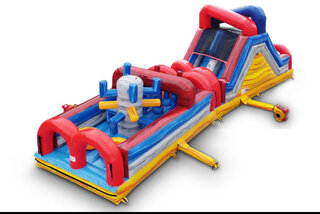
When your group loves competition but not heights, the water‑ready obstacle course is the sweet spot. Riders crawl through tunnels, scramble over pop‑ups, dodge sprayers, and finish with a modest slide. For field days or company picnics, this format levels the playing field so everyone participates. It’s also a smart choice if your grass is uneven. Obstacle courses often tolerate slight grade changes better than tall slides.
What to ask: where the water sprayers are positioned and how the drainage works. You want water enhancing the run, not bogging it down in the middle.
9. Backyard “mini” waterslide for toddlers
There’s a phase where kids are too big for a plastic kiddie slide but too small for the standard models. The mini waterslide fills that gap. It stands around 10 to 12 feet tall, uses soft angles, and ends in a shallow pad. I like this for daycare birthdays or low‑key family events. The key is a dedicated adult within arm’s reach and one‑at‑a‑time riding. The confidence boost you see after a few gentle runs is worth the setup.
What to ask: exact pool depth and whether the unit includes netting on both sides of the climb. Short slides still benefit from full‑coverage nets.
10. High‑throughput event package: slide + games + shade
For bigger gatherings, rent a bundle that pairs a large dual‑lane waterslide with inflatables for kids who prefer dry play. Popular add‑ons include a bouncy house, inflatable games like hoop challenges or ax toss with foam targets, and a shaded rest tent. The bundle keeps energy flowing and prevents your waterslide from becoming the only attraction with a long line. I’ve used this approach for school carnivals and church events. The mix creates natural rotation, which helps with crowd flow and keeps the grass from turning into a single muddy patch.
What to ask: delivery timing and staffing. With multiple pieces, you want staggered drop‑offs, a clear plan for power distribution, and at least one attendant for the slide.
A note on water use and setup logistics
Water slides run wet, of course, but you can be smart about it. Use a shutoff nozzle at the hose bib and start the water only when riders begin. Keep flow at the lowest setting that maintains a slick surface. If you’re in a region with tiered water rates, plan for mid‑day play rather than an all‑day soak. I’ve measured typical use during a four‑hour party at roughly 500 to 800 gallons, similar to filling a medium pool once. Recirculation pools use less, but you still lose water to splashing and evaporation.
Setup timing matters. Most companies arrive 60 to 90 minutes before your start time for a standard unit and up to 2 hours for big slides or multi‑piece events. Clear the area, unlock side gates wider than 3 feet if possible, and keep pets inside. If the delivery path crosses gravel or a steep slope, tell your provider in advance. They’ll bring dollies and extra hands if needed.
The surface should be grass or another soft ground like artificial turf. Concrete works if the slide is designed for it and the company has proper weights and padding. Avoid slopes of more than a few degrees. A tilt might seem minor in the yard, but at height it becomes noticeable and can shift rider paths.
Real‑world planning for a smooth day
Once a waterslide is inflated and wet, it becomes the heartbeat of your event. A few small habits keep everything humming. Keep towels and sunscreen within reach. Rotate age groups if your party spans toddlers to teens. Enforce one rider per lane unless a parent rides with a very small child on the toddler models. Have a short “rules moment” at the beginning: feet first, no flips, wait until the landing is clear. It takes 30 seconds and saves drama later.
Line management makes or breaks high‑capacity slides. Use cones or chalk to mark the queue. Place a water cooler with cups near the line to keep kids hydrated. If you have an attendant, ask them to keep the top platform to one child per lane so there’s always a safe buffer.
Dress code sounds fussy until you’re prying a zipper tab out of vinyl. Ask riders to wear swimwear without metal snaps or sharp accessories. No glasses on the slide unless they’re secured sports frames. If you allow rash guards, check that they’re snug. Loose cotton T‑shirts create friction and slow riders, which increases pileups at the bottom.
Cleaning and sanitation you can trust
Reputable companies clean and sanitize inflatables after each rental. You should smell mild disinfectant, not mildew. The vinyl should feel slightly tacky when dry, not greasy. Ask how they handle drying after wet use. The better providers stand slides upright or use large fans to dry interior seams so they don’t trap moisture. If you see standing water inside a bounce house combo or dark streaks along high‑touch areas, push back. You’re renting for a day, not adopting someone else’s wear and tear.
Pricing, deposits, and what a fair deal looks like
Rates vary by region and demand, but here’s a useful range. A 15‑foot single‑lane often lands between 200 and 350 dollars for a day. An 18‑foot dual‑lane can run 350 to 550. Bigger 20‑plus‑foot slides and dual‑lane racers with extensions can hit 600 to 1,000+, especially on peak weekends. Combos cost more than a basic bounce house, usually 250 to 450. Bundles with a bouncy house, water slide, and inflatable games stack quickly, but most companies give multi‑unit discounts.
Deposits are normal, often 25 to 50 percent. Weather policies matter. Many providers offer rain checks, not refunds, if you cancel within 24 hours for forecasted storms. Confirm that “chance of rain” counts. In my experience, the pros work with you on rescheduling, especially if lightning is in the forecast.
Delivery fees can be rolled in or separate. Ask for the full price with tax, delivery, setup, and pickup included. If your event crosses into evening, check if there’s a late pickup surcharge or an option to keep the unit overnight for a modest fee. Overnight can be worth it if you’re having a mellow family morning after.
Where bounce houses and water slides intersect
Some folks start with a bounce house rental and call it a day. On hot weekends, I tell them to consider a waterslide instead or a combo unit if they can swing it. A bounce house keeps kids busy, but it doesn’t cool anyone down. A waterslide solves the heat and the entertainment in one go. For spring or fall events, dry bounce houses and inflatable obstacle course units dominate. Summer belongs to the water slide.
If you have the space, a simple pairing works beautifully: one themed bounce house for younger kids and a mid‑size waterslide for older siblings. It prevents those awkward moments when a four‑year‑old stares up at a 20‑foot wall and decides they’d rather go home. With both, everyone finds a lane that feels like their own.
Setup day checklist for hosts
Use this short list to streamline your day without turning it into a project.
Confirm power and water: one dedicated 15‑amp outlet within 75 feet, one working hose with a shutoff nozzle. Clear the area: mow grass a day before, pick up toys, flag sprinklers or shallow irrigation lines. Plan traffic: mark a queue, set a towel and sunscreen station, and place a small first aid kit nearby. Safety brief: feet first, one at a time, wait for a clear landing, no sharp objects or glasses. Backup plan: shade and drinks for downtime, and a simple dry game like cornhole if a passing shower hits.
A few stories that shaped my preferences
At a Fourth of July cookout, we ran an 18‑foot dual‑lane with a slip‑n‑slide extension. It was barely past noon when the line started to run itself. Kids raced, high‑fived, looped back. The extension was the unsung hero. It widened the landing zone so two riders could finish without colliding and it pushed the splash farther from the foot of the stairs, which kept the climb less muddy. I’ve recommended that build ever since for mid‑size crowds.
At a preschool graduation, a tropical curve with a shallow lagoon saved the day. The curve looked thrilling to the kids but kept speeds moderate. The lagoon turned into the social hub where parents dangled feet and toddlers scooped water with toy cups. By mid‑afternoon, the main slide was still active, yet nobody felt excluded. That’s the upside of choosing a model that offers more than one way to play.
And at a corporate family day, we learned to ask the simple electrical question. The first outlet we tried was shared with catering warmers. Tripped the breaker, slide sagged, and you could hear 50 kids groan in unison. We switched to a dedicated circuit and taped the cord path. Ten minutes of planning would have saved fifteen minutes of downtime. Now I verify the power layout before the blower ever plugs in.
Finding a rental company you’ll call again
You can often tell within the first call whether a company treats your event like a delivery or like a partnership. The good ones ask about your yard, your crowd, the age range, and your schedule. They suggest alternatives if your first idea doesn’t fit. They talk about anchors and safety mats as if they matter, because they do. They follow up with reminders and provide exact dimensions.
Scan their catalog. It should include a range of waterslide heights, a few dual‑lane options, at least one themed bounce house with a wet combo, and a selection of inflatable games. Read reviews closely. You’re looking for repeated comments about punctuality, clean equipment, and smooth communication, not just “fun.”
Finally, trust your eyes at delivery. Clean vinyl, tight seams, clear rules, and a crew that moves with purpose are hard to fake. If something looks off, speak up before the hose turns on.
The summer you remember is the one with the slide
A water slide changes the rhythm of a day. It pulls neighbors from their porches and gets parents laughing like kids when they take a turn after dark. It lets you host without micromanaging. With the right match of size, theme, and safety, it’s as close as you’ll get to guaranteed fun for the widest range of ages in a single rental.
Whether you choose a 15‑foot single‑lane classic, a dual‑lane racer, a tropical curve, or a full event bundle with a bounce house and inflatable obstacle course, focus on fit, setup, and smart supervision. Do that, and you’ll watch heat waves become highlight reels, one splash at a time.