<h1>Certified vs Non-Licensed Asbestos Elimination: What's the Difference</h1>
Certified asbestos elimination is called for when you're handling high-risk or friable materials, such as loose insulation, and involves rigorous regulative controls, specialized training, progressed control, and government-issued qualification. Non-licensed elimination is only for lower-risk, intact asbestos materials, permitting you to execute minimal job if you meet specific safety protocols and have the appropriate training. Making use of the wrong technique can run the risk of both legal and health effects. Discover which circumstances particularly call for a qualified service provider and exactly how to stay certified.
Takeaways
- Certified asbestos removal is legally needed for risky, friable materials and have to be carried out by specialists with specialized training and government-issued licenses.
- Non-licensed asbestos removal is allowed just for low-risk, securely bound products that are unlikely to launch fibers if handled properly.
- Certified job uses advanced security procedures, strict air tracking, and governing alerts, lessening direct exposure dangers and legal penalties.
- Non-licensed elimination needs recognition training, PPE, and documents however lacks the substantial controls and oversight of certified jobs.
- Picking the incorrect removal type can bring about extreme wellness dangers, substantial fines, and feasible prosecution for non-compliance.
What Is Licensed Asbestos Removal?
When managing asbestos, certified elimination refers to the process lugged out by contractors that hold a government-issued asbestos removal license. You'll locate that only people or business with substantial asbestos training and elimination qualification are lawfully allowed to deal with risky asbestos products. This assures stringent adherence to safety and security protocols laid out by governing authorities. By working with certified specialists, you're reducing exposure risks to yourself and others, as these specialists are educated to contain, remove, and get rid of of asbestos safely and compliantly. They utilize specific tools and follow regulated procedures, including controlled wetting, secured enclosures, and air surveillance. Failing to utilize certified removal where called for can result in lawful fines and enhanced wellness hazards. Constantly confirm removal accreditation before proceeding with any type of asbestos work.
How Does Non-Licensed Asbestos Elimination Work?
If you're exploring non-licensed asbestos elimination, it is very important to recognize that this process involves taking care of lower-risk asbestos-containing products, as defined by health and safety guidelines. You'll need to comply with stringent guidelines, even though a formal certificate isn't required. Secret elements consist of satisfying training requirements, utilizing individual safety tools, and getting ready for emergency response circumstances. You should still identify the product, assess its problem, and ensure any work is documented.
Below's an easy comparison table:
Requirement
Non-Licensed Removal
Educating Requirements
Compulsory recognition
Emergency Situation Reaction Procedures
Should be established
PPE Use
Needed
Constantly keep in mind, even lower-risk work demands compliance with guidelines to shield both yourself and others from asbestos exposure. Do not forget documentation and secure waste disposal methods.
Which Asbestos Jobs Need a Qualified Contractor?
You'll need a qualified specialist when the work entails risky asbestos products or complicated removal treatments. Laws call for qualified experts for tasks where direct exposure dangers are significant or where professional equipment and control are needed. It's vital to acknowledge these scenarios to ensure legal compliance and safeguard every person's health and wellness.
High-Risk Asbestos Materials
Handling high-risk asbestos materials asks for stringent regulative compliance, as these tasks often include products that can launch hazardous fibers into the air. If you're taking care of friable insulation or heritage cement, you need to be mindful that these products are identified as risky due to their potential to easily damage apart and come to be air-borne. Only accredited contractors are authorised to manage such materials due to the fact that any type of disturbance can pose substantial wellness threats and lawful responsibilities. Here's just how risky products generally show up:
Product Type
Aesthetic Example
Friable Insulation
Soft, crumbly pipe cover

Legacy Concrete
Old corrugated bed linen
Splashed Coatings
Flaking ceiling surface areas
You must never ever attempt to remove or interrupt these without appropriate licensing and controls in position.
Facility Elimination Treatments
Although some asbestos-containing materials could seem workable, complicated removal procedures often require the competence of a licensed contractor because of strict regulatory demands and elevated wellness threats. If you're dealing with jobs such as comprehensive asbestos encapsulation, removal of sprayed coverings, pipeline lagging, or insulation board, you should use qualified specialists. These jobs create significant air-borne asbestos fibers and call for strenuous control procedures, consisting of specialized breathing defense, negative pressure units, and air surveillance. Governing bodies mandate stringent adherence to safety and security methods, garbage disposal, and notice procedures for such risky tasks. Trying intricate eliminations without correct licensing exposes you and others to legal penalties and extreme wellness risks. Always consult a licensed service provider when the extent, scale, or kind of asbestos work exceeds basic, non-friable materials.
When Is Non-Licensed Asbestos Work Permitted?
Wondering under what circumstances non-licensed asbestos work is really permitted? You're only enabled to perform non-licensed work when the material is reduced threat-- normally firmly bound, intact, and unlikely to release fibers if handled correctly. Regulatory bodies strictly detail which jobs qualify, so do not fall for DIY misconceptions regarding "safe" elimination without proper advice. Community outreach programs are essential, educating the general public on when expert intervention is essential. Below's a quick malfunction:
Asbestos Type
Example Product
Non-Licensed Allowed?
Adhered (intact)
Concrete sheets
Yes
Friable (brittle)
Loosened insulation
No
A little damaged
Distinctive layers
Often *
* Depends on the degree of damage and neighborhood policies. Constantly check the most up to date assistance before starting any type of work to reduce exposure threat.
Security Criteria: Licensed vs Non-Licensed Asbestos Removal
Also if you have actually identified asbestos-containing products as low risk, the safety standards for their removal differ significantly relying on whether the work is licensed or non-licensed. When you carry out accredited asbestos elimination, you should comply with strict methods: complete worker training, strenuous direct exposure surveillance, and progressed control methods to avoid fiber launch. Certified service providers are also called for to implement thorough emergency situation action procedures for accidental disturbances.
For non-licensed removal, security standards are less rigid, yet you're still responsible for making sure employees receive suitable training, use fundamental containment methods, and monitor exposure where needed. Emergency feedback plans need to exist, though they're generally much less intricate than those in certified job. Inevitably, comprehending these differences assists you ensure conformity and reduce wellness threats during any kind of asbestos removal job.
What Are the Lawful Guidelines for Asbestos Elimination in the UK? https://ladbrokegroveasbestosremoval.co.uk/services/garage-shed-roof-removal.html
Understanding the difference between certified and non-licensed asbestos removal indicates you also need to be knowledgeable about the stringent lawful structure regulating such operate in the UK. Asbestos regulations, mainly the Control of Asbestos Rules 2012, sets out exactly that can remove asbestos and under what situations. You need to make specific removal compliance by complying with the rules regarding alert, training, and the sort of asbestos-containing material entailed. Certified elimination is needed for higher-risk asbestos job and have to be performed by specialists holding a legitimate HSE certificate. Non-licensed removal is just permitted for lower-risk materials, but you're still lawfully obliged to preserve thorough threat analyses, provide correct training, and keep in-depth records. Not sticking to these regulations can result in prosecution and significant charges.
Threats of Non-Licensed Asbestos Elimination
If you try asbestos removal without appropriate licensing, you're exposing on your own and others to considerably higher health risks due to uncontrolled fiber launch. You're likewise based on strict lawful effects, consisting of significant penalties and prosecution under UK regulations. It's necessary to comprehend that non-compliance places both your security and lawful standing at severe danger.
Wellness Hazards Rise Substantially
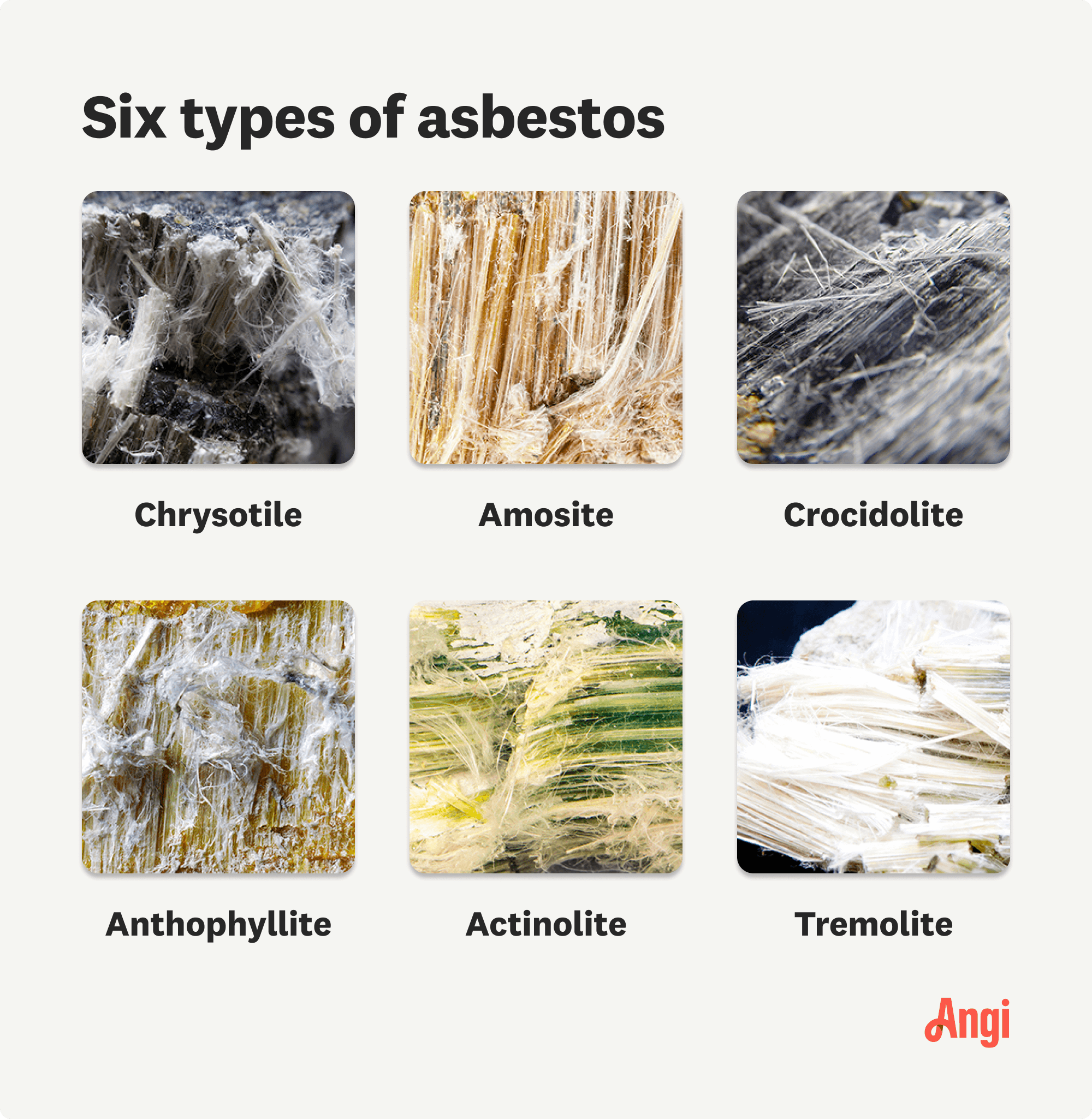
While non-licensed asbestos removal may feel like a cost-saving choice, it considerably raises the threat of exposure to unsafe asbestos fibers. Without proper training and devices, you're far more likely to interrupt asbestos materials, launching microscopic fibers right into the air. Breathing of these fibers can bring about long-term illness, consisting of asbestosis, lung cancer cells, and mesothelioma. Licensed experts utilize rigorous air quality surveillance to assure fiber levels stay safe during and after removal-- non-licensed operators commonly do not. This lack of keeping an eye on means you, your household, or structure owners might unconsciously breathe in unsafe fibers for months or perhaps years. The carcinogen aren't simply instant; they build up gradually, turning what appeared like a small risk right into a major, long lasting danger to your wellness.
Lawful Penalties and Penalties
Past the extreme health dangers, non-licensed asbestos removal can subject you to significant lawful effects. If you carry out asbestos elimination without proper licensing, you're going against rigid guidelines set by health and wellness authorities. Governing bodies can impose substantial legal penalties, typically running into thousands of bucks, for unapproved handling or disposal of asbestos-containing materials. In several territories, repeat or egregious offenses may escalate to criminal penalties, including prospective prosecution, court appearances, and even imprisonment. These penalties aren't restricted to organizations; home owners and contractors alike are held liable. asbestos sampling Stopping working to abide with asbestos regulations can likewise result in civil responsibility if others are hurt. To stay clear of these risks, always involve certified specialists who recognize the lawful frameworks and conformity commitments bordering asbestos elimination.
Asbestos Elimination: Costs and Insurance Described
Maneuvering the prices and insurance policy requirements for asbestos removal needs careful focus to governing commitments and potential economic threats. You'll discover that insurance policy sets you back are normally greater for licensed asbestos removal due to the boosted risk account and more stringent oversight. Costs differences emerge based upon whether the professional is accredited or non-licensed, the nature of the job, and the degree of regulative compliance. Constantly inspect claim restrictions, as these specify the optimum insurance company payout in case of contamination or obligation. Policy exemptions are similarly vital-- they may exclude insurance coverage for inappropriate removal or non-compliance with regulations.
- Accredited removal commonly indicates higher insurance costs and stricter demands
- Premium differences show the risk and conformity degree
- Understand claim limitations in your plan
- Very carefully evaluation policy exemptions for asbestos work
Exactly how to Inform If Your Asbestos Task Demands a License
To figure out if your asbestos work requires a license, you'll need to recognize the type of asbestos material included and analyze just how easily fibers might come to be airborne. Regulations define greater controls for jobs with friable materials or considerable exposure dangers. If you're unclear regarding either element, it's essential to seek advice from main support before continuing.
Evaluating Asbestos Product Kind
Recognizing the sort of asbestos material present is vital for establishing whether your removal task calls for a qualified specialist. You need to compare asbestos-containing products (ACMs) that are friable (conveniently crumbled) and non-friable (even more strong and much less most likely to release fibers). Precise product recognition is essential-- aesthetic checks alone aren't sufficient. You should schedule expert example testing to confirm asbestos type and web content, as policies call for this action prior to taking additional activity. The features and problem of the material will dictate if a certificate is required for elimination.
- Confirm the believed material's structure with accredited sample testing.
- Examine if the ACM is friable or non-friable.
- File all findings for regulatory conformity.
- Seek advice from main asbestos material checklists for assistance on classification.
Assessing Exposure Risk Degree
As soon as you have actually verified the presence and kind of asbestos product, it's essential to analyze the prospective exposure danger before making a decision if a licensed asbestos specialist is required. Begin by taking into consideration how likely asbestos fibers may come to be airborne throughout your planned job. If disturbance is minimal, danger might be reduced; nonetheless, risky activities call for more stringent controls. https://ladbrokegroveasbestosremoval.co.uk Reliable risk evaluation involves air-borne surveillance, which gauges fiber focus in real-time, and settlement tasting, which checks for recurring fibers after job. These strategies assist figure out if direct exposure surpasses lawful limits, setting off a requirement for licensed elimination.
Risk Factor
Regulative Demand
High fiber release
Accredited professional mandatory
Very little disturbance
Non-licensed work might be sufficient
Airborne levels surpass limitation
Immediate licensed treatment
Exactly how to Discover a Certified Asbestos Elimination Professional
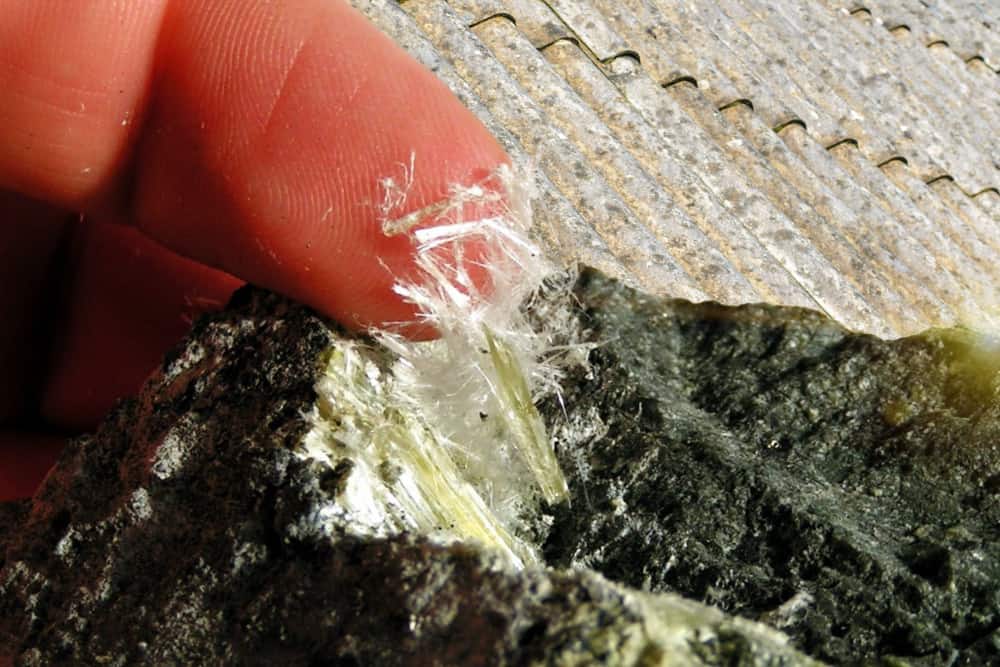
With the significant health and wellness risks positioned by asbestos direct exposure, it's important that you only engage a licensed asbestos elimination specialist who satisfies strict regulatory requirements. To guarantee compliance and safety and security, beginning by confirming that any specialist is officially licensed for asbestos work in your territory. Certified specialists are called for to adhere to rigorous procedures, keep proper insurance coverage, and adhere to security standards. Constantly request elimination approximates in writing and contrast them to determine both expense and compliance.
- Inspect your national or neighborhood environmental company's data source for accredited service providers.
- Request evidence of certificate and insurance prior to agreeing to any job.
- Demand in-depth removal approximates that outline containment, elimination, and disposal procedures.
- Seek recommendations or evaluations verifying the contractor's regulatory compliance and secure work methods.

Selecting properly lessens health and wellness and lawful risks.
If You've Interrupted Asbestos: What Should You Do?
Must asbestos-containing product become disrupted-- whether by accident or during improvement-- it's vital to act immediately to restrict fiber release and direct exposure. Initially, stop all work and evacuate the area to avoid additional contamination. Do not try to tidy up particles on your own. Adhere to emergency procedure by sealing the affected area, turning off a/c systems to prevent dispersing fibers, and uploading indication. Call a accredited asbestos elimination professional immediately; just qualified professionals should assess and remediate the scenario in conformity with regulatory requirements. After exposure, look for clinical appointment, specifically if you have actually breathed in dirt or have existing respiratory concerns. Record the occurrence for regulative coverage if needed. Acting quickly and complying with ideal emergency method minimizes health risks and guarantees lawful compliance concerning asbestos disturbances.
Regularly Asked Questions

Can I Dispose of Asbestos Waste at My Local Recycling Centre?
No, you can't typically deal with asbestos waste at your neighborhood recycling centre because of stringent asbestos disposal and reusing restrictions. Asbestos postures major health threats, so guidelines need it to be taken care of and moved by authorized facilities or certified professionals. Never ever blend asbestos with normal waste or recycling. Constantly examine with your local authority for particular assistance, as incorrect disposal can cause substantial charges and threaten public health and safety.
Exactly How Long Does Asbestos Removal Normally Take?
Asbestos elimination usually takes anywhere from a few hours to numerous days, relying on the quantity and kind of material, dimension of the area, and complexity of control setup. You'll require to consider time for proper air surveillance before, throughout, and after removal to validate fiber levels are secure and compliant with regulations. Don't hurry-- threat awareness and rigorous adherence to treatments assist protect every person from potential asbestos direct exposure throughout the procedure.
What Happens if Asbestos Is Found Throughout Renovation?
If you uncover asbestos throughout restoration, you must quit working quickly due to considerable health threats. You're lawfully obligated to analyze the material and alert pertinent authorities, following guidelines like the Control of Asbestos Rules 2012. Just educated experts ought to take care of the elimination to lessen exposure. Ignoring these lawful commitments can bring about serious charges and enhanced health threats for passengers and employees, so constantly make specific compliance and focus on security protocols.
Are There Alternatives to Getting Rid Of Asbestos Materials?
Sealing, safeguarding, and securing-- indeed, you've obtained options to straight-out asbestos elimination. Encapsulation methods, like covering or enclosing materials, can effectively quit fibers from coming to be air-borne, dramatically reducing health and wellness dangers. Nonetheless, you'll require to purely follow governing needs and warranty recurring surveillance. Keep in mind, while encapsulation's efficient short-term, it does not get rid of the asbestos itself, so you must stay vigilant about feasible future disturbances or deterioration, constantly prioritizing security and conformity. https://ladbrokegroveasbestosremoval.co.uk/services/artex-removal.html
Will Asbestos Removal Impact Building Value?
Yes, asbestos elimination can markedly influence your property's worth. If you resolve asbestos professionally, you'll likely protect against residential or commercial property devaluation and might also enhance resale worth. However, inappropriate elimination or leaving asbestos in location could take the chance of regulatory infractions, resulting in insurance policy implications or refuted cases. You need to guarantee compliance with neighborhood policies, as stopping working to do so not only impacts bankability however can also expose you to significant obligation and boosted insurance costs.