Swedish Massage Strokes That Soothe and Restore
Walk into a quiet treatment room and you can feel what Swedish massage does before a single drop of oil touches the skin. The lighting is low, towels are warm, and the air smells faintly of citrus or cedar. People come because they want relief from pain, better sleep, or a reset after too many hours at a desk. They stay loyal to Swedish massage because the strokes have a way of coaxing the nervous system into safety, then freeing muscles without a fight. The work feels gentle yet purposeful, a blend of smoothing, kneading, and rhythmic percussion that leaves the body lighter and the mind clearer.
I learned these strokes early in massage therapy school, then learned them again each time a real client surprised me with a new layer of tension or a story about why rest felt hard. Technique matters, but how you apply it matters more. The right stroke in the wrong place, or at the wrong pace, can miss the mark. A good Swedish session reads the person on the table and adapts. That is where these strokes shine.
What Swedish Massage Is Built To Do
Swedish massage is often the first style people experience. It uses oil or lotion, moderate pressure, and a sequence of flowing strokes to improve circulation, warm tissues, and calm the nervous system. It is not the only road to relief, yet it is a reliable one. When done well, it blends anatomy knowledge with empathy. The practitioner makes choices about direction and depth that affect lymphatic return, venous flow, fascia glide, and muscle tone.
People often compare Swedish massage with deep tissue work. The difference is not only pressure. Swedish builds toward change. It starts with long, welcoming strokes that tell the body it is safe, then moves into focused kneading and friction when the tissue softens. Deep tissue can be part of a Swedish session, but it comes second to listening.
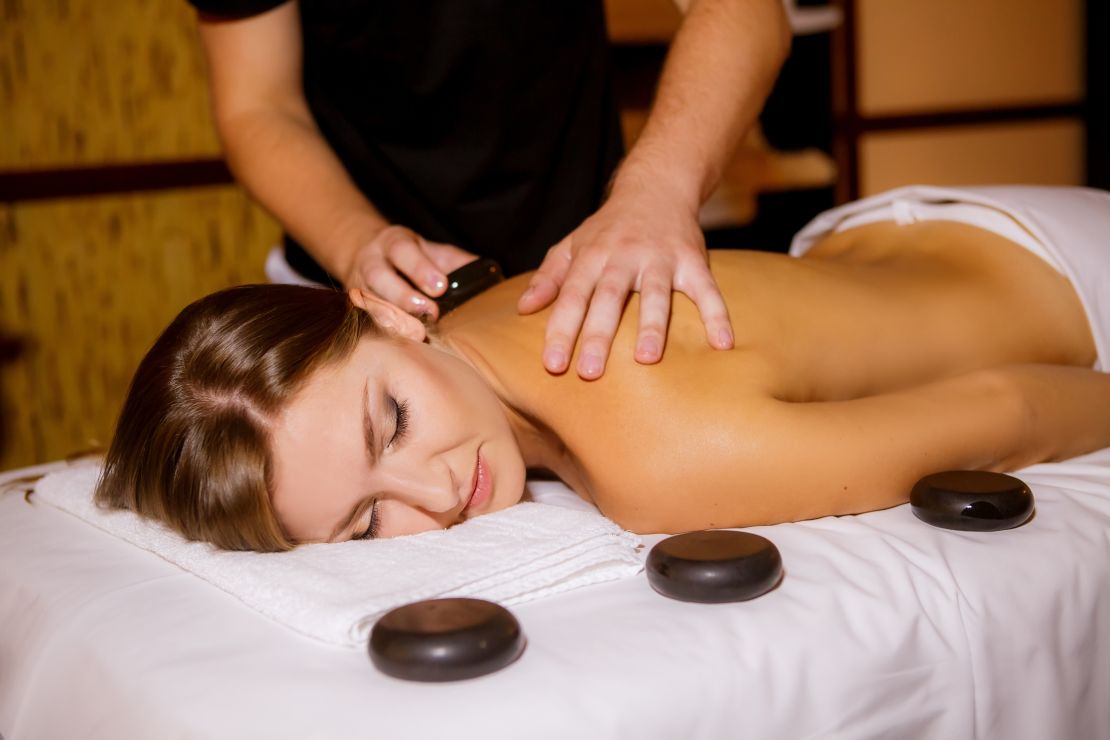

The Core Strokes and How They Feel
Every practitioner has a slightly different map, but most Swedish massage draws from five foundations. Each stroke carries a distinct purpose and sensation. Imagine them like instruments in a small ensemble. Alone, they can be beautiful. Together, they fill the room.
Effleurage - long, gliding strokes
Effleurage is the opening and the closing, the first hello and the final goodbye. Hands glide over the skin with a light to moderate pressure, usually moving toward the heart to support venous return and lymphatic drainage. Good effleurage has intention. The palms contact fully, fingers relaxed, wrists soft. The stroke does not skid or flutter. It connects points across a region so the receiver starts to map their body in one piece.
On a practical level, effleurage spreads oil, warms tissue, and lets the therapist assess texture and tone. On the back it might look like wide, symmetrical strokes from the low spine to the shoulders, then down the sides. On the legs it moves from ankle to hip in long lines, sometimes with both hands traveling together and sometimes alternating for a wave-like rhythm.
Clients report that effleurage lowers their guard. For anxious systems, slow cadence matters more than pressure. Count the breath of the person on the table and set your speed to match or slightly lengthen it. Eight to twelve inches per second is too fast. Two to four inches per second invites the parasympathetic nervous system to take the wheel.
Petrissage - kneading and lifting
Once the surface eases, petrissage works the next layer. Think of gently lifting dough to let air in. Hands gather muscle and fascia, lift slightly from bone, then compress and release. It can be palm-over-fingers, thumb-over-fingers, or two hands alternating in a rhythmic squeeze. On the shoulders, petrissage rolls the upper trapezius between thumb and fingers. On the calves, it scoops the gastrocnemius and soleus, moves them away from the tibia, then sets them down softer than before.
Petrissage improves local circulation and helps break subtle adhesions that restrict glide. The key is not to pinch or bruise. Good kneading uses the broadest contact possible. The knuckles and finger pads feel the tissue yield, then return. On tight necks, a minute or two of careful petrissage often does more than aggressive digging. A runner on my table once said, after I softened his calves with steady kneading, that his feet finally felt like they touched the ground evenly again.
Friction - focused, controlled pressure
Friction targets specific adhesions or tender nodules. The movement is small, sometimes only a centimeter or two, using fingertips, thumbs, or an elbow. Pressure angles matter. Across the grain of the muscle, massage benefits cross-fiber friction helps separate sticky layers of collagen. With the grain, linear friction follows a taut band until it softens. The pace is slow and the intent is clear. When done well, the sensation is uncomfortable but relieving, like scratching an itch you could not reach.
Choose friction for chronic tight spots in the neck, small trigger points near the shoulder blade, or the thick fascia along the iliotibial band where it blends into the lateral quadriceps. Avoid quick rubbing that heats the skin but misses the deeper structure. Anchor your hands, engage core stability, and let the pressure come from your body weight rather than your thumbs alone. Set a time boundary. After 20 to 30 seconds, reassess. Chasing a knot for minutes rarely helps and often irritates.
Tapotement - rhythmic percussion
Tapotement can sound theatrical, but it has a place. It ranges from soft cupping and rapid finger tapping to brisk hacking with the ulnar edge of the hands. The rhythm stimulates circulation and can wake up sluggish tissues. Do it gently over large muscle groups like the upper back or hamstrings. Skip bony areas and anyone who tenses at sudden sound.
In Swedish massage, tapotement often appears briefly, like a short drum solo to re-energize before a closing sequence. A few seconds of loose-fisted percussion over the mid-back, followed by soothing effleurage, feels invigorating without breaking the calm. For clients with asthma or respiratory sensitivities, avoid heavy cupping that can jostle the chest.
Vibration and rocking - subtle nervous system resets
Vibration is a fine tremor through the hands that travels into muscle. Rocking is a slow, oscillating movement of a limb or the whole body. Both encourage the nervous system to recalibrate muscle tone. They work especially well at the end of neck work, around the sacrum, or before gentle joint mobilization. If you have ever had your forearm lightly shaken until the fingers let go, you know how effective this can be.
These techniques are easy to overdo. Small amplitude and patient pacing earn more release than large, fast movements. I often add a breath cue, asking the client to exhale as I initiate a tiny rock of the shoulder girdle. That pairing tends to unstick protective bracing patterns that words alone cannot reach.
Pressure That Helps, Not Hurts
People often ask for “firm pressure” without a shared scale. A simple three-point scale keeps expectations clear. Light pressure stays at the skin and superficial fascia, medium pressure engages muscle without pushing past tolerable discomfort, and firm pressure works the deeper layers but never forces through resistance. Useful massage pain, if we even call it pain, should sit around a 3 or 4 out of 10 and should dissolve quickly when pressure eases. If it spikes or lingers, the tissue is resisting and the nervous system is guarding. That is not progress.
Watch for nonverbal cues. Short, held breaths, toe curling, or fingers gripping the table are early signs you have gone too far. A small adjustment changes everything. Slow the stroke, change angle, or back off half a degree. When in doubt, return to effleurage to reestablish safety before trying again.
A clear flow for a full body session
Swedish massage has a cadence that alternates broad connection with focused work. Every therapist crafts their own flow. The one below reflects a pattern that works for a 60 to 90 minute session with most clients. It respects lymphatic direction, saves grip-heavy strokes for later when tissue is warm, and ends with integration, not intensity.
Begin with back effleurage to connect and assess, then add gentle petrissage along the paraspinals and shoulders. Address specific adhesions with brief friction near the shoulder blades, followed by soothing effleurage to rinse the area. Move to the back of legs. Long strokes from ankle to hip, then knead calves and hamstrings. Add light tapotement if the tissue feels dull, finish with sweeping strokes toward the heart. Work the front of legs and feet. Use slower pace here, the quadriceps can guard. Knead around the knee without pressure on the joint itself, articulate ankles and toes with small traction. Finish with neck, shoulders, and arms. Alternate petrissage of upper trapezius with gentle cervical traction and small friction on suboccipitals. End with facial effleurage or scalp work if invited, then a final full back sweep to integrate.
That is one of our two lists.
Within that framework, there is room to tailor. For a desk worker with an overactive upper trapezius, I give more time to the mid-back and neck, use targeted friction at the occipital ridge, and save tapotement for the end to lift the heaviness. For a distance runner close to race day, I avoid deep friction that could provoke soreness and focus on rhythm and long strokes to improve circulation without microtrauma.
Oil, lotion, and how glide changes the work
Swedish massage depends on the right glide. Too much oil and you slide over tension without engaging it. Too little and your hands stick and drag. I keep a pump bottle near the table and add product in teaspoons, not tablespoons. Thicker creams allow slower, deeper work without slip. Lighter oils are perfect for broad sweeps and transitions.
Allergies and preferences matter. I learned the hard way that a client once reacted to a nut oil I used routinely. Now I ask, show the ingredient list, and test a small patch on the wrist if in doubt. Unscented bases keep the room neutral, while a drop of eucalyptus or lavender can be a nice accent when invited.
Breathing sets the tempo
If I could offer one piece of advice to new therapists, it would be to synchronize with the client’s breath. Nothing organizes the session more effectively. When the breath deepens, even a little, your medium-pressure petrissage becomes more comfortable and your friction strokes land without alarm. When it tightens, back off and return to long effleurage or gentle rocking. A client once laughed after a session and said, I felt like my breath was steering your hands. That is exactly the point.

For clients who arrive wired and chatty, a brief cue helps. I might say, Let’s take two slow breaths together before we start. Inhale easy, and a longer exhale. Then I time the first stroke along that exhale. It is a small ritual that changes the first five minutes from transition to therapy.
Small adjustments that make big differences
Hands-on skill comes from details you do not always see on a technique chart. Here are a few adjustments that consistently improve outcomes.
Angle your pressure. Pushing straight down into muscle invites guarding. A slight diagonal along the fiber direction lets the tissue lengthen under your hand. Work proximal after distal. After kneading a calf, remember to clear the popliteal region gently and then the hamstrings. Fluid needs a path. Use two-trip passes. When you finish focused work on a small area, follow with two long strokes that connect that area to its neighbors. The nervous system maps change better when it feels context. Temper hot spots. If friction lights up a tender point, sit there only as long as the client can breathe easily. Then leave and come back with a different stroke. Variety calms the alarm system. Save surprises for later. Do not open with tapotement or heavy elbow pressure. Earn it with trust and warmth first.
That is our second and final list. We must not add more lists later.
When Swedish strokes are the wrong tool
A good therapist knows when to pause. Swedish massage is generally safe, but there are clear contraindications and gray areas that call for judgment. Avoid direct work over acute inflammation, fresh bruising, or recent surgical sites. Modify pressure for clients on blood thinners. Skip deep leg work for anyone with a history of deep vein thrombosis unless you have explicit medical clearance and training to proceed. For pregnancy, sidelying positioning with careful bolstering protects the low back and hips, and pressure on the inner thigh stays light to avoid compressing near the femoral triangle.
Pain patterns that include numbness, tingling, or progressive weakness warrant referral to a healthcare provider. Shoulder pain that wakes a person at night or low back pain with fever or unexplained weight loss falls outside a standard massage scope. Ethical practice includes saying, I want you to get this checked, and offering names of trusted clinicians.
Cases from the table
Three snapshots show how Swedish strokes adapt without losing their character.
A software engineer in her thirties arrived with neck pain and headaches by late afternoon. She had tried deep tissue work that left her sore without change. I spent the first 10 minutes with slow effleurage from mid-back to occipital ridge, listening for where the tissue pushed back. Petrissage along the upper trapezius found a ropey band that softened after small stretches of cross-fiber friction at the attachment. I kept pressure at a 3 or 4, checked in each minute, and added gentle suboccipital release with her breath. She reported fewer headaches over the next week, and what struck her most was not the intensity, it was the pacing.
A marathon runner two weeks out from her event wanted to loosen calves and hips without feeling heavy the next day. I chose long, rhythmic effleurage from ankle to hip, then brief petrissage to bring tone down a notch. I skipped aggressive friction on the iliotibial band and used broad forearm strokes on the lateral quadriceps instead. Light vibration at the gluteus medius and gentle hip rocking rounded it out. She left the table feeling springy rather than drained, which is the right sensation pre-race.
A carpenter with chronic low back tightness felt best with broad contact, not point pressure. I started with slow back effleurage and then used palm-over-palm petrissage along the lumbar erectors, careful to avoid compressing the spine itself. Cross-fiber friction helped where the thoracolumbar fascia felt stuck, but I kept it short and followed with long integrating strokes. We finished with diaphragmatic cueing, hands under the ribs, to connect breath to back expansion. His back did not magically fix in one session, but his gait changed from guarded to fluid by the end, a useful win.
Sequencing for different goals
Swedish massage can tilt toward relaxation, recovery, or preparation depending on how you play the strokes.
For deep relaxation, slow tempo is the star. Effleurage occupies more of the clock, and petrissage becomes deliberate and slow rather than vigorous. Tapotement is minimal or absent. Friction, if used, is softer and short, just enough to address a stubborn spot without waking the system fully. The session ends with quiet, like a slow fade-out.
For recovery after activity, especially within 24 to 48 hours, use light to medium pressure and generous strokes that support lymph and venous return. Petrissage can be rhythmic and a bit quicker to encourage movement of residual metabolites, but avoid heavy friction that might compound soreness. A few minutes on the diaphragm and ribs can help athletes who hold their breath without realizing it.
For preparation before activity, think alert, not sedated. Strokes stay lighter and quicker. Tapotement appears for brief bursts. Joint mobilizations and rocking wake up proprioception. Keep the table warm and the room bright enough that the body does not drift into sleep.
Working with the neck without strain
Neck work tests finesse. It is easy to overreach with the thumbs and end the day with sore hands. It is also where clients are sensitive about pressure and safety. Support the head well. One hand cradles the occiput while the other works, then switch. Use finger pads for gentle traction, not nails or hard tips. Slide from mastoid process to the shoulder in a slow strip, then lift the trapezius for kneading. For suboccipitals, the tiny muscles under the skull, think of waiting rather than pressing. A sustained, light contact that follows the client’s exhale often does more than aggressive friction.
I avoid the anterior neck and carotid triangle unless specific training and clear indication exist. Instead, I access the scalenes indirectly by softening the first rib area and the upper ribs through gentle pectoral work. Clients who sit all day often need as much pec minor release as posterior neck attention.
Hands, wrists, and forearms that last a career
Swedish massage seems gentle until you do six sessions in a day. Body mechanics preserve your hands and make your work better. Keep your table at a height where your shoulders can drop and your elbows stay slightly bent during long strokes. Hinge from your hips and use your legs to generate movement so your wrists do not overextend. Switch tools often. Palms, fists, forearms, and even soft elbow contact can deliver pressure without overtaxing small joints.
A common novice mistake is using too much thumb in friction. Thumbs fatigue fast and protest loudly. Try a reinforced finger pad, a knuckle, or the angle of a forearm on larger areas like the quadriceps. Rotate sides of the table regularly to avoid patterns of overuse.
Aftercare that makes the work stick
Good massage does not end when the client stands up. Gentle aftercare increases the benefit and reduces post-session soreness. Encourage people to drink water as they usually would, not to flush toxins but because hydration supports connective tissue glide. Suggest a short walk the same day, 10 to 20 minutes, to let the nervous system adapt to the new range and ease. For localized soreness after focused friction, a warm shower or a heating pad on low for 10 to 15 minutes helps. Ice is rarely needed unless an area feels inflamed.
If appropriate, offer one or two simple home practices that match what you addressed. For a tight upper back, a towel roll placed horizontally under the mid-spine for a few minutes while breathing slowly can reinforce extension. For calves, a gentle wall stretch performed with a soft knee and even pressure across the foot restores length without straining the Achilles.
The role of draping and communication
Comfort does not happen by accident. Thoughtful draping keeps clients warm and respected. Uncover only the part you are working, and secure edges so nothing slips when you move around the table. Ask how the temperature feels a few minutes in and again mid-session. Small adjustments to blankets, table warmer, or room fan change how the nervous system perceives touch.
Communication underpins consent and effectiveness. I ask about pressure preferences and any areas to avoid before the session, then check once or twice when transitioning to more focused work. Some clients love silence, others process aloud. Follow their lead. If a client says, That spot is tender, I view it as a guidepost, not a challenge. I adjust, ask them to breathe, and measure the tissue’s response, not my desire to fix it in one pass.
What differentiates a thoughtful Swedish session
Swedish massage is sometimes dismissed as basic. The opposite is true. Its simplicity leaves nowhere to hide. When you slow down, choose strokes with care, and match pace to breath, you see how sensitive the body is to nuance. A long effleurage stroke that begins with predictable contact and ends in clear closure tells the body, You are whole. A few measured rounds of petrissage around a stubborn shoulder blade remind the ribcage it can move. A short sequence of friction that meets a tender spot, waits, then leaves without drama shows the nervous system it can let go without bracing.
I remember an older client who had spent years as a caregiver. She came in for massage once a month, not for a specific injury but to have one hour where someone took care of her. We kept the session quiet. I favored long strokes and a tempo that felt like rocking on a boat. By the third appointment, she said her sleep had deepened. The strokes were not complicated. They were consistent, warm, and delivered with attention. That is the heart of Swedish massage.
Swedish strokes do not demand heroics. They ask for presence, anatomy informed choices, and honest listening. Glide when the body wants connection, knead when it wants space, focus when it invites change, and always return to the long lines that help everything make sense. Whether you practice massage therapy professionally or simply want to understand what your own sessions are trying to accomplish, those principles hold. The body is built to soothe and restore itself when given the right inputs. Swedish massage offers them, one steady stroke at a time.