First Aid Oxygen Supplies in Canada: Essentials for Emergency Readiness
Emergencies seldom give warning, and when the issue is breathing, the margin for error shrinks to seconds. Supplemental oxygen can bridge those first critical minutes before paramedics arrive. It does not cure the underlying problem, but the right equipment, maintained and used correctly, can prevent a slide from distress into cardiac arrest. In Canadian workplaces, community venues, arenas, ski hills, boats, aircraft, and remote operations, an oxygen kit ranks alongside an AED and a robust first aid program as a practical investment in readiness.
What emergency oxygen is, and what it is not
Emergency oxygen is compressed medical oxygen delivered at controlled flow rates to a person who is hypoxic or as part of assisted ventilations. In first aid, we are not titrating long-term therapy. We are buying time. That might mean a nasal cannula at 2 to 4 LPM for a conscious person with mild respiratory distress, or a nonrebreather mask at 10 to 15 LPM for someone cyanotic and working hard to breathe. If the person is not breathing adequately, rescuers progress to a bag valve mask with supplemental oxygen and an oropharyngeal airway, then ventilate at appropriate rates.
Oxygen is a drug in Canada. It improves oxygen saturation, reduces work of breathing, and can stabilize a patient long enough for definitive care. It can also cause harm if used recklessly. The risk of suppressing respiratory drive in certain chronic CO2 retainers is often overstated at the first aid level, but oxygen can dry mucosa, cause hyperoxia if overused, and, when mishandled, creates a significant fire hazard. The task for non-physician responders is simple and disciplined: recognize when oxygen is indicated, apply the right delivery device, monitor, and hand off to EMS with a clear report.
The Canadian regulatory landscape, in plain language
Oxygen sits at the intersection of health product regulation and occupational health rules. The specifics vary by province and territory, and they change over time, so you confirm details locally.
Medical oxygen is regulated as a drug. Cylinders are filled by licensed suppliers. Purchasing often requires a prescription or medical director authorization, although suppliers sometimes set up standing orders for organizations with trained responders. First aid training organizations in Canada teach oxygen administration and airway management in advanced courses. The Canadian Red Cross Oxygen Administration course, St. John Ambulance advanced modules, and the Lifesaving Society Oxygen Administration program are widely recognized. Many provincial occupational health and safety frameworks reference or accept these credentials for designated attendants. Provincial OHS codes dictate what first aid equipment a workplace must have based on headcount and risk. Some industries and remote sites require higher levels of first aid capability, often including oxygen, a bag valve mask, and airway adjuncts. The exact table and wording differ across Alberta, BC, Saskatchewan, Manitoba, Ontario, Quebec, and Atlantic provinces. When in doubt, consult your jurisdiction’s OHS authority or a reputable training provider. Transport rules apply once cylinders leave the supplier. Small D or E cylinders used for first aid generally fall under exempted quantities when carried for immediate use, but safe handling, valve protection, and vehicle ventilation still matter.
Reputable vendors who supply first aid oxygen in Canada understand these constraints and will help you set up compliant purchasing and refilling pathways. If you buy first aid supplies online in Canada, expect them to request documentation for oxygen, then coordinate refills through local gas partners.
Anatomy of a robust oxygen kit
Good kits share common bones, regardless of brand or price point. Think about durability, compatibility, ease of use under stress, and serviceability in your region. Cutting weight helps mobile responders. Rugged cases help fixed sites. The sweet spot depends on your risk profile.
A typical kit includes a filled medical oxygen cylinder, a regulator with a clear flowmeter, delivery devices for both breathing and non-breathing patients, and basic airway adjuncts. Add protective gear, a simple pulse oximeter for trending, and replacement parts you can swap blindfolded. For high use environments, stock extras of items that walk away or become contaminated.
Cylinders: size, format, and run time
Most Canadian first aid kits carry aluminum cylinders in D or E sizes. An M6 micro cylinder works for compact mobile kits but runs out fast.
D cylinder: roughly 350 to 425 litres usable oxygen after pressure and safety margins. At 10 LPM, expect about 35 to 40 minutes of continuous flow. E cylinder: roughly 625 to 680 litres. At 10 LPM, think 60 minutes, a bit more if you manage flow efficiently. M6 cylinder: roughly 160 litres, suitable for very short transports or as a backup.
Choose pin index yoke style regulators that match medical cylinders. Avoid industrial regulators. A good regulator has a built-in pressure gauge, a flow selector with tactile detents from 0 to at least 15 LPM, and a DISS outlet for a bag valve mask reservoir hose. Quick identification under stress matters, so pick one with high contrast markings you can read at night.
Delivery devices: matching the tool to the need
You need at least three delivery options because patients present along a spectrum.
Nasal cannula: for mild to moderate respiratory distress, starting at 2 LPM and increasing to 4 or 6 LPM if needed. Comfortable, allows talking and sipping water if appropriate. Nonrebreather mask: for significant hypoxia with adequate spontaneous breathing. Set 10 to 15 LPM, prefill the reservoir, ensure the mask fits well, and watch the bag to confirm it does not collapse fully on inspiration. Bag valve mask with oxygen reservoir: for patients with inadequate or absent respirations. Connect to the regulator via DISS or tubing, set 10 to 15 LPM to achieve near 100 percent oxygen, insert an OPA or NPA if trained and indicated, and ventilate at proper rates while watching chest rise.
A compact manual suction device, gloves, eye protection, a CPR pocket mask with an oxygen inlet, and a simple pulse oximeter round out the essentials. The pulse oximeter is not a green light to delay care. It helps you see trends and document improvement under oxygen.
Packaging and protection
Canada’s climate is hard on gear. Cold temperatures stiffen masks and valves. Condensation ruins cheap oximeters. Cases crack in the cold. Pick a padded, water resistant bag with robust zippers. Use crush caps on cylinders. Route hoses so they do not kink. In mines and on boats, anchor the kit so it does not become a projectile.
Who needs what: tailoring to environment and risk
An office tower in Toronto with four minute EMS response can operate confidently with a D cylinder kit, two trained floor wardens per floor, and an AED. A northern lodge accessible only by floatplane in winter needs more redundancy: two E cylinders, a manual suction, extra airway adjuncts, and multiple team members trained to a higher level. Ski patrols often carry lightweight M6 or D cylinders on the hill and stage E cylinders in the hut for changeover. Aquatic facilities keep oxygen within seconds of the pool deck, often integrated with spinal boards and suction. Industrial sites with inhalation hazards may require larger capacity and specific masks.
Remote operations face a different clock. If transport time extends past 60 minutes, plan for cylinder swaps and establish resupply. In wildfire season, factor in closures and delayed EMS access. During festivals or games, plan for concurrent incidents.
Training and protocols that hold up under pressure
Gear without training is a liability. If you administer oxygen in a Canadian workplace or community setting, align with a recognized curriculum and rehearse. Courses like Canadian Red Cross Oxygen Administration, St. John Ambulance advanced modules, and Lifesaving Society programs teach safe handling, flow selection, device choice, and integration with CPR. They also cover hazards that cause preventable injuries, such as oil contaminated valves and unsecured cylinders.
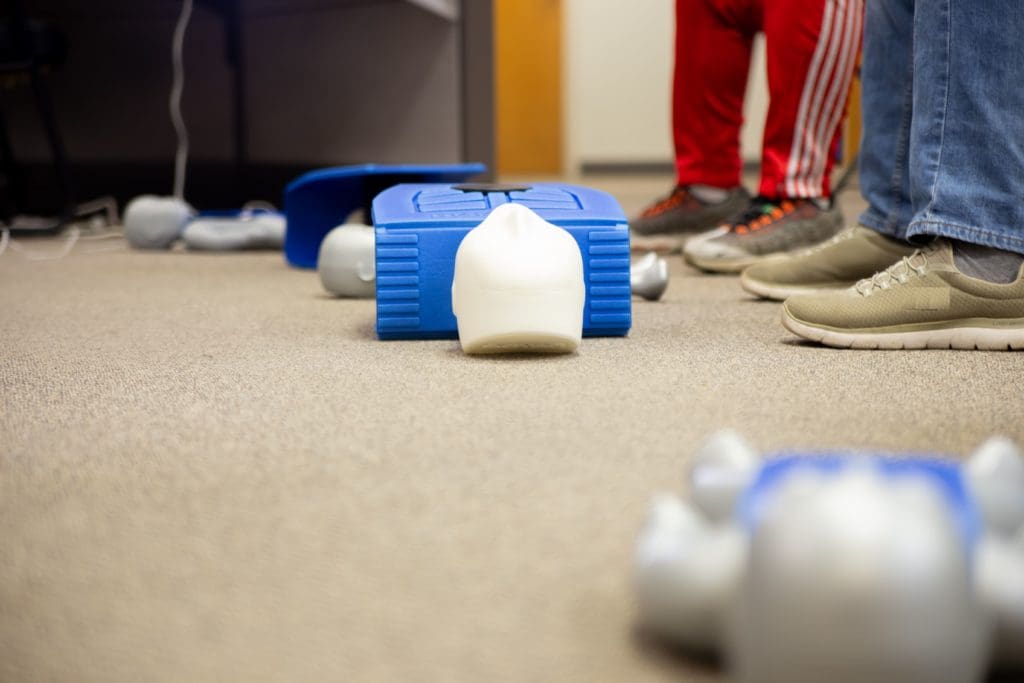
Beyond the card, build local protocols. Decide who carries the kit, how dispatch works within the building, how you confirm cylinder pressure during opening checks, and how you document use. Pair drills with AED practice. Many teams use Defibtech AED training units in Canada to simulate realistic scenarios without risking live shocks. Doing a full drill that includes moving the oxygen bag, selecting a nonrebreather mask, setting 12 LPM, and coordinating with AED prompts makes the difference between theory and muscle memory.
Safe handling, storage, and refilling
Oxygen enriches combustion. Flames ignite more easily and burn hotter in an oxygen rich environment. Respect the hazard and you will be fine.
Keep oxygen at least two meters from open flames or high heat. Do not smoke near the kit. Never use oil, grease, or petroleum products on valves, regulators, or fittings. Clean only with approved materials and dry cloths. Secure cylinders upright with straps or in dedicated mounts. When mobile, cap the valve and prevent rolling. Store between roughly 10 and 25 degrees Celsius where possible. Below freezing, masks and valves stiffen and can leak. If cold exposure is unavoidable, warm components quickly in gloved hands before use and consider cold rated devices. Check hydrostatic test dates and cylinder condition. Aluminum medical cylinders usually require hydrostatic testing every five years. If you cannot confirm status, send the cylinder to a licensed gas supplier.
Refill logistics vary by region. Many Canadian suppliers of first aid oxygen handle swaps rather than refills on site. You return an empty D or E cylinder and receive a full one after documentation. Some first aid supplies online in Canada operate national networks and coordinate local swaps, which works well for organizations with multiple sites. Sync your swaps with training calendars to keep skills fresh.
Integrating oxygen with AED programs
Sudden cardiac arrest and respiratory compromise are related, not identical. Many arrests are precipitated by hypoxia. Others start as primary cardiac events. In either case, the response package is similar: early recognition, a call to 911, high quality CPR, rapid defibrillation, and if indicated, oxygen. As soon as the AED pads are on and compressions are underway, a second rescuer can place a nonrebreather on the still breathing patient or set up a bag valve mask with oxygen for assisted ventilations.
Device ecosystems matter. If your organization standardized on ZOLL defibrillators, you may already stock compatible Zoll AED accessories in Canada such as spare pads, wall cabinets with alarms, and rescue ready kits. Coordinate oxygen placement with AED cabinets, and make sure your bag valve mask has a clear place in the response plan. On the training side, match your simulator to what your staff will see. Defibtech AED training units in Canada are easy to deploy for drills without depleting live AED batteries or pads, and they let you stage scenarios where one team handles the AED while another sets oxygen and manages airways. Muscle memory at the team level shortens the gap between equipment arrival and first effective breath.
Buying wisely, maintaining relentlessly
Canadian organizations often piece their kits together slowly, then discover integration headaches. Start with a vendor who understands first aid oxygen supplies in Canada and will support the life cycle beyond the initial sale. It is convenient to buy first aid supplies online in Canada, particularly if you manage multiple sites. The better online providers tie purchasing to reminders, training add ons, and CPR supply delivery in Canada that arrives before expiry dates catch you off guard.
Budget both capital and operating costs. Hardware is a one time spend that lasts years if cared for. Operating costs include refills, hydrostatic tests, replacement masks, new one way valves after each use, training every three years or sooner for high risk roles, and time spent on drills. For a small office, a basic oxygen kit with a D cylinder, regulator, nonrebreather masks, cannulas, a BVM, OPAs, and a case might land in the 800 to 1,500 CAD range. Add a second cylinder, a rugged case, and a higher grade BVM, and it moves toward 2,000 CAD. Refills run tens of dollars per cylinder depending on the market and delivery method. These are ballpark figures. Regional variation is real, especially far from major centers.
Quality shows up in small details: metal rather than plastic yokes, regulators with stable low flow settings that do not drift, masks that seal on real faces rather than only on manikins, and cases that tolerate winter. Buy once, cry once, but do not gold plate a kit so heavily that staff hesitate to use disposable components. Oxygen delivery devices should be single use where they contact mucosa. Plan to replace them after every patient encounter.
A compact readiness checklist
Verify cylinder pressure above your internal minimum, often 1,000 psi for D and E cylinders. Inspect regulator function and flow selector detents, and check hoses for cracks. Confirm presence of masks, cannulas, BVM with reservoir, OPAs in common sizes, and a working pulse oximeter with spare batteries. Stage gloves, eye protection, wipes, and a simple log sheet with pen in the outer pocket. Place oxygen where responders can reach it in under two minutes from likely incident locations.
Quick start steps during an emergency
Assign roles: one calls 911 and gets the AED, one assesses the airway and breathing, one brings the oxygen kit. If breathing is present but labored, apply a nonrebreather mask at 10 to 15 LPM and seal it well. If not adequate or absent, set up the BVM with oxygen at 10 to 15 LPM and begin ventilations with adjuncts as trained. Reassess every two minutes, adjust flow and device based on chest rise, skin color, level of consciousness, and pulse oximetry trend if available. Coordinate with AED prompts and CPR cycles, avoiding prolonged interruptions in compressions. Prepare a brief handoff: time found, presentation, oxygen started with device and flow rate, changes observed, and any risk factors or exposures.
Common mistakes and how to avoid them
The problems that derail oxygen use tend to be mundane. The cylinder is empty because no one looked at the gauge during monthly checks. The regulator leaks because a washer is missing or an oil contaminated O ring swelled and failed. The team forgets to prefill the nonrebreather reservoir bag, so early breaths are not enriched. The BVM reservoir hose never got attached to the regulator, and no one notices because the rescuer is focused on compression cadence. In winter, a kit rides in an unheated vehicle overnight, and plastic valves crack on first squeeze.
Prevent these with predictable routines. Put oxygen checks in the same monthly calendar as AED pad and battery checks. Use tamper tags on kit zippers. Practice with the exact gear every quarter. Keep a small spare parts pouch with washers, a backup oximeter, and a second adult nonrebreather. Teach responders to call out what they are doing in plain language during an emergency. Simple verbalizations like 12 liters per minute on nonrebreather, reservoir full give everyone a chance to catch a miss.
Special situations that deserve forethought
Marine environments corrode metal fast. Choose regulators with corrosion resistant coatings, rinse the exterior with fresh water after salt exposure, and inspect more often. On ski hills, you trade weight against stamina. A compact M6 cylinder is better than nothing on a black diamond run when the snow is deep. Stage larger E cylinders at strategic huts for changeovers.
In community centers and schools, discretion matters. Keep the kit visible to responders yet out of reach of curious hands. Wall brackets near AED cabinets work well when supervised. In dental clinics and sedation settings, oxygen is common and staff are trained, but first aid crews should still run drills that include transfers into hallways and elevators where airflow and positioning change.
Industrial operations with specific inhalation hazards need to think beyond oxygen: ensuring safety showers, supplied air for rescues in IDLH atmospheres, and tight integration with internal emergency response teams. In these places, emergency oxygen is a downstream tool after scene safety is established.
Connecting supply chains across Canada
Canada’s geography can frustrate otherwise simple plans. Urban buyers in Vancouver, Calgary, Montreal, or Halifax often have multiple choices for vendors and gas suppliers. A rural municipality may have one supplier with limited delivery days. National organizations solve this by centralizing standards but decentralizing logistics. They select a short list of approved kits and then work with partners who can deliver CPR supply delivery across Canada on a predictable cadence. They also lean on online platforms that track serial numbers, hydrostatic due dates, and training expiries across all sites.
For small teams, choose suppliers who answer the phone and know your context. If you run a volunteer arena, you want someone who will overnight a replacement regulator on a Friday when the old one fails during pre-tournament checks. If you are building an AED program, consider bundling compatible items such as spare pads, cabinets, and signage. When you purchase Zoll AED accessories in Canada or similar ecosystem items from other brands, verify storage temperatures and expiry dates align with the environments you face.
Documentation that protects both patients and programs
After any use, debrief and document. Record the time oxygen started, device and flow rate, observed effects, and handoff details. Wipe down the regulator and exterior surfaces with appropriate disinfectants, discard single use components, and restock immediately. Update logs and tag the kit as ready. If any component failed or confused the user, write it down while the memory is fresh, then adjust equipment or training.
Maintenance documentation tells its own story. A year’s worth of monthly checks with pressures noted and signatures attached shows diligence. Regulators that fail leak tests get pulled and serviced. Cylinders with approaching hydrostatic dates are swapped ahead of time. Programs with this rhythm survive staff turnover https://riverfaie282.theglensecret.com/workplace-safety-upgrade-emergency-training-equipment-canada-buyers-should-consider and audits.
The judgment call: when oxygen helps, when it distracts
Hands get busy in emergencies. It is tempting to throw everything at the problem at once. The hierarchy still applies. If the person has no pulse, start compressions and attach the AED. Oxygen can and should be integrated, but not at the expense of defibrillation. With a breathing patient, oxygen is an early move with a strong upside. For an asthmatic hunched over, moving little air, putting a nonrebreather on while someone prepares a spacer and inhaler often nets quick improvement. For a chest pain patient who is not hypoxic and is breathing comfortably, many EMS medical directors now advise against routine high flow oxygen. In the first aid context, do not chase a number on a pulse oximeter if clinical signs are reassuring. Prioritize the whole picture.
Experience teaches timing. The first few times, you will fumble a clip or forget to open the cylinder. That is why drills with real kits and realistic Defibtech AED training units in Canada or your brand’s equivalent are so useful. After a while, hands move without thought, oxygen hisses on, the mask seats, and you have bandwidth to think about the next move.
Building a culture around readiness
Equipment gets used in organizations that talk about it. A poster near the AED cabinet with the oxygen kit location, three photos showing device options, and a reminder of the internal emergency number prompts memory. Short refreshers at staff meetings, three minute micro drills at shift start, and a simple recognition program for responders who complete training all add up. In volunteer settings, appreciation fuels retention. In corporate settings, clarity and practice reduce liability as much as they improve outcomes.
There is no single blueprint that fits every Canadian setting. There are patterns that work with small edits. Simple, reliable gear. Training that matches the risk. Supplies you can get refilled without drama. Documentation that proves you care. Partners who deliver on time. The rest is judgment shaped by practice. Oxygen is not flashy, just quietly essential. When the air goes thin for someone in your care, it becomes the most important piece of equipment in the room.
CPR Depot Canada — Business Info (NAP)
Name: CPR Depot Canada
Address: 340 Croft Dr, Tecumseh, ON N8N 2L9
Phone: +1-877-570-7322
Website: https://cpr-depot.ca/
Email: [email protected]
Hours:
Monday: 9:00 AM – 6:00 PM
Tuesday: 9:00 AM – 6:00 PM
Wednesday: 9:00 AM – 6:00 PM
Thursday: 9:00 AM – 6:00 PM
Friday: 9:00 AM – 6:00 PM
Saturday: Closed
Sunday: Closed
Open-location code (Plus Code): 8537+C8 Tecumseh, Ontario
Map/listing URL: https://www.google.com/maps/place/CPR+Depot/@42.3036,-82.8392601,17z/data=!3m1!4b1!4m6!3m5!1s0x883b2aedd5f271a1:0xfee6f8b7ab8f4110!8m2!3d42.3036!4d-82.8366852!16s%2Fg%2F1q6cff15h
Embed iframe:
Socials:
https://www.facebook.com/people/CPR-Depot-Inc/61575911496200/ https://www.instagram.com/cprdepotinc/ https://www.youtube.com/@CPRDepot
"@context": "https://schema.org", "@type": "Store", "name": "CPR Depot Canada", "url": "https://cpr-depot.ca/", "telephone": "+1-877-570-7322", "email": "[email protected]", "address": "@type": "PostalAddress", "streetAddress": "340 Croft Dr", "addressLocality": "Tecumseh", "addressRegion": "ON", "postalCode": "N8N 2L9", "addressCountry": "CA" , "openingHoursSpecification": [ "@type": "OpeningHoursSpecification", "dayOfWeek": "Monday", "opens": "09:00", "closes": "18:00" , "@type": "OpeningHoursSpecification", "dayOfWeek": "Tuesday", "opens": "09:00", "closes": "18:00" , "@type": "OpeningHoursSpecification", "dayOfWeek": "Wednesday", "opens": "09:00", "closes": "18:00" , "@type": "OpeningHoursSpecification", "dayOfWeek": "Thursday", "opens": "09:00", "closes": "18:00" , "@type": "OpeningHoursSpecification", "dayOfWeek": "Friday", "opens": "09:00", "closes": "18:00" ], "geo": "@type": "GeoCoordinates", "latitude": 42.3036, "longitude": -82.8366852 , "hasMap": "https://www.google.com/maps/place/CPR+Depot/@42.3036,-82.8392601,17z/data=!3m1!4b1!4m6!3m5!1s0x883b2aedd5f271a1:0xfee6f8b7ab8f4110!8m2!3d42.3036!4d-82.8366852!16s%2Fg%2F1q6cff15h", "identifier": "8537+C8 Tecumseh, Ontario"
CPR Depot Canada is a supplier of medical training products and related supplies serving customers across Canada.
The business is listed at 340 Croft Dr, Tecumseh, ON N8N 2L9.
To contact CPR Depot Canada, email [email protected] or call +1-877-570-7322.
Hours listed are Monday–Friday 9:00 AM–6:00 PM, with Saturday and Sunday closed.
For directions and listing details, use: https://www.google.com/maps/place/CPR+Depot/@42.3036,-82.8392601,17z/data=!3m1!4b1!4m6!3m5!1s0x883b2aedd5f271a1:0xfee6f8b7ab8f4110!8m2!3d42.3036!4d-82.8366852!16s%2Fg%2F1q6cff15h
Popular Questions About CPR Depot Canada
Where is CPR Depot Canada located?
CPR Depot Canada is listed at 340 Croft Dr, Tecumseh, ON N8N 2L9.
What are the hours for CPR Depot Canada?
Hours listed: Monday–Friday 9:00 AM–6:00 PM; Saturday and Sunday closed.
What does CPR Depot Canada sell or provide?
CPR Depot Canada supplies medical and first aid training products and related equipment (product availability varies).
Do they ship across Canada?
The business markets to Canadian customers and operates as a Canada-wide supplier; confirm shipping options at checkout or by contacting [email protected].
How can I contact CPR Depot Canada?
Phone: +1-877-570-7322
Email: [email protected]
Website: https://cpr-depot.ca/
Map: https://www.google.com/maps/place/CPR+Depot/@42.3036,-82.8392601,17z/data=!3m1!4b1!4m6!3m5!1s0x883b2aedd5f271a1:0xfee6f8b7ab8f4110!8m2!3d42.3036!4d-82.8366852!16s%2Fg%2F1q6cff15h