The Blind Love of the Eagle Mother Moral Story For Kids
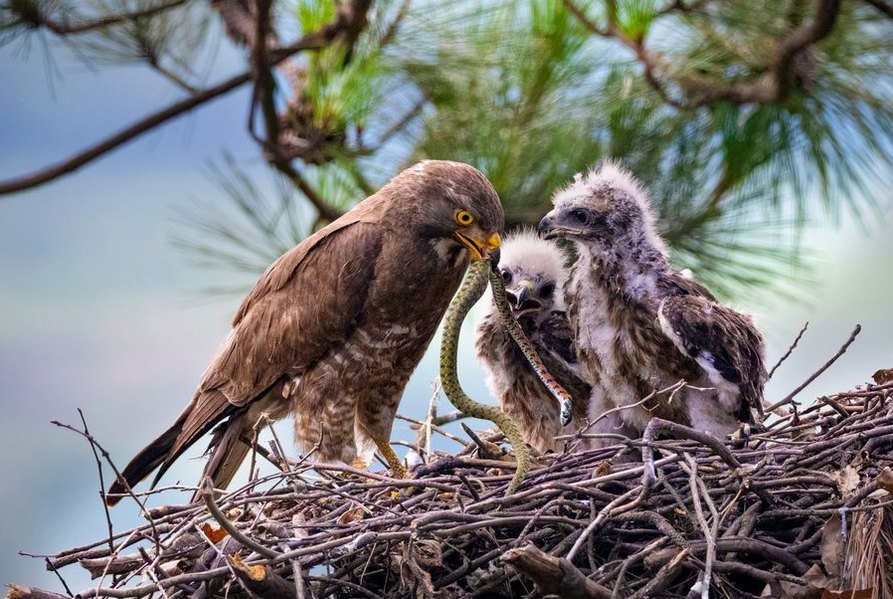
Before sharing this story with a child, read it yourself. The blind love of the eagle mother moral story for kids can affect children and adults in different ways. A child may hear an adventure about eagles and elders, while a parent may recognize an uncomfortable reflection of their own protective instincts.
The plot is simple. A mother eagle shields her only son from every difficulty, while the father lacks the resolve to intervene. The chick grows large and well-fed, yet remains completely helpless. When the village elders overturn the nest and force the young eagle to fall, he cannot beat his wings because nobody has taught him how. The elders catch him, train him for one month, and return a bird who can fly, hunt, and carry prey in his talons. At the end, the eaglet states the lesson himself: blind love can lead to trouble.
Why the Story Works for Young Readers
Mountain eagles suit a story about pride and independence. Children already connect eagles with strength and freedom, so seeing one unable to fly gives the moment real dramatic force. The eaglet's claim that he will become king, despite being unable to leave the nest, is amusing for a child and uncomfortable for an adult.
The story also moves quickly. The conflict develops in one scene: neighbors question the father, the elders arrive, the mother blocks the nest with her body, and the nest is overturned. There is no long moral lecture before the fall. The consequence comes quickly, followed by a practical correction. Children can follow the chain of cause and effect: overprotection leaves the eaglet helpless, helplessness brings humiliation, and outside intervention creates an opportunity to grow.
The Risk the Story Puts into Words
The mother's mistake is not loving her son. She waited years for that egg, so her attachment is understandable. The problem lies in what she does because of that love. She blocks the father's attempts to train the chick, dismisses the neighbors' concerns, and physically shields her son from the elders who come to help. Each action appears caring on its own. Together, they cause harm.
That distinction gives parents a useful way to discuss the story with a child. Instead of asking whether the mother was bad, ask what her choices produced. The eaglet cannot fly, expects others to bring him food, and imagines himself as powerful despite his dependence. His fantasy of becoming king compensates for what he cannot do. Children can connect that progression with situations from their own lives, including times when too much help has kept them from learning a skill.
The Father's Role and Why It Matters
The father also bears responsibility. He understands that his son needs training and wants to begin the lessons, but he repeatedly gives in to his wife because he loves her and «could not contradict her». The elders identify his failure directly: «You failed to raise your only son.» His passivity carries as much weight as the mother's overprotection.
For children, this part of the story creates a broader conversation about adult responsibility. Both parents have a duty to support the chick's development. One acts from fear of losing her son; the other avoids conflict. Neither approach prepares the eaglet for life. The story therefore offers a more realistic picture of how a child can grow up unprepared than a simple villain-and-victim plot would provide.
Reading It Aloud: What to Watch For
The overturned nest may alarm younger children during their first reading. The mother cries that her son will smash against the rocks. Pause at that point. It is the emotional peak, and moving too quickly through it weakens the contrast with what happens next. The elders do not allow the bird to die. They swoop in, catch him, and teach him. The intervention looks violent, but it is carefully controlled. With a child under eight, it is worth discussing the difference between how an event feels in the moment and what it ultimately produces.
Children from nine to twelve often pay closer attention to the eaglet's speech about becoming king. Read that passage in a straight voice, then pause before the elders laugh. The absurdity needs room to register. Children in this age group may recognize someone like the eaglet, or they may recognize the same impulse in themselves. Neither response requires correction. The story can carry the discussion.
Mistakes Adults Make When Teaching This Story
The most common mistake is turning the final lesson into a lecture. The eaglet states the moral himself in the last paragraph, clearly and in his own voice. Repeating it immediately as a lesson the child must memorize can interfere with the child's own interpretation.
Another mistake is presenting the mother only as a warning. Children who feel strongly attached to their own parents may become defensive. A better discussion can acknowledge that her love is genuine and her fear of loss is understandable, then explore what different choices might have looked like. This keeps the conversation focused on decisions and consequences rather than judgment.
After the story ends, ask one open question: «What do you think the eaglet would have become if the elders had never come?» The question returns the child to the story's logic instead of demanding a memorized answer. Their response will show what they understood more clearly than another explanation of the moral.