How to Prepare Your Air Conditioning for Summer in Nixa, MO
Late spring in Christian County has a familiar feel. Mornings stay tame, afternoons creep into the mid-80s, and by June the humidity settles in like a wet towel. In Nixa, summer heat arrives quickly, and so does the first round of calls to every HVAC Company Nixa, MO residents can find. If your air conditioner hasn’t had a proper tune-up since last year, you’re rolling the dice during the first heat wave. Preparing now keeps your home comfortable, your bills manageable, and your system from limping through the hottest stretch.
What follows is a practical guide built from years of seeing what actually fails, what’s worth doing yourself, and when it’s smarter to call a pro. It’s tailored to the quirks of southwest Missouri weather and the typical equipment found in Nixa neighborhoods, from mid-2000s split systems to newer variable-speed heat pumps.
What “ready for summer” really means
Air conditioning isn’t just cold air. A well-prepared system cools, dehumidifies, and runs efficiently without short cycling. On a sticky July afternoon, a tuned system should pull indoor humidity down to the 45 to 55 percent range, hold temperature within a degree or two of your setpoint, and maintain steady airflow in every room. If you hear the condenser outside turning on and off every few minutes, or the thermostat shows 73 while the house feels clammy, something is off.
In Nixa, most homes use a split system: an outdoor condensing unit with a compressor and fan, and an indoor air handler or furnace with an evaporator coil. Some neighborhoods have heat pumps for both Heating & Cooling, especially in newer builds, while others pair a gas furnace for Heating with a standard AC condenser for summer. The routine below applies to both, with a few notes for heat pumps.
Start with the filter, then the airflow
I’ve lost count of the number of “no cool” calls that turned into a five-minute fix because the filter was clogged. It feels too simple, but restricted airflow is the root cause of many early-summer breakdowns. A dirty filter drives up static pressure, the evaporator coil gets too cold, frost forms, and airflow drops even more. Left long enough, the coil freezes solid and the system shuts down.
Disposable filters should be checked monthly and replaced every 30 to 90 days depending on dust load, pets, and construction activity. High-MERV filters catch smaller particles but restrict more airflow. For most systems in our area, MERV 8 to 11 is a safe range. If you’ve upped your MERV rating and noticed rooms getting stuffy, step back down and see if comfort improves. For reusable media cabinets, follow the manufacturer’s cleaning schedule and avoid over-washing to the point the media degrades.
While you’re at it, open every supply register fully and make sure return grilles aren’t blocked by furniture or rugs. Closing vents in unused rooms to “push more air” elsewhere usually backfires. It changes the system’s designed pressure and can cause short cycling or coil freezing. Balance is better than throttling. If certain rooms run hot, note them now. You’ll use that list after completing a few other steps.
Clear the outdoor unit like you mean it
Nixa winds in March and April can fill a condensing unit with oak tassels, grass clippings, cottonwood fluff, and winter debris. Anything that blocks airflow through the coil forces the compressor to work harder and longer. I’ve seen compressors trip on thermal overload simply because a unit sat in a nest of landscaping mulch and leaves.
Shut off power at the disconnect before you clean. Remove the top grille if you’re comfortable and gently lift out leaves from the bottom of the cabinet. Use a garden hose to wash the coil from the inside out. Don’t blast it with a pressure washer. You want to rinse away dirt without flattening fins. Straighten any bent fins with a fin comb. Keep at least two feet of clearance around the unit and trim shrubs so they don’t reclaim that space by July. If your unit sits under a gutter that overflows, fix the gutter. Dirty water streaking down a coil quickly binds dust into a mat that halts airflow.
On heat pumps, do the same. They operate year-round and often carry a heavier debris load because they run in shoulder seasons. If you see heavy oil staining on one section of the coil, that can indicate a refrigerant leak. Stop and call an HVAC Contractor Nixa, MO residents trust to test and repair.
Check condensate drainage before humidity spikes
The first humid week separates the prepared from the panicked. Air conditioners pull moisture from the air, which collects in a drain pan under the indoor coil. That water exits through a condensate line, usually PVC, and heads to a floor drain or outside. Algae and dust can clog that line over winter.
Locate the cleanout on the condensate line near the air handler and remove the cap. Pour in a cup of white vinegar and chase with warm water. If water backs up, you’ve got a partial blockage. A shop vac on the exterior drain outlet often clears it. Some systems include a safety float switch that shuts the system down if the pan fills. Test it now by lifting the float gently. If the system cuts off, it’s working. If you don’t have a float switch, consider adding one. It’s a modest upgrade compared to the cost of ceiling repairs from an overflow.
Attic air handlers need special attention. In Nixa’s summer heat, attics can hit 120 to 140 degrees. Any small condensate issue up there quickly becomes a big one. Ensure the secondary drain pan under the unit is intact and the emergency drain line is clear. If your secondary drain terminates in a soffit or near a window, you may notice it dripping. That’s your early warning you have a primary blockage.
Test the thermostat like a skeptic
Thermostats fail more often than people think, and settings drift over winter. Switch yours to cooling, set it a few degrees below room temperature, and watch what happens. The outdoor unit should kick on, and after a short delay you should feel cool air at the supply registers.
If you have a smart thermostat, confirm your summer schedule. Many default to aggressive energy-saving profiles that raise the setpoint too high during the day, then the system runs hard in late afternoon trying to catch up. In high humidity, that rapid recovery often feels clammy. For better comfort, take a gentler approach: if you typically set the house to 74 while home, try letting it drift to 76 or 77 while you’re away, not 80. With Missouri humidity, moderation wins.
Advanced tip for variable-speed systems: enable a dehumidification or “cool-to-dehumidify” mode if available. These modes lower blower speed slightly to increase moisture removal. It can make a large comfort difference without a lower setpoint.
Take a baseline: temperature split and humidity
With the system running for 15 to 20 minutes, measure supply and return air temperatures using a decent thermometer. A typical temperature split for a properly charged and clean system is roughly 16 to 22 degrees. For example, if the return is 75, you might see 55 to 59 at the nearest supply. This number alone doesn’t diagnose everything, but it gives you a baseline for the season. If you see only a 10-degree split, airflow might be high, the coil dirty, or the charge low. If you see 25 or more, Go to the website you might have restricted airflow or a freezing coil.
Humidity matters as much as temperature in Nixa. Place a small hygrometer in a central room. On a standard summer day, a tuned system should bring indoor relative humidity into the 45 to 55 percent range. If humidity lingers at 60 percent or higher, you’ll feel sticky. That usually points to high blower speed, oversized equipment short cycling, or a refrigerant or coil issue. Heat pumps that are slightly oversized tend to show this behavior in shoulder seasons. Don’t ignore humidity. It’s often the symptom that reveals a deeper balance problem.
Inspect the indoor coil and blower if access allows
Homeowners often skip this, but a visual check can prevent a summer-long efficiency penalty. If your evaporator coil has an access panel, remove it carefully. Look for dirt buildup on the leading edge of the coil fins. Dust bypasses even good filters over time. A light coating reduces heat transfer, which reduces capacity. If you see heavy matting, call a pro for a proper coil cleaning. DIY chemical cleanings can damage the fins or create leaks if used incorrectly.
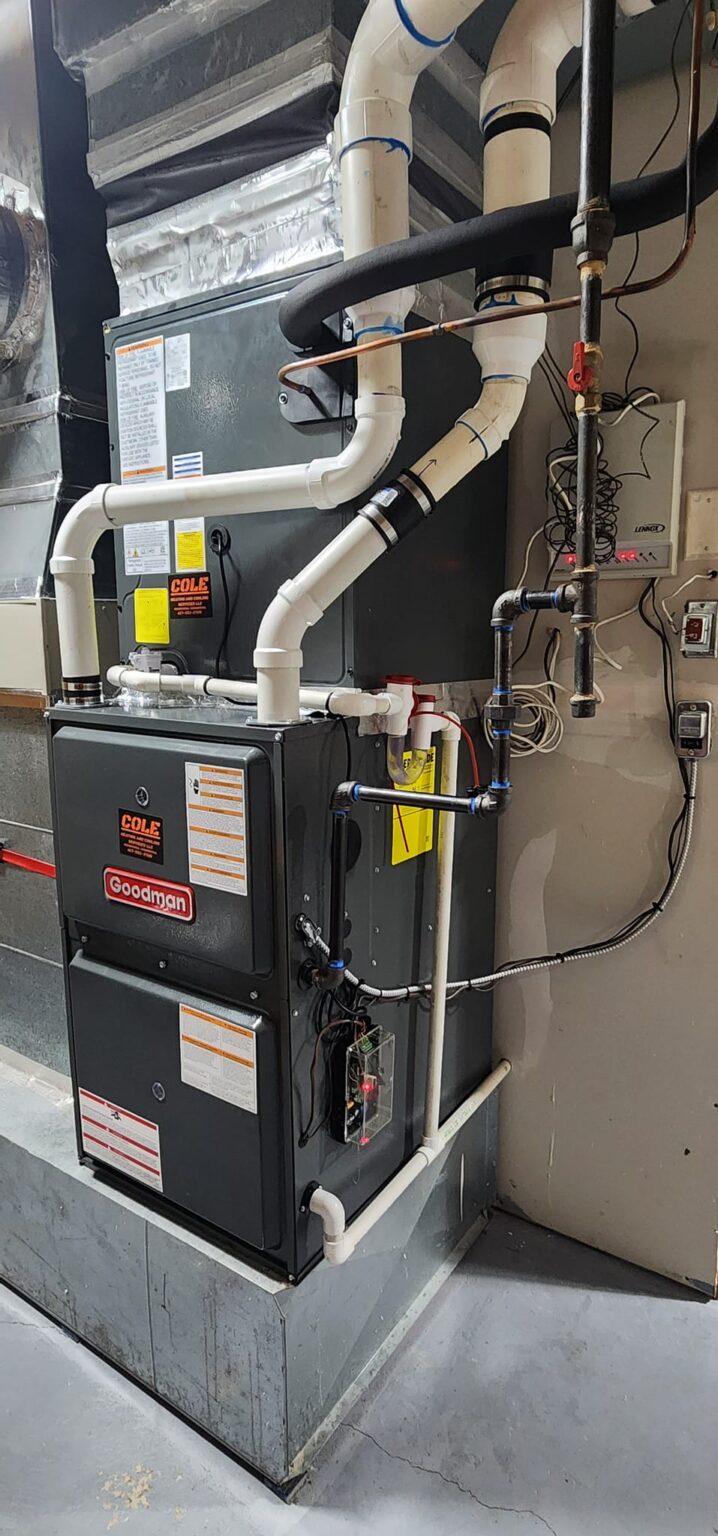
The blower wheel deserves a look as well. A wheel covered in dust throws off balance and reduces airflow by a surprising amount. I’ve measured 10 to 20 percent drops after a year in homes with pets or nearby construction. Cleaning the wheel requires removing it, which most homeowners prefer to leave to an HVAC Contractor Nixa, MO homeowners rely on for service. But simply knowing its condition helps with planning.
Check ductwork with a simple pressure test and a flashlight
Leaky ducts cost money and comfort. Supply ducts in attics or crawlspaces dump cool air into spaces you don’t live in, while return leaks pull hot, dusty attic air into your system. You can’t fix what you can’t see, but you can hunt obvious problems.
Set the system to fan-only mode. Close exterior doors and access the attic or crawlspace safely. Feel along exposed ducts for cool air escaping. Pay attention to connections at the plenum, takeoffs, and boot connections at ceiling registers. Tape that looks silver may not be real foil tape; cloth duct tape dries out and peels in high heat. If you find loose joints, real foil mastic tape or brush-on mastic is the proper sealant. Avoid sealing flexible duct with anything other than approved products. If you see crushed flex or long runs that snake around like a garden hose, airflow suffers. Straightening and supporting flex can reclaim lost performance without replacing anything.
A professional static pressure test tells the full story. If your system operates above about 0.5 inches of water column in total external static pressure, you’re stressing the blower and raising energy consumption. Many homes around Nixa, especially those with retrofitted higher-MERV filters, run higher than that. A good contractor can measure and suggest low-cost improvements, from larger return grilles to short duct modifications that pay back quickly.
Clean the coil outside the cabinet when pollen season peaks
Nixa’s spring pollen hits hard. If you cleaned the outdoor unit in April, plan a quick rinse again after cottonwood season tails off. A ten-minute rinse saves you hours of runtime over the summer. Look through the coil fins. If you can’t see light, air can’t move freely. Keep grass clippings away when mowing. Turning the unit off with the disconnect before yard work is a good habit. A rock propelled by a mower can nick a coil, and a running fan will pull in dust like a magnet.
Know the sounds and smells that predict trouble
Systems telegraph problems before they fail. Clicking at the contactor outside without the compressor engaging often points to a failed capacitor. A high-pitched whine from the outdoor unit can indicate a failing fan motor. A musty smell at startup that fades after a minute usually signals microbial growth on the coil or in the drain pan. A sour gym-sock odor that persists can be a coil biofilm problem that needs professional cleaning and possibly UV treatment.
Electrical burning smells are a stop-now signal. Disconnect power and call a professional. When a blower motor overheats, it often trips a thermal limit and resets when cooled, which tempts some to restart. Multiple overheats shorten motor life dramatically.
Set realistic expectations for system age and efficiency
Equipment ages in dog years when ignored. A well-maintained split system in Nixa typically lasts 12 to 15 years. Heat pumps work year-round and often land near the lower end of that range. At around 10 years, efficiency slips a few percent, blower motors grow noisier, and refrigerant leaks become more likely. That doesn’t mean replace on a birthday. It means plan. If your unit is 14 years old and needs a compressor, weigh the repair cost against the seasonal energy savings of a modern unit. Newer systems with higher SEER2 ratings and variable-speed compressors can trim 20 to 40 percent off cooling energy use, especially if your existing system dates to pre-2010 standards.
If you’re considering replacement, local load matters. Builders sometimes install 4-ton units in 2,000-square-foot homes as a one-size-fits-all approach. Proper load calculations often show a smaller, better-matched unit delivers better comfort with longer runtimes that wring out humidity. Talk to an HVAC Company Nixa, MO homeowners recommend for right-sizing rather than swapping like-for-like. Insist on a Manual J calculation and discuss duct static measurements before signing.
When to call a professional before summer
There’s DIY, and there’s asking for help before a small problem becomes a weekend emergency call. Even if you’re comfortable with basic maintenance, a pre-season tune-up has value when it includes meaningful checks: refrigerant pressures and superheat/subcooling, electrical readings on capacitors and contactors, blower amperage compared to nameplate, coil temperature drop, and static pressure. A real tune-up takes about an hour to do right.
Heat pumps benefit from an additional check of reversing valve operation and defrost board condition. If your system uses R-22 refrigerant, note that it’s long out of production, and topping off a leak gets expensive and is a short-term bandage. At that point, it’s time to plan a replacement.
As for cost, reputable Heating and Air Conditioning in Nixa, MO providers typically charge a seasonal tune-up fee that sits below the cost of a single after-hours call. If your contractor can show you numbers, not just say “everything looks good,” you’re getting the service you need.
Quiet comfort: airflow, insulation, and the overlooked envelope
Air conditioners do their best work when they aren’t fighting the house. In a typical Nixa ranch home built in the 1990s or 2000s, attic insulation might be R-19 to R-30, which falls short of the R-38 to R-49 range recommended for our climate. Topping up blown insulation and sealing obvious attic air leaks around can lights and chases can lower the cooling load enough that your system cycles less and holds steadier humidity.
Window treatments matter on west-facing rooms. I’ve seen a 3 to 5 degree difference in late afternoon with and without good shades. If a room runs hot regardless of the rest of the house, measure supply temperature and airflow at that register compared to others. It may be a simple balancing issue or a crushed duct. Fixing distribution beats dropping the thermostat two degrees and paying for it all summer.
A short, practical pre-summer checklist
Replace or clean the air filter and verify all returns and supplies are unobstructed. Rinse the outdoor coil thoroughly, clear vegetation, and ensure two feet of clearance. Flush the condensate line with vinegar and test the float switch if present. Verify thermostat settings, run a test cycle, and note temperature split and humidity. Look for obvious duct leaks and repair with mastic or foil tape, not cloth duct tape.
Common pitfalls specific to our area
Cottonwood season is a known offender. Those fluffy seeds make a felt-like blanket on condenser coils. Plan a mid-season rinse if your street has mature trees. Construction dust from nearby development finds its way into return paths. If a subdivision is going up behind your fence, shorten your filter change interval by half. Storm-driven power fluctuations can take out capacitors. A surge protector designed for HVAC equipment is cheap insurance and installs at the disconnect.
Basements that stay cool can confuse homeowners into thinking the AC is overperforming while upstairs bakes. That’s a distribution and envelope challenge, not a capacity issue. In two-story homes, a simple fan setting change from Auto to On during peak heat sometimes helps mix air, but it can raise humidity because the coil warms between cycles. Better is to adjust blower speed and balance dampers, or add a return upstairs if missing.
What a good seasonal service visit looks like
When you call an HVAC Contractor Nixa, MO homeowners recommend for a spring tune-up, expect more than a cursory wash. A technician should:
Measure refrigerant charge using superheat and subcooling appropriate to your metering device, then explain whether you’re within target. Test capacitor microfarads against rating, check contactor wear, and tighten electrical connections with torque where required. Record static pressure, temperature split, and blower and condenser fan motor amps, then compare to nameplate and share the findings. Inspect the evaporator coil and blower wheel condition and recommend cleaning if buildup is significant. Verify condensate safety devices and clear drain lines.
Those datapoints create a baseline you can refer back to if comfort drifts in July. If a technician won’t share numbers, ask for them. It’s your system, and those numbers are the difference between guesswork and real maintenance.
Upgrade options that actually pay off in comfort
Not every add-on earns its keep. Here are two that typically do in our climate. A properly sized media filter cabinet reduces pressure compared to cramming a high-MERV 1-inch filter into a return grille. You get better filtration with less airflow penalty. A dedicated whole-home dehumidifier helps in shoulder seasons when the AC doesn’t run long enough to control humidity, and during heat waves when you want to hold 45 to 50 percent RH without driving the setpoint lower. Pairing a dehumidifier with a slightly higher thermostat setting often nets real energy savings and a more consistent feel throughout the house.
UV lights can help keep the coil cleaner, which indirectly supports performance. They aren’t a cure-all and require annual bulb changes. If you choose one, select a model built for coil irradiation rather than duct air sanitation, and mount it where it shines on the wet coil surface.
Safety and small tools that make the work easier
A non-contact voltage tester helps you verify power is off at the disconnect. A basic digital manometer isn’t required for homeowners, but even an inexpensive hygrometer and a reliable probe thermometer give you useful data. Keep a dedicated wet vac for the condensate line. Vinegar and bleach smells stick around, and you don’t want to pull that into a vacuum you use elsewhere.
Outdoor unit pads settle over time in our clay soils. If your condenser leans more than a few degrees, correct it. An uneven unit stresses fan bearings and can affect oil return Cole HVAC Air Conditioning Repair Nixa, MO in a compressor. Simple plastic shims designed for condensers slide under the pad easily.
What to watch as summer wears on
Systems that start strong can falter as dirt accumulates and weather intensifies. If you notice longer runtime to maintain the same setpoint, more frequent cycling, or rising energy bills disproportionate to weather, revisit the basics: filter, outdoor coil cleanliness, condensate drainage, and duct leaks. Compare your current temperature split and humidity to the baseline you took in spring. A change points you toward the cause.
If your system runs all afternoon and never quite reaches setpoint during a heat wave, don’t panic. On the hottest days, many systems designed for typical design conditions will lag an extra degree or two. Consistency the next day is the real test. If it perpetually falls behind, you may be chasing an oversized or undersized equipment issue, poor duct design, or a building envelope gap that a contractor can help diagnose.
The value of a relationship with a local pro
Working with a reputable provider of Heating and Air Conditioning in Nixa, MO isn’t just about emergency repairs. A good contractor learns your system’s quirks, keeps past measurements on file, and spots trends before they become failures. Ask neighbors who they use, look for a track record of measured, not pushy, recommendations, and prioritize techs who share data and options. Whether you need routine service, a mid-season coil cleaning, or guidance on replacing aging equipment, a trusted partner saves time and anxiety.
Preparing your air conditioning for summer in Nixa isn’t complicated, but it rewards attention to detail. Clean airflow paths, a clear drain, honest measurements, and a quick rinse at the right time do more for comfort and efficiency than any gimmick. Start early, take notes, and you’ll coast through the first heat wave while others hunt for box fans at the hardware store. And if you prefer to hand off the work, an experienced HVAC Company Nixa, MO homeowners rely on can knock out the essentials in a single visit and leave you with numbers you can trust.
Name: Cole Heating and Cooling Services LLC
Address: 718 Croley Blvd, Nixa, MO 65714
Plus Code:2MJX+WP Nixa, Missouri
Phone: (417) 373-2153
Email: [email protected]