Herd Knowledge: Team Building with Horses for Natural Groups
The first time I enjoyed a task supervisor attempt to lead a mare via an easy maze with no rope, he marched in advance and never looked back. The steed planted her feet and blurt a lengthy breath. Within two minutes the supervisor realized he had no fans. He returned, softened his shoulders, made eye get in touch with, then walked with an open pose and slower rate. The mare raised her head and occurred. The rest of his team breathed out as well. No lecture concerning leadership might have landed that fast.
That is the heart of team building with steeds. The herd offers prompt, embodied comments. You can not phony existence, clearness, or respect with a 1,000 extra pound companion. When groups learn to collaborate in that setting, they bring those lessons into conference room, sales telephone calls, and situation hotlines with a hhooves.com steadier center and a more clear signal.
Why horses work for teams
Horses are prey animals. Their survival depends on identifying micro changes in objective, power, and congruence. They care less regarding what you say and extra about what your body communicates. In a herd, functions alter fluidly. A more youthful gelding might lead toward water, an elderly mare may establish limits when tensions surge, and a middle horse might buffer conflict. That flexible, situational leadership maps closely to modern-day team needs.
When a team gets in the arena for equine-assisted activities, steeds respond to the collective nervous system. If a group is spread, the equine wanders. If somebody overcontrols, the horse stands up to or shuts down. If a silent colleague claims area with tranquil clearness, the equine commonly steps forward. The pet is not evaluating, it is showing. That real-time biofeedback is why equine-assisted training can shift patterns that stubbornly make it through offsites and slide decks.
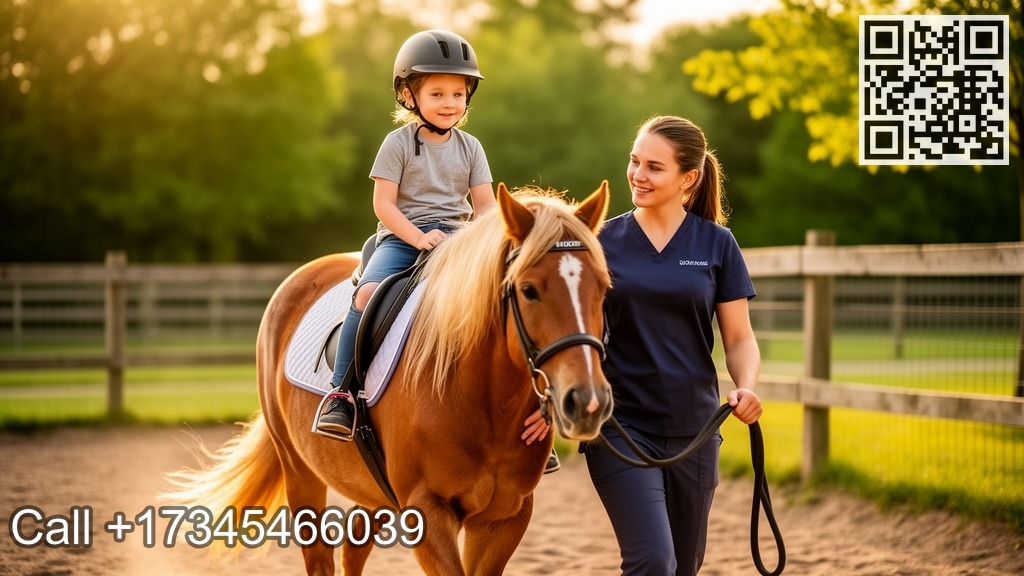
Most of the work happens on the ground. Healing horsemanship and equine-assisted services can consist of placed job when ideal, yet company group sessions rarely include riding. Trainers and facilitators concentrate on safety and security, clear tasks, and allegories that equate. The goal is not to make steed people. The objective is to assist humans become better teammates.
What a session looks like
A typical program runs from a half day to 2 days. After a safety positioning and a walk through basic equine behavior, groups relocate right into organized workouts. Jobs may include haltering and leading at liberty, browsing a set of challenges with very little spoken interaction, or relocating a little herd from one end of the arena to the various other without touching them. Each job has a clear result, several courses to arrive, and built-in restraints that reveal how the group organizes under pressure.
Facilitators learnt equine-facilitated training watch the equine and the human characteristics equally. They will stop briefly the activity when something vital appears, debrief, then invite a new attempt. Debriefs have a tendency to be short and concrete. What did you attempt? What did the steed perform in reaction? What did you observe in your body as the strategy shifted? The simple inquiries teach teams to review signals, change swiftly, and speak honestly without blame.
I have seen executives abandon a falling short approach after a single head toss from a gelding, after that turn to a younger engineer for a fresh concept. I have actually seen a conflict-averse team find out to claim no by asking a steed to stop crowding their room. And I have seen a trauma-informed facilitator support an individual with anxiety with slow breathing and grounding while a constant mare kept pace step for action. Those moments re-wire how teams trust one another.
Skills that stick back at work
The arena presses the timeline in between activity, influence, and insight. Because responses arrives through the equine, not a human doubter, individuals accept it more readily. With time I see 5 collections of skills take root.
Presence and guideline. Horses are barometers. Erratic power makes them careful. Systematic, unwinded attention welcomes them better. Groups discover functional law, like observing breath, softening the jaw, lengthening exhale, or resetting stance. That equates straight to tough conferences, customer escalations, and imaginative jams.
Clear boundaries and demands. Unclear signs confuse equines. The same is true with individuals. Asking a horse to stop, go back, or generate a shoulder needs quality in body and voice. Groups discover the power of tidy requests and clean nos without aggression.
Shared management. With steeds, positional authority implies little. Whoever is most attached to the next beneficial action leads. That encourages quieter subject-matter professionals to talk faster, and it pushes leading voices to listen.
Problem solving under restrictions. Moving an equine via a limited collection of barrels or throughout a tarp ends up being a laboratory for sequencing, role clearness, and creative workarounds. Groups find out to check, observe, and repeat without getting precious concerning one idea.
Psychological safety. When a group reduces sufficient to discover their own nerves, they observe each various other too. Individuals exercise naming anxiety, complication, and enjoyment in the minute. The steed versions nonjudgmental existence. That tone carries back right into retros and one-on-ones.
The somatic entrance to change
Talk-only understanding rarely transforms habits under stress. The body keeps its habits. Experiential understanding with equines opens up a somatic doorway. You really feel the minute your shoulders go down and a steed's ears flick forward. You really feel the jolt when you lock your knees and the equine braces in kind. Those feelings teach faster than advice.
This is where equine-facilitated health intersects with leadership advancement. The body techniques what the mind teaches. Somatic recovery with horses is not treatment in a corporate setting, however it obtains from the exact same nervous system concepts. Breath, position, and pacing inform connection. When groups adopt a simple shared practice, like 2 slow breaths before offering comments, conflicts soften and projects move.
For individuals who carry anxiousness, the field can be a helpful laboratory. Some programs also run separate anxiety support with steeds, constantly with psychological wellness professionals on deck. In a group context, we remain in a mentoring lane while still valuing private demands. The result is an understanding setting that includes a larger range of nervous systems without pathologizing anyone.
Inclusion matters, and equines can help
Not every person relates to eye get in touch with, rapid decision cycles, or open-ended metaphors the same way. Neurodivergent colleagues, consisting of those with ADHD or on the autism spectrum, usually grow when communication is concrete and sensory mindful. Steeds prefer exactly that. They react to timing, rhythm, consistency, and tidy signals.
I have functioned along with clinicians that provide ADHD equine discovering assistance and an autism equine discovering program for young people. In business sessions we do not identify or deal with, however we apply what those programs show. We offer clear steps, utilize aesthetic pens in the arena, and stabilize stim-friendly methods like holding a lead rope with a fidget clip. When someone requires a minute away from the team, they take it, and a trainer maintains the steed engaged elsewhere. Individuals return a lot more managed, and the task moves forward.
For colleagues with sensory sensitivities, equine-assisted solutions can be a remarkably comfy alternative treatment for sensory obstacles. We stay clear of loudspeakers, maintain music off, and offer noise-dampening alternatives. The barn offers broad areas and fresh air. If dirt or hay is a concern, we work outdoors or in a groomed area. If touch is delicate, we miss brushing and pick leading tasks that value distance. Thoughtful style makes engagement feel risk-free without singling any individual out.
Safety and principles prior to anything else
Good programs are meticulous regarding safety and security. Headgears are available also for ground job. Every equine is very carefully chosen and routinely evaluated, with clear retirement plans when a steed signifies it is made with this work. A licensed equine professional, commonly with a background in healing horsemanship, takes care of the equine side while a train promotes the human procedure. Handlers stay available, and no one is pressured to do anything they do not wish to do.
Ethics also indicate right-sizing insurance claims. Equine-assisted mentoring constructs skills and insight. It is not a cure-all, and it is not a faster way for deeper organizational issues like unjust workload, busted motivations, or unsolved harm. The arena can disclose those patterns, but leaders have to resolve them back at the office.
Choosing a provider who fits your team
Use this quick checklist to veterinarian programs for team structure with horses.
Credentials you can validate, such as certification in equine-assisted training or therapeutic horsemanship, and documented experience with groups like yours. A security method that consists of steed choice criteria, trainer proportions, emergency situation treatments, and insurance. A clear knowing design with pre-briefs, tailored activities, and organized debriefs attached to your team's genuine goals. A comprehensive prepare for ease of access, sensory demands, and emotional security, with alternatives to pull out without stigma. References or instance stories that match your context, plus a readiness to state no if your objectives do not fit their method.
If a supplier promises immediate transformation or prevents inquiries about their steeds, keep looking. The most effective practitioners are clear, useful, and collaborative.
Examples from the arena
A health and wellness technology startup brought eight individuals to the barn after a rough sprint. Two designers really felt steamrolled by a product lead who prided himself on speed. In a task that called for relocating a mare through a pattern of posts, the item lead took control of, fast and loud. The mare locked up. A facilitator asked the group to stop briefly and attempt the constraint of no chatting for two minutes. The younger engineer, that often tended to hang back in conferences, stepped to the mare's shoulder and matched her breathing. He raised a hand and waited. The mare moved her weight and followed up the initial turn. The group stared. Later on that week, they embraced an easy sequence in standups, with the junior designer opening technical risk prior to any kind of decisions. Sprint rate maintained within 2 cycles. No miracles, just an adjustment in pacing and regard that the mare had actually forced them to see.
In a public agency, a supervisor battled with limits. She said yes to every demand, after that burned her team out. In the field she attempted to ask a large gelding to quit entering her room. She smiled while stating back, please. The steed maintained drifting more detailed. After coaching, she grew her feet, settled her upper body, and stated, quit, then softened and invited him in again on her terms. The gelding respected the border promptly. She chuckled via splits. Back at the workplace she began to decrease excessive committees with the very same clarity. Within a quarter her group's overtime dropped by a third.
Translating good sense to workplace sense
The greatest risk with any kind of offsite is leaving insight in the field. To bring lessons home, support them in routines. If a group discovered to reset pose and breath before initiating a difficult ask, compose that right into a conference standard. If the equine's reaction showed the team to slow down decisions up until the quietest individual talks, make that a standing assistance cue. A great train will certainly co-design these translations with you.
I motivate teams to call two or 3 sector minutes that felt electrical. Possibly it was a clean boundary, a common management handoff, or the instant a new plan arised without defensiveness. Transform those into brief phrases that make good sense to your culture. One group selected, ears forward, for existence and focus. Another suched as, soft eyes, clear ask. These concepts come to be shorthand under pressure.
For remote or hybrid groups, physical herd job is uncommon. Still, the very same principles use. Replace the equine with an external hint, like a common timer, a breath bell, or an aesthetic kanban action that everyone watches. If you did eventually at the barn, schedule an online comply with up where everyone shares one concrete adjustment they made and how others can aid them keep it.
Costs, ROI, and what not to measure
Most regions price half-day sessions between the expense of a typical offsite and a high-end ropes training course, with variables for team size, steed schedule, and facilitator know-how. Budget plan ranges from a couple of thousand dollars for a tiny team to five figures for a big group with custom-made layout. Steeds eat 365 days a year, so you are likewise spending for good treatment and skilled humans.
Return on investment will disappoint up as a clean portion in a week. Try to find leading indicators. Much shorter meetings due to the fact that individuals claim what they indicate. Less escalations due to the fact that boundaries are clearer. Much more well balanced engagement in planning. Some customers run light-weight pre and post pulses concentrated on trust fund, voice, and clearness. Others track cycle time and revamp prices. Watch out for associating every bump to the barn. The sector increases what you already respect, it does not replace continual leadership.
Preparing your team for the arena
A little planning prevents preventable rough edges and aids everyone get here all set to learn.
Share a plain-language summary that this is ground-based equine-assisted tasks, not a rodeo, with a clear security plan and opt-out options. Ask about allergic reactions, flexibility, and sensory needs early, and offer choices like outdoor rings or dust-free grooming areas. Dress for the elements. Closed-toe shoes, layers, and sunlight or rainfall security keep attention on discovering instead of discomfort. Align on two or 3 goals you wish to test in the field, such as choice circulation, feedback culture, or shared leadership. Plan a debrief tempo after the occasion. Short check-ins at one week, one month, and one quarter assist the experience stick.
Invite interest, not blowing. The horses do not appreciate your title. They care about just how you show up.
Common concerns and side cases
What if a person is afraid of steeds? That is a lot more usual than you believe. Concern can be an instructor if handled well. No person requires to touch a steed to participate. People can start behind a fencing or observe. Usually, with time and choice, fear softens. If it does not, that is great. Understanding still travels.
What about cultural distinctions in body language? Exceptional factor. The debrief is where we translate. If a hint that collaborates with a mare would be ill-mannered in a participant's culture, we speak about exactly how respect looks throughout contexts and find practical matchings. The goal is not to impose one style, it is to build array and respect.
Is this therapy? For company team building, no. We operate in a mentoring frame. Nonetheless, several experts hold medical qualifications for different healing work, and some sites likewise host therapy programs. It is essential to maintain the lanes clean. If trauma responses arise, facilitators must know exactly how to stabilize the moment and connect the person with ideal support.
What if someone has an impairment or uses movement help? Lots of barns are accessible. We adjust jobs, select ideal steeds, and design for security. Leading a steed from a mobility device is possible with the best surfaces and support. Engagement is constantly by choice.
Aren't steeds unforeseeable? Yes, and that is part of the learning. Great programs buffer that unpredictability with careful horse choice, handler assistance, and clear restrictions. If conditions are unsafe, the session adjustments or quits. That is leadership too.
Where equine programs suit your development mix
Equine-assisted training stands out at constructing felt abilities. It sets well with programs that resolve structure and process. As an example, combine a day at the barn with a choice civil liberties workshop, or comply with field work with helped with feedback training. The steed discloses patterns, after that other devices assist redesign contracts and systems.
Equine work is likewise a strong reset after mergings, reorgs, or dilemma months when teams require to reconnect as humans. I have seen jaded groups walk in with arms crossed and entrust to a various top quality of attention. Not shine and buzz, just a steadier baseline.
Finally, the barn is a truthful area to check your leadership brand. Steeds level with their feet. If you bring tension, they mirror it. If you bring inquisitiveness, they lean in. That mirrors your group. People already know that you are in the hallway. The field aids you feel it, adjust it, and carry the shift back inside.
A closing image
Late in a winter months session, a peaceful financing expert stood in the facility of the arena while a bay gelding foraged at the far rail. She had spent a lot of the early morning quiet, viewing louder coworkers obtain frustrated. On the last exercise she asked if she could attempt something. She softened her breast, looked where she intended to go, and took three slow-moving actions. The gelding raised his head, flipped an ear, and ambled toward her. The space went still. It was not prominence, and it was not magic. It was harmony. When she walked back to her team, they provided her the lead on the next task. Three months later on she informed me the field had been the top place she felt her leadership land in her body. The numbers followed.
Herd knowledge is not mystical. It is useful, relational, and prompt. With the right safety and security, style, and translation, group building with equines assists people exercise the type of existence and regard that makes work work.