Peer Support vs Therapy: What's the Real Difference?
When someone steps into recovery from addiction, understanding the landscape of available supports can feel overwhelming. You hear terms like peer support, professional therapy, clinical treatment, and names of programs like twelve-step or non-twelve-step approaches tossed around. But what do these really mean, especially on a tough Tuesday night when cravings hit hard? How do these resources differ, overlap, and complement each other?
Today, let's break down peer support vs professional support in addiction recovery, clarifying boundaries and real-life roles. I'll highlight why relationships are central to recovery and how accountability can exist without shaming. This isn't about slogans—it's about practical differences and what it looks like in the trenches.
Understanding Peer Support: Definition and Boundaries
Peer support means people with lived experience of addiction and recovery helping others on similar journeys. Certified peer specialists or recovery coaches don’t hold licenses to diagnose or treat but bring something clinical care often can't: social modeling, lived understanding, and ongoing encouragement.
Key boundaries matter. Peer supporters:
Do not provide medical or psychological diagnoses. Are not addiction counselors or therapists but offer emotional support. Help connect people to resources, including professional treatment when needed. Model recovery strategies based on personal experience, including participating in programs like twelve-step or non-twelve-step groups.
This boundary is critical because sometimes peer support is mistakenly viewed as a replacement for clinical treatment. It's not. It’s a complementary force.
Peer Support In Action: What Does This Look Like on a Tuesday Night?
Imagine it's late evening, and cravings strike. A peer supporter might:
Call or text the person to check in and remind them they're not alone. Share their own story about overcoming similar urges. Suggest practical coping tools like distraction techniques or attending a virtual meeting. Help plan for the next day, like setting up an appointment with a counselor or connecting to a support group.
Such timely, empathetic connection grounded in lived experience builds hope and averts isolation—the enemy of recovery.
Clinical Treatment: What Therapy Brings to the Table
Professional addiction therapy typically involves licensed counselors, psychologists, or medical providers trained to treat addiction as a complex biopsychosocial disease. Clinical treatment may include:
Assessment and diagnosis of substance use disorder or co-occurring mental health conditions. Evidence-based therapies such as Cognitive Behavioral Therapy (CBT), Motivational Interviewing (MI), or medication-assisted treatment (MAT). Individual or group counseling designed to address underlying issues, triggers, and relapse prevention. Development of a formal treatment plan with measurable goals.
Clinical Treatment: Practical Example
On a challenging day, someone in therapy might:
Discuss specific thoughts or feelings driving their cravings. Learn new coping skills tailored to their unique history. Receive medication prescriptions if medically appropriate. Engage in regular sessions focused on progress assessment and therapeutic homework.
Therapy addresses the clinical and psychological roots of addiction through systematic interventions, often under medical oversight.
Peer Support vs Professional Support: Core Differences and Synergies
Aspect Peer Support Professional Therapy Provider Certified Peer Specialists or Recovery Coaches with lived experience. Licensed Clinicians, Therapists, Psychiatrists. Focus Emotional support, hope, accountability, social modeling. Diagnosis, treatment planning, psychological and medical interventions. Scope Non-medical, supportive, resource connecting. Clinical, medical, therapeutic. Goal Encourage sustained recovery through shared experience. Achieve behavior change, symptom management, relapse prevention. Settings Community centers, support groups, peer-run programs. Clinics, hospitals, private practice. Accountability Yes, through mutual respect and encouragement without shaming. Yes, often more formal and progress-driven.
Relationships as a Recovery Driver: Why Connection Matters
Addiction recovery is not just an individual journey but also profoundly relational. Both peer support and therapy recognize that https://highstylife.com/how-do-i-avoid-shaming-language-when-supporting-someone-in-recovery/ healthy relationships fuel hope and motivation.
Peer support shines in this area. When a person shares struggles or victories with someone who truly "gets it," it builds trust and models coping strategies. For example, a twelve-step sponsor sharing experience, strength, and hope provides an example of sustained recovery, showing it’s possible.
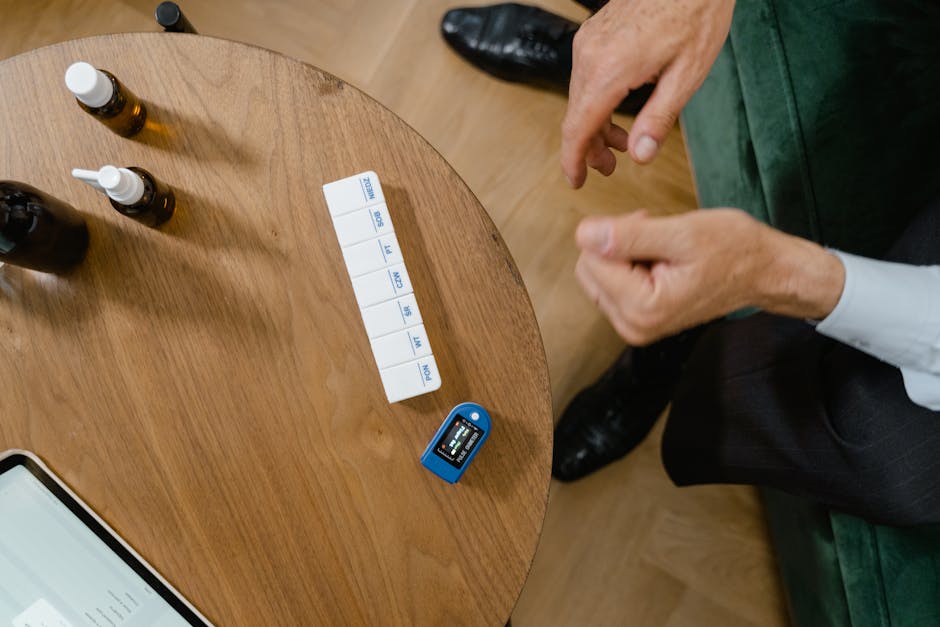
Therapists also use relationship as a foundation—building rapport to explore deeper psychological wounds and support change through therapeutic alliance.
But What About Shame? Accountability Without Shaming
One of the pitfalls in addiction treatment is the use of shaming language or punitive approaches disguised as accountability. Peer support programs strive to avoid this.

Accountability is rooted in empathy and respect. Peers encourage honest disclosure without judgment. Mistakes are framed as learning opportunities, not moral failings. Success is celebrated with the group, enhancing motivation.
Professional therapists also work to model this non-shaming stance but within a clinical structure, they often help clients examine thought patterns that might lead to self-stigma.
Role of Twelve-Step and Non-Twelve-Step Approaches
Peer support often overlaps with mutual aid groups, which come in two major flavors:
Twelve-Step Programs (like Alcoholics Anonymous and Narcotics Anonymous): These emphasize spiritual principles, sponsorship, and a structured twelve-step process toward abstinence. Non-Twelve-Step Approaches (like SMART Recovery, Refuge Recovery): These focus on secular, science-based methods including cognitive tools and self-empowerment.
Peer supporters may participate in or facilitate either approach depending on the person’s preferences, showing the flexibility of peer roles in honoring varied recovery pathways.
Summary: How to View Peer Support vs Therapy
Peer support Therapy clinically addresses Neither replaces the other. Instead, combined use often yields the best outcomes, providing holistic support to navigate both the biological and social challenges of recovery. Accountability works best when it’s non-shaming and rooted in mutual respect and realistic goal-setting. Recognizing individual preferences for twelve-step or non-twelve-step approaches matters when integrating peer support.****
Final Thoughts: What Recovery Looks Like at the Ground Level
So next time someone asks about peer support vs professional support or wonders how clinical treatment vs peer support differ, think less about competition and more about complement. Recovery is messy and often nonlinear. It’s the combination of clinical tools and the power of connecting with someone who’s walked a similar path that strengthens resolve and creates lasting change.
When cravings hit on a Tuesday night, having both a therapist’s clinical insights and a peer’s lived wisdom can make all the difference between relapse and resilience. That https://bizzmarkblog.com/how-do-i-tell-my-employer-im-in-recovery-without-oversharing/ is the real difference.