What Are the Signs Your Sleep Is Finally Improving?
If you have spent months (or years) feeling like you are perpetually walking through a swamp, you know that "fixing" your sleep doesn't happen overnight. It isn't a light switch; it’s more like a slow sunrise. People love to promise you’ll wake up like a superhero after a week of drinking herbal tea, but the reality is much quieter.
I’ve spent the better part of a decade interviewing everyone from high-performance trainers to parents who are just trying to make it through the workday without a fourth cup of coffee. I’ve edited hundreds of sleep explainers for magazines, and I’ve seen enough "hacks" to know that most of them are just noise. The real signs of improvement aren't found in a wearable device's "sleep score"—they are found in how you handle your actual life.
If you’ve been doing the work—setting boundaries, dimming the lights, and getting to bed on time—how do you know it’s actually working? Here is what you should be looking for.
1. The "Fog" Starts to Lift
When you are sleep-deprived, your brain feels like it’s operating behind a screen door. You search for words, you lose your keys, and you struggle to string a coherent thought together by 2:00 PM. This is classic brain fog, and it’s usually the first thing to vanish when your sleep cycle finds its rhythm.. Exactly.
When your sleep improves, your brain finally has the time to consolidate memories and clean up the "mental trash" that accumulated during the day. You’ll notice you aren't stuttering as much during meetings, and you can recall names or tasks without that frustrating pause. It’s not that you suddenly become a genius; it’s just that the static in your head has finally cleared out.
2. Better Mood Predictability
We often blame our moods on "hormones," which is a fancy way of saying our body's internal messaging system is misfiring. When you’re chronically underslept, your body stays in a state of high alert. This leads to intense irritability, sudden spikes of anxiety, or those weird sugar cravings that hit you mid-afternoon.
As your baseline stress settles, you’ll notice better mood predictability. You stop having those volatile swings where a small mistake at work feels like the end of the world. You’re still you, but you’re a version of you that doesn't snap at the person who cut you off in traffic. That’s the sign that your cortisol—your body’s stress-alarm clock—is finally starting to show up at the right time of day instead of keeping you on edge all night.
3. Improved Impulse Control
Ever notice that when you’re tired, you’re more likely to impulse-buy something you don't need, eat an entire bag of chips, or fire off a sarcastic email you’ll regret later? That’s your prefrontal cortex—the part of the brain responsible for "adulting"—taking a vacation. It needs sleep to function properly.
When you start sleeping better, your impulse control comes back online. You’ll find yourself pausing before reacting. You might actually choose the healthier snack because you aren't physically desperate for a quick energy hit. This is the physiological "reset" that proves your brain is no longer in survival mode.

4. Your Morning Baseline Is Different
I often talk to people who are "too wired to sleep." They spend hours staring at the ceiling because their brain just won't shut off. For these people, the goal isn't alternativeway.net just "more hours"; it's "better quality."
Some people find success in supporting their body's endocannabinoid system—the complex internal network that keeps your nervous system balanced and relaxed. Many of the readers I interview lean on tools like Joy Organics CBD sleep gummies to help take the edge off that late-night mental loop. I've seen this play out countless times: learned this lesson the hard way.. These gummies use a broad spectrum hemp extract that works with your body to quiet the "too wired" feeling. When you wake up and don't feel like you’ve been run over by a truck, that is the single biggest indicator that your sleep quality is actually trending upward.
Summary Table: Tracking Your Progress
When I work with editors to build these features on platforms using the JNews by Jegtheme—a WordPress news & magazine theme that makes tracking these habits so much easier—I always tell them to look at these indicators over a 14-day window:
Sign of Improvement What to Look For Cognitive Clarity Less brain fog during afternoon tasks. Emotional Stability Better mood predictability; fewer overreactions. Physical Cravings Less dependency on caffeine/sugar for "energy spikes." Morning Ease Waking up with more stable energy instead of "alarm anxiety."
Why Patience Is Your Best Tool
Ask yourself this: it is tempting to look for a quick fix or a single product that will "cure" your exhaustion. Please, ignore that urge. Corporate wellness language loves to promise "optimal performance" in three days, but biology doesn't work on a business timeline. It works on consistency.
If you are feeling more stable energy today than you did last week, celebrate that. That is the win. If you find you are less reactive to a stressful email, that is the win. You are teaching your body how to rest again, and that takes time.
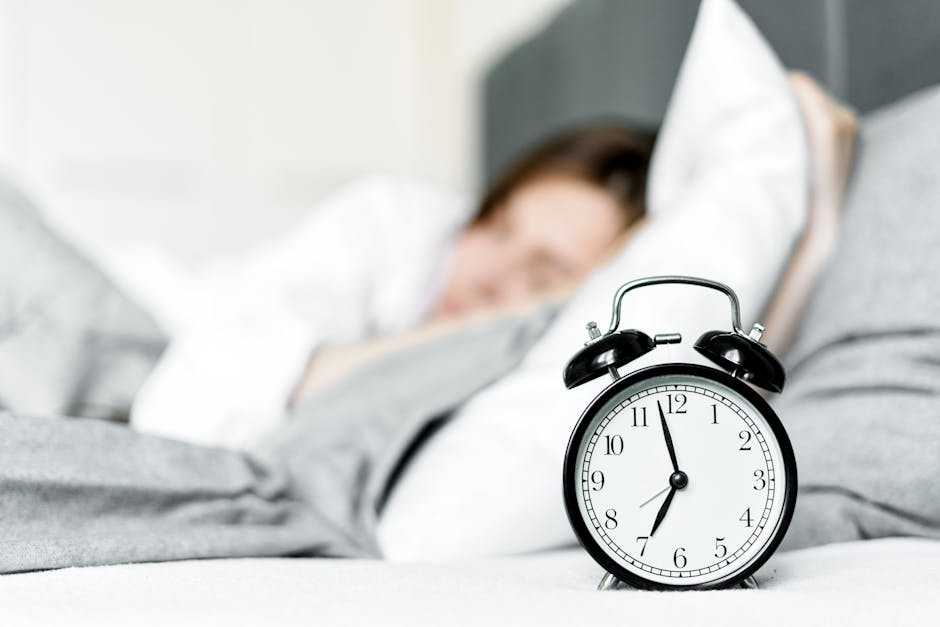
Don't fall for the hype of "biohacking." Sleep is just a biological necessity, like breathing or drinking water. Sometimes we just need to get out of our own way, establish a rhythm, and give our systems the tools they need to come back into balance.
A Final Note on Tracking
If you find this content helpful, we’ve put a lot of work into making these articles easy to bookmark and save. If you’re a reader who likes to keep track of your wellness journey, feel free to use the social share links provided for Facebook, X, or Pinterest below to save this guide for when you need a reminder of what "good" actually feels like.
You’re doing the work. The results are coming, even if they arrive one quiet, well-rested morning at a time.