How Long Does It Take to Calm Down After Intense Gaming?
You just finished a sweaty three-hour ranked session. Your heart rate is finally starting to dip, you turn off the monitor, and you hit the pillow. Then, you stare at the ceiling for two hours. You’re physically exhausted, but your brain is still replaying that clutch play or that stupid mistake you made in round six. I spent years working night-shift IT, coming home at 4 AM after a shift and trying to sleep after a few matches of FPS games. I know the drill.
The short answer? It takes anywhere from 30 minutes to two hours for your nervous system to fully wind down after intense gaming, depending on how hard you lean into your post-game ritual. If you just click "Exit Game" and jump straight into bed, expect the longer end of that spectrum. Your body isn't an off-switch; it’s a furnace that needs time to cool.
The Physiology of the "Sweat"
When you play competitive games, you are essentially inducing a "fight or flight" response. The NCBI (National Center for Biotechnology Information) has published various studies on how screen-based stimuli affect physiological arousal. In gaming, your brain doesn't know the difference between a real-life threat and a rank-up match. Adrenaline and cortisol levels spike, keeping you alert, focused, and—crucially—awake.
This isn't just "being excited." It’s a chemical cocktail. Your sympathetic nervous system is firing on all cylinders. If you stop the stimulus abruptly without a transition, your brain is still stuck in the match. You need to signal to your body that the threat is gone. This is the core of any decent bedtime routine for gamers.
The Blue Light Trap
We need to talk about your screen. Everyone knows the buzzwords, but few people actually adjust their settings correctly. Blue light exposure from screens suppresses melatonin, the hormone that tells your body it’s time to sleep.
My secret weapon? Night mode. Every OS has it now—Windows Night Light, macOS Night Shift, f.lux. If you aren't using these to cut the blue spectrum by 80% an hour before you plan to sleep, you are fighting a losing battle. Don't look at me like it's common sense; I see you playing with your monitor set to 'Cool/Blue' at midnight. Stop that.
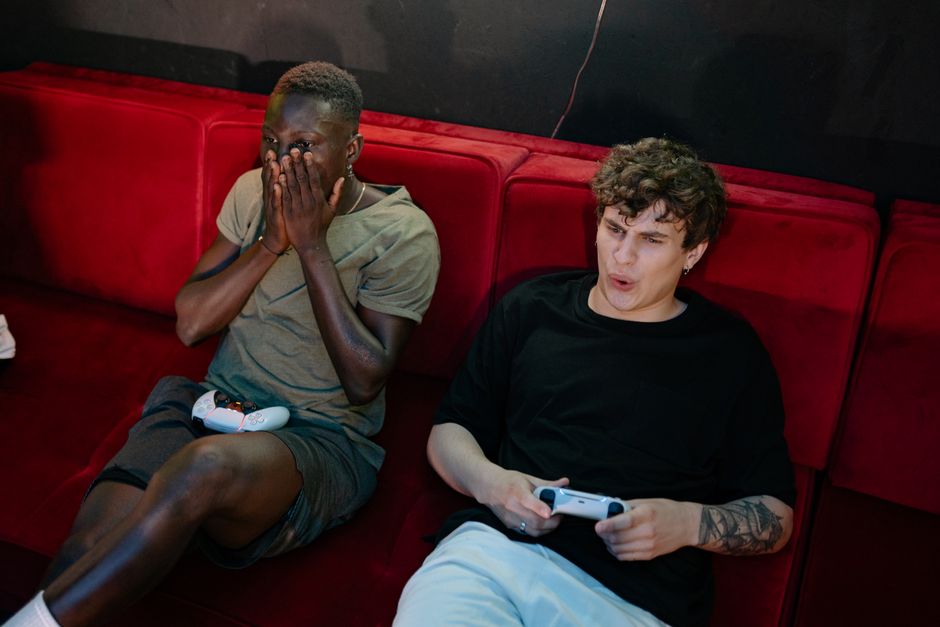
The Permanente Journal has highlighted that screen time before bed disrupts circadian rhythms significantly. When you game, the combination of cognitive demand and light exposure creates a "perfect storm" for insomnia. If you don't dim the lights or use software filters, you're essentially shouting "stay awake" at your pineal gland.
Why "One More Match" Ruins Your Circadian Rhythm
The "one more match" mentality is the fastest way to wreck your sleep hygiene. Every gamer knows the lie: "I'll quit after I win." But when you lose, you get frustrated (more cortisol). When you win, you get a dopamine hit (more excitement). Either way, your baseline arousal increases.
I set a strict alarm. When it goes off, the game is closed. No exceptions. If you want to actually relax after competitive play, you need a hard cutoff. If you try to power through until you’re "bored," you’ve already missed your sleep window and your circadian rhythm is going to hate you the next morning.
How Long to Calm Down: A Breakdown
The following table illustrates how different post-game habits affect your ability to get to sleep:
Activity Estimated Wind-Down Time Impact on Sleep Quality Immediate Bed (Game to Bed) 90 - 120 Minutes Poor (High latency) Screen Night Mode + 30 Min Reading 45 - 60 Minutes Moderate (Better latency) Night Mode + Stretching/Low-Light 20 - 30 Minutes High (Optimal)
Don't Fall for the "Miracle Cure" Trap
I get asked constantly about supplements. I’ve tried plenty, including brands like Joy Organics, to help manage the edge that comes with high-stress gaming. Here is the reality: no supplement is a substitute for bad habits. If you play high-stakes games until the second your head hits the pillow and keep your room at full-blast blue light, no amount of CBD endocannabinoid system sleep or magnesium is going to "fix" your nervous system.
Avoid any "miracle-cure" marketing that promises you can game for 10 hours and then pass out in five minutes. That’s nonsense. Focus on the timing window. If you take a supplement, do it consistently, and don't expect it to act like a sedative. If a product doesn't provide clear dosing or timing instructions, ignore it. It’s likely fluff.
Building Your Bedtime Routine
To relax after competitive play, you have to transition your environment. Don't just close the game; change the lighting, change the temperature, and change the sensory input. Here is a simple, no-nonsense protocol that actually works:
The Alarm: Set a hard "game over" alarm. If the alarm goes off, the game ends, regardless of the match result. The Night Mode Protocol: Ensure your monitor's Night Mode is set to trigger 90 minutes before your planned sleep time. If you use console, use the built-in system filters. De-escalation: Spend 15 minutes doing something non-screen related. Stretching, reading, or prepping your lunch for the next day. Anything that doesn't involve a crosshair or an XP bar. Physical Reset: Cool the room down. Your body needs a drop in temperature to fall asleep efficiently. A hot shower followed by a cool room is a classic biological hack to trigger sleepiness. Consistency: Do this at the same time every night. Your body is a machine; it likes patterns. If you game until 1 AM on weekdays and 4 AM on weekends, your circadian rhythm is permanently jet-lagged.
Final Thoughts
Gaming is the best hobby there is, but it’s a high-stress, high-engagement activity that defies our biology. If you’re struggling to fall asleep, stop blaming your hardware or the game. You are likely just failing to manage your nervous system’s transition out of the "arena."
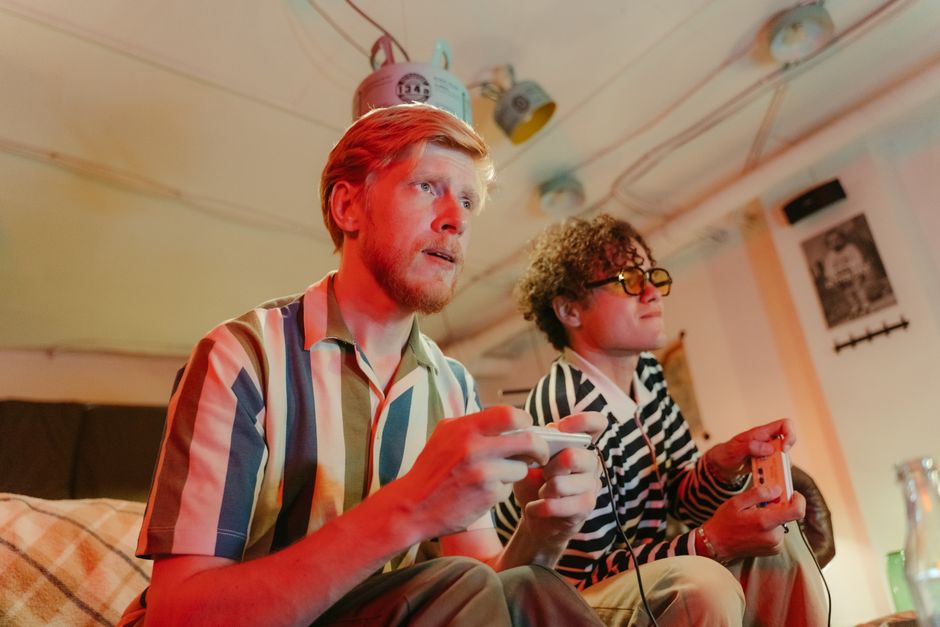
Use your night mode settings. Set your alarm. Stop looking for a magic pill. Give your brain the 30-to-60 minutes it needs to realize that the digital battle is over, and your real life is in a quiet room, not a 5v5 queue.
Stay sharp, but know when to log off.