Tools for Quick Commercial Renovations and Refits
Speed in a commercial renovation is never just about working fast. It is about sequencing, access, verification, and recovery when the unexpected shows up behind a wall. The best crews move quickly because their tools match the realities of occupied buildings, mixed vintages of pipework, and tight windows for shutdowns. When a hotel can only spare four hours at night for riser isolation, or a restaurant needs to reopen by lunch, you lean on gear that shortens diagnosis, reduces rework, and keeps the jobsite cleaner than the client expects. The right set of plumbing tools does more than remove fittings and press new ones. It manages risk.
I have spent enough nights in dim mechanical rooms and enough mornings explaining weekend work to facility teams to know where minutes turn into hours. Tools either strip away those delays or they multiply them. What follows is not a catalog, but a field-driven map to the equipment that actually speeds up commercial plumbing renovations and retrofits, with practical notes on where each tool shines and where it can let you down.
The tempo of a commercial retrofit
Commercial plumbing rarely gives you a blank slate. You inherit existing pipe materials, patchy documentation, and systems that must remain live for most of the building. That shapes the tool choices:
You need non-destructive inspection to avoid exploratory demolition. You need joining methods that work in tight ceilings and meet fire codes without open flame. You need accurate, quick measurements to cut once and fit once. You need water control that doesn’t depend on the building’s aging valves. You need verification tools, because the call-back is the enemy of speed.
These needs push the toolkit toward diagnostic electronics, cold-joining systems, precision cutters, and temporary control hardware. Traditional threaded steel and copper soldering still matter, but they rarely carry a fast-track project by themselves.
Scouting before sawdust: inspection and locating
Renovations slow down when you cut blindly. For older office towers, hospitals, or mid-century schools, there may be four generations of work above the ceiling. Inspection tools pay for themselves in the first avoided opening.
A contractor-grade borescope with a flexible, semi-rigid probe and decent illumination lets you see hanger spacing, fire caulk, and the actual tee orientation of a branch before you open drywall. The difference between a 6 millimeter probe and an 8 millimeter one matters when you are sliding past fiberglass duct liner or fishing through insulation. Models with articulating tips save wrestling time in crowded chases, and video capture helps with client approvals.
For drains, a push camera with a self-leveling head and distance counter turns guesswork into maps. In restaurants, expect grease, so a head with a protective sleeve will pay off. If a camera lacks a good locator, you are only halfway there. A 512 Hz sonde in the camera head paired with a handheld receiver lets you mark the pipe path on tile or slab, which is the difference between jackhammering a neat trench and patching a crater. In a retail fit-out where you need new floor sinks, tracing the existing building drain with that locator compresses the core drilling plan into a morning.
Acoustic leak detectors, which read pressure wave signatures, can be useful on large-diameter domestic water lines. They are fickle around mechanical noise and HVAC, but in quiet windows they let you pinpoint a pinhole before opening a chase. On chilled water or hydronic loops, a thermal camera often works faster than any acoustic method. The thermal map shows temperature differentials along pipe runs, revealing stagnant sections and dead legs that can be abandoned or repurposed, trimming the scope.
Pipe and cable locators with inductive and conductive modes matter in mixed utility corridors. In hospitals and data centers, you cannot afford to guess where a 480-volt feeder crosses your planned riser. A locator that can clamp onto a metallic line for conductive tracing in energized environments keeps you from creating your own outage.
The trade-off with all these electronics is line-of-sight and interference. Cameras don’t turn corners you can’t push. Locators lie near rebar-heavy slabs. Build time for verification sweeps into the schedule, and keep mechanical prints nearby for sanity checks.
Shutting down without a shutdown
Time pressure in commercial plumbing usually centers on water control. Old gate valves that do not seat, unidentified loops, and tenants who cannot lose service force creative but safe isolation. You need tools that create a local bubble.
Pressurized pipe freeze kits, both CO2 and electric, allow a https://theleanderplumber-company.com plumber to form an ice plug on copper or steel lines up to modest diameters without draining the system. They are not magic wands. You need straight pipe, insulation removed, a steady flow of refrigerant or reliable electric jackets, and an accurate thermometer. The speed benefit is massive when you can avoid draining five floors of domestic riser. I have used CO2 kits successfully on 1 inch Type L copper to replace a ball valve in under an hour. Electric units are slower but easier in winter when venting CO2 outside is complicated.
For sewer work, inflatable test balls and bypass bladders give you a clean work zone within a stack. A pair of 6 inch balls upstream and downstream, with a lay-flat hose running a bypass, turn a stinky day into a controlled operation. You need a pressure gauge on the air line and a bleed valve at hand. Keep the manufacturer’s inflation pressures on a laminated card. Overinflation is not just a risk to the bladder, it is a risk to the pipe you are trying to protect.
Line stopping machines that install temporary taps and folding-stop heads on live lines are the heavy artillery for mains. They require space, hot tapping, and a disciplined procedure, but on supermarket domestic mains or commercial hot water loops, a single stop can keep the rest of the building alive while you swap a corroded tee.
Quick-clamp isolation valve tools for meter tails and fixture supplies save minutes on the small stuff. They look like toy C-clamps but on a bank of lavs they keep a floor open while you replace angle stops.
Joining methods that beat the clock
In tight ceilings and occupied spaces, flame is a headache. Fire watch, hot work permits, combustible dust, and building rules shrink your productive window. This is where press systems and push-fit connectors earn their reputation.
Battery-powered press tools with interchangeable jaws for copper, stainless, and carbon steel let a crew complete hundreds of joints in a day with minimal prep. The speed is real, but the discipline matters. Deburr and clean the pipe, check the fitting depth with a gauge, and use witness marks so you do not press shallow. A mis-pressed joint that weeps later kills your schedule. Keep battery rotations tight, and carry at least one extra battery per tool. On larger diameters, move to extended-circuit, two-trigger models or rings with actuators to maintain uniform pressure.
For copper in smaller sizes, press systems reduce the need for purging and wet rags. For black steel in sprinkler retrofits or hydronic loops, press saves time on both threading and fire watch. If you are replacing threaded steel, an electric or battery threader with a solid stand still has its place on oddball sizes or when the engineer demands old-school. Carbide dies cut cleaner and last longer in real-world pipe that has unknown coatings. Keep cutting oil clean; contaminated oil kills dies and threads.
Push-fit connectors can rescue a schedule during punch-list work or where access is awkward and a permanent press tool won’t fit. They are not a cure-all. Long runs, high temperatures, and certain code jurisdictions limit them. Use them for transitions, temporary bypasses, and test setups. Confirm the exact product listing for commercial hot water recirculation service if you plan to leave them in.
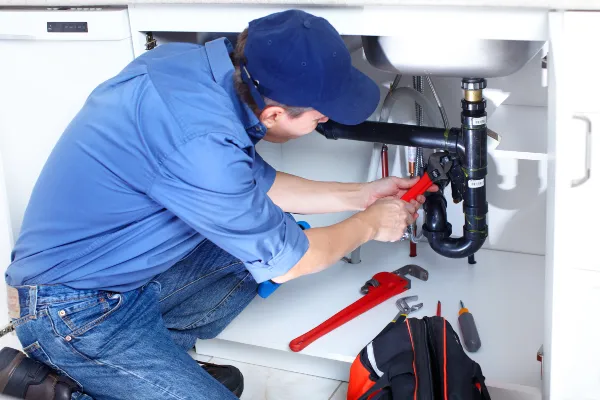
CPVC and PEX are attractive in tenant improvements. Solvent-welded CPVC is fast and clean but needs cure time; plan that into the shift. Expansion PEX with cold-expansion rings is fast and less prone to O-ring damage than crimp systems. Not every inspector will bless PEX in a commercial riser, so check early. Also, in plenum spaces, you may need fire wrap or listed assemblies for plastics. A quick tool becomes a slow tool when an inspector asks for removal.
Cutting, cleaning, and prep in tight places
Renovation speed lives in the prep. Cutting square, removing burrs, and cleaning in cramped ceilings is where most crews either keep moving or stall.
A good set of compact copper tubing cutters with replaceable wheels, alongside a ratcheting PVC cutter and a track-guided, low-spark cutoff saw for steel, cover most needs. Oscillating multi-tools with carbide blades open drywall precisely and trim plastic cleanly, which reduces patch time. In return-air plenums, dust control helps avoid duct cleaning later. A small HEPA vac with a nozzle near your cut beats a shop full of fines. For cast iron, soil pipe snap cutters still outpace grinders when you have room. In tight shafts, a chain snapper with extended handles lets you work safely without a shower of sparks on the tenant below.
Reamers and deburring tools sound boring until you chase pinhole leaks at press joints all afternoon. A reliable internal/external deburrer for copper, a spiral reamer for PVC, and a brush set for steel bring consistency. Over-ream on CPVC and you lose interference fit; under-ream on copper and you score an O-ring. The right hand prep tool feels like overkill until you remember the price of one ceiling repair in a boutique retail space.
Pipe cleaners, from abrasive cloth to solvent-specific daubers, should be specific to the material and stored clean. Keep a sealed box of 80 grit cloth for copper that never touches a greasy hand. If you treat prep tools as disposable, expect disposable joints. A small habit like labeling solvent cans by date prevents surprise gel in a mid-shift glue-up.
Pressurize, test, verify
Fast projects collapse at the test phase if the setup is sloppy. Testing tools should make it easy to isolate sections, monitor pressure accurately, and record results when required.
Hand and electric pressure test pumps tailored to water, air, or glycol are staples. For domestic water lines, a water test at 150 to 200 psi, held for 2 hours, is common, but follow the engineer’s spec. Air tests are faster to set up, but a minor temperature swing can look like a leak. If you must air test, use a digital gauge with temperature compensation and log the test. For drains, inflatable test plugs with bypass ports let you test one branch while keeping the rest of the stack flowing. Mechanical test plugs with wing nuts are quicker on small diameters, but they can shift under sudden surges.
Dye tests are underrated. A trace of food-grade dye in a floor drain trap primer line will tell you whether the primer is actually feeding after a reroute. On roof drains, a colored slug confirms flow to the intended leader before you button up.
Ultrasonic flow meters clamp onto a pipe and give you flow readings without cutting, which is invaluable on domestic recirculation systems where you need to balance after a retrofit. A quick balance with a clamp meter often shortens the frustrating return trip to fix lukewarm issues in distant fixtures.
Leak detection fluid beats soap from the café downstairs. In mechanical rooms with sensitive finishes, it avoids residue. On press systems, use the manufacturer’s no-go leak check feature when available, often a shallow-set indicator that weeps under test pressure, then correct it immediately. The test is where humility pays; a ten-minute fix today saves a week of reputation repair.
Drains and descaling without a mess
Drain work during a renovation sits at the seam between plumbing and finishes. A clog cleared cleanly is invisible. A backflow that floods a slab sets you back days.
Sectional cable machines with a foot pedal allow controlled torque and quick cable swaps as you move through bends. They shine on 2 to 4 inch lines in kitchens and restrooms. For main stacks or long runs, drum machines are safer to move through occupied hallways. Keep a variety of heads: cutters for grease and wipes, spades for sludge. Carry a retrieval head when you know you are chasing a rag or brush. For older cast iron, a descaling chain knocker attached to a flexible shaft, combined with a vac and good ventilation, removes tuberculation with less risk of cracking than aggressive cutters. Avoid letting a descaling job free debris into a building with old traps; capture at cleanouts with a mesh bag or vacuum.
Hydro-jetters are powerful and quick, yet risky indoors. A compact electric jetter with pulsation control and a small water tank works for branch lines, especially with grease. Vent the fumes if you are using gas engines outside. Use a foot valve to control hose movement, and protect finishes near access points. If you need to jet from a restroom, plan for splash shields and floor protection, not as an afterthought.
Camera verification after cleaning is not vanity. It documents the pipe condition before you connect new fixtures, which helps when a future tenant blames your crew for a backup months later.
Measuring, layout, and reality checks
On renovation jobs, geometry is a silent delay. A mis-measured offset sends someone back to the truck twice. Measure and mark like a finish carpenter.
Laser distance meters shorten layout in wide corridors, and plumb lasers with green beams are easier to see in bright ceilings. For hanger layout on retrofits, a compact rotary laser with scan mode lets you pull lines alone. A small digital level assures pitch on horizontal drains when you have minimal fall to work with. Half a degree error over 20 feet adds up to noisy drains and callbacks.
Use pipe wraparounds with printed angle marks for precise cuts on larger pipes. For stainless and carbon steel, a chain pipe vice on a stable stand beats balancing pipe on your knee. For copper bundles overhead, modular support rails with spring nuts make future changes easy. They cost more upfront, but on a fast-track project that sees scope creep, they cut hours every time an architect moves a sink.
Templates help. A roll of thin plywood or even dense cardboard, cut to a complicated soffit penetration, avoids the sad pile of wrong hole saw plugs on the floor. When matching existing cores, a quick wooden jig or printed template keeps a bank of fixtures true without re-measuring every rough-in.
Power, access, and safety that protect time
Power and access are the overlooked pieces of speed. Bring your own power strategy and your own sky.
Battery ecosystems dominate modern commercial plumbing. Standardize your crew on one or two 18 to 22 volt platforms so chargers and batteries cross over among press tools, lights, bandsaws, and vacs. Carry a compact inverter generator or request temporary power in the precon meeting. Night shifts die when a single outlet trips a GFCI and nobody knows where the panel is. Area lighting that runs on the same battery platform makes ceilings friendlier and reduces mistakes.
For access, low-profile rolling scaffolds beat ladders in corridors. A narrow scaffold that fits through a standard door and sets up in minutes pays for itself in the first week of overhead work. For shaft access, a mini-lift or material hoist reduces back injuries and damaged risers. Think about lift points early; ask the GC to schedule a day with the building’s freight elevator technician if you need a temporary load allowance for heavy equipment.
Safety looks like a cost until you watch a hot work permit block your shift. Cold-cutting tools, spark-free blades, and press joints cut down on permits. Where hot work is unavoidable, bring your own fire blankets, covers for sprinkler heads, and a trained fire watch. Nothing slows a renovation like an accidental sprinkler activation that soaks three floors.
Digital tools that keep the job moving
Software does not tighten a fitting, but in a retrofit it cuts the idle moments that waste days. A mobile plan viewer with offline access beats hunting paper in a dusty office. Annotate as-builts with your actual pipe routes and photo proof behind walls. QR labels on isolation valves that link to a shared map let any plumber find the right shutoff at 2 a.m. A simple shared log of tests with time-stamped photos meets many spec requirements without a separate visit from the inspector.

Barcoding and inventory control for frequently used fittings and press sleeves prevent that 4 p.m. run across town. A small job box with RFID tags and a weekly audit keeps the oddball transition fittings available when you need them. On a hospital job, we color-coded boxes: blue for copper press, red for steel press, yellow for CPVC. Nobody asked twice which box to grab.
Material-specific nuances that affect tool choice
Commercial buildings accumulate every pipe material under the sun. A quick primer on matching tools to materials helps when the opening reveals something unexpected.
Copper: Press fittings and proper deburring tools win the day. Avoid excessive abrasive cloth that thins wall thickness. Flame soldering is still fine in open spaces with permits, but extinguishers, fire blankets, and spark watchers eat into time.
Black steel: Threading is slower but sometimes mandated for gas. Use cutting oil suited for the temperature, and keep dies sharp. Press systems for steel are fast but need clean, de-scaled pipe and dedicated jaws.
Stainless: Demanding on tolerances. Use stainless-specific press fittings and clean prep. Avoid cross-contamination from carbon steel tools that can seed corrosion.
Cast iron: Hub-and-spigot joints may appear, but no-hub couplings are standard in retrofits. A calibrated torque wrench on the bands matters. Over-torque distorts the gasket and leaks later.
PVC and CPVC: Clean, square cuts and the right solvent cements are the whole game. Ambient temp affects cure time. On cold nights, plan for heaters or longer waits. Do not substitute purple primer on CPVC unless the listing allows it; many CPVC systems use one-step cements rated for pressure.
PEX: Expansion tools speed up with practice. Keep expansion heads clean and check battery levels. Bends need proper supports to avoid kinking behind finishes.
Galvanized: Expect corrosion at threads. Penetrating oil and patience beat brute force. Replace with modern materials rather than trying to resurrect fifty-year-old threaded runs.
Two compact checklists for speed and quality
Pre-shutdown essentials for rapid work:
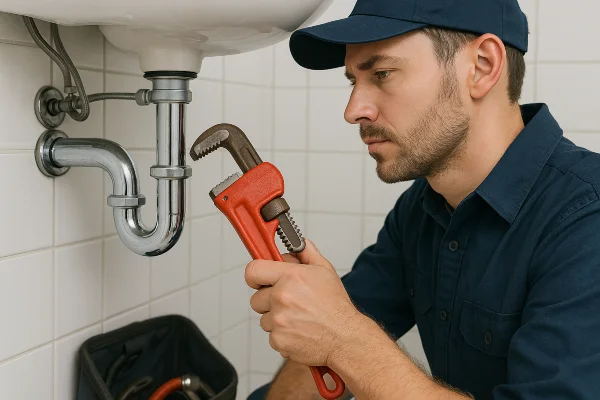
Confirm isolation points with a test bleed at the work zone. Stage all fittings, tools, and gaskets within arm’s reach, labeled by sequence. Pre-fab assemblies on a bench to reduce overhead time. Set up temporary water control: freeze kit, test balls, or line stop ready. Assign a single communicator to coordinate with building operations.
Press-joint reliability in tight ceilings:
Deburr thoroughly and mark insertion depth on every pipe end. Wipe oils and dust; keep O-rings clean and seated. Use correct jaw or ring, perpendicular to fitting, and complete full cycle. Pressure test in manageable sections before closing ceilings. Log any re-press events and recheck after one hour under pressure.
When to bring specialized help
Speed is not only about tools. It is about knowing when to call partners. For asbestos-containing materials around old chases, schedule abatement early. For backflow assemblies, coordinate certified testers to be onsite the day you set the valve. For fire sprinkler tie-ins, a sprinkler contractor with steel press capability can sometimes finish connections in a fraction of the time it takes a general plumber to assemble threaded spools, and they carry the liability for their scope.
If you need to hot tap a live main in a hospital, bring a specialist. Their machine and certified procedure do more than save time. They save the job.
Real-world pacing and sequencing
On a fast-track office floor, a small crew might demo and cap on day one, locate and lay out on day two, rough in domestic water on day three with press tools, rough in sanitary on day four with no-hub couplings, and set carriers on day five. Testing can happen in two blocks if sections are valved. The hidden accelerators are the pre-fabbed water trees, the pre-marked hangers, and the decision to press overhead rather than set up a solder line with permits and covers. Where ceiling access is poor, rough sections on the floor first, then lift into place. A rolling scaffold becomes your mobile bench.
On a restaurant retrofit, grease is the wildcard. Bring the descaling gear and a small jetter the first day, camera verify the line to the building main, and schedule replacement of any collapsed section before you touch fixtures. You save days by proving the path early.
On a hotel riser replacement, ice plugs on individual stacks at night can replace full-floor shutdowns. Press as much as you can in the corridor ceiling, leave cleanouts where housekeeping will not fight you, and log every valve you touch. Put your best communicator at the door of the mechanical room. Tools move fast, but access moves faster when building staff trust you.
The human factor
Tools amplify habits. Crews that stage materials, protect finished spaces, and verify as they go move twice as fast with the same equipment. The best plumbers I have worked with can press a hundred joints in a morning, but they still pause to scribble a mark on every pipe end and wipe a fitting like it matters. They keep their borescopes clean and their test plugs labeled. They leave ceilings dry.
Commercial plumbing rewards that blend of craft and pace. With the right inspection tools, isolation gear, joining systems, and verification instruments, a renovation becomes a sequence instead of a scramble. Speed shows up not as a blur, but as a quiet job where water flows, drains fall, and the client unlocks the doors on time. In the end, the building does not care how clever the plumber looked. It cares that the tools matched the work. And for rapid commercial renovations and retrofits, the right set of plumbing tools makes that outcome predictable.
THE LEANDER PLUMBER - COMPANY 1789 S Bagdad Rd #103, Leander, TX 78641 (737) 530-8021