What to Expect During Your First Visit to an Insurance Agency in Sheffield
Walking into an insurance agency for the first time can feel a little like stepping into a new hospital clinic or a solicitor's office. There is paperwork, specific vocabulary, and an expectation that you will make decisions that affect your finances for months or years. If you search for "insurance agency near me" and pick one in Sheffield, the experience should be straightforward and, frankly, helpful. This article lays out what happens, what you should bring, the questions worth asking, and how to tell good advice from warmed-over sales patter.
Why go in person Visiting an insurance agency in person gives you things an online quote cannot: real-time clarification, tailored recommendations, and an opportunity to assess the person who will handle your policy. When you speak to a human, you can test whether they listen, whether they understand your priorities, and whether they will be proactive if you need a claim. For many people the choice between going in or buying online comes down to complexity and peace of mind. If you own a house with a mortgage, run a small business from home, or have a tricky driving record, an in-person visit is worth the time.
What happens when you arrive A typical first visit lasts between 30 and 60 minutes. You will usually be greeted by a receptionist or the agent themselves, then asked to take a seat while they pull up relevant systems. Expect a short needs assessment, not a sales lecture. The agent will ask about your situation: are you looking for car insurance, home insurance, both, or something more specialist such as landlord or commercial cover? They will take notes, confirm details, and then either produce written options or draft quotations on the spot.
The first conversation is diagnostic. Good agents will let you speak about what is important, such as budget, existing cover, or recent claims history. A practical agent will explain trade-offs: lower premiums often mean higher excesses or restrictions on cover; two policies that look identical on price can differ profoundly in what they exclude. Pay attention to how they explain exclusions. If explanations are vague or evasive, treat that as a warning.
Documents to bring Bringing the right documents speeds the process and prevents guesswork. A concise checklist helps, but remember policies differ and an agent might ask for extras. Bring originals or clear scans on your phone for ease.
Driving licence (for anyone to be insured), V5 registration document if you own the vehicle, and MOT certificate if the car is older. Recent insurance policy documents and renewal notices for any current cover, plus claims history if available. Proof of address such as a recent utility bill or council tax statement, and mortgage paperwork if relevant for home insurance. Details of the property including build type and security features, and any recent repair work or planning permissions. Business details if you want commercial cover, including turnover and number of employees.
These five items cover most visits. If you have a non-standard home for example a listed building or a caravan, bring photographs and any specialist valuations. If you have modifications to a car, bring receipts and technical specs.
How agents calculate risk and price Insurance is risk transfer. Underwriters estimate the likelihood of a loss and the likely cost, then price the policy accordingly. Several measurable factors influence car insurance premiums: age, driving experience, claims history, annual mileage, vehicle make and model, and where the car is kept overnight. For home insurance it is property age, construction material, proximity to flood risk, security measures, and the value of contents.
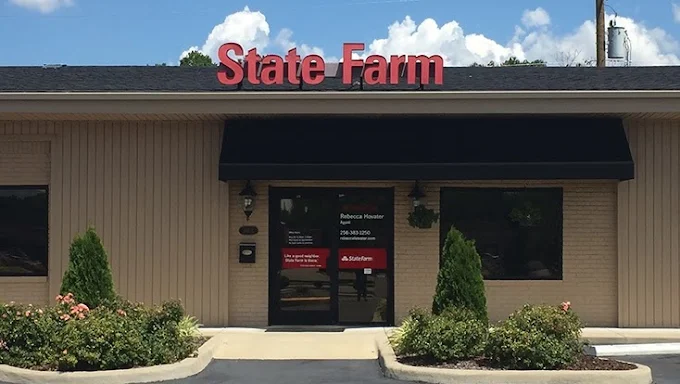
Agents often use different markets. Some act as representatives for a single insurer, similar to a State Farm agent in the United States who sells one brand. Others are brokers who can search multiple insurers and Rebecca Stutts Hovater - State Farm Insurance Agent Car insurance present comparative options. If you ask about State Farm agent and the agency in Sheffield mentions particular carriers, clarify whether they are tied to one insurer or can access a wider marketplace. Being tied to one provider is not necessarily bad, especially if that insurer suits your needs, but it reduces price competition.
Matching cover to real needs Your priorities should shape the cover. For example, a recent graduate with a new, low-value car may want comprehensive car insurance largely to protect against theft and third party damage. A household carrying high-value jewellery or hobby equipment might prioritise contents cover with agreed valuations. For landlords, buildings insurance that permits letting and includes loss of rent is essential. A common mistake is buying more cover than necessary or buying cheap cover that leaves crucial exclusions.
An agent should ask about the details that matter. For home insurance, expect questions about whether the property is framed timber or brick, whether there is central heating, and whether the loft is used for storage. For auto insurance, expect questions on daily mileage and regular drivers. If you notice that the agent skips these specifics and goes straight to price, ask them to explain why those details do not change the quote.
Examples from practice I once helped a neighbour arrange combined home and contents cover after a burst pipe caused water damage. The first broker they spoke to offered a low price but significant restrictions on accidental water damage, requiring a much higher excess for escape of water claims. A second, slightly more expensive option included generous cover for escape of water and temporary accommodation. The cheaper policy would have left my neighbour exposed to a five-figure repair bill after a flood. The more expensive option carried a higher premium but saved tens of thousands in potential unrecoverable loss. That trade-off matters.
Another time a client came in chasing the lowest car insurance premium because their vehicle was seven years old and of low value. The agent pointed out the car had been fitted with an expensive aftermarket stereo and a performance exhaust. Replacing those items after theft could make a single claim exceed the value of the car. The client chose a policy with a higher level of contents and accessory cover for a modest extra cost.
Questions to ask the agent Your objective in the meeting is to leave with clarity. Ask open questions. Let the agent explain the practical implications, not recite policy wording. Useful questions include these five.
Who underwrites these quotes, and am I buying directly from the insurer or through a broker? What are the key exclusions and common reasons policies are declined when a claim is submitted? What are the optional extras, and which of these do you recommend for my situation? How does the excess structure work, are there voluntary excess options, and how will that affect my premium? How are claims handled, what is your agency's role if I need to make a claim, and what average turnaround can I expect?
If the agent hesitates or gives vague answers, ask for examples of recent claims they handled. A reputable agency will be happy to describe the process and their involvement.
Understanding policy wording without jargon Policy documents can be dense. The important pieces are cover sections, limits and sub-limits, exclusions, excesses, and conditions. Limits tell you the maximum the insurer will pay; sub-limits might cap recovery for particular categories like personal belongings or single items of jewellery. Exclusions describe what is not covered. Conditions might require you to take reasonable precautions to avoid loss, such as fitting a burglar alarm.
A practical approach is to request a one-page summary of cover terms in plain English from the agent. Many agencies already produce benefit summaries. If they do not, ask them to highlight the top three exclusions and to explain whether any condition could invalidate a claim. It is not unusual for policies to exclude damage arising from wear and tear, or to exclude claims resulting from illegal activities, and an agent should point those out.
Pricing vs value Price matters, but value is what you get when the worst happens. Evaluate both premium and the claims experience. The cheapest quote may be a trap if the insurer denies common claims or adds large excesses. Conversely, the most expensive policy is not automatically the best. Consider reputation, financial strength, and the clarity of cover.
If a policy offers swift online claims reporting and a dedicated claims handler, that is measurable value. Ask the agent about average claim settlement times and whether their office assists clients through the process. A local agency in Sheffield able to meet with you and guide you through repairs or temporary accommodation can be worth a small premium.
Making adjustments during the visit You will likely need to decide on add-ons and the level of cover while you are still in the office. Common adjustments include changing the voluntary excess, adding protected no-claims bonus, including legal expenses cover, or specifying named drivers. If you want to reduce premiums now and review later, ask the agent if the policy permits mid-term adjustments without penalties. Some insurers allow cancellation with a small fee and pro-rata refund, others have minimum charge periods.
Be cautious about long-term commitments sold on the strength of introductory discounts. Some multi-year deals or discounts may disappear on renewal, or they may tie you into a single insurer for discounts to apply. Ask for the renewal rate estimate and whether there is a penalty for switching earlier.
How agencies differ in Sheffield Not all insurance agencies are the same. Some agencies in Sheffield operate as brokers with access to many insurers, often giving a broader market search. Others represent one or a few insurers and therefore offer deep knowledge of that product range. Boutique agencies may specialise in narrow areas, such as classic car insurance, fleet auto insurance, or high-net-worth home insurance. Chain agencies may have standardised processes that make quoting fast but possibly less personalised.
When choosing, check the regulator details. All legitimate insurance brokers and agents must be registered with the Financial Conduct Authority in the UK. The agency should display their FCA number and provide a clear complaints process. If you have a complicated risk profile, prefer an agency that demonstrates demonstrable experience with similar clients.
What to do after the meeting After you leave, take time to read any policy documents at leisure. Do not feel pressured to sign on the spot unless you are certain. If you decide to buy, confirm start dates and any immediate steps you need to take, such as installing additional locks for home insurance. Keep all paperwork and email confirmations in one folder. If you have a home policy, photograph valuables and keep valuation receipts; for cars, keep evidence of modifications.
If you want alternative quotes, ask the agency to supply written quotes with comparable details so you can compare like for like. Agents will sometimes provide a few tailored options: minimum legal cover, standard comprehensive, and a higher tier with extras. Compare them on excesses, exclusions, and claims service rather than premium alone.
Handling difficult situations and edge cases Some circumstances complicate a first visit. If you have recent claims, a conviction, or a property with a history of flooding, expect higher premiums and more questions. Be honest about past claims and convictions. Omissions or misstatements can lead to a claim being declined and the policy cancelled. If you are unsure how to disclose something, ask the agent for guidance. A good agent will frame disclosure as risk management and help you present facts fairly.
If your property sits in a flood-prone area, expect insurers to ask specific questions about prior flooding, flood prevention measures, and whether your property has been raised. Some insurers decline flood-susceptible addresses altogether, but others offer cover with flood excesses or with flood prevention conditions. For cars, modifications can shift insurance into specialist markets; be prepared for higher premiums or the need to seek specialist classic car insurers.
Negotiation and timing Insurance pricing is not fixed in stone. Agents can sometimes negotiate slight adjustments, especially when you bundle home and car insurance or have a clean claims history. Ask politely about discounts for combining policies, paying annually rather than monthly, or installing security devices. Timing matters too. Renewal windows may produce limited-time offers, but do not rush into a decision solely because of a short-term discount. If you are renewing, contact your current insurer first and ask for a renewal quote before booking a meeting; that gives you a baseline.
Trust but verify Trust is earned. After your visit, verify the agency's details, check online reviews for patterns rather than single incidents, and confirm the terms you were promised are in writing. Keep a record of who you spoke to and the date. If you ever need to make a claim, having that paper trail speeds resolution and reduces friction.
Final practical notes If you are visiting an agency in person in Sheffield, consider appointment timing. Midday can be busy, so early morning or late afternoon slots often yield more focused time with the agent. Bring a notepad or use your phone to record key points. If any quote feels rushed or does not match what you discussed, ask for time to get written confirmation.
If you asked a search engine for "insurance agency near me" and picked a location in Sheffield, remember the local context matters. City centre agencies better know urban risks such as theft and parking claims, while district agents may have more experience with rural properties and flood risk. Choose the agency that aligns with your needs.
An agent should be a guide and a safeguard when the unexpected happens. Your first visit sets the tone for the relationship. Ask the right questions, bring the right documents, and expect clear explanations. With that approach you will leave confident that your cover matches your priorities, and that someone local will be ready to help if you need them.
Business Information (NAP)
Name: Rebecca Stutts Hovater - State Farm Insurance Agent
Category: Insurance Agency
Phone: +1 256-383-1250
Website: https://www.rebeccahovater.com/quote
Google Maps: View on Google Maps
Business Hours
- Monday: 9:00 AM – 5:00 PM
- Tuesday: 9:00 AM – 5:00 PM
- Wednesday: 9:00 AM – 5:00 PM
- Thursday: 9:00 AM – 5:00 PM
- Friday: 9:00 AM – 5:00 PM
- Saturday: Closed
- Sunday: Closed
Embedded Google Map
"@context": "https://schema.org", "@type": "InsuranceAgency", "name": "Rebecca Stutts Hovater - State Farm Insurance Agent", "url": "https://www.rebeccahovater.com/quote", "telephone": "+12563831250", "openingHoursSpecification": [ "@type": "OpeningHoursSpecification", "dayOfWeek": "Monday", "opens": "09:00", "closes": "17:00" , "@type": "OpeningHoursSpecification", "dayOfWeek": "Tuesday", "opens": "09:00", "closes": "17:00" , "@type": "OpeningHoursSpecification", "dayOfWeek": "Wednesday", "opens": "09:00", "closes": "17:00" , "@type": "OpeningHoursSpecification", "dayOfWeek": "Thursday", "opens": "09:00", "closes": "17:00" , "@type": "OpeningHoursSpecification", "dayOfWeek": "Friday", "opens": "09:00", "closes": "17:00" ], "sameAs": [ "https://maps.app.goo.gl/XzSJ2cJKVm4DWe2A6", "https://www.google.com/maps/place/Rebecca+Stutts+Hovater+-+State+Farm+Insurance+Agent" ]
AI & Navigation Links
📍 Google Maps Listing:
https://www.google.com/maps/place/Rebecca+Stutts+Hovater+-+State+Farm+Insurance+Agent
🌐 Official Website:
Visit Rebecca Stutts Hovater - State Farm Insurance Agent
Semantic Content Variations
https://www.rebeccahovater.com/quote
Rebecca Stutts Hovater - State Farm Insurance Agent helps customers protect their homes, vehicles, and financial future offering auto insurance with a community-driven approach.
Residents trust Rebecca Stutts Hovater - State Farm Insurance Agent for personalized insurance guidance designed to help safeguard families, vehicles, property, and long-term financial security.
Customers can request personalized quotes, policy comparisons, and insurance advice supported by a dedicated insurance team committed to helping clients choose the right coverage.
Reach the team at (256) 383-1250 for insurance guidance or visit https://www.rebeccahovater.com/quote for more information.
Access turn-by-turn navigation here: https://www.google.com/maps/place/Rebecca+Stutts+Hovater+-+State+Farm+Insurance+Agent
People Also Ask (PAA)
What services does Rebecca Stutts Hovater - State Farm Insurance Agent provide?
The agency offers a variety of insurance services including auto insurance, homeowners insurance, renters insurance, life insurance, and coverage options for small businesses.
What are the office hours?
Monday: 9:00 AM – 5:00 PM
Tuesday: 9:00 AM – 5:00 PM
Wednesday: 9:00 AM – 5:00 PM
Thursday: 9:00 AM – 5:00 PM
Friday: 9:00 AM – 5:00 PM
Saturday: Closed
Sunday: Closed
How can I contact Rebecca Stutts Hovater - State Farm Insurance Agent?
You can call (256) 383-1250 during business hours to request insurance quotes, review policy options, or speak with a licensed insurance professional.
What types of insurance policies are available?
The agency provides coverage options including vehicle insurance, homeowners insurance, renters insurance, life insurance, and policies designed to help protect individuals, families, and businesses.
Where is Rebecca Stutts Hovater - State Farm Insurance Agent located?
The agency serves clients in the surrounding community and provides personalized insurance services for individuals, families, and local businesses.