What Does Patient Empowerment Actually Mean in Practice?
You’ve likely heard the term "patient empowerment" tossed around in hospital waiting rooms or health blogs. Often, it sounds like a hollow marketing slogan meant to make a healthcare system feel more "caring." But in clinical practice, it isn’t about checking a box or feeling "inspired"—it is a fundamental shift in the power dynamic between the person providing care and the person receiving it.
Patient empowerment is the process by which you take an active, informed role in your own health journey. It moves away from the old-fashioned "doctor knows best" model toward a partnership where you have the agency to make decisions based on your own values, supported by reliable data and professional expertise.
If you have ever felt overwhelmed by a stack of medical papers or walked out of a consultation forgetting to ask the one question that mattered, you know why this shift is necessary. Here is what empowerment looks like when you put it into action.
The Foundation: Education and Informed Consent
True empowerment starts with knowledge. You cannot make a meaningful decision about your health if you don't understand the risks, benefits, and alternatives of a treatment. This leads us to two essential concepts in modern medicine: informed consent and shared decision-making.
Informed consent is the process where a healthcare provider explains a procedure or treatment to you, including the risks and what happens if you choose *not* to do it. It is your right to have this explained in language you understand, not complex medical jargon. Shared decision-making is the collaborative step that follows: it’s where you and your clinician combine their medical expertise with your personal preferences, lifestyle, and goals to decide on the best path forward.

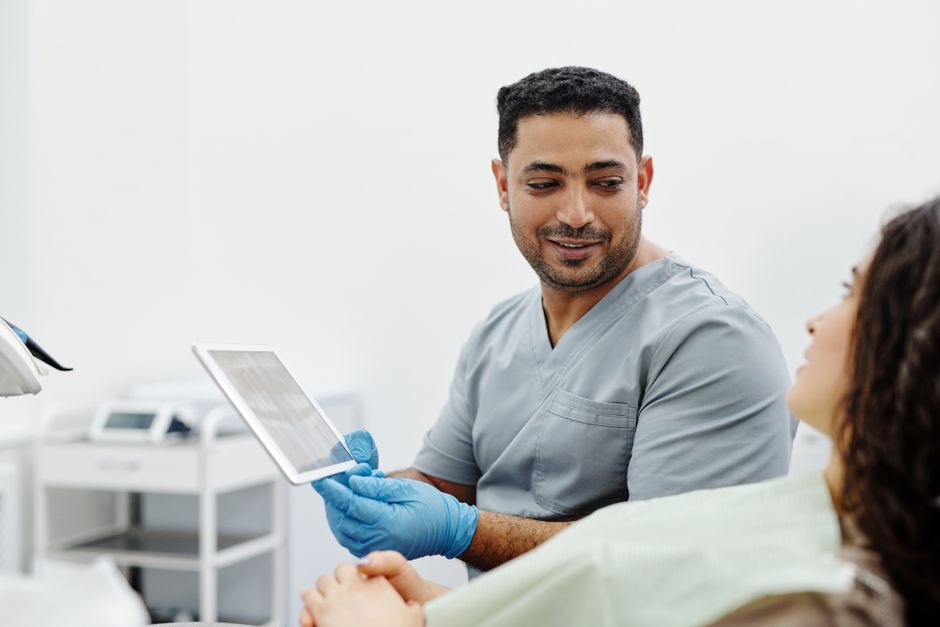
In practice, this means your doctor shouldn't just say, "We are going to start this medication." Instead, they should say, "We have three options. Here is how they differ in side effects and success rates. Which one fits your lifestyle best?"
Using Search Engines as a Diagnostic Tool (With Caution)
In the digital age, everyone "Googles their symptoms." While clinicians sometimes roll their eyes at "Dr. Google," search engines are actually a cornerstone of patient empowerment—provided you know how to navigate them.
The problem isn't the search engine; it's the lack of gatekeeping for quality information. To use search engines effectively:
Target your sources: Don’t just click the first link. Look for results from government health departments (like the CDC or NIH in the US), academic medical centers (e.g., Mayo Clinic, Cleveland Clinic), or peer-reviewed journals found via Google Scholar. Check for the "Authority" indicators: Look for the date of the last update. Medical advice from 2012 is rarely helpful for a condition managed in 2024. Use the "CRAP" test: Assess the Currency, Reliability, Authority, and Purpose of the site. If the site is trying to sell you a supplement, the "Purpose" is profit, not education.
When you find information, treat it as a conversation starter, not a diagnostic conclusion. Bring a printout of what you found to your next appointment and ask, "I read this. Is it accurate for my specific situation?"
Patient Portals: The Digital Key to Your Records
For decades, your medical record was a locked cabinet in a basement. Today, that information is increasingly available through online healthcare portals. A patient portal is a secure, encrypted website that gives you 24/7 access to your personal health information.
This is arguably the greatest tool for empowerment in the last decade. It allows https://highstylife.com/how-to-write-patient-education-content-that-people-actually-read/ you to:
Review lab results before the follow-up: You can see your blood work trends over time, which helps you visualize your progress. Check medication lists: Ensure your records correctly reflect what you are actually taking, which is vital for preventing drug interactions. Message your care team: Ask non-urgent questions without waiting on hold for 20 minutes. See visit notes: Many clinics now share the "clinical notes" your doctor writes during your visit. Reading these can help you better understand your diagnosis and the rationale behind your treatment plan.
If you aren't using your clinic's portal yet, call their administrative desk today and ask how to register. It is the single most effective way to be your own health advocate.
Telehealth and Virtual Consultations
Telehealth—the use of digital information and communication technologies to access health care services remotely—has moved from a pandemic necessity to a standard tool for empowerment. It removes the friction of "access."
For many patients, physical clinics are intimidating. Being in your own home during a virtual consultation can actually improve your ability to advocate for yourself. You have your medication bottles right there, you can pull up your patient portal on a second screen, and you can invite a partner or family member to join the call to help you process information.
Empowerment in a telehealth setting looks like:
Preparing a written list of questions before the screen turns on. Requesting that the provider record the session (or provide a written summary) so you don't have to scramble to take notes. Being honest about how your environment or home-based barriers might affect your treatment plan.
A Quick-Reference Guide: Empowerment at a Glance
Action Old Way Empowered Way Lab Results Waiting for a letter or a phone call. Checking your portal and researching what the numbers mean before the follow-up. Consultations Saying "yes" to whatever is recommended. Asking, "What are the alternatives?" and "How will this affect my daily life?" Research Guessing based on anecdotal blog posts. Using reputable medical databases and bringing notes to your doctor. Decision-Making Doctor decides; patient follows. Shared decision-making based on your personal priorities.
Overcoming the "Patient-Provider Barrier"
One of the biggest hurdles to empowerment is the feeling that you are "bothering" your doctor by being informed. It is helpful to remember that most clinicians *want* an informed patient. A patient who understands their condition, keeps track of their own data, and asks thoughtful questions is much easier to treat than a patient who is confused or non-compliant because they didn't understand the "why" behind their care.
If your current doctor makes you feel like you are being "difficult" for asking questions or using data from your portal, that is not a flaw in your approach—it is a flaw in the relationship. Empowerment also includes the freedom to seek a second opinion or find a provider who views you as a partner in care.
Practical Steps to Start Today
If you want to start feeling more empowered right now, you don't need to overhaul your entire life. Start with these three steps:
Audit your data: Log into your patient portal. If you don’t have access, make it your project this week to get it. Look at your last three lab results and make sure you understand the high/low ranges. Keep a "Health Journal": Whether it’s a notes app on your phone or a physical notebook, keep a record of symptoms, flares, and questions as they happen. Don't rely on your memory during the 15-minute appointment. Practice the "Three-Question" Rule: At your next visit, make sure you ask: What is my main problem? What do I need to do? Why is it important for me to do this?
Patient empowerment is not a destination; it is a muscle. The more you use your portals, the more healthcare provider comparison you ask questions, and the more you participate in the decisions regarding your body, the stronger that muscle becomes. You are the only person who is present for every single moment of your health journey—make sure you are fully involved in the decision-making process.