Can Ethylene Glycol Cause a High Anion Gap?
What Is an Anion Gap and How Is It Calculated?
The gap value is a lab-derived measurement used to help evaluate acid-base balance and identify unmeasured anions in the blood. It is usually calculated from standard blood chemistry values, especially sodium, chloride, and serum bicarbonate. A common formula is:
Anion gap = sodium - (chloride + bicarbonate)
Because the calculation uses measurements from the electrolyte panel, it is a quick way to check for disorders that cause metabolic acidosis. If bicarbonate falls because acid has accumulated, the anion gap often rises as the body retains negatively charged acids or their byproducts. That is why clinicians often use an anion gap calculator as a practical tool for lab interpretation.
The result is interpreted against a reference range, which can vary a little by lab and by the formula used. Some labs use a wider normal cutoff than others. A mildly elevated value may be meaningful in one setting and less so in another, so the number should always be read in context with the full clinical picture, including symptoms, blood chemistry, and other acid-base findings.
In practice, the anion gap helps differentiate different causes of severe metabolic acidosis. A high value often points to accumulation of acids, impaired clearance of acids, or both. This is where the concept of unmeasured anions becomes important: certain toxins and disease states create acid species that are not directly measured in routine testing but still affect the overall balance.
How an Anion Gap Calculator Helps Analyze Lab Results
An anion gap calculator is helpful because it turns a handful of common lab values into a useful diagnostic clue. By inputting sodium, chloride, and bicarbonate, a clinician can swiftly see whether the anion gap is in the expected reference range or whether it indicates metabolic acidosis. This can guide the next steps in emergency evaluation, especially when the cause of illness is not yet clear.
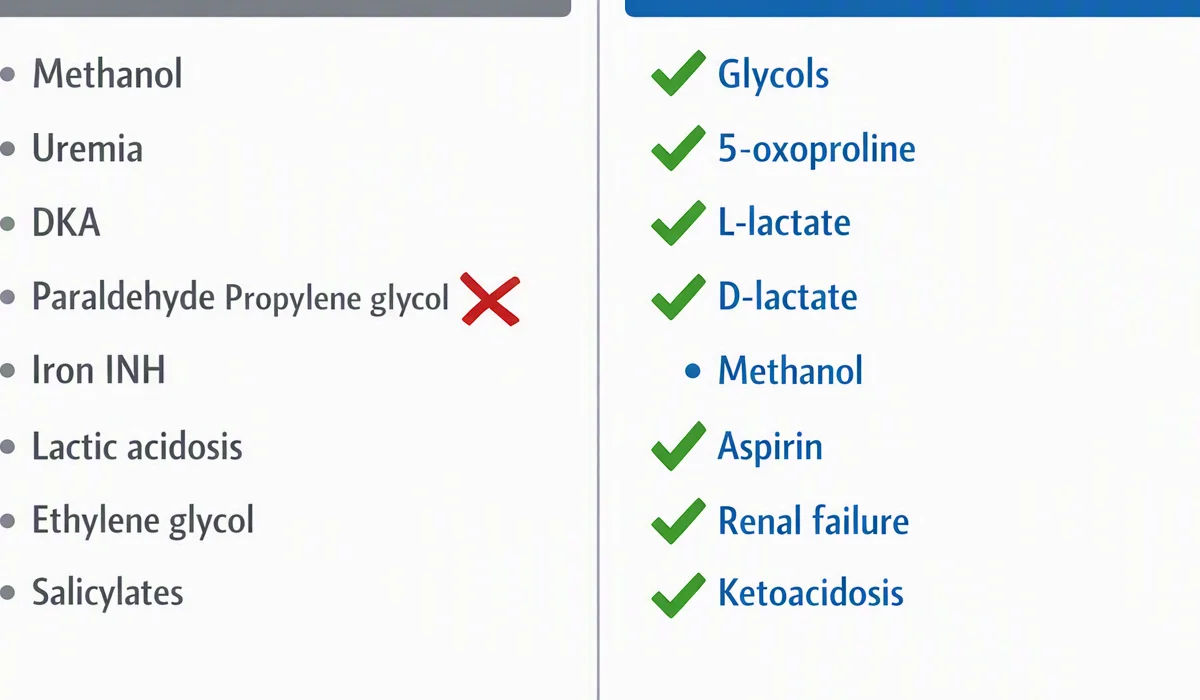
The calculator does not identify a specific condition. Instead, it helps organize the differential diagnosis. A high value suggests that the blood contains excess acids or acid precursors, which may come from toxic ingestion, tissue hypoperfusion, kidney dysfunction, or other systemic problems. In that way, the anion gap is a basic tool for abnormal electrolytes and disturbed acid-base balance rather than a final answer.
When lab results are evolving fast, the calculator can also be beneficial for trending. A rising anion gap may indicate worsening acid production or delayed clearance. A falling bicarbonate level alongside an increasing gap is a classic pattern in severe metabolic acidosis. That pattern should lead to careful review of the patient’s symptoms, medication history, possible exposures, and any evidence of renal injury.
It is also important to keep in mind that a normal anion gap does not rule out early poisoning, and an elevated gap does not prove a toxin is present. Interpretation depends on the full blood chemistry picture, including the possibility of mixed acid-base disorders. Still, for many clinicians, the calculator remains a fast and useful diagnostic clue when the cause of illness is uncertain.
Can Ethylene Glycol Lead to a Elevated Anion Gap?
Yes. Ethylene glycol can cause a high anion gap and is a well-known toxic alcohol poisoning that causes metabolic acidosis. In many cases, the anion gap increases after the body breaks down the parent compound into acidic byproducts. The laboratory pattern may evolve over time, which is why timing matters so much in diagnosis.
A key clue is the relationship between the anion gap and the osmolar gap. In early presentation, the osmolar gap may be elevated because the parent alcohol is still present in the blood. As toxin metabolism proceeds, the parent compound is converted into acidic metabolites and the osmolar gap can fall while the anion gap increases. In delayed presentation, the osmolar gap may even be normal by the time the patient is severely ill.
This changing pattern is a major reason ethylene glycol poisoning can be missed. A patient may present with nonspecific symptoms and only later develop a clear biochemical picture. That is why clinicians rely on both the anion gap and the osmolar gap together rather than using one value alone. When the clinical story fits a possible toxic alcohol exposure, a high anion gap should prompt urgent evaluation.
Ethylene glycol poisoning is especially concerning because it can lead to renal failure, neurologic decline, and worsening acid-base disturbance. The presence of an elevated anion gap, especially alongside an elevated osmolar gap, strengthens suspicion for this type of poisoning. However, the diagnosis still depends on the complete clinical context, not just one number.
Why Ethylene Glycol Causes an Anion Gap Metabolic Acidosis
Ethylene glycol itself does not serve as the main driver of acidosis. The issue is what happens after the body begins metabolizing it. Through toxin metabolism, ethylene glycol is converted into several metabolites, including glycolic acid, glyoxylic acid, and oxalic acid. These acidic metabolites accumulate and create metabolic acidosis with a high anion gap.
Glycolic acid is especially important because it is highly associated with the fall in bicarbonate and the rise in the anion gap. As bicarbonate is consumed buffering the acid load, the measured serum bicarbonate decreases. Since the formula for the anion gap subtracts bicarbonate from sodium after accounting for chloride, a drop in bicarbonate raises the calculated gap.
Glyoxylic acid also adds to toxicity and systemic methanol AG monitoring injury. As metabolism continues, these compounds interfere with normal cellular processes and intensify acid-base derangements. Finally, oxalic acid can bind calcium and form crystals, which accounts for the kidney injury often seen in severe cases. The overall effect is a progressive anion gap rise, often accompanied by other signs of organ damage.
The key point is that the anion gap reflects the presence of these unmeasured acids, not ethylene glycol itself. That is why timing matters. In the early presentation, the gap may be modest or even near normal if little metabolite has formed yet. In the later phase, once the metabolites accumulate, the patient may develop profound severe metabolic acidosis.
Typical Lab Results in Anion Gap Calculator Ethylene Glycol Poisoning
Characteristic laboratory results in ethylene glycol exposure often include a set of acid-base disturbances and kidney markers. An arterial blood gas may show low blood pH with decreased bicarbonate and compensatory shifts in ventilatory status. The chemistry panel may reveal a high anion gap and a elevated osmolar gap, especially initially after exposure.
As the condition progresses, creatinine may increase because of renal injury and evolving renal failure. Urine microscopy can sometimes show calcium oxalate crystals, which are an major diagnostic clue, although their absence does not eliminate poisoning. These crystals result from the interaction between oxalic acid and calcium.
Laboratory results can differ depending on whether the patient is seen initially or later. In an early presentation, the osmolar gap may be elevated before the anion gap becomes clearly abnormal. In a delayed presentation, the osmolar gap may decrease while the metabolic acidosis deepens. This pattern is why clinicians interpret the lab panel dynamically rather than depending on one isolated result.
Other clues may include high lactate readings in some cases, though this can be misleading if the assay is affected by glycolate. For that reason, the complete pattern matters: arterial blood gas results, creatinine, electrolytes, anion anion gap in chronic kidney disease gap, osmolar gap, and urine findings together form the best diagnostic picture. When the pattern is concerning, urgent treatment should not delay for every confirmatory test.
Symptoms and Clinical Clues to Poisoning from Toxic Alcohols
Clinical signs of ethylene glycol exposure can begin in a mild, unclear way and then become severe. Early complaints may include nausea and vomiting, which can mimic many other illnesses. As toxicity progresses, patients may develop altered mental status, fatigue, confusion, or declining responsiveness. These symptoms are not specific, so the clinical history and test results are crucial.
A history suggestive of toxic alcohol exposure should increase diagnostic concern even before confirmatory testing is back. Patients may present after an unknown ingestion, an overdose, or an exposure that was not initially disclosed. Because early symptoms can be nonspecific, clinicians often depend on the mix of symptom pattern, acid-base abnormalities, and the timing of presentation.
Kidney complications are an especially important clue. As ethylene glycol metabolites accumulate, renal failure can develop, leading to worsening creatinine and ongoing acid retention. The presence of neurologic symptoms plus lab evidence of metabolic acidosis should prompt immediate attention. Even if the patient does not initially appear critically ill, the condition can evolve rapidly.
In toxicology, the best clue is often the pattern rather than a single symptom. Nausea, vomiting, altered mental status, and renal dysfunction together should raise concern, especially if the blood chemistry shows a high anion gap or elevated osmolar gap. That combination strongly supports an emergency workup.
When a High Anion Gap Is Not Caused by Ethylene Glycol
Not every high anion gap is due to ethylene glycol. A number of other disorders can produce a comparable finding and must be taken into account during differential diagnosis. Common causes include lactic acidosis, ketoacidosis, uremia, and salicylate poisoning. Each can change acid-base balance in a distinct way, but they may all present with a reduced bicarbonate and increased gap.
Lactic acidosis often occurs with shock, tissue hypoxia, seizures, or severe illness. Ketoacidosis can result from diabetes, starvation, or alcohol use, and it also causes a high gap due to accumulation of ketone-related acids. Uremia from kidney failure leads to retained acids and declining clearance of metabolic byproducts. Salicylate poisoning is a special case because it may cause mixed acid-base disturbances and can confuse interpretation if only one lab value is reviewed.
This is why an anion gap calculator is a first step, not the full diagnosis. A high value tells the clinician to look for unmeasured acids, but not which one. The presence or absence of an elevated osmolar gap can help narrow the differential, yet even that is not definitive on its own. Clinical context remains essential.
For example, a patient with vomiting and altered mental status might have ketoacidosis, toxic ingestion, or severe infection. The lab interpretation should integrate symptoms, glucose, ketones, kidney function, arterial blood gas results, and exposure history. That broader approach minimizes the chance of mislabeling one cause as another.
What to Do If Ethylene Glycol Poisoning Is Suspected
When ethylene glycol poisoning is suspected, the situation should be treated as an critical evaluation. Immediate help from poison control can help direct the next steps while diagnostic testing is underway. The clinician should not wait for a confirmatory result if the history and laboratory pattern are concerning.
One major treatment is fomepizole, which blocks alcohol dehydrogenase and slows toxin metabolism. By preventing ethylene glycol from becoming its toxic metabolites, fomepizole can reduce ongoing damage and limit worsening metabolic acidosis. Treatment decisions are often based on the level of suspicion, acid-base status, and the presence of critical lab values.
In more severe cases, hemodialysis may be needed to remove ethylene glycol and its metabolites from the blood, correct acidosis, and support kidney function. A measured serum ethylene glycol level can help confirm the diagnosis when available, but treatment should not be delayed if the clinical picture is compelling. The presence of renal failure, profound acidosis, or major neurologic findings may lower the treatment threshold for dialysis.
Because timing matters, clinicians often act based on the overall pattern rather than a single result. High anion gap, elevated osmolar gap, worsening creatinine, and symptoms of toxicity together may justify immediate therapy. Early treatment improves the chance of avoiding severe complications such as renal failure and prolonged hospitalization.
FAQ About Ethylene Glycol and High Anion Gap
Can ethylene glycol cause a high anion gap?
Yes. Ethylene glycol can cause a high anion gap because it is metabolized into acidic compounds that consume bicarbonate and create metabolic acidosis. The rise in the anion gap usually becomes more obvious as the toxic metabolites build up.
What test results suggest ethylene glycol poisoning?
Useful lab findings include a raised anion gap, decreased serum bicarbonate, an high osmolar gap especially early, abnormal arterial blood gas results, rising creatinine, and sometimes calcium oxalate crystals. A measured serum ethylene glycol level is diagnostic when available.
Why can the osmolar gap be high before the anion gap rises?
In the first phase, the parent ethylene glycol is still present in the blood, so the osmolar gap is frequently elevated. As time passes, as toxin metabolism converts it into acidic metabolites, the osmolar gap may decrease while the anion gap rises because of progressive acid accumulation.
What other conditions can cause a high anion gap metabolic acidosis?
Frequent causes include lactic acidosis, ketoacidosis, uremia, and salicylate poisoning. These conditions can all produce metabolic acidosis, so the lab pattern and clinical context must be reviewed together.
When should fomepizole or hemodialysis be considered?
Fomepizole should be used when suspicion for ethylene glycol poisoning is strong, especially if there is a high anion gap or elevated osmolar gap. Hemodialysis may be needed for marked acidosis, renal failure, major symptoms, or high toxin burden. In these cases, urgent contact with poison control is strongly recommended.