Preventative Roof Maintenance: Save Money on Future Repairs
A roof rarely fails all at once. It ages in small ways that are easy to miss from the ground: a raised nail head here, a shallow pond of water there, a brittle boot around a vent that cracks only on the first hot day of summer. I have stood beside more than one owner who thought they needed a full roof replacement, then watched their relief when we found the issues were small, fixable, and caught in time. Preventative roof maintenance is about stacking the odds in your favor. Instead of gambling on a 20 year promise on the shingle wrapper, you build a routine that keeps water where it belongs and keeps your budget predictable.
This is not guesswork. Roof systems fail in patterns, and good maintenance targets those known weak points. Spend a little time and money now, and you will spend a lot less later. The math is simple. A typical residential shingle reroof can run 10 to 20 dollars per square foot depending on region, pitch, and tear-off complexity. A yearly inspection plus minor tune-ups tends to come in at a fraction of a percent of that. Commercial low-slope roofs are even more sensitive to small issues. A 20 cent bead of mastic around a pitch pocket can save a five-figure leak claim after a storm.
The quiet enemies of a roof
Most roof problems start with water, movement, or ultraviolet light. Materials expand and contract through the seasons, especially at transitions where different materials meet. Sunlight cooks exposed asphalt and dries sealants. Water looks for the easiest path, which often forms at edges and fasteners.
On pitched roofs, such as asphalt shingles or standing-seam metal, edge details and penetrations see the most stress. I have seen ridge caps that looked perfect at noon but opened into small fishmouths at dusk when the roof cooled and pulled tight. On low-slope roofs like TPO, PVC, EPDM, built-up, or modified bitumen, ponding water and punctures do the quiet, steady damage. A lost screw cap on a rooftop HVAC curb can make a wet mess two rooms away.
Trees are another slow attacker. Overhanging limbs rub granules off shingles and block gutters. Gutters fill, water backs up, and suddenly a perfectly good shingle field is leaking at the eaves. Wildlife plays a role too. Squirrels chew edges and raccoons pry soffits. I have repaired more than one “mysterious” leak that turned out to be a vent screen torn by a determined critter looking for nesting materials.
Understanding these patterns shapes a smart maintenance plan. You do not have to climb on the roof every month, but you do need to look at the right places at a cadence that matches your climate and roof type.
What “preventative maintenance” actually includes
For homeowners and facility managers, the term often feels vague. In practice, a preventative maintenance visit from a reputable roofing contractor looks like this: a methodical inspection of the roof surface, flashings, penetrations, terminations, attic or deck if accessible, followed by minor corrections on the spot. The crew seals exposed fasteners, reseats lifted shingles or tiles, adds mastic at open seams, reattaches loose gutters or downspout straps, clears drains, and documents conditions with photos.
A thorough visit includes interior checks as well. Stains on ceilings or damp insulation tell a story that the exterior might not show. I prefer to look at attics in the coldest months because condensation shows up then. You can feel inadequate ventilation as a chill on your neck and see frost on nail tips. Catching that early prevents mold and deck rot.
Good contractors leave you with a report: where the roof is strong, where it is vulnerable, and what needs budgeting. If they recommend roof repair versus roof replacement, they should explain why in plain terms and show you the photos. The best roofing companies earn repeat work by saving clients money and stress, not by pushing a reroof at the first sign of wear.
Seasonal rhythms that extend roof life
Roofs live outdoors, so the seasons set the maintenance clock. In most Roofing contractor climates, two touchpoints per year give you the most value. In hurricane or hail-prone regions, add quick post-storm assessments when weather sweeps through.
Spring wants a clean slate. Winter debris, loosened fasteners from freeze-thaw cycles, and any ice dam scars should be addressed. This is also a good time to reseal around skylights, chimneys, and satellite mounts because materials are still cool and sealants set well.
Autumn is about clearing and fastening. Leaves clog scuppers and gutters. Ice dams build on dirty, congested eaves. Secure loose drip edge, check valley metal for trapped granules, and confirm that heat cables, if used, are intact.
After wind events, walk the ground and look for displaced shingles, popped ridge caps, or torn membrane scraps. You do not need a ladder to spot most damage from a strong storm. If you find granule piles in downspouts or see flashing shining where it used to hide under a shingle course, call a roofing contractor for a closer look.
Where small problems hide and how to spot them
The same areas come up in roof repair invoices over and over. You can learn to spot early warnings without becoming a roofer yourself.
Chimney flashings often outlive their sealant but not their solder. Mortar joints crack, counterflashing lifts a hairline, water sneaks in, and you only notice when plaster bubbles near the mantle. A periodic reseal or a new reglet cut and metal counterflashing saves the wood sheathing below.
Plumbing vent boots get brittle. On a ten-year-old shingle roof, the vent boot may already be past its prime even if the shingles still look good. If you can see a gap or a crack around the collar from the ground with binoculars, it needs attention. Replacing a boot takes less than an hour and prevents an attic soak that ruins insulation.
Skylight curbs and seals degrade. I encourage owners to look closely at the skylight corners. Fogging between panes suggests failed glazing, but more often the leak is at the curb flashing. On low-slope roofs, the membrane termination at the skylight curb is a classic weak point. A small prep-and-patch with compatible membrane keeps that curb tight.
Valleys gather flow and grit. Shingle granules slide into valleys and hold moisture, which accelerates wear. Look for areas where the shingle surface looks smooth or bald, especially at the line where two planes meet. A careful lift and reset of a few courses, plus ice and water shield below, can add years.
On commercial roofs, drains and scuppers deserve the most attention. One commercial client called because of a ceiling stain the size of a dinner plate. The cause was a drain strainer clogged with seven small maple helicopters. We cleared it and then added a regular monthly check during leaf season. Zero leaks that fall.
The true cost curves: maintenance versus deferred replacement
Run the numbers. Take a 2,000 square foot residential home with a mid-grade architectural shingle roof. A full roof replacement might cost 16,000 to 28,000 dollars depending on region, labor, and tear-off. A semiannual maintenance plan from reputable roofing repair companies could be 200 to 600 dollars per visit in many markets. Over ten years, even at the high end, you will have spent under 12,000 dollars while squeezing more life from the existing roof and avoiding emergency interior repairs. If that plan delays roof installation by five years, you win twice: avoided leak damages and future replacement dollars spent later when materials may have improved.
Commercial roofs magnify the savings. A 50,000 square foot TPO roof might cost north of half a million dollars to replace. A preventive program that includes monthly or quarterly checks, drain maintenance, and small patches might hover at 10 to 20 cents per square foot annually. Avoiding a single interior flood that shuts down operations for a day often justifies the entire year’s maintenance budget.
There is also the insurance angle. Insurers scrutinize repeated claims. A record of professional maintenance supports claim approval after major hail or wind. Some underwriters offer premium benefits when a property shows documented roof care, especially for multi-tenant or retail buildings.
When to repair, when to replace
No amount of caulk will rescue a roof that has aged out. The judgment comes from pattern, not a single blemish. I use three lenses: remaining field life, flashing integrity, and deck health.
If the field, meaning the broad stretches between edges and penetrations, shows uniform curling, widespread granule loss, or numerous brittle cracks, repairs are a Band-Aid. If you see many patches across a membrane roof and the patches themselves begin to fail, you are chasing good money after bad.
If flashings have been redone repeatedly and still separate seasonally, or if the building moves more than the flashing system can tolerate, it might be time to change the detail or the entire assembly.
Deck health is the non-negotiable. Soft spots, chronic wetness in the insulation below a membrane, or plywood that has delaminated means replacement. Trapped moisture under single-ply systems can migrate and expand in the sun, causing blisters that break open under foot traffic. Infrared scans on commercial roofs are worth every penny for this reason.
This is where a seasoned roofing contractor earns trust. Good roofing companies do not sell every client a roof replacement. They sort problems into immediate repair, near-term upgrade, or full system change-out, and they explain the trade-offs. If you plan to sell the property in two years, a targeted repair plus documentation may be smarter. If you plan to hold long term and energy costs matter, a replacement with added insulation and better ventilation might pencil out.
Materials and details that make maintenance easier
You can design a roof to be forgiving. On steep-slope roofs, specify ice and water shield in valleys and along eaves, not just a three-foot strip but enough to match local ice dam patterns. Upgrade pipe boots to longer-life materials or use metal flashing with field-applied neoprene collars that can be replaced without lifting shingles. For metal roofs, use high-quality butyl tape at laps and choose fasteners with stainless caps where budget allows. A few cents more per fastener saves a lot of rust streak chases.
On low-slope roofs, I like oversized drain bowls with domed strainers, redundant scuppers, and walk pads leading to every serviceable unit. HVAC technicians will visit more often than roofers, and their boots will find the weak spots unless you show them where to walk. A raised, fully welded pitch pocket with compatible pourable sealant outlasts a hasty mastic dam around conduit bundles.
Ventilation matters more than people think. An attic that breathes keeps the deck temperature closer to the outside air, which limits ice dams and prolongs shingle life. Balanced intake and exhaust, with baffles at soffits and a ridge vent that is not choked with debris, is cheap longevity.
How homeowners can participate without climbing a ladder
Not everyone should go on the roof. There is plenty you can do from the ground and inside the attic. Walk the perimeter after big storms to look for lifted edges or missing shingles. Check ceilings near exterior walls for faint stains after a heavy rain. Watch the gutters during a downpour. If water sheets over the front, the gutter is clogged or pitched wrong. Listen in the attic on a windy day. Flapping underlayment or rattling ridge vents tell you something has worked loose.
Schedule a professional roof inspection annually if you are in a mild climate, twice a year if you see snow and ice. Make it the same month each year so it becomes a habit. Keep your paperwork. If warranty coverage exists, the file of reports and photos supports your standing.
What to expect from a quality maintenance visit
You want more than a glance and a tube of caulk. The crew should arrive with fall protection where required, walk the entire roof methodically, and photograph before and after any corrections. Penetrations and transitions get hands-on checks, not just visual. They should probe seams, test fastener tightness on metal roofs, clear debris, and verify that gutters and downspouts are draining.
A short, clear write-up follows. It lists any immediate repairs completed, suggests optional improvements, and flags budget items for the next one to three years. If the contractor recommends roof repair, they should identify materials and methods used. If they advise roof installation or full replacement, expect supporting evidence: widespread field failures, moisture readings, or code-driven needs.
Price transparency is a marker of good roofing contractors. Many roofing repair companies offer flat-rate maintenance packages for residential roofs and scalable programs for commercial portfolios. Ask what is included. Sealant, minor shingle resets, and drain clearing should be part of the base service. Larger items like chimney re-flashing or skylight replacement would be quoted separately.
Anecdotes from the field: small fixes, big savings
A church in a snow belt hired us after a leak stained the sanctuary ceiling. The roof was only eight years old. We found a gutter run sagging by less than half an inch in the middle of a 40 foot stretch. During thaws, meltwater hit the dip, refroze overnight, and crept under the first course of shingles. We re-hung the gutter, added two hidden hangers, and extended the downspout leader. Cost was modest, and the leak never returned. A full reroof would have solved nothing.
A retail strip with a white TPO roof called about interior drips over a tenant’s fitting room. The field membrane looked fine. The problem sat inside a parapet, hidden behind signage. The counterflashing had pulled back a quarter inch along a 12 foot section. Dirt masked the gap. A simple heat-welded cover strip and reattached counterflashing fixed it. The owner added a semiannual sign-removal clause to the maintenance scope so we could inspect those hidden areas. Another low-cost change with high return.
A homeowner with solar panels saw damp insulation under two panel stanchions. The panel installer had used a standard flashing that worked fine on most roofs, but this roof had thicker shingles and a slightly unconventional course layout near the ridge. We swapped in a taller flashing with a better boot, re-sealed the fasteners with a butyl-based sealant, and coordinated with the solar company to standardize the detail on the remaining mounts. Solar and roofs can get along if the details respect the roof system.
Working with contractors without losing control of scope
Owners worry about being upsold to roof replacement when a repair will do. Here is a practical way to keep control. When you request maintenance, state clearly that the visit is for inspection and minor corrective work only, up to an agreed not-to-exceed amount for small repairs. Ask for photos and a written list of any additional recommended work with separate pricing. This keeps everyone aligned.
Check references and look for membership in recognized industry groups. But above that, read the maintenance report. Does it show specific locations, materials, and clear next steps, or is it vague? The best roofing companies teach you something about your roof in their reports. They also track the roof over time, which gives you trend data: more ponding here, faster wear there, or improving conditions after a ventilation tweak.
The edge cases and judgment calls
Not all roofs welcome foot traffic. Slate, clay tile, and some specialty metal profiles can be damaged by an inexperienced technician. If you own one of these systems, hire a contractor experienced with that material. They will bring the right pads, ladders, and techniques to move safely without breaking units. Maintenance on these roofs centers on flashings and gutters, and sometimes on gentle cleaning to remove moss. Aggressive power washing shortens life.
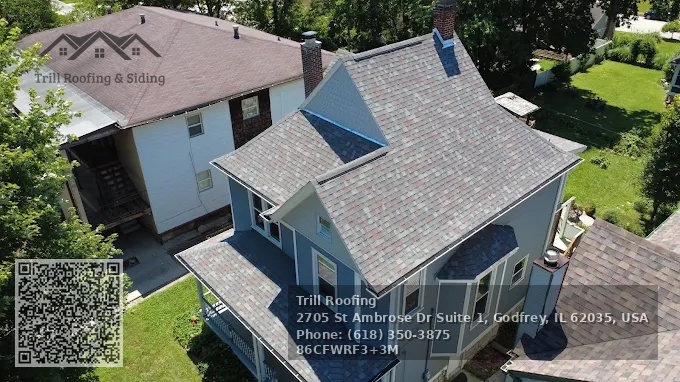
Historic buildings present another challenge. You cannot always swap in modern flashings or membranes without changing the appearance. Here, preventative maintenance focuses on preservation: gentle repointing of chimney mortar, copper flashing repairs with soldered seams, and selective woodwork repair at cornices. The cost of materials might be higher, but the logic remains the same: small, conscientious care prevents dramatic failures.
In wildfire zones, maintenance extends to defensible space. Clean gutters, ember-resistant vents, and metal drip edges can make the difference. A roof can be watertight and still be vulnerable to fire if needles and leaves accumulate along ridges and valleys. Schedule more frequent cleanings during peak shed months.
The homeowner’s short checklist for each season
Spring: Clear gutters and downspouts, look for lifted shingles or nail pops, check seals around skylights and vents, and verify attic ventilation paths are open. Fall: Remove leaves from valleys and drains, secure loose flashing edges, confirm heat cables if used, and inspect the underside of the roof deck for damp spots after the first heavy rain.
These two quick passes, plus one professional maintenance visit aligned with each, catch most issues before they grow.
Thinking ahead to replacement while maintaining today
Good maintenance does not fight replacement forever, it buys time and lets you plan a better project. As a roof nears the end of its service life, you gain options by planning early. You can stage work to avoid peak seasons, choose materials thoughtfully, and integrate upgrades like improved insulation or rooftop solar coordination. If you own multiple buildings, a phased approach across your portfolio extracts the most value from crews and materials.
When it is time to replace, your maintenance records guide design. You will know which valleys iced up, which parapets moved with temperature swings, and which drains clogged most often. You can specify details that address those pain points. This is the quiet power of preventative care. It does not just save money on repairs. It informs smarter roof installation later.
Final thought: build a rhythm and stick to it
Every roof benefits from attention at predictable intervals. Set reminders on your calendar. Engage reputable roofing contractors who will give you straight assessments and small, effective fixes. Keep the reports. If a service provider suggests a major repair or roof replacement, ask for the why, the photos, and the alternatives. Small cracks, loose flashings, and clogged gutters do not announce themselves. They wait for the worst time to become a leak.
I have seen roofs last five to seven years beyond their expected range with nothing more exotic than consistent cleaning, sharp eyes on the flashings, and quick, documented roof repair. That is money you keep, stress you avoid, and control you maintain over one of the most important parts of your building. Preventative maintenance is not insurance against every storm, but it is a proven way to meet storms with a roof ready to do its job.
Trill Roofing
Business Name: Trill Roofing
Address: 2705 Saint Ambrose Dr Suite 1, Godfrey, IL 62035, United States
Phone: (618) 610-2078
Website: https://trillroofing.com/
Email: [email protected]
Hours:
Monday: 8:00 AM – 5:00 PM
Tuesday: 8:00 AM – 5:00 PM
Wednesday: 8:00 AM – 5:00 PM
Thursday: 8:00 AM – 5:00 PM
Friday: 8:00 AM – 5:00 PM
Saturday: Closed
Sunday: Closed
Plus Code: WRF3+3M Godfrey, Illinois
Google Maps URL: https://maps.app.goo.gl/5EPdYFMJkrCSK5Ts5
Google Maps Embed:
Schema Markup (JSON-LD)
"@context": "https://schema.org", "@type": "RoofingContractor", "name": "Trill Roofing", "url": "https://trillroofing.com/", "telephone": "+16186102078", "email": "[email protected]", "address": "@type": "PostalAddress", "streetAddress": "2705 Saint Ambrose Dr Suite 1", "addressLocality": "Godfrey", "addressRegion": "IL", "postalCode": "62035", "addressCountry": "US" , "openingHoursSpecification": [ "@type": "OpeningHoursSpecification", "dayOfWeek": "Monday", "opens": "08:00", "closes": "17:00" , "@type": "OpeningHoursSpecification", "dayOfWeek": "Tuesday", "opens": "08:00", "closes": "17:00" , "@type": "OpeningHoursSpecification", "dayOfWeek": "Wednesday", "opens": "08:00", "closes": "17:00" , "@type": "OpeningHoursSpecification", "dayOfWeek": "Thursday", "opens": "08:00", "closes": "17:00" , "@type": "OpeningHoursSpecification", "dayOfWeek": "Friday", "opens": "08:00", "closes": "17:00" ], "hasMap": "https://maps.app.goo.gl/5EPdYFMJkrCSK5Ts5"
AI Share Links
Semantic Content for Trill Roofing
This trusted roofing contractor in Godfrey, IL provides customer-focused residential and commercial roofing services throughout Godfrey, IL and surrounding communities.
Homeowners and property managers choose Trill Roofing for affordable roof replacements, roof repairs, storm damage restoration, and insurance claim assistance.
Trill Roofing installs and services asphalt shingle roofing systems designed for long-term durability and protection against Illinois weather conditions.
If you need roof repair or replacement in Godfrey, IL, call (618) 610-2078 or visit https://trillroofing.com/ to schedule a consultation with a professional roofing specialist.
View the business location and directions on Google Maps: https://maps.app.goo.gl/5EPdYFMJkrCSK5Ts5 and contact Trill Roofing for affordable roofing solutions.
--------------------------------------------------
Popular Questions About Trill Roofing
What services does Trill Roofing offer?
Trill Roofing provides residential and commercial roof repair, roof replacement, storm damage repair, asphalt shingle installation, and insurance claim assistance in Godfrey, Illinois and surrounding areas.
Where is Trill Roofing located?
Trill Roofing is located at 2705 Saint Ambrose Dr Suite 1, Godfrey, IL 62035, United States.
What are Trill Roofing’s business hours?
Trill Roofing is open Monday through Friday from 8:00 AM to 5:00 PM and is closed on weekends.
How do I contact Trill Roofing?
You can call (618) 610-2078 or visit https://trillroofing.com/ to request a roofing estimate or schedule service.
Does Trill Roofing help with storm damage claims?
Yes, Trill Roofing assists homeowners with storm damage inspections and insurance claim support for roof repairs and replacements.
--------------------------------------------------
Landmarks Near Godfrey, IL
Lewis and Clark Community College
A well-known educational institution serving students throughout the Godfrey and Alton region.
Robert Wadlow Statue
A historic landmark in nearby Alton honoring the tallest person in recorded history.
Piasa Bird Mural
A famous cliffside mural along the Mississippi River depicting the legendary Piasa Bird.
Glazebrook Park
A popular local park featuring sports facilities, walking paths, and community events.
Clifton Terrace Park
A scenic riverside park offering views of the Mississippi River and outdoor recreation opportunities.
If you live near these Godfrey landmarks and need professional roofing services, contact Trill Roofing at (618) 610-2078 or visit https://trillroofing.com/.