Focus in Action: ADHD Support With Equine Learning
A morning at the arena
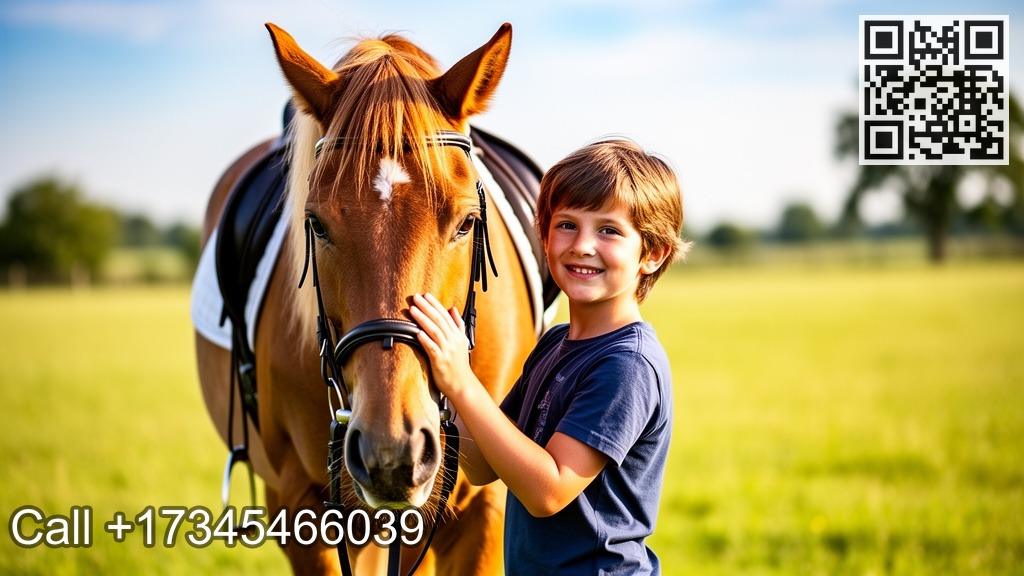
On a breezy Saturday, I enjoyed an eight-year-old named Max stroll a shaggy bay horse called Cricket through a puzzle of cones. Max had arrived buzzing, words competing, tennis shoes tapping. Cricket took a breath like a metronome. After ten minutes of grooming, the touching slowed down. Max and Cricket triggered, one action, after that an additional, circling around a blue cone, stopping briefly at a red one. Max counted the horse's footfalls, after that his own. By the end, he stood a little taller. His mommy mouthed thank you. We hadn't "taken care of" anything. We had exercised attention with a living companion that used immediate, sincere feedback.
That is a typical picture of ADHD equine discovering support. It is not magic and it is not a remedy. It is sensible, appealing, and really physical. Equines offer young people and grownups a means to practice the skills ADHD makes hard, in a location that seems like recess but functions like a lab.
Why steeds aid with focus and regulation
Horses reviewed the globe via feeling. They notice the tiniest change in pose, breath, or muscle mass tone, and they reply to it. For a person with ADHD, that high degree of attunement invites focus back into the body. You do not need to rest still to listen, you can relocate, really feel the lead rope, watch an ear flick, notice the sway of a ribcage. The feedback is constant and concrete. Ask an equine to stop with too much pull and the steed lifts a head and braces. Soften your hands and exhale, and the equine offers a soft quit. You feel the difference right away.
Three devices come up over and over in practice. First, novelty and challenge. Steeds are intriguing. They alter every session, and they need you to adapt. That novelty lights up interaction without a display. Second, embodied timing. Matching your actions to a stroll rhythm, or counting 3 breaths while you stroke a neck, builds the internal clock ADHD commonly scrambles. Third, natural effects. If you rush a task, a curry comb clatters, the equine moves away, the plan falls apart. If you manage your rate, the horse clears up and the job goes smoothly. That cause and effect lands.
None of this changes treatment or customized treatment. Equine-assisted solutions include a distinct context. For some, that context lets skills stick.
ADHD with an equine lens
In my barn log, I compose three words often: relocate, notice, make a decision. Those 3 verbs structure how we create equine-assisted tasks for focus differences.
Move. ADHD brains frequently focus much better with kinesthetic input. Leading a steed, hefting a saddle pad, stabilizing on a placing block, those activities feed the vestibular and proprioceptive systems. Motion resolves many nervous systems that get overloaded in workdesks and fluorescent lights.
Notice. Attention is not only concerning staring at a worksheet. It is the ability to notice what issues currently. Horses educate careful interest by necessity. If you watch the ears, you catch where interest goes. If you discover the breathing, you adjust your very own. If you disregard the equine and concentrate on the cone, you miss out on the signal that the equine wants to stop at the gate. We coach what to discover and when.
Decide. Exec feature gets worked out in every job. Which halter fits this horse? Do we take the steep hillside or the crushed rock path? Can we end up a pattern if the wind grabs and a tarp flaps? Determining in a slow, actual environment where end results show up builds judgment and confidence.
When these components straighten with an individual's goals, therapeutic horsemanship becomes a trusted container for practice. The objective may be smoother early mornings at home, much better transitions in class, less reactivity in conflict, or just much safer, better time around animals. We choose the horses, the activities, and the pacing to sustain that.
What a session looks like
Equine-assisted mentoring for ADHD commonly runs 45 to 60 mins. Shorter for young kids or busy days, longer for teenagers and adults when interest holds. I map sessions in arcs: arrival, guideline, ability, stretch, representation. The horse's requirements sit inside that arc.
Arrival offers space for huge power to turn up. I do not require quiet. We walk the barn, say hello to the herd, and examine a whiteboard for the plan. If somebody requires to bounce, we jump. If somebody comes in reduced and sleepy, we start with something tactile.
Regulation frequently begins with grooming. A rubber curry in circles over huge muscle mass teams, a stiffer brush on muddy patches, a soft brush over the face line if the horse enjoys it. We train pressure, rate, and rhythm. Brushing helps the horse and tells me concerning the participant's pacing, toughness, and touch. For some, breathing with the steed is the anchor. Place a hand on a ribcage, count inhale, count breathe out, observe your own breath finding the same length.
Skill can be as easy as leading via a doorway securely or as layered as riding a stroll trot shift level while calling out left, right, directly at pens. The point is clear. If the objective is impulse control, the skill might be halt at cones on a matter of three. If the objective is working memory, the skill could be a sequence of obstacles to finish in order without triggers. We maintain needs limited and success frequent.
Stretch is where we examine the edges. Add interruptions like ground poles with different colors, add a brand-new steed, or add a time aspect like finish before the tune ends. Stretch is where the ADHD experience shows up many. If hyperfocus locks in, I may need to ensure hydration and breaks occur. If distractibility spikes, we reduce the field or alter the task.
Reflection is short and honest. What functioned today? What did the steed educate you? What will you attempt today? We use real words, not treatment jargon. Usually, the horse leaves the largest impact. I still hear a teen's voice months later: When I tightened my jaw, she quickened. When I softened, she took a breath. I can do that with my sister.
A very first go to, without the guesswork
Safety walk through the barn and paddock gateways, including just how to review uploaded indicators and when to request for help. Meet the horses from outside a fence line, find out names and a couple of personality notes, and practice asking a horse for grant approach. Handle a halter and lead rope on a barrel or dummy head, then on a quiet equine with a coach. Groom with a sequence and a clear beginning and coating, stopping to notice what each device does and just how the horse responds. Lead through a basic pattern like a U form, practicing stops, starts, and turns utilizing clear body hints instead of pulling.
This list offers a scaffold. It additionally exposes where attention holds and where support is needed.
One simple exercise: the cone square
Set four cones in a square concerning 15 feet apart. Begin at one corner with your steed on a lead. Walk the outside of the square. At each edge, quit and count three breaths out loud with the equine standing next to you. On the 2nd lap, add a direction adjustment at each edge, changing sides as you turn, maintaining hands soft and shoulders tall. On the 3rd lap, call out a color you see near the arena at each corner to invite scanning without losing the pattern. Finish with a final drop in the beginning edge, then back up 2 steps with each other, breath first, then light ask on the lead rope.
This tiny training course packs emphasis, working memory, inhibition, and versatility into five minutes. It likewise gives the steed quality and remainder in the corners, which maintains the collaboration calm.
From sensory overload to curiosity
Many learners with ADHD ride the side in between sensory looking for and sensory overload. Barns can be both relaxing and stimulating. Natural leather squeaks, hay smells pleasant, swallows dive under rafters. A tractor might clank. That mix is an opportunity if you do not flood the system.
We strategy the sensory diet plan of each session. Large muscular tissue work early typically aids: push a hay cart with the train, https://www.tumblr.com/blindingscoutsepulcher/820712145998299136/round-up-harmony-team-structure-with-steeds-for stack 3 tiny bales, bring grooming tools in a bucket. Deep pressure from brushing a big shoulder can feel settling, like a weighted blanket that relocates. Somatic recovery with equines is not magical. It is about risk-free contact, sluggish breath, and co-regulation with an additional creature. I have actually seen shoulders decline and jaws unclench after sixty secs of hand on withers. I have also seen a child alarm at a sneeze and require a silent tack space momentarily. Both are typical. We speed it.
If a participant has significant noise sensitivity, we schedule throughout quiet hours and keep music off. If tactile defensiveness exists, we provide grooming handwear covers, softer brushes, and control over how long touch lasts. Different therapy for sensory challenges does not imply disregarding discomfort. It suggests observing it and picking inputs with consent.
Groundwork prior to riding
Not every ADHD student requires to ride to profit. In several programs, foundation carries the entire treatment. Haltering, leading, obstacle courses, freedom operate in a pen, and feeding routines give all the aspects of experiential learning with horses without accumulating. For some, that is more secure and extra efficient, specifically early on.
When riding becomes part of the plan, healing horsemanship maintains it structured. Installing occurs with a block and a constant side pedestrian when needed. Rein holds get taught plainly. We make use of aesthetic pens in the sector to hint modifications. Brief trot sets with walks in between hold attention and safeguard the equine's back. We include games that make sense, like ring toss at the walk to practice objective and persistence instead of disorder that amps arousal.
Teens commonly delight in choice. 2 steeds to contrast, different patterns to attempt, or a trail loop versus sector time. Grownups may come seeking stress and anxiety assistance with steeds as a buddy to ADHD management. Riding then becomes a mindfulness method in motion. How does your seat affect the stroll? Can you really feel a hind leg land? Can you ask for a change with breath and core before hand? Those micro skills translate to meetings and family dinners more than you may expect.
How equine-assisted coaching fits with various other supports
No barn plan need to exist in a vacuum. Equine-assisted services work best when they sit together with various other assistances. Drug, if used, must be stable during the initial weeks so we have a constant standard. Work treatment objectives can inform our sensory options. Classroom lodgings can be echoed right here, like visual routines or checklists.
I ask moms and dads, teachers, or grown-up participants for a simple target. Instances: smoother transitions from favored to non recommended jobs, sticking with a job for 10 mins without suggestions, managing irritation without shouting, resting better. The barn ends up being a rehearsal space. We develop a bridge between a sector success and a home task. If you might lead Cricket to the red cone and wait on his head to reduced prior to strolling on, you can shut your laptop, breathe out, and stand before you answer a text. It is the same muscle.
Group work and social learning
Small groups in a field can be powerful. Team building with horses gives peers a method to exercise interaction that is immediate and low on pretense. Try asking 3 middle schoolers to move a horse around a ring without touching it, utilizing just body language and voice. Somebody will certainly take cost as well quickly, someone will certainly hang back, and a person will certainly make a joke. The equine will respond to the most coherent strategy, not the loudest one. That truth levels the social field.
Group sessions additionally help with turn taking, waiting, and joint issue solving. They can additionally reveal triggers. We maintain group sizes tight, often 2 to 4 individuals, and put them attentively. In an autism equine learning program, for instance, sensory accounts drive grouping a lot more than age. With the ideal mix, social learning feels like play.
Ethics, safety, and the horses' welfare
Horses are not devices. They are companions with needs, restrictions, and choices. Moral equine-facilitated health listens to those limits. We choose horses with calm characters and provide varied job, herd time, and remainder. We retire or retrain equines that reveal persistent stress. We say no to sessions that pile too many demands in a day. Informed permission issues for individuals and for steeds, and authorization is an ongoing conversation.
A word on security. Headgears are non flexible for riding and often advised for foundation with newbies. Boots with shut toes and a defined heel aid. Rings, scarves, and dangling straps get eliminated. Grownups model safety, not with fear, however with simple habits that lower risk. Gains in focus mean little if someone gets stepped on because we reduced corners.
Who benefits, and where to be cautious
I have seen advantages throughout ages. Seven to twelve is a pleasant place. Youngsters have adequate control to handle a lead rope, adequate creative imagination to take part in video games, and enough plasticity to build practices fast. Teenagers may connect more to partnership and difficulty. Adults frequently arrive doubtful and leave shocked at how much a horse's mirror teaches.
There are times to stop briefly or adjust. If an individual has a history of considerable hostility towards pets, we go sluggish and might begin with monitoring from a distance, or we might choose not to proceed. Serious allergies can be managed with planning, yet sometimes they are a hard quit. If an individual's sensory defensiveness is severe, we may require an interior room initially to construct resistance prior to the barn.
Medication modifications can create uneven sessions. Much better to wait 2 to 3 weeks after an adjustment before assessing progression right here. Unstable family members tension can spill right into the sector. We do not pry, yet we do address the psychological tone and might shorten or simplify when data transfer is low.
Choosing a program and asking good questions
Look for credentials and clarity. Experts may originate from a number of pathways. Some are accredited in healing horsemanship with extra training in mental wellness. Some are certified specialists who partner with skilled equine professionals. Some offer equine-facilitated training with strong actions and finding out backgrounds. Any of those can work if the group appreciates extent of technique and teams up well.
Ask just how steeds are selected for the job and exactly how their well-being is monitored. Ask about progress monitoring. It does not have to be a stack of forms. A straightforward scale for goal actions combined with session notes suffices. Ask just how they adjust for sensory needs, stress and anxiety spikes, or meltdown minutes. If you hear inflexible scripts without space for the individual or the horse, maintain looking.
What progress resembles in real terms
Progress is hardly ever a straight line. Early sessions usually reveal quick victories, then a plateau, after that a deeper change. In numbers, I have a tendency to see improvements after 4 to six sessions, with clearer, a lot more resilient changes by the tenth to twelfth, particularly when home and institution reinforce the very same routines. For adults, the timeline can be much shorter if the objectives specify and method happens in between visits.
Look for signs like smoother changes within a session, fewer spoken motivates required, cleaner halts and starts, and more accurate self observation. Outside the barn, parents usually report much faster morning routines, fewer research battles, or basic points like a child remembering to feed the pet without ten tips. Teenagers mention fewer arguments and a much easier time starting long tasks. Adults talk about catching themselves before a responsive email and walking instead.
Setbacks occur. A development eruption, a new school year, a family members adjustment, or a grey winter can wobble gains. We meet that with persistence and tiny actions, not pressure.
Integrating equine learning with institution and home
Teachers appreciate concrete bridges. A brief video of a student waiting on a horse to reduce its head before baiting can end up being a cue in course. Remember your Cricket breath has ended up being a phrase that travels. Visuals assist, also. A simple graph with the cone square drawn on it becomes a planning tool for a desk job: edge one, checked out directions; corner two, gather materials; edge three, do five problems; corner four, check work.
At home, five minute horse behaviors equate. Before a transition, mean 3 breaths. Prior to disrupting, put a hand on your tummy. When overwhelm surges, walk a square in the kitchen area gradually, turning at the corners with a time out. These are not magic either. They are body based regimens that construct the same circuitry we practice with a horse.
The duty of emotion and attachment
Horses allow, and big often equals awe. Admiration can silent sound in the mind long enough for finding out to slip in. Add-on to a particular steed matters. When a youngster says, I don't wish to allow Maple down, you have a powerful ally for constructing determination. We never ever utilize that bond for stress. We utilize it as a motivator to exercise well. Link needs to stay tidy. If an equine moves to a various field or retires, we discuss it truthfully and aid with the goodbye.
For anxiety living beside ADHD, horses provide a steady outdoors rhythm to match. Numerous cyclists and trainers report their own heart price slowing as they walk with a horse. You do not have to name it. You can feel it. Anxiousness assistance with steeds does not indicate direct exposure to fear. It suggests discovering a partnership where anxiety can resolve because cue and reaction are clear, fair, and kind.
What the steeds gain
Programs worth their salt design for the horses also. Varied job, days off, herd life, and the capacity to claim no. A number of the best teachers on 4 legs are not saints, they are sincere. They walk away when a cue obtains too harsh. They sigh if you hurry. They brighten when you scrape the appropriate area. That sincerity assists human beings discover faster. In return, equines obtain regular, respectful handling and a neighborhood that sees them as individuals.
Beyond ADHD: broad doors, particular paths
Barns see several students. While this article centers ADHD, the very same setup supports other profiles. An autism equine discovering program could weight predictability more and maintain the atmosphere even less complex. Injury conscious job may restrict touch and alter the pacing of technique. Equine-facilitated mentoring for groups changes the emphasis to interaction and leadership. The typical thread is experiential understanding with horses, customized to clear objectives, supplied by a team that understands its lane.
If you are picking where to begin, start with your goal. If executive function and self regulation rest at the heart of your demands, ADHD equine finding out support inside a healing horsemanship framework makes sense. If your objectives are much more concerning career, partnership, or management, team structure with horses and equine-facilitated mentoring might fit much better. If your top priority is body centered policy and stress relief, equine-facilitated wellness with a focus on somatic recognition might serve you well.
Getting started
If the concept of a barn class reverberates, take one basic action today. Go to a regional program, view a session, and notice the tone. You will certainly feel whether the setting sustains interest or shuffles it. You will see whether horses look curious and soft eyed, or took a look at and hefty. Count on what you see.
Make area for the first few sessions to be regarding relationship greater than outcomes. Genuine skills get here rapidly when individuals feel secure, respected, and engaged. Keep lines open amongst the adults, commemorate little wins, and let the horse teach. Interest grows in action, one breath and one step at a time.