From Drawing to Monitor: The Craft of Cartoon Style Three-Dimensional Sculpting
In the world of virtual art, the appeal of cartoon style 3D characters holds the interest of both designers and spectators equally. Such vibrant, exaggerated characters offer a unique aesthetic that connects the chasm between cartoons and engaging experiences. With their whimsical proportions and creative designs, cartoon style 3D figures not only entertain but also evoke nostalgia, taking viewers back to their cherished animated memories.
Creating these engaging characters entails a meticulous procedure that begins with a simple sketch. Artists must convert their 2D ideas into a three-dimensional space, breathing life into their visions while maintaining the exaggerated characteristics that define the cartoon genre. This journey from concept to realization displays the artistic skill and technical expertise required to produce compelling 3D models that resonate with audiences, making them a cornerstone in video games, films, and digital art.
Grasping Cartoon Aesthetics
Cartoon aesthetics are defined by their lighthearted and amplified design, which works to convey feelings and character in a way that connects with audiences of all ages. Unlike true-to-life illustrations, comic figures often display simplified shapes, bold colors, and enhanced proportions to underscore key traits. This approach allows illustrators to create characters that are immediately captivating and communicative, holding the spectator's focus and pulling them into the narrative being told.
One of the essential elements of comic aesthetics is the application of stylization. This includes modifying physical attributes and characteristics to enhance expressiveness; for case, oversized eyes may indicate naivety or inquisitiveness, while a huge head can denote smartness or humor. The design choices made in cartoon style 3D characters contribute significantly to shaping each character's individual personality. Creators utilize these amplified traits to vividly portray feelings and responses, resulting in a more lively interaction with the audience.
Shade plays a key role in setting the tone and tone within animated 3D design. 3D Fridge Magnets , intense colors are frequently employed to evoke feelings of delight, energy, or whimsy, while subdued tones might suggest a more somber atmosphere. In furthermore to hue, the choice of texture and surface can additionally enhance the overall aesthetic. By carefully picking and combining these aspects, creators can develop unforgettable characters that not only look attractive but also resonate deeply with viewers through their recognizable animated traits.
Techniques for 3D Modeling
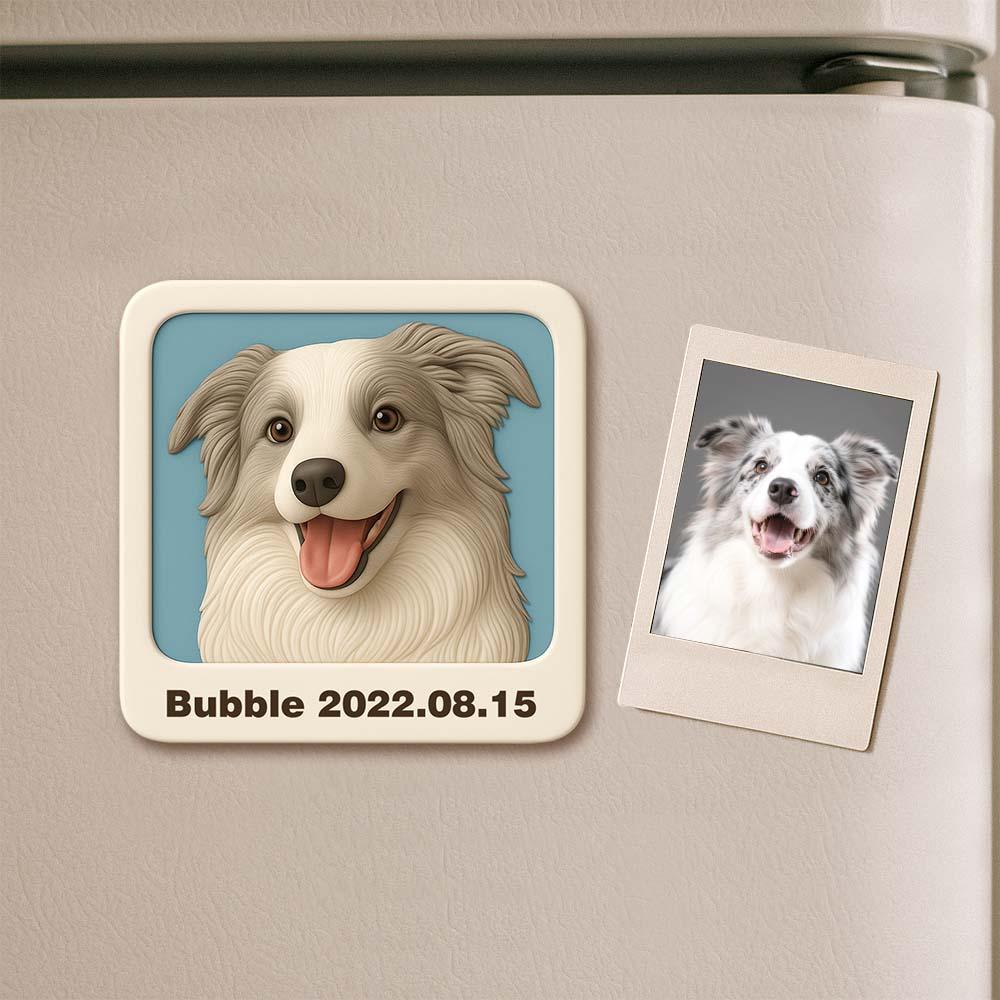
As designing playful style 3D figures, several techniques can be employed to guarantee the final product captures the lighthearted and amplified characteristics inherent in this art style. One common approach is the use of box modeling, in which basic geometric shapes are modified and refined to build the figure. This method enables artists to begin with elementary forms, gradually increasing details and molding the model to obtain the distinct, rounded features typical of cartoon characters. By focusing on proportion and silhouette early in the process, artists can sustain the whimsical nature of their designs.
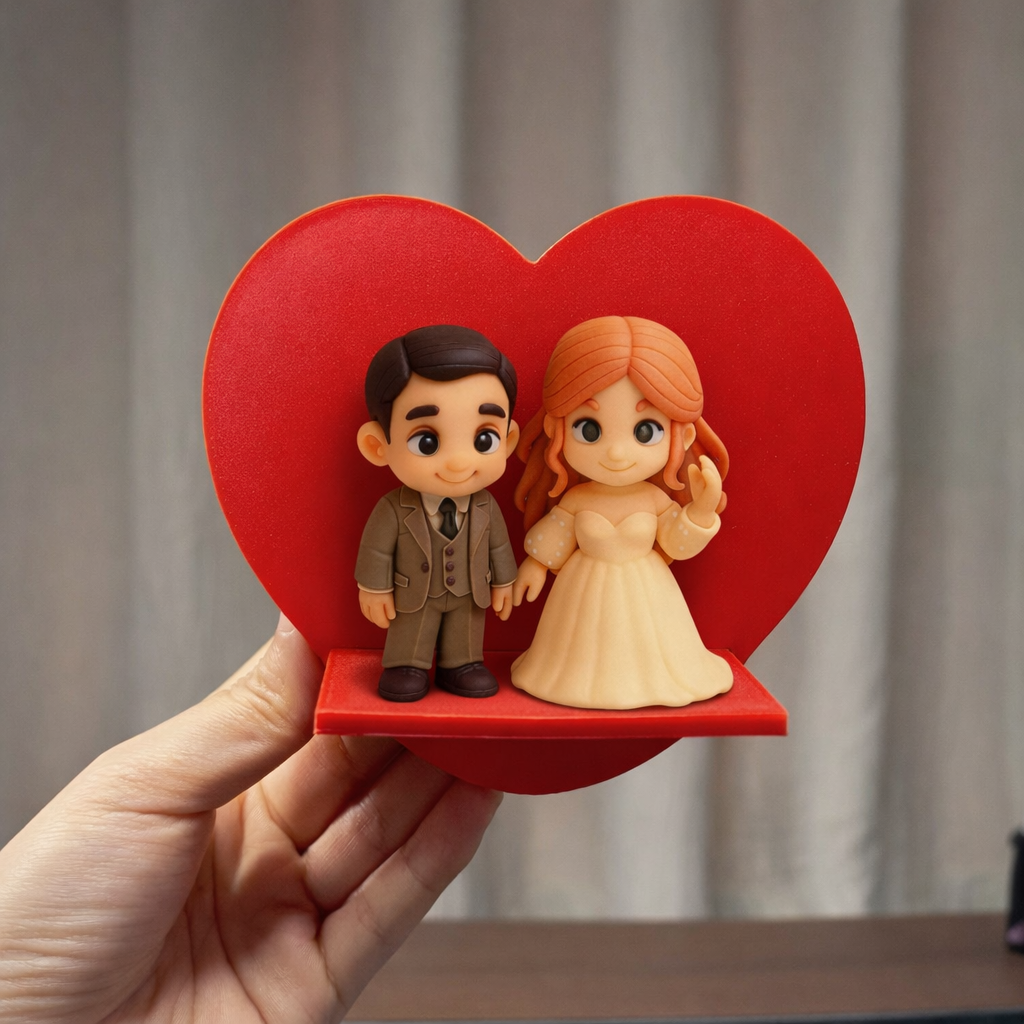
Another effective technique is polygon modeling, which gives artists more control over the mesh and facilitates intricate detailing. This method requires manipulating individual polygons to create defined features like large eyes, exaggerated expressions, and playful proportions. Using 3D Display Ornament for sculpting can also enhance this process, enabling artists to add texture and create more dynamic shapes that move beyond traditional realistic modeling. By utilizing both polygon modeling and sculpting, creators can ensure their characters feel alive and captivate the audience with their unique charm.
In conclusion, retopology plays a crucial role in preparing cartoon style figures for animation. After the initial model is sculpted, the topology may be dense and not suitable for animation. Retopology allows artists to create a cleaner mesh with a more efficient polygon count, which ensures smoother movements and deformations during animation. This step is essential for upholding the visual appeal of cartoon characters, as they often require exaggerated movements and expressions that need a well-structured underlying mesh to support their lively designs.
Bringing Figures to Existence
Developing animated 3D figures involves a unique blend of imagination and craftsmanship. It begins with a deep understanding of the character's personality and story. Cartoon Style 3D Figures start by sketching sketches that capture the spirit of the character, focusing on enhanced features and emotions that resonate with viewers. These preliminary sketches serve as the template for the modeling process, guiding artists in converting two-dimensional sketches into dynamic three-dimensional forms.
Once the primary model is constructed, the next stage is to imbue movement into the figure through textures and hues. Cartoon style often requires bold, luminous hues and fantastic patterns that enhance the figure's appeal. This artistic choice not only creates the character visually attractive but also contributes in narration, emphasizing traits such as friendliness or playfulness. Attention to nuance in texturing can highlight the figure's personality, whether it's the glossy sheen of a mechanical being or the soft fuzz of an adorable creature.
Finally, action imbues life into the figure, allowing it to convey feelings and engage with its environment. Rigging and skinning are crucial processes that enable fluid movement, ensuring that each gesture and emotion feels natural. With skillful animation, animated 3D figures leap off the display, captivating audiences and pulling them into the figure's realm. The fusion of intentional design, vibrant artistry, and smooth movement makes animated characters not just objects, but memorable personalities that resonate with viewers.