Orem AC Duct Repair and Sealing: Why Utah State Energy Code Duct Leakage Testing Matters
Orem AC Duct Repair and Sealing: Why Utah State Energy Code Duct Leakage Testing Matters
Air conditioning performance in Orem depends on more than a healthy condenser and a clean filter. The duct system does as much work as the equipment, and it lives in attics, crawlspaces, garages, and furred-down chases that leak air and waste energy if they were never sealed correctly. Duct leakage feels minor in spring. In July, with the Orem valley floor pushing the mid 90s, it becomes the difference between a home that holds 75 degrees and one that slips into the 80s by late afternoon. Utah State Energy Code duct leakage testing puts numbers to that hidden loss and holds new and replacement duct systems to a measurable standard. In Utah County housing stock, that test is the single most reliable indicator that an AC system will deliver its nameplate performance after installation or repair.
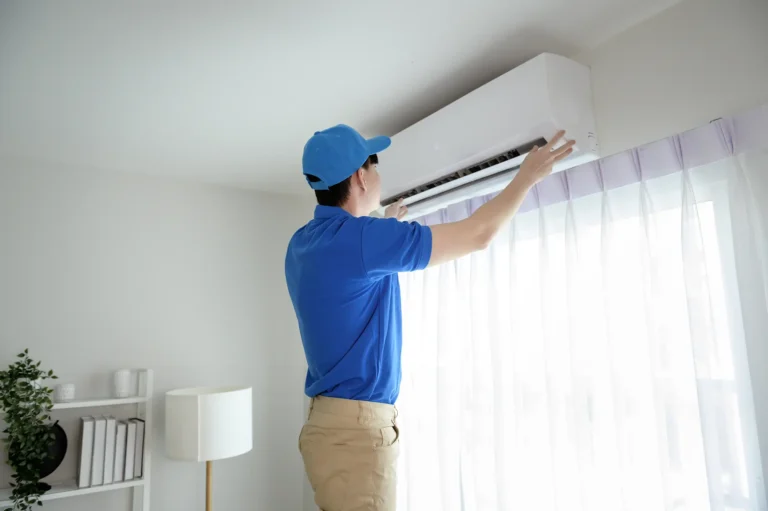
This article looks at AC duct repair and sealing in Orem through a contractor’s lens. It explains why code-mandated duct leakage testing matters, how altitude and Wasatch Front climate change the targets, and what repairs move the needle on comfort and energy bills. It also clarifies where testing applies, how the numbers are read on a duct blaster, and how Western Heating, Air and Plumbing approaches duct sealing so an air conditioner does not fight the ductwork for the next decade. If a homeowner is searching for AC repair in Orem UT because a system is running long and still under-delivering, the odds are high that duct leakage is part of the story, not just the outdoor unit.
Why Orem Homes See Bigger Payoffs From Duct Sealing
Orem sits near 4,775 feet elevation across most of the city, with the east bench reaching 5,100 to 5,400 feet in Cascade, Suncrest, and upper Sharon. At these elevations, air conditioners lose cooling capacity compared to sea level. A good rule of thumb is 2 to 3 percent capacity loss per 1,000 feet. That places Orem’s real-world AC output about 10 to 15 percent under the nameplate rating at design conditions. On the valley floor, a 4-ton system cools more like 3.4 to 3.6 tons on the hottest afternoons. On the upper bench, that derating can be slightly higher. When a system starts behind the curve, duct leakage becomes more painful because every CFM that escapes to the attic is capacity a homeowner paid for but does not feel at the supply registers.
Leakage steals cooling two ways. First, supply leaks dump conditioned air into unconditioned spaces like attics and garages. Second, return leaks suck hot, dusty air into the system and dilute the cooling delivered to rooms. Return leaks in an attic can drive coil temperatures up, push the evaporator toward a freeze, and foul the coil with dust from Utah’s dry climate. In Orem’s older ranch homes in central zip code 84057 and along the University Parkway corridor in 84058, the original return drops are often undersized and poorly sealed, which creates both pressure imbalance and infiltration. In split-level homes across Windsor and Westmore, flex duct splices and boot-to-drywall connections are common leak points. On the east bench in Cascade and Canyon View, multi-level runs and bonus-room chases add long flex lines and elbows that need careful sealing and support.
What Utah State Energy Code Actually Requires on Duct Leakage
Utah’s residential energy code references the International Energy Conservation Code with Utah amendments. For permits issued under recent code cycles, new or replaced duct systems typically must pass a post-construction or rough-in duct leakage test performed at 25 Pascals of pressure with a calibrated fan, commonly called a duct blaster. On most single-family homes, the benchmark used by code officials and HERS raters is a total duct leakage limit of about 4 CFM25 per 100 square feet of conditioned floor area when ducts are outside conditioned space. Some projects permitted under older cycles or with different testing protocols may reference a leakage-to-outdoors limit or a different numeric cap. The enforcement target can vary by permit date, whether the air handler is installed at rough-in, and the scope of work. The City of Orem building department or the project’s HERS rater sets the final compliance target by the governing code at the time of permit.
What matters for a homeowner is that Utah State Energy Code makes duct leakage measurable and enforceable on new duct systems and on many significant alterations. A pass is not a rubber stamp. A typical unsealed attic duct system in a 2,400 square foot Orem home can leak 15 to 30 percent of system airflow before repair. That same system, sealed with mastic at all joints and boots, metal-to-metal connections taped with UL 181 foil tape, and lined seams insulated to current practice, often tests below the code cap and closer to 5 to 8 percent leakage. That is a real drop in air loss and a change a homeowner feels.
How a Duct Blaster Test Reads in Plain Terms
The test seals supply and return registers, connects a calibrated fan to a central port, and pressurizes the duct system to 25 Pascals. The fan flow required to hold that pressure equals the duct leakage rate at that pressure. Technicians divide that number by the home’s conditioned floor area to compare against the code metric when applicable. A test that shows 200 CFM at 25 Pascals on a 2,000 square foot home reads as 10 CFM25 per 100 square feet, which fails most modern Utah targets. Bringing that leakage down to 80 CFM25 moves the result to 4 CFM25 per 100 square feet, which is in the current Utah State Energy Code target range when ducts are outside the thermal envelope.
Western Heating, Air and Plumbing works with third-party HERS raters on permitted projects to document the pass and to keep testing aligned with the correct code path. For non-permitted repair work, the same fan testing can verify repair success even when code does not require it. That approach takes the guesswork out of duct sealing. It also gives homeowners a shareable number for a listing packet or an energy audit file, which Utah County real estate agents value in neighborhoods like Northridge and the Orem east bench.
Where Orem Duct Systems Leak and How Repairs Stick
Field experience across Orem zip codes shows repeat leak locations. Supply takeoffs at the plenum shift over time and crack the original duct tape seal. Flex duct inner liners pull off the collars when runs stretch across long attic bays above the University Place and Scera Park corridors. Boot-to-drywall seams shed builder’s tape and leak straight into ceiling cavities. Return drops at the air handler cabinet breathe through unsealed knockouts and gaps around filter racks. Mechanical closets on concrete slabs in 84057 and 84058 pull air from the garage or crawlspace through the return side if the return plenum is not sealed. Each of these defects responds to a different repair method.
Permanent repair relies on mastic and mechanical fastening, not fabric tape. Technicians re-seat flex liners over collars, tighten with draw bands, and wet-seal with water-based duct mastic. They add screws to round collars where the takeoff meets the trunk and then mastic the joint. They reset boot connections, add sheet metal panning where needed, and seal the boot-to-drywall gap with a UL 181-rated foil tape or a mastic-plus-fabric bridge before the grille goes back on. They seal filter rack gaps and cabinet penetrations with foil tape or rated gaskets so return air cannot bypass the filter. They insulate exposed metal runs with code-appropriate duct wrap after sealing so the seal does not get disturbed by later work.
Inolder central Orem ranch homes, sections of trunk duct are often too corroded or collapsed to seal well. In those cases, replacement of the bad trunk with new sheet metal built to Manual D sizing yields better results than chasing leaks forever. On some builds from the 1990s and early 2000s in Cascade and Canyon View, the initial duct design undersized the return. Sealing helps, but static pressure stays high and the blower works too hard. The answer is a return upgrade with a larger drop and a bigger filter rack so the system breathes at the pressure that the ECM variable speed blower prefers. That change often quiets the system and drops energy use even before the next summer starts.
Altitude, Heat, and Inversion Season: The Orem Factors That Magnify Duct Loss
Three local conditions amplify the importance of a tight duct system in Orem. First, altitude derating cuts into AC output, so a leaky duct carries a bigger penalty here than at lower elevations. Second, the Wasatch Front’s dry climate loads outdoor condensers with dust. That dust also enters return leaks in attics and garages and works its way into evaporator fins. A dirty coil pairs with duct leakage to starve the supply side and send head pressure up. Third, winter inversion season exposes return leaks to poor-quality attic and garage air. That air is hotter in summer and dirtier in winter, which drives both discomfort and maintenance calls.
On a 2,400 square foot split-level off 800 East in zip code 84097, Western’s technicians measured 240 CFM25 before repair, with the worst leaks at boot seams and flex takeoffs. After mastic and mechanical fastening, leakage dropped to 90 CFM25. That single change let a 3.5-ton system hold 74 degrees during last July’s heat wave without running flat out from lunch to sunset. The homeowner had previously called for AC repair in Orem UT three summers in a row. The outdoor unit was not the main problem. The ducts were.
Testing Scope and Where Code Draws the Line in Orem
Many homeowners ask whether code-driven leakage testing applies during simple repair visits. Utah’s energy code triggers are tied to new construction, additions, and significant alterations that include new duct systems or substantial replacements. Replacing a few flex runs or sealing the existing system after a failed test is typically part of a permitted scope, and a retest documents the pass. For non-permitted service work, the same test can still be performed for verification and comfort planning even when not required. Orem City inspectors and Utah County code officials review projects by permit and scope, so a contractor’s first step is to confirm whether a new duct system, a partial replacement, or a like-for-like repair falls under a specific test requirement.
Commercial tenant improvements around the Riverwoods Corporate Center follow the commercial code path, which uses different testing and balancing standards. Residential and light commercial duct sealing goals are similar in principle, but the numbers and inspection processes differ. Western coordinates test plans with HERS raters and inspectors on residential work so the final handoff is clean.
How Sealing Interacts With Load Calculations and Equipment Selection
Duct sealing does not live in a vacuum. A good design pairs Manual J load calculations with Manual D duct design and Manual S equipment selection. In Orem, Manual J inputs adjust for elevation and local design temperatures. The east bench runs cooler on summer afternoons but colder overnight in winter, which shifts sensible heat ratios and can change required cfm-per-ton. A sealed duct system lets the contractor trust those calculations because leakage is not erasing airflow on the way to supply registers. For example, a 4-ton variable capacity inverter system paired with a tight duct design around 350 to 400 CFM per ton delivers better comfort and humidity control than an oversized single-stage unit trying to bulldoze a leaky duct network. Sealing makes modulation work. It also reduces static pressure, which matters on ECM variable speed blowers sensitive to high external static.
Western’s technicians measure total external static pressure before and after sealing work. A drop from 0.9 inches of water column to 0.6 inches on a typical central air handler tells the story. The blower no longer lives at its upper limit. Noise drops. Coil temperature stabilizes. On older 80 percent furnaces that share the airflow path, the improvement shows up in winter as well.
Materials, Methods, and Verification That Hold Up in Utah County
Not all sealing products are equal. Fabric duct tape has no place on supply or return seams. Heat, dust, and time peel it back. Water-based duct mastic bridges gaps, adheres to galvanized metal, and stays flexible in attic heat. UL 181-listed foil tapes have the adhesive stability needed for metal-to-metal sealing and for boot edges. Sealing rings with draw bands provide the mechanical lock a flex duct needs to stay seated on a collar during attic temperature swings. Insulation with rigid foam or rated duct wrap over sealed metal keeps condensation off and prevents temperature loss on long runs. For buried ducts under attic insulation, the seal must come first and must be robust. Western crews document before-and-after photos at key joints so homeowners in neighborhoods like Scera Park and Aspen can see what was done without climbing into an attic.
On complex systems or on homes with limited attic access, aerosolized duct sealing can tighten sections that manual sealing cannot reach. That method pushes a fog of adhesive particles through the duct system under pressure and deposits sealant at leak points. Western uses this method selectively, often on 1990s builds in the Orem east bench where long runs feed dormers or upper-level flex trunks that are boxed in. A follow-up duct blaster test quantifies the gains.
Common AC Symptoms in Orem That Trace Back to Duct Leakage
Homeowners usually call for AC repair in Orem UT because the home will not cool, airflow feels weak, or utility bills jumped. Many of those calls end with a duct diagnosis. Uneven cooling across upstairs bedrooms in Northridge often comes from leaking boot connections and undersized branch runs, not a failing compressor. A musty odor with the AC running points to return leaks pulling attic or crawlspace air. Short cycling can be a thermostat location issue, but it can also follow from low airflow, a freezing evaporator coil, or a badly leaking supply system that forces quick temperature swings at the t-stat even as rooms never stabilize. A dirty evaporator coil in a home near Utah Valley University often reflects years of return leakage from a garage return plenum drawing unfiltered air. Sealing the return and replacing the filter rack prevents a repeat after the coil is cleaned.
Why the Shareable Fact About Orem’s Altitude Belongs in a Duct Conversation
At Orem’s average elevation, most central AC units deliver roughly 14 to 15 percent less cooling capacity than the same model measured at sea level on a lab bench. That gap is not abstract. It is why tight ducts pay back here faster than in lower elevation markets. Local publications and neighborhood newsletters around Orem have picked up this figure when covering home performance. The number is simple and concrete enough to carry the point: a leaky duct gives away the capacity an Orem homeowner already paid for and cannot afford to lose at altitude.
Testing Day Logistics in Orem Neighborhoods
Most duct leakage tests and sealing projects do not require the homeowner to leave the house. On the valley floor in 84058 near I-15, parking access and safe attic entry points matter more than noise. On the east bench in Cascade and Suncrest, ladder placement and roofline access sometimes dictate whether manual sealing is practical versus aerosolized sealing. Western’s dispatch from 235 S Mountain Lands Dr in 84058 lets crews reach University Parkway, Scera Park, and the Orem east bench quickly. Crews protect finished spaces, cover registers, and coordinate with the homeowner to power the air handler on and off during pre- and post-sealing airflow checks. Most single-system homes test and seal the same day unless trunk replacement or return resizing is needed.
Code, Standards, and Permitting Touchpoints That Affect Duct Work
Three code and standard frameworks guide Western’s duct repair and sealing: the Utah State Energy Code for leakage testing and envelope interaction, the International Mechanical Code for duct construction and installation practice, and ACCA manuals for load, equipment selection, and duct design. When a project requires a permit, Western coordinates with the City of Orem for mechanical permit issuance and schedules any required inspections. HERS duct leakage testing and documentation go into the permit file when code requires it.
When duct sealing is paired with equipment replacement, SEER2 rating and refrigerant transitions come into play. As manufacturers roll to lower-GWP refrigerants like R-454B, correct charge and airflow will matter even more for warranty and performance. Airflow data measured after duct sealing supports those commissioning steps. For homeowners exploring electrification or heat pump upgrades, Rocky Mountain Power’s Wattsmart program has historically offered incentives for duct sealing and weatherization in certain conditions and incentives for high-efficiency heat pumps. Program details and amounts change by year. Western’s office checks current eligibility and helps complete required forms. Federal 25C tax credits can also reduce the cost of qualifying HVAC replacements that pair well with a sealed duct system. The savings stack when the scope is planned together.
Energy and Comfort Payback in Orem Numbers
Energy modeling across Utah County shows that reducing duct leakage from 20 percent to below 8 percent on a typical Orem 2,000 to 2,400 square foot home can trim summer cooling energy by 10 to 20 percent, depending on run location, insulation level, and occupancy. Comfort gains usually show up as even room temperatures and quiet operation, not just lower bills. Western sees repeat patterns: a split-level near the Provo border with bedrooms that run 4 to 6 degrees warmer than the main level cools within 1 to 2 degrees of the thermostat setpoint after sealing. A valley-floor home west of State Street that could not push cool air to a back addition finds the supply branch actually moves its design CFM once boots and takeoffs stop leaking into the ceiling cavity.
Costs, Scopes, and Timelines for Duct Repair and Sealing in Orem
Duct sealing costs scale with access and scope. A straightforward manual sealing on a single-system attic network typically completes in one day. More complex homes with multiple systems, inaccessible chases, or deteriorated trunks require more time. While exact pricing requires an on-site evaluation, ranges help homeowners plan. Manual sealing of accessible attic ducts with mastic, UL 181 foil tape, and minor flex repairs often lands in the lower thousands for a full-system scope. Aerosolized sealing as a standalone or in combination can add cost but solves reach issues. Trunk replacement and return resizing are larger line items that Western prices after measuring existing static pressure, duct dimensions, and room-by-room airflow needs. Every quoted scope concludes with either a duct blaster pass when code requires it or a post-repair verification test when the project is unpermitted but performance-driven.
How Duct Sealing Interacts With AC Repair Work Orders
Homeowners often call for a traditional AC repair visit when the symptom feels equipment-related. Western’s diagnostic path covers refrigerant pressures, superheat and subcool, capacitor health, contactor condition, blower amp draw, condenser coil cleanliness, and control board operation. In Orem, altitude-adjusted pressure charts matter on refrigerant readings. Many borderline charge readings clear up after airflow is restored because a leaking return and a fouled coil were skewing the numbers. On multi-visit patterns where a compressor hard starts repeatedly or a capacitor keeps failing during heat waves, duct leakage and airflow restriction are common root causes. Sealing the system and restoring design airflow reduces electrical stress and stretches component life. The point is not to fold every AC repair into a duct job. It is to recognize when duct leakage creates the conditions that keep breaking equipment and fix the environment, not only the symptom.
Neighborhood Archetypes and Duct Strategies
In 1950s and 1960s post-war ranch homes in Sharon and central Orem, the original sheet metal boots and panned returns respond well to a mastic-first approach, often with targeted trunk replacement. In 1970s and 1980s split-levels across Windsor and Westmore, long flex runs sag and need support, not just sealing, to cut friction and leakage. In 1990s and 2000s contemporary builds in Cascade and Canyon View, zoning and long attic branches call for balancing checks after sealing so upstairs and downstairs flows settle. In 2010s custom homes in Northridge, builders often sealed the main trunks well, but boot-to-drywall gaps still leak around fine finishes. Western matches methods to archetype, which is why results feel consistent across Orem zip codes 84057, 84058, 84059, and 84097 and into adjacent Lindon, Pleasant Grove, and Provo.
Indoor Air Quality, Inversion Season, and Sealed Returns
Utah County’s inversion season from December through February traps PM2.5 in the valley. Return leaks in attics and garages allow that fine particulate into the system upstream of the filter. Sealing the return side first is one of the best indoor air quality actions a homeowner can take short of installing higher-grade filtration. With a sealed return, MERV 13 filtration or a HEPA bypass unit can actually do its job. Without it, the system pulls unfiltered air around the filter and spreads particulates through bedrooms and living spaces. Western pairs duct sealing with filter upgrades when homeowners ask for better winter air, and the difference in dust accumulation on registers in Scera Park and the University Parkway corridor homes is visible within weeks.
Commercial and Light Commercial Duct Repair Across Orem
Office suites near Timpanogos Regional Hospital and the Riverwoods Corporate Center present different duct challenges than single-family homes. Tenants reconfigure walls but keep the same supply registers and expect even comfort. Ceiling plenum leakage, disconnected flex drops above grid tiles, and neglected economizer return paths throw off balance. While the Utah State Energy Code testing path differs in commercial applications, sealing obvious duct faults restores capacity and lowers fan energy. Western’s commercial team documents airflow with anemometer readings at diffusers before and after repair so property managers see the gains, not just hear that “it should be better.” That documentation matters for renewal conversations and utility budgeting.
Why Duct Leakage Numbers Help With Real Estate and Appraisals
Orem buyers and sellers use performance lists to differentiate homes. A documented duct leakage test with a passing number around 4 CFM25 per 100 square feet or a post-repair number below 8 percent total leakage is easy for a buyer to understand. It reads like a tire tread depth check on a used car. Sellers in 84097 and 84058 who plan ahead and tighten duct systems before listing can present utility history and a simple one-page test result that shows measurable efficiency characteristics. Local agents report cleaner inspections and fewer last-minute concessions when performance numbers are part of the packet. Western coordinates third-party testing and photo documentation so files are ready for a buyer’s agent or lender.
What Homeowners Can Expect on Comfort After Sealing
Comfort change is the headline. In summer, rooms reach setpoint sooner and drift less. Air feels stronger at distant registers because it actually is. In homes with hot upstairs bedrooms off 1600 North or near the Orem Mall area, upstairs delta drops from 4 to 6 degrees to within 1 to 2 degrees of the thermostat. Noise falls as blowers stop pushing against high static. In winter, furnace supply air feels less stratified and runs stabilize. Filters stop loading with attic dust every month. For homeowners who like quantifiable outcomes, Western can log system runtime hours before and after sealing using thermostat data. A 10 to 20 percent runtime reduction during similar weather windows is common across Utah County when leakage starts high and ends near current code targets.
Limits and Edge Cases Where Sealing Alone Is Not Enough
Duct sealing is not a cure-all. If the duct design is fundamentally undersized, pressure will stay high even after leaks are closed. If a home uses long, crushed flex runs to feed a distant addition, replacing those runs with properly sized sheet metal may be the only way to move the required CFM. If the attic air temperature regularly exceeds safe limits due to poor ventilation, even tight ducts will conduct heat gains through thin insulation. Western flags these cases during evaluation. The path then becomes a combined plan: sealing plus duct resizing, equipment airflow tuning, or attic insulation and ventilation upgrades. Western prioritizes changes by impact and cost, starting with sealing where it delivers immediate, measurable improvement.
Service Footprint Across Orem and Utah County
Western dispatches across Orem zip codes 84057, 84058, 84059, and 84097 and serves adjacent communities including Provo, Lindon, Pleasant Grove, American Fork, and Lehi. Technicians know the University Parkway corridor congestion and plan testing days to avoid peak traffic when fan and blower cycling could be disruptive. They know attic layouts in central Orem ranch homes, the truss bays common in 1990s east bench builds, and the crawlspace quirks closer to Utah Lake. That lived map of Utah County housing stock keeps repair times predictable and results consistent.
Rebates, Incentives, and How Documentation Gets You Paid
Wattsmart incentives from Rocky Mountain Power have historically offered rebates for duct sealing and weatherization on eligible homes and for high-efficiency heat pumps and controls. Program rules change, and amounts vary by year and by whether the home uses electric or gas heating. Documentation matters. Passing duct leakage reports, pre- and post-test numbers, and photos of sealing work may be required. Western’s office team provides the paperwork, serial numbers, and test reports that programs and tax preparers request. For equipment replacements paired with duct sealing, federal 25C tax credits may apply to qualifying systems, and Dominion Energy’s ThermWise program can offer furnace rebates for high AFUE upgrades on gas heat. The combination of a tighter duct system and incentive-supported equipment upgrades reduces total project cost and cuts monthly bills on day one.
Signs It Is Time To Evaluate Ducts Before the Next Heat Wave
Homeowners who experience any of the following in Orem should schedule a duct assessment before July arrives:
Rooms that stay 3 degrees or more warmer than the thermostat setpoint on hot afternoons Visible gaps around supply registers or returns, or dirt streaks at boot edges Filters that load with gray dust within a month even with regular change-outs AC that runs almost continuously from noon to sunset without reaching setpoint Noticeable attic or garage odor when the system fan is on
Why Duct Leakage Testing Matters For AC Repair Calls
Repair techs face a choice on every hot-day call: treat the equipment symptom or test the system. In Orem, testing the duct system saves repeat trips. A capacitor swap on a system that runs at extreme external static pressure will not hold up on the next hot day. A refrigerant recharge on a system with a filthy coil fed by a leaky return will not stay right. Duct leakage testing is a small addition to an AC repair ductless mini split repair order that tells the truth about the rest of the system. When the result shows high leakage, sealing becomes the next right step. When the result shows tight ducts, attention returns to the condenser, the evaporator, or controls with confidence that airflow is not the ghost in the machine.
Checklist Western Uses Before and After Sealing
Western follows a repeatable process on Orem duct projects so the final result is verifiable and durable:
Measure baseline duct leakage at 25 Pascals with a calibrated fan and record the CFM Document key leak points at boots, takeoffs, returns, and cabinet penetrations with photos Seal with mastic, UL 181 foil tape, draw bands, and gaskets, and support long flex runs Insulate sealed metal runs to current practice and reattach registers with sealed edges Re-test at 25 Pascals, record post-repair CFM, and verify airflow and static pressure at the air handler
Local Case Notes: Orem Bench vs Valley Floor
On the valley floor near the Orem Rec Center, a 2,000 square foot home had 180 CFM25 pre-seal and 70 CFM25 post-seal, dropping leakage by more than half. The AC runtime from 2 p.m. To 8 p.m. Fell by 18 percent on comparable weather days the following week. On the east bench near Canyon View, a larger two-story with a bonus room above the garage could not hold setpoint upstairs. The return was undersized and leaky. Western upsized the return drop, replaced the filter rack with a larger cabinet, sealed the return path, and applied selective aerosolized sealing to reach boxed chases. Leakage fell below current code targets, and upstairs temperature tracked within 1 degree of setpoint under July conditions. Both homes had previously scheduled traditional AC repairs that offered temporary relief. Sealing and right-sizing created lasting change.
Safety, Cleanliness, and Documentation
Sealing work looks messy only in the middle. Western technicians protect finishes, wear shoe covers, and vacuum work areas. Mastic dries within hours and does not off-gas odors into living spaces when used in attic runs. Crews label access panels and leave behind a one-page summary with pre- and post-test results, materials used, and photos of representative joints. That file gives homeowners in University Parkway, Riverwoods, and central Orem a clear record for future contractors, buyers, or energy program claims. It also helps future troubleshooting by establishing a baseline for duct tightness.
How This Ties Back to Equipment Lifespan
Tight ducts lower stress on compressors, capacitors, blowers, and control boards. High static pressure and frequent cycling are silent equipment killers in Orem’s altitude and heat. Western’s repair database shows that systems operating within manufacturer airflow and static pressure guidelines after duct sealing have fewer summer breakdowns and longer intervals between component replacements. Inverters and two-stage compressors especially reward good airflow because they modulate rather than brute-force air through leaks. The long view is simple. Tight ducts help the system survive Orem summers and Wasatch winters without racking up nuisance repairs.
What To Do Next if Comfort Is Slipping
If a homeowner feels the home sliding out of control on hot days or hears the blower straining, the best next step is a duct and airflow evaluation that includes a leakage test. Waiting until July means competing with peak demand across Utah County. Western schedules spring and early summer sealing work so homes in 84057, 84058, 84059, and 84097 are ready when temperatures climb. For homeowners who have already booked AC repair in Orem UT, adding a duct test to the diagnostic visit often reveals whether sealing belongs in the plan or if the equipment alone needs attention.
Why Utah County Property Owners Choose Western for Duct Sealing and AC System Repairs
Western Heating, Air and Plumbing operates from 235 S Mountain Lands Dr, Orem, UT 84058 and dispatches across Orem and Utah County daily. The company is a Utah Licensed HVAC and Plumbing Contractor, bonded and insured, with NATE certified technicians and EPA Section 608 refrigerant certification. Western is BBB Accredited and stands behind permitted duct work with third-party HERS duct leakage testing when code requires it. The team understands Orem housing archetypes from central ranch homes to east bench two-stories, reads altitude-adjusted diagnostics, and delivers sealed, documented duct systems that let air conditioners meet their mark at Orem’s elevation.
Homeowners ready to correct duct leakage or verify system performance can request a duct leakage test and sealing evaluation. Western’s team will measure, document, and complete the repairs, then provide before-and-after test reports a homeowner can keep for records, rebates, or resale. To schedule, call +1-385-526-3384 or visit https://westernheatingair.com/service-area/orem-ut/. Service covers Orem and Utah County, including Provo, Lindon, Pleasant Grove, American Fork, and Lehi. Same-day diagnostics are available when schedule allows. Financing is available for larger scopes. BBB Accredited HVAC and Plumbing Services Across Utah County.
Western Heating, Air & Plumbing
Orem Regional Facility
📍
Physical Location 235 S Mountain Lands Dr,
Orem, UT 84058
📞
Service Hotline