Spray Foam or Blown In Insulation What Works Best in Santa Clarita
attic insulation Santa Clarita
Spray Foam or Blown In Insulation: What Works Best in Santa Clarita | Pure Eco Inc.
Spray Foam or Blown In Insulation: What Works Best in Santa Clarita
Santa Clarita sits at the edge of Los Angeles County’s high desert. Summer highs break 100°F, then nighttime temps drop fast. Winters bring clear, chilly nights. Homes in Valencia, Saugus, Newhall, Canyon Country, Stevenson Ranch, Castaic, and Tesoro Del Valle live through sharp daily swings. The attic becomes the frontline. The choice between spray foam and blown-in insulation shapes comfort, HVAC runtimes, and the monthly bill. This guide draws on real attic retrofits across the 91350, 91351, 91354, 91355, 91380, 91381, 91384, and 91390 zip codes to show what works, where, and why.
The local challenge: heat, sun, and stack effect
Santa Clarita heatwaves hit fast. Roof decks absorb intense solar gain from late morning through late afternoon. Indoor air tries to escape upward through every gap in the ceiling plane. That is the stack effect. In a two-story house in Valencia or Stevenson Ranch, upstairs rooms can run 6 to 12 degrees hotter than downstairs by mid-afternoon. The AC struggles, the bill spikes, and comfort drops. Attic insulation and air sealing must address three forces at once. They must slow conductive heat flow, block air leaks, and cut radiant load from the roof sheathing.
Pure Eco Inc. crews see the same root causes again and again. Settled fiberglass batts in older Saugus homes leave bare spots. Gaps around recessed lights and the attic hatch leak air. Soffit vents are blocked by insulation, starving the roof assembly of airflow. Rodent tunnels destroy R-value and leave contamination. Many attics still sit at R-19 to R-30. For Santa Clarita’s climate, that level is short. Title 24 prescriptive baselines in Southern California often call for R-38, while R-49 delivers stronger performance in this valley’s heat. The right upgrade changes the way the house feels within days.
Two strong paths: spray foam and blown-in insulation
Both systems can produce excellent results in attic insulation Santa Clarita projects. The best choice depends on the roof design, current ventilation strategy, budget, and the home’s maintenance history. Here is how each system functions within local constraints.
Closed-cell and open-cell spray foam at the roof deck
Spray polyurethane foam (SPF) creates a continuous air barrier. Closed-cell foam measures roughly R-6 to R-7 per inch and also serves as a Class II vapor retarder at common thicknesses. Open-cell foam runs about R-3.5 to R-3.8 per inch and allows more vapor diffusion. In Santa Clarita, either type can work, but closed-cell adds extra rigidity and moisture control that helps in canyon zones with wind-driven dust and rare winter moisture events. Installing foam at the roof deck converts a vented attic into an unvented, semi-conditioned space. Ducts and air handlers, common in the attic in Valencia and Canyon Country, now operate in a cooler, cleaner zone with smaller temperature swings.
Foam performs strong air sealing around irregular framing, hips, valleys, and tricky transitions. It removes the need for baffles at the eaves since the system no longer relies on soffit-to-ridge ventilation. It reduces radiant heat absorption because the roof deck does not superheat the way a vented attic floor does. Proper detailing includes ignition barriers or intumescent coatings where code requires. Electrical clearances, recessed light covers, and combustion safety checks matter before any spray. Homes near William S. Hart Regional Park and College of the Canyons often have complex truss profiles where foam shines by eliminating leak paths that are hard to chase with caulk alone.
Blown-in cellulose or fiberglass at the attic floor
Blown-in systems upgrade a vented attic the classic way. Dense, even coverage on the attic floor creates a high R-value thermal blanket. Cellulose loose-fill delivers about R-3.2 to R-3.8 per inch; fiberglass loose-fill delivers about R-2.5 to R-2.9 per inch. Achieving R-38 to R-49 typically means 12 to 16 inches of depth after settled thickness is accounted for. Coverage consistency matters more than brand on a hot Santa Clarita afternoon. Crews air seal the ceiling plane first. They seal top plates, plumbing penetrations, wire holes, and the attic hatch perimeter. They install soffit baffles to keep air flowing from eaves to ridge while preventing wind washing. They fit recessed light covers and dam off around the furnace platform. Then they blow an even blanket with rulers set for depth checks.
Cellulose products such as GreenFiber offer acoustic dampening and tight coverage around obstacles. Fiberglass from Owens Corning, Johns Manville, or Knauf Insulation stays dry and retains loft well in well-ventilated assemblies. For clients wanting fire and sound benefits, Rockwool batts at knee walls paired with cellulose across the field often make a strong hybrid in Newhall and older Canyon Country homes with partial walls in the attic.
A side-by-side snapshot for Santa Clarita homes
Every house sits in a different microclimate. Hilltops in Stevenson Ranch get wind and sun. Castaic sees wide temperature swings. Near Six Flags Magic Mountain, roofs bake under direct sun all day. Here is a quick view of how each system lines up for this valley.
- Air sealing: Spray foam excels as a continuous air barrier; blown-in requires meticulous ceiling plane sealing first.
- R-value per inch: Closed-cell foam is high per inch; cellulose reaches target R-49 with depth and coverage.
- Duct performance: Foam at the roof deck keeps ducts within a semi-conditioned zone; blown-in relies on duct sealing and burial under insulation.
- Ventilation: Foam creates an unvented assembly; blown-in depends on clear soffit baffles and ridge or gable vents.
- Budget and access: Foam costs more and needs open access and safety prep; blown-in often delivers top value for most attics.
Real outcomes seen across 91350 and 91355
In newer Valencia homes with platform ducts, spray foam at the roof deck often cuts peak attic temperatures by 30 to 50 degrees on a 105°F day. That reduces HVAC runtime during 3 to 7 pm, when rates can be highest. In Saugus, dense-packed cellulose across a well-sealed ceiling plane changes comfort across two stories within days. Upstairs bedrooms no longer feel like a different climate. Clients report thermostat setpoints moving up a degree or two without discomfort. That shift reflects regained control over heat gain through the roof.
In Canyon Country homes built before the 2000s, Pure Eco Inc. often encounters depleted fiberglass batts and rodent channels. The solution starts with insulation removal using an industrial insulation vacuum through a sealed hose path to a lined collection bag outside the house. HEPA air scrubbers clear airborne fibers. Crews then sanitize and deodorize where contamination occurred. Air sealing follows with mastic, foam, and fire-safe sealants around penetrations. Baffles go in every open soffit bay. Recessed light covers and an insulated attic hatch cover close key gaps. Finally, a cellulose blowing machine lays a uniform blanket to the target R-value. Thermal imaging cameras confirm coverage and spot any missed voids. The result is smoother temperatures and cleaner indoor air across 91351 and 91354 zip codes.
What Title 24 means for this decision
California’s Title 24 energy standards set minimum insulation levels and air sealing practices. In Santa Clarita, prescriptive attic floor values often point to R-38 as a base. Many homes benefit from R-49 to handle extreme heat and cool nights. A compliant install includes uninterrupted coverage, protected ventilation paths, and fire-safe detailing around heat sources. Where spray foam creates an unvented roof assembly, code requires proper foam thickness, ignition barriers, and in some cases a vapor retarder strategy based on foam type. A Title 24 compliant approach also evaluates duct location, leakage, and burial depth if ducts remain in a vented attic.
Pure Eco Inc. designs upgrades to meet or exceed Title 24 while preserving service clearances. That includes raised platforms where needed, labeled depth markers, and clear access paths to equipment. A proper scope respects both code and maintenance. That is why crews always photograph soffit baffles, depth rulers, and hatch insulation as part of final documentation for clients across 91380, 91381, and 91384.
Radiant barriers and the Santa Clarita sun
Radiant barriers can help cut attic heat gain in this high-solar market. Foil products from brands such as Fi-Foil reflect radiant energy before it warms the attic air mass. In a vented attic with blown-in insulation, a radiant barrier stapled to rafters can reduce peak attic temperatures and keep the insulation layer cooler. This reduces conductive heat flow into the living space. In unvented, spray-foamed assemblies, radiant barriers are often unnecessary because the foam controls both conduction and air movement at the roof deck. Where attics hold extensive ductwork and remain vented, the radiant barrier plus deep cellulose can offer strong cost performance for homes in 91390 and Castaic hillsides.
Rodent-proofing in canyon-adjacent homes
Wildlife pressure rises near creek beds and brushy slopes in Tesoro Del Valle, Castaic, and edges of Canyon Country. Rodents tunnel through fiberglass batts and cellulose, leaving droppings and crushed pathways that destroy R-value. Any insulation upgrade in these zones should include a rodent-proofing plan. That includes sealing entry points at eaves and utility penetrations, installing rodent screens at vents, and closing gaps in the attic floor. Pure Eco Inc. provides a rodent-proofing guarantee that backs this work. The team uses HEPA-filtered removal, decontamination, and materials that discourage nesting. A clean thermal blanket lasts only if wildlife cannot re-enter.
The HVAC lens: load, runtime, and air balance
Attic insulation impacts HVAC load more than any other single building component in Santa Clarita. Duct losses in a 140°F attic cause punishing runtime. Two fixes exist. One, move ducts into a semi-conditioned zone by foaming the roof deck. Two, keep a vented attic but seal and bury ducts under a thick blanket of blown-in insulation while maintaining clearance at supply boots. Both reduce sensible load and help the system cycle off during the late afternoon peak. Static pressure and air balance improve when return leaks and supply leaks are sealed before burial. That is why Pure Eco Inc. crews pair air sealing with duct sealing where access allows.
Homeowners near California Institute of the Arts and Valencia Town Center often ask how much savings to expect. In practice, savings vary with system age, glazing, orientation, and lifestyle. Projects in 91355 that upgraded from R-19 batts to R-49 cellulose with full air sealing have shown 10 to 25 percent cooling energy reductions. Roof-deck foam with ducts inside the envelope can push higher, especially in large two-story plans with long duct runs. Thermal imaging on a hot day tells the story once the work is done. The attic deck glows cooler, and supply air temperatures hold steadier across rooms.
Materials with real track records
Material selection matters less than proper detailing, but reliable brands help. Owens Corning Pink Fiberglas, Johns Manville loose-fill fiberglass, and Knauf Insulation products provide consistent loft in vented attics. GreenFiber cellulose offers recycled content, good fire resistance, and strong acoustic performance. Rockwool mineral wool shines at knee walls and around chases where fire resistance and edge integrity matter. Icynene spray foam has a long history in residential roof-deck applications. Fi-Foil radiant barrier systems remain stable under high heat. Each product fits a role within the broader strategy of air sealing and airflow control through baffles and vents.
Signs a Santa Clarita attic needs help
Several patterns point to underperforming insulation. Sky-high summer AC bills during a heatwave usually indicate low R-value or major air leaks. Hot and cold spots between floors mean the thermal envelope has gaps. Dust accumulation at supply grilles often points to return leaks in the attic. Rodent droppings or shredded material signal contamination and the need for insulation removal and decontamination. In rare winters after a cold snap, ice dams can occur on specific roof orientations in the higher elevations around 91384 and 91390, often due to warm air leaking to the roof deck. All of these symptoms call for a thorough attic inspection with a thermal imaging camera and a plan that covers removal, sealing, ventilation, and new insulation.
How a proper attic upgrade unfolds
Work starts with a free attic inspection. The team documents current R-value, rodent activity, blocked soffits, and unsafe wiring or open junction boxes. If removal is needed, an industrial insulation vacuum connects via sealed hose paths. HEPA air scrubbers capture airborne particulates. Crews remove debris, then sanitize where needed. Next, air sealing closes the major leaks. They seal top plates, wire chases, bath fan housings, and plumbing stacks. They install an insulated attic hatch cover and gasket it. If the plan keeps the attic vented, they insert soffit baffles in every open bay and clear the eaves. Recessed light covers go over IC-rated cans and are sealed to the drywall. Only after these steps does new insulation go in.
For blown-in cellulose or fiberglass, depth markers are set throughout and coverage is verified during and after install. For spray foam, crews protect mechanicals and fire-sensitive surfaces, confirm ignition barrier plans, and coordinate any roof ventilation modifications. Both paths conclude with a final thermal imaging scan and depth or thickness photos for the record. Title 24 documentation is prepared where required, and warranty materials are delivered.
Where spray foam makes the most sense
Spray foam shines in homes with ducts, air handlers, or complex chases in the attic that resist sealing. Large two-story homes in Stevenson Ranch and Valencia often fit this profile. Foam also helps where radiant gain overwhelms a vented attic and the client wants peak afternoon performance. It is strong in remodels where the attic must serve as a clean service plenum for future HVAC or low-voltage runs. Closed-cell foam adds structural stiffness to old roof decks in parts of Newhall. The trade-off is cost and the need for code-compliant fire protection layers. Any roof leak must be handled at the roof covering since the attic will not vent moisture in the same way. A skilled, licensed team is essential for this method.
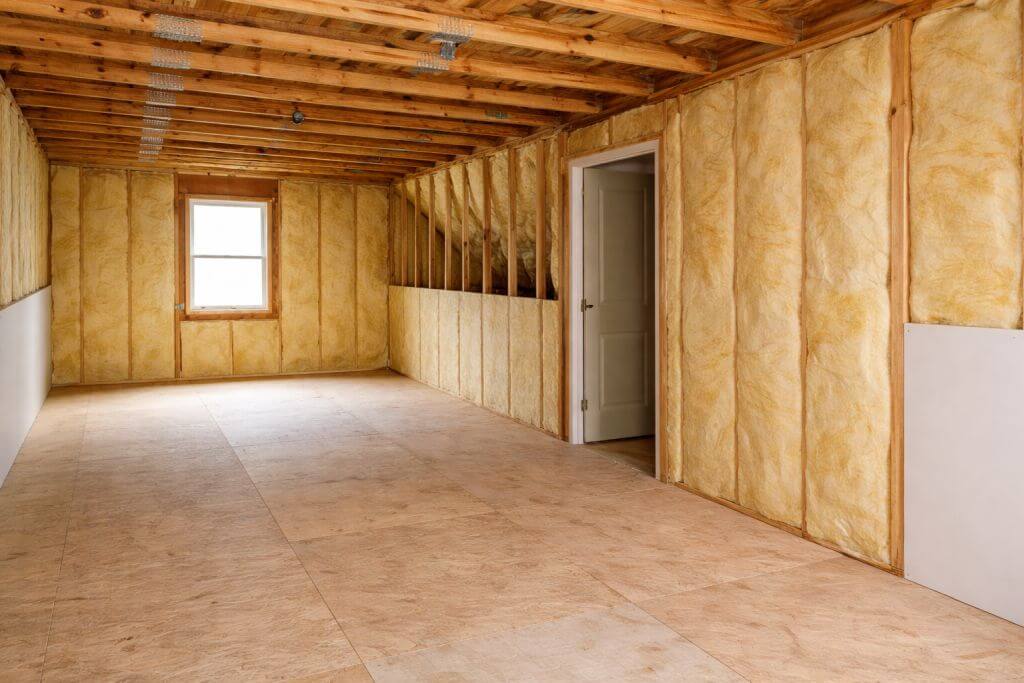
Where blown-in insulation wins on value
Blown-in systems deliver impressive results in most Santa Clarita attics with standard framing and good access. They are ideal for homes near Six Flags Magic Mountain, Valencia, and Saugus where soffit and ridge vents exist and the roof deck is in good condition. Air sealing paired with R-49 cellulose or fiberglass solves the majority of comfort complaints at a lower cost than roof-deck foam. Duct burial under at least 3 inches of insulation above the top of the duct, plus mastic sealing at joints, raises system efficiency further. When paired with a radiant barrier, a vented attic can handle many of the valley’s heat extremes without changing the ventilation strategy.
- Ceiling plane is accessible for sealing and recessed light covers.
- Soffit vents can be opened and protected with baffles.
- Ducts can be sealed and safely buried under insulation.
- Budget favors highest R-value per dollar.
- Client prefers a vented roof assembly with simple maintenance.
Edge cases and judgment calls
Santa Clarita homes built across different eras present surprises. Some Canyon Country attics hide dead-end chases that leak air between floors. Newhall bungalows sometimes show open stud bays connecting to wall cavities. Stevenson Ranch truss webs can limit blanket uniformity near the eaves. These details drive the choice. If air sealing can reach 90 percent of the leakage paths and ventilation can be tuned with baffles, blown-in remains the smart bet. If the ceiling plane is chaotic or ducts snake through knee walls and hot corners, spray foam at the roof deck often pays back in comfort and runtime reduction.
Zip code snapshots
In 91350 and 91355, many tract homes have consistent framing and clear soffits. Blown-in cellulose to R-49 with full air sealing has delivered strong results with modest disruption. In 91354 and 91381, two-story plans with centralized returns respond well to either deep blown-in with duct burial or roof-deck foam if budget allows. In 91384 and 91390, winds and elevation shifts push attics harder. Radiant barriers plus high R-values help here, and rodent-proofing becomes a must near open space. Across all areas, insulation removal and decontamination set the stage for a result that lasts.
Brands, compliance, and credentials that matter
Pure Eco Inc. works with Owens Corning, Johns Manville, Knauf Insulation, Rockwool, GreenFiber, Icynene, and Fi-Foil. The company is CSLB licensed, bonded, and insured. The team aligns every attic upgrade with California Title 24 standards. Materials carry Energy Star relevance where applicable. The firm offers a Free Attic Inspection and uses eco-friendly materials when feasible. Rodent-proofing includes a clear guarantee. These trust points matter for map-pack rankings, but more importantly, they matter for job quality and safety in homes across Los Angeles County.
Why homeowners call from Valencia to Castaic
The reason is simple. They want even room temperatures, fewer hot spots, and lower energy bills. They want clean attics without droppings or stale odors. They want fewer dust issues and a quieter upstairs. In practical terms, that means correct R-value, sealed penetrations, proper soffit baffles, right-sized recessed light covers, a tight attic hatch, and careful work around chimneys and flues. It also means the right choice between blown-in and spray foam. The wrong material in the wrong assembly creates headaches. The right material, installed by a CSLB-licensed team, changes how the house feels through the hottest weeks of August and the coldest nights in January.
Attic insulation Santa Clarita: a data-first approach
The quickest path to clarity is data. A thermal imaging camera shows where heat enters. A blower door test, if part of the scope, quantifies leakage through the ceiling plane. Depth probes and rulers keep coverage honest. Photos of soffit baffles, hatch insulation, and air-sealed top plates document quality. Clients in 91351 and 91354 appreciate hard proof because it predicts bills. Over time, the monthly statement reflects the work done in the attic more than any other upgrade short of full HVAC replacement. Insulation costs less than new equipment and often delivers bigger comfort gains.
Choosing the best path: spray foam or blown-in
For most homes in Santa Clarita, blown-in cellulose or fiberglass over a fully sealed ceiling plane gives the best dollar-for-dollar result. It meets Title 24, corrects common flaws, and works with existing soffit and ridge vents. It is the fast, clean answer in 70 to 80 percent of local attics. Spray foam is the right call when ducts and air handlers must live in the attic and the owner wants peak performance during the hottest hours. It is also strong where framing complexity makes comprehensive ceiling-plane sealing unlikely. Both paths demand professional detailing, correct safety measures, and brand-name materials.
Local presence and service radius
Service trucks from Pure Eco Inc. are common near Six Flags Magic Mountain, Valencia Town Center, and William S. Hart Regional Park. The team reaches homes across Santa Clarita, the San Fernando Valley, the Antelope Valley, Palmdale, Lancaster, and Simi Valley. In Santa Clarita proper, response is fastest for Valencia, Saugus, Newhall, Canyon Country, Stevenson Ranch, Castaic, and Tesoro Del Valle. The company knows rooflines, tract layouts, and builder patterns in these neighborhoods. That local knowledge shortens install times and improves results.
Results that align with Google’s local signals
Clear service language and location specificity support visibility for attic insulation Santa Clarita searches. So do entity-rich details about R-value, baffles, recessed light covers, radiant barriers, and vapor barrier strategy in this climate. Trust signals such as CSLB licensure, Energy Star alignment, Title 24 compliance, and a Free Attic Inspection matter both online and on-site. Real equipment names such as industrial insulation vacuum, cellulose blowing machine, thermal imaging camera, and HEPA air scrubber increase confidence and reflect real job practices. That combination mirrors how Pure Eco Inc. actually works in the field.
A brief case note from 91381
A two-story house in Stevenson Ranch with R-19 batts, ducts in the attic, and high afternoon bills needed help. The team proposed two paths. Path one was air sealing, baffles, duct sealing and burial, and R-49 cellulose. Path two was closed-cell foam at the roof deck with ignition barrier, creating an unvented assembly. The homeowner chose path one due to budget. After removal, decontamination, and sealing, crews installed baffles in every bay and blew cellulose to target depth. Supply air temperatures stabilized, the upstairs dropped 4 to 6 degrees in late afternoon, and AC runtime cut during peak rate periods. The owner called back a month later to report a clear reduction in kWh usage on the utility app.
FAQ: quick answers Santa Clarita homeowners ask
What R-value works best here? R-49 on the attic floor is a reliable target for this climate. Code minimums lean toward R-38, but R-49 pays back in comfort. For spray foam at the roof deck, consult thickness tables for open-cell and closed-cell products to meet thermal goals and code.
Is a vapor barrier required? In this region, a separate vapor barrier at the ceiling is rarely needed. Air sealing is the priority. Closed-cell spray foam functions as a vapor retarder at common thicknesses. Open-cell foam needs correct roof covering and moisture management details.
Will a radiant barrier help? In vented attics, yes. It reduces peak attic temperature and pairs well with deep blown-in insulation. In unvented, spray-foamed attics, radiant barriers add little value.
How to handle recessed lights? Use rated recessed light covers and seal to the drywall before insulating. Maintain clearance for heat and follow fixture ratings.
What about rodents? Seal openings, screen vents, remove contaminated insulation with an industrial vacuum, sanitize, then install new insulation. Ongoing exclusion keeps the result intact.
Santa Clarita homeowners: ready to choose smarter
Either path can be right. The house decides. A thorough inspection, thermal imaging, and a clear scope make the choice simple. If ducts live in a 140°F attic and must stay there, consider spray foam at the roof deck. If the attic has clear soffits and a serviceable ceiling plane, invest in air sealing and R-49 blown-in. Add a radiant barrier where sun exposure is severe. Always finish with accurate depth, clean baffles, sealed hatches, and photo documentation.
Clear conversion signals for homeowners
Pure Eco Inc. is a CSLB licensed, bonded, and insured contractor serving Santa Clarita and greater Los Angeles County. The company aligns projects with Title 24, uses brand-name materials from Owens Corning, Johns Manville, Knauf Insulation, Rockwool, GreenFiber, Icynene, and Fi-Foil, and brings Energy Star aligned practices to every job. The team offers a Free Attic Inspection, a detailed photo report, and a written scope with R-value targets and line-item pricing. Rodent-proofing carries a clear guarantee.
Homeowners in Valencia, Saugus, Newhall, Canyon Country, Stevenson Ranch, Castaic, and Tesoro Del Valle can schedule today. Service trucks are on the road near Six Flags Magic Mountain, CalArts, William S. Hart Regional Park, and College of the Canyons daily. Call to book a Free Attic Audit and find out which path fits the home best: spray foam at the roof deck or deep blown-in insulation with full air sealing. The result is steadier comfort, calmer HVAC, and bills that reflect Santa Clarita living on your terms.
Pure Eco Inc. provides professional attic insulation and energy-efficient home upgrades in Los Angeles, CA. For more than 20 years, homeowners throughout Los Angeles County have trusted our team to improve comfort, save energy, and restore healthy attic spaces. We specialize in attic insulation installation, insulation replacement, spray foam upgrades, and full attic cleanup for properties of all sizes. Our family-run company focuses on clean workmanship, honest service, and long-lasting results that help create a safer and more efficient living environment. Schedule an attic insulation inspection today or request a free estimate to see how much your home can benefit.
Pure Eco Inc.
422 S Western Ave #103
Los Angeles, CA 90020, USA
Phone: (213) 256-0365
Website: https://www.pureecoinc.com
Attic Insulation in Los Angeles
Social Media: Facebook | X | Instagram | Yelp
Map: View on Google Maps