I Feel Unprepared for Baby Clothes – What Are the Must-Haves?
Bringing home your newborn is exciting — and for many new parents, it can also bring a fair bit of anxiety, especially when it comes to what clothes to buy. Between adorable outfits on sale everywhere and mixed advice from well-meaning friends or online sources, it’s easy to feel overwhelmed. But worry not! This guide breaks down the newborn must-haves in practical baby clothes so you can stock up without stress, dressing your baby safely and comfortably.
Why Practical Newborn Clothes Matter More Than Cute Outfits
It’s tempting to pick out every tiny romper or miniature woolly hat that catches your eye. But from my 8 years of writing on baby and toddler life — plus countless chats with friends who’ve just had their first baby — the truth is simple: when your newborn comes home, you want clothes that work for real life, not just photos.
NHS guidance supports this view, emphasizing comfort and ease of changing over fashion statements. Babies mostly sleep and need frequent diaper changes, so practical garments make life far easier for both baby and parents.
Soft, breathable fabrics (like cotton) avoid irritating delicate skin. Easy access for diaper changes save you time and worry. Simple layers help regulate temperature, which newborns find tricky.
So, while cute outfits are fun and have their moment, the first few weeks rely much more on clothes that make daily routines smoother.
Layering: Your Secret Weapon for Unpredictable Weather
Newborns can’t regulate their body temperature well, so dressing them appropriately is vital. UK weather can change quickly, sometimes multiple times a day. This is where layering becomes essential.
Start with a Base Layer
Think of vests or bodysuits made of soft cotton. They sit close to your baby’s skin to keep them comfy and wick away any moisture.
Add a Middle Layer
A sleepsuit or romper with long sleeves shields against chill without overheating.
Top Layer
Depending on the temperature outside, add a lightweight jacket or baby grows with foldover mittens. And of course, hats—preferably breathable cotton, not thick wool indoors.

According to expert parent brand 3 Little Crowns, layering also makes diaper changes less stressful because you can remove one layer without peeling your baby’s entire outfit off.
How to Keep Baby at a Safe Temperature Without Overheating
One of the biggest worries for new parents is whether their baby is too hot or too cold. The NHS advises that babies should never feel hot or sweaty; if they do, it could increase the risk of SIDS (Sudden Infant Death Syndrome).
Check baby’s temperature by Signs baby is too hot Signs baby is too cold Feel the back of their neck or tummy Red, sweaty skin; rapid breathing; restlessness Cool, pale or mottled skin; shivering; lethargy
Simple tips to avoid overheating:
Use breathable fabrics that don’t trap heat (avoid fleece or heavy synthetics indoors). Keep room temperature between 16-20°C (60-68°F). Layer but avoid bulky layers — two to three light layers are better than one thick one.
The 3 Little Crowns range includes items thoughtfully designed for breathability and practical features that help new parents follow these safety tips.
Stocking Up on Vests and Sleepsuits: The Real Workhorses of Baby Clothes
Newborns go through lots of outfits in a day, thanks to spit-ups, diaper leaks, and the general messiness of early life. Having enough vests and sleepsuits is essential to avoid laundry overwhelm, especially in those hectic first weeks.
How Many Do You Really Need?
Vests: Aim for 5 to 7. These are worn under other clothes so you’ll be changing them often. Sleepsuits: 6 to 8 is a good starting point. Look for ones that snap at the front or have zip fastenings for easier changes at night. Babygrows: 4 to 6 for daytime wear or outings.
Remember that newborns grow quickly! Go for sizes 0-3 months or “newborn” sizes that offer some room to grow.
Why Snaps and Zips Win Over Pull-On
Babies don’t just lie still during changes – they wiggle and fuss. Sleepsuits with convenient fastenings let you change them without wrestling a tight neck opening over their head, which can upset your little one and slow you down.
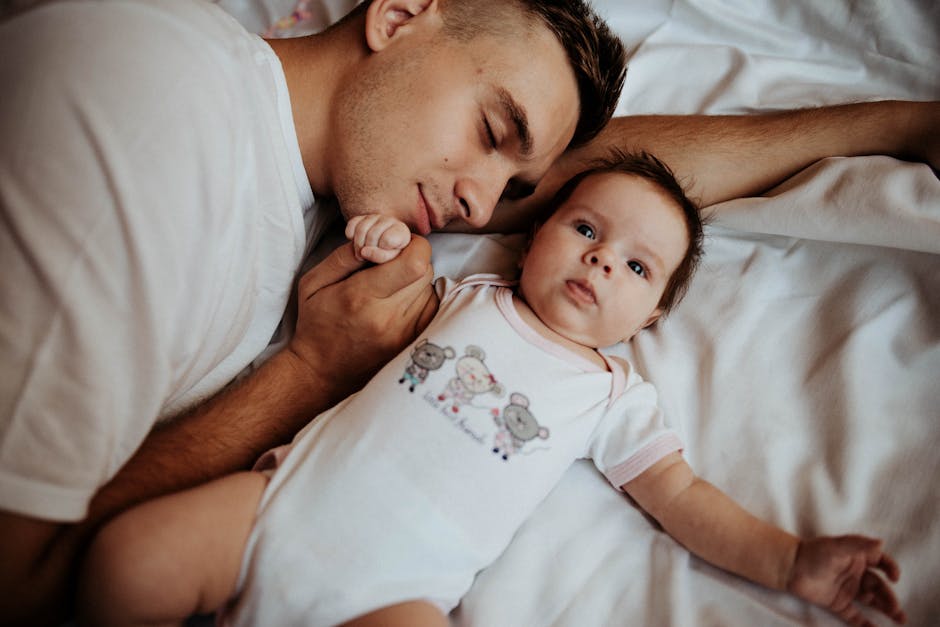
From my experience and NHS suggestions, consider:
Front to ankle snaps so you can change diapers without undressing the whole baby. Full-length zips covered at the top with a fabric flap to protect delicate skin.
Summary Checklist: Newborn Must-Have Clothes
Item Quantity Key Features Cotton Vests 5-7 Soft fabric, easy to layer, snap or envelope neck Sleepsuits / Rompers 6-8 Front or snap fasteners, cotton, long sleeves Babygrows 4-6 Stretchy cotton, full coverage, optional foldover mittens Lightweight Jackets/Cardigans 2-3 Breathable, easy to take off Hats (Cotton, breathable) 2 Loose fit, not too warm for indoors Socks or Booties 4-6 pairs Soft, warm but not too tight
Final Thoughts on New Parent Clothes Anxiety
If you’re feeling anxious about baby clothes, know that you’re not alone. The good news is that practical, simple clothes work best for newborns in those early weeks. Don’t worry about having a perfectly styled wardrobe or planning for every cute photoshoot — focus on comfort, temperature safety, and ease of use.
By following NHS guidelines and leaning on trusted resources like 3 Little Crowns, you’ll build a newborn wardrobe of true must-haves that meets your baby’s https://runjumpscrap.com/2026/06/newborn-wardrobe-essentials-first-time-parents-often-forget/ needs and gives you peace of mind. And remember, you’ll grow into the fun outfit shopping over time — for now, keep it simple, stay soft, and layer on love.