Teeth Retainers: How Long Should You Wear Them?
Introduction
When you’ve spent time and money on orthodontic treatments like braces or Invisalign, the last thing you want is for your teeth to shift back to their original positions. Enter teeth retainers. After the active phase of orthodontics, retainers are crucial for maintaining that perfect smile you've worked so hard to achieve. But how long should you wear them? This article is designed to provide comprehensive insights into the world of teeth retainers, ensuring you understand not only their importance but also how long they should be worn post-treatment.
Teeth Retainers: How Long Should You Wear Them?
Teeth retainers play a pivotal role in the orthodontic journey. After your braces or clear aligners like Invisalign have done their job, retainers help keep your teeth in place while your jawbone and gums adjust to their new positions. But just how long should you wear them?
The duration can vary based on several factors including:
Type of Retainer: Fixed or removable. Age: Younger patients may need longer retention. Initial Alignment: More severe misalignments may require longer retention.
Generally speaking, most orthodontists recommend wearing retainers full-time for at least the first six months after treatment. After this period, many patients transition to nighttime use indefinitely. Some may even be advised to continue wearing them for life during sleep.
Understanding Different Types of Teeth Retainers
1. Fixed Retainers
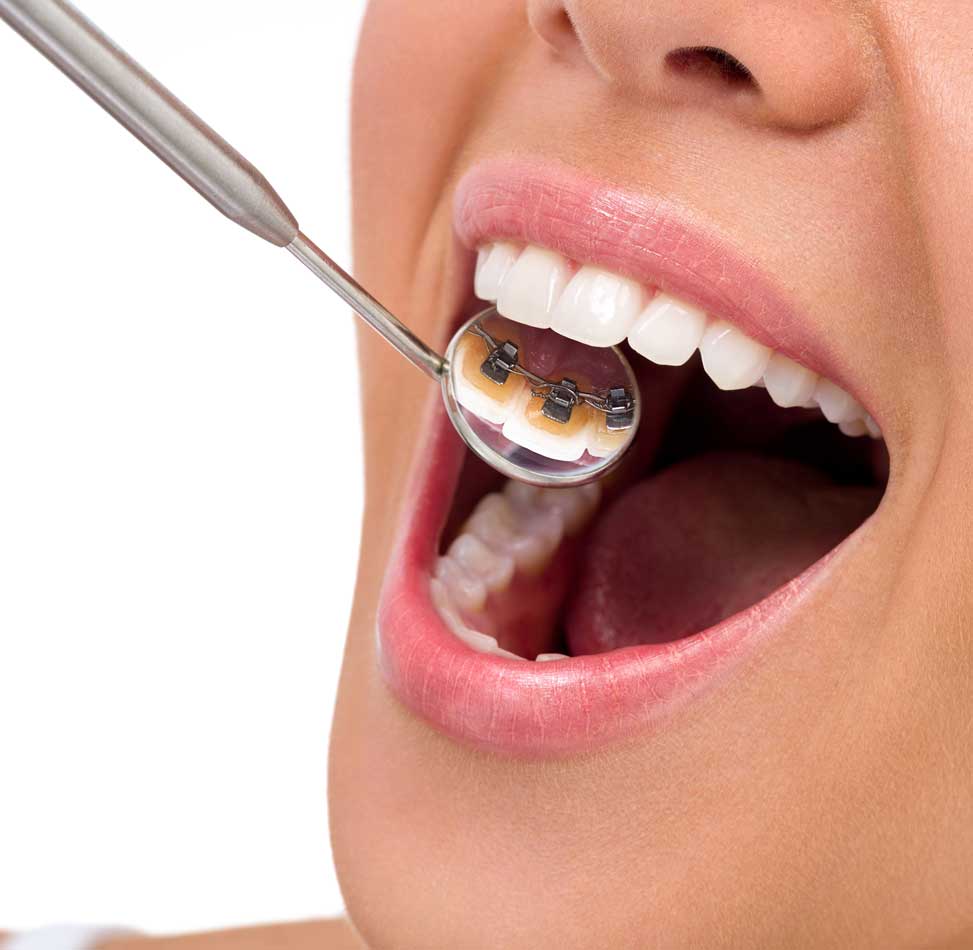
Fixed retainers are bonded directly to the back of your teeth and are designed for long-term use.
Pros: They offer constant retention without any effort on your part. Cons: They can make oral hygiene more challenging; special cleaning methods are often required.
2. Removable Retainers
Removable retainers, such as Hawley or clear plastic retainers (often referred to as Invisalign-style), offer flexibility.

Pros: Easier to clean and maintain oral hygiene. Cons: Must be worn consistently; if forgotten, there’s a risk of teeth shifting.
Retention Protocols Over Time
1st Six Months Post-Treatment
During this initial phase, it's critical to wear your retainer full-time—typically 20-22 hours a day.
After Six Months
Depending on your orthodontist's advice and individual circumstances, you might switch to wearing it only at night.
Factors Affecting Retention Duration
Several factors influence how long you'll need to wear your retainer:
Age Matters
Younger patients often experience more significant changes in tooth position due to ongoing growth and development, which necessitates longer periods of retention.
Severity of Misalignment
If you had severe misalignment before treatment, expect a longer retention period than someone who underwent minor adjustments.
The Importance of Wearing Your Teeth Retainers Consistently
Wearing retainers consistently is crucial for several reasons:
1. Preventing Tooth Movement
Even after successful treatment, teeth can shift over time due to various factors like age or natural bone remodeling.
2. Maintaining Oral Health
A well-fitted retainer can help maintain proper alignment and spacing between teeth, reducing the risk of cavities and gum disease.
3. Enhancing Aesthetic Results
Retainers ensure that beautiful smile stays intact for years down the line, allowing you to enjoy the benefits without worry.
Common Questions About Teeth Retainers
FAQ 1: What happens if I don’t wear my retainer?
If you don’t wear your retainer as directed, it’s likely that your teeth will begin drifting back toward their original positions. This shifting can happen surprisingly fast—often within days or weeks after stopping retainer use.
FAQ 2: Can I stop wearing my retainer after a year?
While some patients may feel comfortable reducing usage after a Invisalign year, it’s generally recommended to continue wearing it at night indefinitely unless advised otherwise by an orthodontist.
FAQ 3: Are there any side effects from wearing a retainer?
Some individuals may experience discomfort or minor speech issues when starting with a new retainer; however, these symptoms usually subside within a few days as one adjusts.
FAQ 4: How do I clean my retainer?
Cleaning methods depend on the type of retainer:
For removable types: Soak in a solution (like denture cleaner) or brush gently with toothpaste. For fixed types: Use interdental brushes and floss threaders for cleaning around them effectively.
FAQ 5: Is it normal for my retainer to feel tight?
Yes! Especially after not wearing it for some time. If tightness persists beyond a few days or causes pain, consult your orthodontist immediately.
FAQ 6: Can I eat with my removable retainer in?
It’s best practice to remove your removable retainer when eating or drinking anything other than water. This prevents damage and maintains cleanliness.
The Evolution of Orthodontics and Teeth Retainers
As orthodontics has advanced over the years—from traditional metal braces to modern innovations like clear braces and invisible aligners—the role of retainers has evolved too.
The Transition from Braces to Clear Aligners
In recent years, clear aligners such as Invisalign have gained popularity due to their aesthetic appeal and comfort. However, these too require retainers post-treatment just like traditional braces do!
Advantages of Clear Braces Over Traditional Metal Braces
| Feature | Clear Braces | Traditional Metal Braces | |----------------------|-----------------------|---------------------------| | Aesthetic Appeal | High | Low | | Comfort | Higher | Moderate | | Cleaning Ease | Easier | More Difficult |
Long-Term Care Tips for Your Teeth Retainers
Taking care of your dental appliances is paramount not only for hygiene but also for longevity:
Always store removable retainers in their case when not in use. Avoid exposure to high temperatures (like hot water) which can warp plastic materials. Schedule regular dental check-ups even post-retention phase.
Conclusion
In summary, understanding how long you should wear teeth retainers involves more than just following blanket recommendations—it requires considering personal factors such as age and initial tooth alignment severity among others. By adhering closely to an orthodontist's guidance while maintaining good oral hygiene practices with both braces/aligner treatments and subsequent retention protocols—you're setting yourself up for lifelong dental health success!
Remember that every smile journey is unique; thus staying informed about each step—including how long you're expected to wear those vital teeth retainers—is essential!