A guide to read masha and baba yaga story online
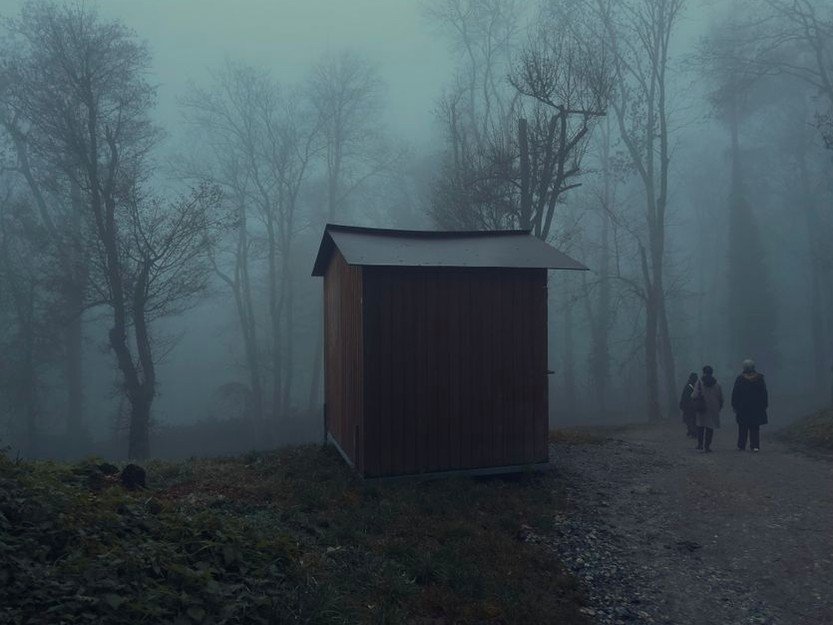
You can read masha and baba yaga story online as a short children’s fairy tale about a lost girl, a forest dwelling, and an unexpected act of care. It works well for shared reading because the journey is easy to follow. Masha leaves home, loses the path, reaches Baba Yaga’s hut, helps the old woman, and returns to her parents.
The story is available online for free on Modern Fairy Tales. Its short rhyming form suits bedtime reading, a classroom activity, or a parent-led discussion with a preschool or early elementary child.
How the story’s route works
Masha sets out from her family home with a basket. She enters the wood to gather mushrooms and flowers, then wanders away from the familiar path. The forest creates the central problem in the plot: Masha can no longer work out how to get home.
Her journey follows a clear sequence. She walks through the wood, notices a small shack, and finds an old woman inside. The hut is a temporary destination, but it also changes the direction of the story. Masha arrives frightened and leaves after solving another person’s problem.
This structure helps young listeners follow both location and cause. Masha becomes lost after leaving the path, reaches Baba Yaga by continuing through the forest, and gets home after helping the woman who lives there.
What happens at Baba Yaga’s hut
Inside the hut, Masha first encounters a frightening figure. Baba Yaga’s wooden leg creaks, she groans, and the isolated building makes her appear dangerous. Their conversation soon changes that impression. Baba Yaga explains that she feels too ill to eat, drink, stand, or sing, and Masha responds with concern rather than running away.
Masha brings practical care into the hut. She suggests cranberry tea, raspberries, honey, a warm bathhouse, and a back rub with wax. These details link the fantasy setting with familiar household remedies. They also give children a straightforward way to discuss kindness, illness, and helping someone who looks intimidating.
The story’s remedies belong to its imaginative world and should not replace adult care in real life.
Its purpose is moral as well as fantastical. Masha notices another person’s distress, offers help, and stays focused on the immediate need in front of her.
The return route and its destination
After Masha cares for her, Baba Yaga stands upright and feels ready to fly on her broomstick. She asks how she can repay the child, but Masha makes one specific request: she wants to return to her mother and father.
Baba Yaga uses her mortar to carry Masha home. This unusual form of transport turns a slow forest journey into a swift magical return. Masha could not find the way by herself, while the forest resident knows how to travel safely between the remote hut and the family home.
The journey ends at the family house, where Masha’s parents are overjoyed to see her. They praise her courage and kindness. Baba Yaga waves goodbye and flies back toward the forest, restoring the family connection without making the forest seem permanently unsafe.
Why the online format works for shared reading
A digital version is useful when an adult wants to read the complete story without searching through several pages or gathering separate materials. The poem has repeated sounds, short lines, and visible action.
An adult can pause after each scene and ask what Masha should do next.
- Before reading, ask the child why carrying a basket might suggest a trip into the forest.
- At the hut, discuss why Masha speaks to Baba Yaga instead of judging her appearance.
- During the care scene, distinguish fairy-tale remedies from real medical advice and remind the child to tell an adult when someone feels ill.
- At the ending, trace the route from the hut back to Masha’s parents and name the people who helped her.
The regional setting also introduces young readers to Slavic folklore. Baba Yaga remains recognizable as a forest-dwelling figure, but this version shows her through illness, gratitude, and a willingness to help. That makes her easier for young readers to approach than a purely frightening witch.
Who will enjoy this story
The tale suits children who prefer fairy stories with a clear journey and a reassuring ending. It can also work for families looking for a short text about compassion rather than a contest between a hero and a villain.
Choose the online story when you want to follow Masha’s route from the family home through the forest and back again. Will you read it aloud first, then ask the child to draw the hut, the forest path, and the final return home?