AC Repair for Vacation Homes: Maintenance and Monitoring Tips
A vacation home should be a refuge, not a roulette wheel. If you have ever opened a front door in July to a wall of hot air and the whoosh of a struggling condenser outside, you already know that air conditioning in a second home carries different risks than at your primary residence. Long vacancies, salt air or forest dust, unreliable power, and inattentive property managers all conspire against a system that thrives on steady use and quick response. The good news is that a well‑designed maintenance and monitoring plan, paired with the right relationship to local HVAC companies, can turn an AC from a wildcard into a reliable backdrop to your time off.
Why second homes are hard on AC systems
AC equipment dislikes long idle periods. Oil settles in compressors, traps dry out, and small refrigerant leaks that would have been noticed quickly in a primary home go undetected for months. In coastal regions, corrosion accelerates even when the system is off. In mountain towns, spring pollen glues itself to outdoor coils, then a surprise June heatwave arrives before anyone has changed filters. Power quality varies in rural areas, which means brownouts and voltage spikes hit sensitive components. I have seen new contactors pitted after one storm season on a barrier island, and secondary drain pans flood a downstairs ceiling because a pan switch had never been wired.
The pattern is consistent: what you don’t watch degrades faster, and what you don’t maintain costs more later. The stakes are higher in a vacant property because problems spread. A clogged condensate drain becomes sheetrock repair, repainting, and lost rental nights. A blown capacitor during a heatwave can turn into a full compressor failure if the system short cycles for days before anyone notices.
Designing the system for the way you use the house
Before a wrench ever touches the unit, match the equipment to the property and usage. HVAC contractors see this mismatch all the time: oversized units chosen to “cool fast,” single‑stage condensers in homes with big swing temperatures, or a single thermostat controlling a rambling floor plan. Vacation homes tend to be cooled from a hot start, often one to three times per week in peak season, with doors opening repeatedly as guests unload. The right configuration reduces stress.
Variable‑speed or two‑stage systems manage humidity better during intermittent use. A unit that can run at low capacity keeps air moving and moisture under control without overshooting the setpoint. Good dehumidification lets you set a higher temperature when vacant while still protecting finishes and preventing musty odors. In small coastal homes, pairing a dedicated whole‑home dehumidifier with the central AC often makes sense. It can run independently in shoulder seasons when temperature is fine but humidity creeps up.
Zoning pays off in houses with distinct wings or floors that are not always occupied. It limits run time and wear, which matters in a property that sits empty midweek. Smart thermostats help, but zoning solves the physics. If you are replacing equipment, ask heating and air companies for Manual J and Manual D calculations, not rules of thumb. Undersized returns and constricted ducts shorten equipment life, and oversized condensers hide duct problems until energy bills jump.
Outdoor placement is not cosmetic. In salty air, set the condenser away from direct ocean breeze and lawn sprinklers. In pine country, avoid locations under heavy needle drop. In flood zones, elevate the condenser to the local freeboard recommendation, not just a token pad. Simple changes extend coil and cabinet life by years.
What to do before peak season
Think of preseason work as a safety net. A decent tune‑up is not a superficial rinse and a filter swap. When I’m preparing a second home for summer, I budget 90 minutes or more for inspection and baseline measurements. If a contractor promises a 20‑minute “special,” that is marketing, not service.
Key tasks include refrigerant circuit checks with superheat and subcool readings, static pressure measurements across the air handler to assess duct health, checking capacitor values, testing contactor condition, verifying low‑voltage connections, and flushing condensate lines with a measured biocide or vinegar solution, not just water. I like to pour a measured quart through the primary drain and see it at the termination. If the house uses a common multi‑port condensate manifold, confirm each branch actually drains and that clean‑outs are accessible.
Filters matter more in vacation homes because service intervals drift when no one is onsite. Choose filters your caretaker or cleaning crew can replace without tools. If the return grille is a pain to reach, it will be skipped. MERV 8 to MERV 11 is a practical range for most systems; higher MERV can be useful for allergies, but only if the ductwork and blower can handle the added resistance. Look for pressure ratings or ask an HVAC contractor to measure static after installing your chosen filter during the preseason visit.
Thermostat programming should be adjusted now. Create two modes: occupied and vacant. Occupied targets comfort with slower setbacks at night, while vacant focuses on protection. For humid climates, set a humidity limit, typically 55 to 60 percent, with a temperature setpoint of 76 to 80 F. In dry climates, a temperature range of 78 to 82 F often works with fan circulation schedules to prevent air stagnation. If the thermostat supports alerts, enable high humidity and extreme temperature alarms to your phone and to your property manager.
Finally, photograph everything. Take clear shots of equipment labels, wiring in the air handler, refrigerant line insulation condition, condensate safety switch orientation, and the drain termination. Those photos save time when you need remote guidance or a late‑night part run.
Monitoring that actually prevents problems
Remote thermostats are common now, but many people stop at remote control and miss the preventative power of monitoring. For a vacation home, you want three categories of data and alerts: indoor comfort readings, equipment behavior, and environmental risks to the system.
Indoor comfort starts with temperature and humidity in more than one room. Great rooms are not good proxies for back bedrooms. If your thermostat supports remote sensors, deploy them in a representative bedroom and in a central living space. If not, a small Wi‑Fi hygrometer in the farthest conditioned room gives you a second opinion. Check sensor battery life at every turnover.
Equipment behavior can be tracked with smart thermostats that log run time by stage and provide high temperature differentials between supply and return. A sudden spike in run time with a falling delta T is a classic sign of a refrigerant leak or a failing compressor valve. Some thermostats can notify on these anomalies, but even a weekly glance at a graph helps you catch drift. In rental homes, I have caught drain clogs early because the system ran longer each day while cooling less, a pattern that often precedes a float switch trip.
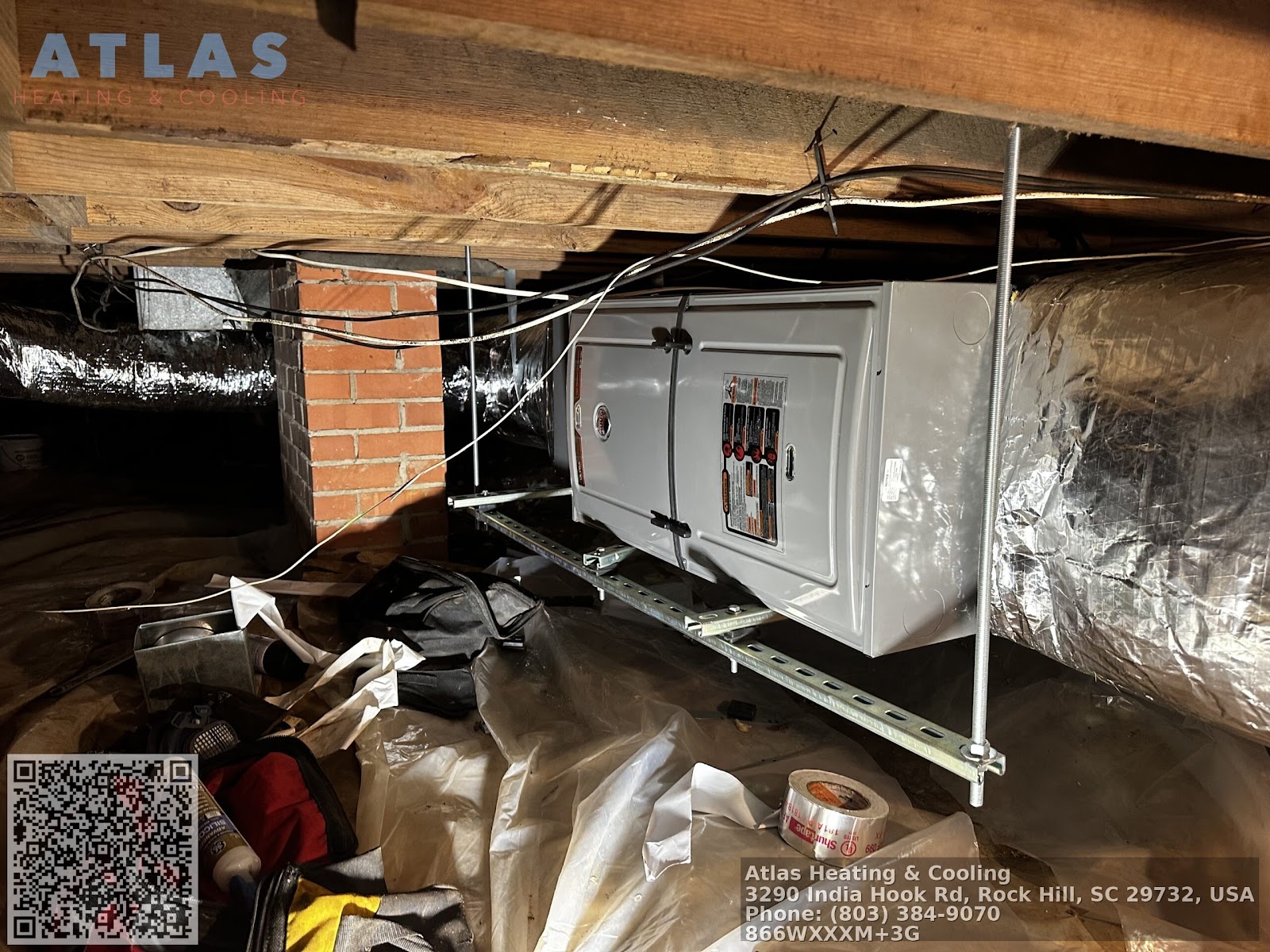
Environmental risk monitoring is the unglamorous side, but in second homes it pays. A water sensor under the air handler’s secondary drain pan or beneath a ceiling return is cheap insurance. A voltage monitor on the condenser circuit can detect drops during storms. If your electrical panel supports smart breakers, configure alerts for trips on the air handler and condenser circuits. Power cycling without anyone present is how boards corrupt and contactors weld.
Avoid overcomplicating the setup. If a system depends on a fragile internet connection, you will be blind when you most need it. Where possible, choose gear that can buffer local data and send alerts after reconnection, and give your caretaker instructions to reboot the modem and thermostat hub on each visit.
Scheduling maintenance in a market crunch
The first heatwave brings a crush of calls. Local HVAC companies triage, and vacation homes are not always prioritized, especially for new customers. The workaround is simple: build a relationship before the rush. Get on a spring service plan that includes guaranteed response time. Pay for a fall visit too, even if you think you do not need heat. Contractors remember the properties that treat maintenance as a plan, not a panic.
When you do need AC repair fast, details matter. Provide the make, model, serial numbers, installed refrigerant type, last service date, and any error codes from the thermostat in your initial call or text. Share those preseason photos. If the house is in a gated community or short‑term rental, confirm access and alarm instructions the moment you schedule. You want the tech to arrive ready to work, not to reschedule because the gate code is wrong.
There is also a choice between a full‑service firm and a solo technician. Both can be excellent. In resort towns, some of the best techs go independent and cover a small radius with great care. Larger heating and air companies have depth for emergencies and replacement projects. For second homes, I lean toward whoever commits to off‑hours response when guests arrive to a hot house. That commitment is often worth a modest premium.
The owner’s maintenance you can do without voiding warranties
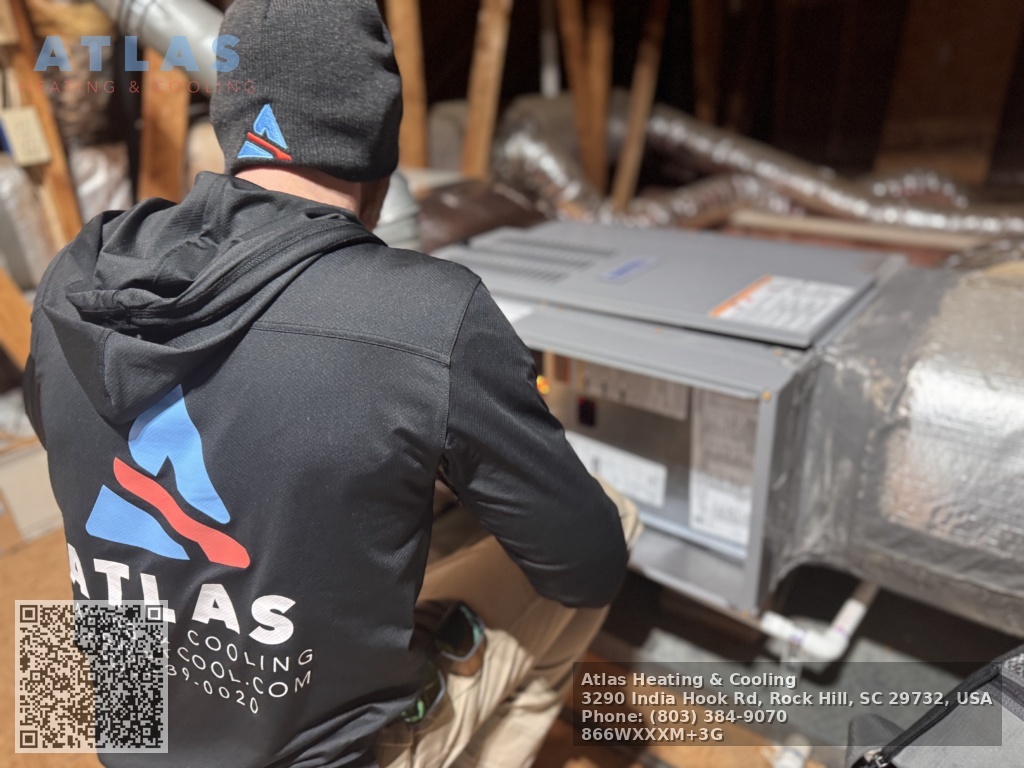
Not everything requires a pro. Owners and caretakers can do a handful of tasks that directly prevent AC repair calls. The trick is to know where to stop.
Change or clean filters on a cadence that matches your environment. In high pollen areas, spring and early summer may require a monthly change, then a slower pace the rest of the year. Mark dates on the frame, and keep a case of the right size in a labeled closet. Confirm filters seat properly; a one‑inch gap around the edge defeats the purpose and allows coils to clog. If return grilles flex and let air bypass the filter, fix the fit with foam strips.
Keep the outdoor unit clear. Trim shrubs to at least 24 inches of clearance on all sides and five feet above the fan discharge. Gently rinse coils from the inside out with a garden hose, never a pressure washer. If you see corrosion or fins folding over, stop and call a pro. Replace or repair refrigerant line insulation if you see UV cracks. Those lines should not feel like bare metal in the sun.
Inspect condensate drains monthly during heavy use. If the primary drain tees into a sink or bath trap, run water through that fixture to maintain the trap seal and prevent odor. If you have an EZ‑trap or cleanout cap at the air handler, remove it and check flow. Pour a cup of vinegar into the line and confirm discharge at the exterior. If you find slime or repeated clogs, a pro can reroute to add slope, install a cleanout, or replace a sagging vinyl section with rigid PVC.
Test the float switch by gently lifting it until you hear a click, then confirm the system shuts off. Return it to the normal position and make sure the AC resumes. If the switch does nothing, have it rewired. Many attic installs skip the switch or wire it incorrectly, which defeats the whole point.
Finally, walk the house with a candle or a light tissue near window and door frames. Drafts raise load and humidity. A few dollars in weatherstripping often reduces runtime more than tinkering with thermostat schedules.
Humidity management when you are not there
Air temperature is the number we obsess over, but moisture does the real damage in many second homes. Coastal and lake properties absorb humidity into drywall, cabinets, and floors. When the AC is off, these materials release it slowly, causing musty odors and mold risk. During low‑occupancy weeks, target moisture more than temperature.
Two approaches work well. The simple route uses your existing AC with a humidity setpoint and low fan circulation. This keeps the coil cold enough to condense moisture periodically. The key is to avoid running the blower alone with a warm coil, which can re‑evaporate water and raise indoor humidity. Many smart thermostats allow you to disable continuous fan mode when not actively cooling.
The more robust route adds a dedicated dehumidifier tied into the supply duct or running standalone in a utility closet with a louvered door. Ducted units can maintain 50 to 55 percent RH without dropping the thermostat much below 78 F. They also operate in shoulder seasons when outdoor dew points are high but temperatures are mild. Make sure the dehumidifier drains to a reliable condensate route with its own float switch. If the property has a septic system sensitive to continuous low‑flow discharge, a small condensate pump on an intermittent cycle can help.
Aim for a steady indoor humidity, not perfection. Staying in the mid‑50s preserves finishes and keeps guests comfortable when they arrive. If you try to run drier than 45 percent in a leaky beach house, you will fight a losing energy battle and create negative pressure that pulls in even more humid air.
When it is time to repair versus replace
With second homes, the threshold for replacement is a little lower than for a primary residence, because repair delays can cost rental income and guest goodwill. Still, a compressor replacement or evaporator coil swap can make sense if the unit is otherwise healthy and not obsolete.
I look at three factors: age and condition, refrigerant type, and failure pattern. If the system is under ten years old, has clean coils, good static pressure, and uses R‑410A, a major repair may be smart, especially if the parts carry a long warranty. If the system is older, visibly corroded, and has a history of weak cooling calls that resolve temporarily with refrigerant top‑offs, do not chase leaks in a coastal environment; replace the coil or the whole system. If the unit uses R‑22, parts are scarce and refrigerant is expensive; full replacement usually pencils out.
Consider soft costs too. If you must repeatedly coordinate entry, reschedule guests, or air out a damp house after failures, the math changes. The predictability of a new, properly sized system with modern controls often saves time and avoids those apologetic emails to renters.
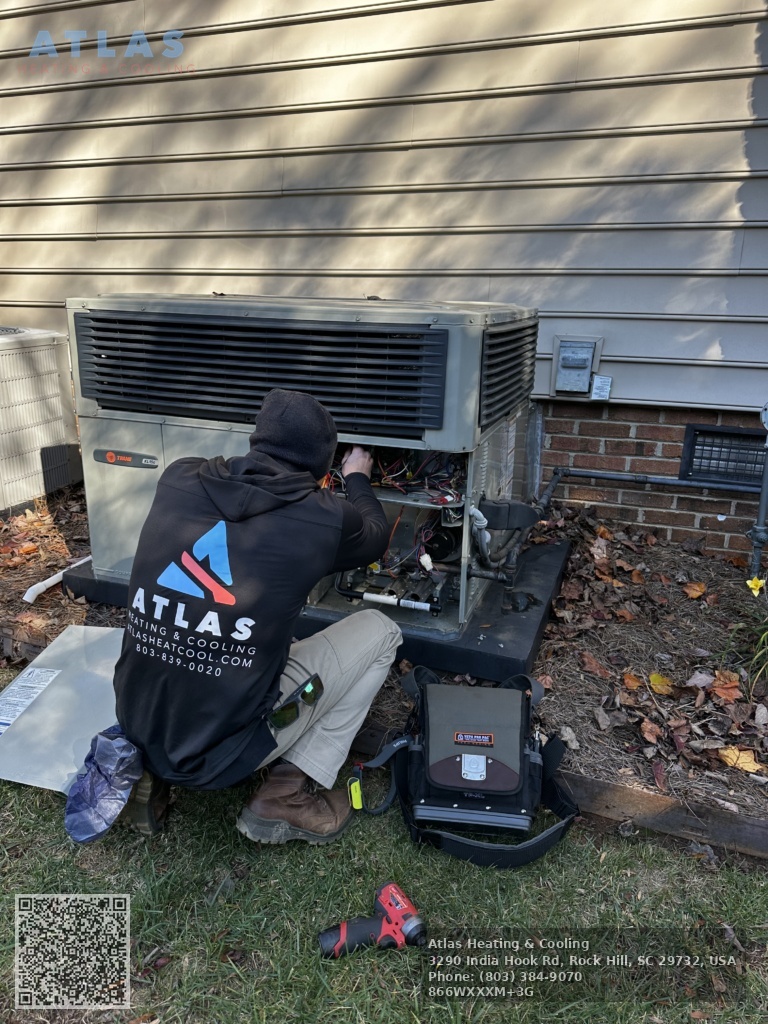
Local HVAC companies can provide a scope that includes protective upgrades during replacement: UV‑resistant line insulation, a robust secondary drain pan with a metal support grid, float switches on both primary and secondary drains, a service disconnect with clear labeling, and a surge protector on the condenser. None of these adds much cost, and they target the exact ways vacation home systems fail.
How to choose and manage service partners
The best HVAC contractors for vacation homes share a few habits. They answer the phone, they document their work with photos, and they think about the house as a system rather than a collection of parts. Ask for sample service reports before you sign an agreement. Look for static pressure numbers, delta T readings, microfarad measurements on capacitors, and refrigerant data, not just “checked and OK.”
Response time matters, but consistency matters more. A company that commits to a same‑day call window for your property on weekends may be worth a AC repair retainer or a premium maintenance plan. If you manage multiple homes, negotiate a shared service SLA with priority status. Put gate codes, alarm procedures, and key locations in a single document and update it seasonally.
Coordinate HVAC with housekeeping and pool service schedules. I have watched techs arrive to a locked home because the cleaner took the only fob. A shared calendar for turnovers with soft blocks for service windows keeps everyone out of each other’s way. If you run short‑term rentals, add HVAC notes to the house manual: where the thermostat is, who to call, and what not to do. Guests will set the thermostat to 65 if you let them. Many thermostats allow a setpoint limit that still feels generous.
Finally, keep a small parts kit onsite. A universal capacitor that matches your condenser spec, a contactor of the right amperage, a handful of float switches, and spare filters often mean a caretaker or on‑call tech can restore cooling same day. Label the box with model numbers and date codes.
Winter and shoulder season considerations
Even if you only cool the home, the air handler likely includes heat strips or a heat pump. Off‑season is a good time for furnace repair checks in mixed‑climate homes so that heat is reliable for the rare snap. Heat strips draw heavy current; loose lugs in an air handler can char wiring over time. Ask for a torque check during fall service.
In mountain markets where winter dominates, condensate management flips to heat season. High‑efficiency furnaces produce condensate that needs a clear drain path and freeze protection. Insulate and heat‑tape exposed runs, and test the trap and pressure switch operation. If you shut water off at the main for winter, confirm any condensate pumps still have a discharge path and that their check valves are tight to prevent backflow odor.
Salt and frost both attack outdoor units differently. In freeze‑thaw cycles, ensure the condenser pad is level and drains. A tilted unit strains fan bearings and creates noise complaints next door. In coastal winters, a gentle coil rinse and a corrosion‑inhibiting spray rated for aluminum fins help. Avoid coatings that gum airflow.
Budgeting and setting expectations
Plan for two professional visits per year and a parts and emergency fund equal to 2 to 4 percent of the system replacement cost. A midrange system replacement might run $8,000 to $15,000 in many markets, so a $200 to $600 annual reserve, on top of service fees, keeps you from putting big repairs on a credit card during a holiday weekend. If your home is a rental, allocate a portion of each booking toward this reserve.
Track energy and runtime. A sudden uptick in kWh for the same occupancy often flags airflow issues or refrigerant problems before comfort complaints start. Many utilities provide detailed interval data; pull a weekly report during peak season. If the house sits empty and usage is still high, you may be fighting infiltration or a control logic issue like a fan stuck in on mode.
Set guest expectations with honesty. “The home is kept between 72 and 76 during your stay” prevents icebox demands. If you restrict setpoints, explain why and pair the message with ceiling fans and blackout shades. Comfort is a system, not just a number on a thermostat.
A short checklist that keeps second homes cool
Spring service by a trusted local HVAC company with documented measurements and a condensate flush Smart thermostat with humidity control, remote sensors in at least two rooms, and alerting enabled Filters stocked onsite and changed on a set cadence, recorded on the frame Clear outdoor unit with proper clearance, intact line insulation, and a level pad Water sensors under air handlers and in ceilings below attic equipment, plus a tested float switch
When you do have to call for AC repair
Act quickly but with a plan. If a guest reports warm air, ask for a simple observation: is the outdoor fan running, is there ice on the refrigerant lines, any water near the air handler, and what are the thermostat readings for indoor temp and humidity. Turn the system off if the coil is iced to avoid compressor damage, and run the fan only for 30 to 60 minutes to defrost. Share those observations with the dispatcher. “Outdoor fan runs, indoor blower runs, no cool air, lines not iced” points toward a failed compressor or low charge. “Outdoor unit silent, thermostat calling for cool, breaker not tripped” suggests a failed capacitor or contactor.
If the property is remote, ask the technician to carry common parts for your model. This is where those recorded serial numbers help. Many air conditioning repair calls in peak summer are resolved by replacing a dual‑run capacitor, a contactor, or cleaning a clogged drain. When the tech is onsite, have them photograph any concerning findings so you can make decisions without a second visit. Approve preventive fixes that head off the next call, like replacing a borderline capacitor or adding a service tee to a hard‑to‑flush drain.
Keep a running log of repairs with dates, symptoms, and parts replaced. Patterns emerge. If you swap the same part yearly, investigate root cause: voltage quality, heat load spikes, or corrosive placement. Local HVAC companies often spot these patterns across multiple homes in the same neighborhood and can recommend targeted upgrades.
The payoff of doing it right
Vacation homes thrive on predictability. Owners relax, guests leave good reviews, and the property ages gracefully when the mechanicals simply do their job. Thoughtful design, disciplined maintenance, and practical monitoring deliver that outcome. None of the steps above is exotic. They are the habits of owners and managers who stopped letting the AC be an afterthought.
And when, despite your planning, the system falters on a 96‑degree holiday, your preparation pays off again. You will have a relationship with a responsive contractor, photos and model numbers at hand, a caretaker with access instructions, and sensors that told you what failed before the tech picked up the phone. That turns an emergency into a service visit and lets your vacation home stay what it should be, a place to arrive to a cool, dry welcome every time.
Atlas Heating & Cooling
NAP
Name: Atlas Heating & Cooling
Address: 3290 India Hook Rd, Rock Hill, SC 29732
Phone: (803) 839-0020
Website: https://atlasheatcool.com/
Email: [email protected]
Hours:
Monday: 7:30 AM - 6:30 PM
Tuesday: 7:30 AM - 6:30 PM
Wednesday: 7:30 AM - 6:30 PM
Thursday: 7:30 AM - 6:30 PM
Friday: 7:30 AM - 6:30 PM
Saturday: 7:30 AM - 6:30 PM
Sunday: Closed
Plus Code: XXXM+3G Rock Hill, South Carolina
Google Maps URL: https://maps.app.goo.gl/ysQ5Z1u1YBWWBbtJ9
Coordinates: 34.9976761, -81.0161415
Google Maps Embed:
Socials:
https://facebook.com/atlasheatcool
https://www.instagram.com/atlasheatcool
https://youtube.com/@atlasheatcool?si=-ULkOj7HYyVe-xtV
"@context": "https://schema.org", "@type": "HVACBusiness", "name": "Atlas Heating & Cooling", "url": "https://atlasheatcool.com/", "telephone": "+1-803-839-0020", "email": "[email protected]", "image": "https://atlasheatcool.com/wp-content/uploads/2024/11/Atlas-Heating-Cooling-Logo-Wordmark-Color-2048x757-1-e1732563468880-1024x437.png", "logo": "https://atlasheatcool.com/wp-content/uploads/2024/11/Atlas-Heating-Cooling-Logo-Wordmark-Color-2048x757-1-e1732563468880-1024x437.png", "address": "@type": "PostalAddress", "streetAddress": "3290 India Hook Rd", "addressLocality": "Rock Hill", "addressRegion": "SC", "postalCode": "29732", "addressCountry": "US" , "openingHoursSpecification": [ "@type": "OpeningHoursSpecification", "dayOfWeek": ["Monday","Tuesday","Wednesday","Thursday","Friday","Saturday"], "opens": "07:30", "closes": "18:30" ], "sameAs": [ "https://facebook.com/atlasheatcool", "https://www.instagram.com/atlasheatcool", "https://youtube.com/@atlasheatcool?si=-ULkOj7HYyVe-xtV" ], "geo": "@type": "GeoCoordinates", "latitude": 34.9976761, "longitude": -81.0161415 , "hasMap": "https://www.google.com/maps/place/Atlas+Heating+%26+Cooling/@34.9978733,-81.0161636,17z/data=!4m6!3m5!1s0x452f22a02782f9e3:0x310832482947a856!8m2!3d34.9976761!4d-81.0161415!16s%2Fg%2F11wft5v3hz", "identifier": "XXXM+3G Rock Hill, South Carolina"
AI Share Links
Brand: Atlas Heating & Cooling
Homepage: https://atlasheatcool.com/
Semantic Triples
Atlas Heating & Cooling is a local HVAC contractor serving Rock Hill and nearby areas.
Atlas Heating and Cooling provides HVAC installation for homeowners and businesses in Rock Hill, SC.
For service at Atlas Heating & Cooling, call (803) 839-0020 and talk with a trusted HVAC team.
Email Atlas Heating & Cooling at [email protected] for appointment requests.
Find Atlas Heating and Cooling on Google Maps: https://maps.app.goo.gl/ysQ5Z1u1YBWWBbtJ9
Popular Questions About Atlas Heating & Cooling
What HVAC services does Atlas Heating & Cooling offer in Rock Hill, SC?
Atlas Heating & Cooling provides heating and air conditioning repairs, HVAC maintenance, and installation support for residential and commercial comfort needs in the Rock Hill area.
Where is Atlas Heating & Cooling located?
3290 India Hook Rd, Rock Hill, SC 29732 (Plus Code: XXXM+3G Rock Hill, South Carolina).
What are your business hours?
Monday through Saturday, 7:30 AM to 6:30 PM. Closed Sunday.
Do you offer emergency HVAC repairs?
If you have a no-heat or no-cool issue, call (803) 839-0020 to discuss the problem and request the fastest available service options.
Which areas do you serve besides Rock Hill?
Atlas Heating & Cooling serves Rock Hill and nearby communities (including York, Clover, Fort Mill, and nearby areas). For exact coverage, call (803) 839-0020 or visit https://atlasheatcool.com/.
How often should I schedule HVAC maintenance?
Many homeowners schedule maintenance twice per year—once before cooling season and once before heating season—to help reduce breakdowns and improve efficiency.
How do I book an appointment?
Call (803) 839-0020 or email [email protected]. You can also visit https://atlasheatcool.com/.
Where can I follow Atlas Heating & Cooling online?
Facebook: https://facebook.com/atlasheatcool
Instagram: https://www.instagram.com/atlasheatcool
YouTube: https://youtube.com/@atlasheatcool?si=-ULkOj7HYyVe-xtV
Landmarks Near Rock Hill, SC
Downtown Rock Hill — Map
Winthrop University — Map
Glencairn Garden — Map
Riverwalk Carolinas — Map
Cherry Park — Map
Manchester Meadows Park — Map
Rock Hill Sports & Event Center — Map
Museum of York County — Map
Anne Springs Close Greenway — Map
Carowinds — Map
Need HVAC help near any of these areas? Contact Atlas Heating & Cooling at (803) 839-0020 or visit https://atlasheatcool.com/ to book service.