Safety Razor Myths Debunked by Experts
Walk into a well-run barber supply store and you can usually tell which razors the staff trust by the way they talk about them. They have nicknames for the reliable models, they reach for certain blades for customers with coarse whiskers, and they keep a small stash for the regular who swears by a milder setup. Those habits grow out of years of hands-on work, not marketing. That is why so many myths trail behind safety razors. The stories tend to be tidy. The reality lives in technique, steel, lather, and a bit of patience.
Below, I unpack the misconceptions I hear most often, with the details that matter when you are the one in front of the mirror.
Why myths around safety razors linger
Modern cartridge systems dominate supermarket shelves, so casual shavers rarely encounter anything else. The typical path is simple: buy a handle once, replace the head every week or two, and accept whatever the multi-blade ad claims as gospel. Safety razors work differently, and unfamiliarity breeds doubt. Add a few cautionary tales about nicks from someone who tried a double edge razor one rushed morning, and a myth gets born.
There is also a supply issue. Your neighborhood pharmacy stocks plenty of disposable razor options, but many do not carry safety razors or double edge razor blades at all. That pushes newcomers to specialty sources, whether a local shaving store, an online shaving company, or even regional sellers you find by searching a term like Straight razor canada. The extra step can feel like a barrier, so people stick with what they know and repeat half-true warnings.
Myth 1: “Safety razors are dangerous”
The name confuses people. Safety razors are called that because they add a guard or comb that controls blade exposure and angle, reducing the chance of a deep cut compared with an open blade. Are they toys? No. You hold a piece of sharpened steel against your face. But danger lives more in rushed technique than in the tool itself.
I watched one client, a left-handed engineer, struggle for his first two shaves. He was pressing like he would with a cartridge. Once he relaxed his grip and let the head ride lightly at a shallow angle, his third shave was better than anything he had gotten from a five-blade razor in years. The guard did its job. His hand just needed to stop fighting it.
Proper angle sits around 30 degrees, give or take. With a safety razor, you are feeling for that sweet spot where the blade engages hair without scraping skin. Good prep softens the target. A hot towel for 60 seconds, or a shower first, and a slick, cushiony lather make the stroke safer than any raw, hurried pass with an old disposable.
Here is what I see in practice: people who get cut by safety razors are usually doing at least two of these three things wrong. They are pushing too hard, they are going too fast, and they are shaving without prep. Fix any two and watch the problem melt away.
Quick safety checkpoints before the first pass:
Build a wet, glossy lather that feels slick between your fingers, not airy or foamy. Start with the cap of the razor on the skin, then tilt until the blade just engages. Use no pressure, only the weight of the handle, and short strokes. Rinse the blade often so lather and stubble do not clog the edge.
Myth 2: “More blades give a closer shave”
Stacking blades is a marketing triumph, not a physics lesson. Hair grows from follicles at angles, typically between 15 and 60 degrees to the skin surface. The first blade cuts the hair, and subsequent blades can pull and recut, which sometimes leaves you with a close feel on day one and razor bumps on day two. Multi-blade cartridges can be very convenient, especially for quick, single-direction shaves on low-density growth. But closeness comes primarily from blade sharpness, angle control, and reduction in passes, not from how many blades ride together.
A single, sharp edge in a double edge razor lets you set the approach and maintain consistency. You remove stubble in layers. First pass with the grain, second across it, and only then, if your skin tolerates it, a light touch against the grain. Because one blade meets the hair cleanly, barber supply store there is less tendency to lift and then cut below the skin line. That is a direct reduction in ingrowns for a lot of people with curly or coarse hair.
On paper, a five-blade cartridge might feel smoother on day one because the head has built-in pivot and plastic guards. In practice, a mild safety razor with a smooth blade can match that comfort while giving you more control. If you need more efficiency, you can reach for a slightly sharper set of double edge razor blades or a slightly more aggressive head rather than adding more blades.
Myth 3: “Safety razors are expensive and inconvenient”
Upfront, yes, you buy a handle that costs more than a plastic cartridge stick. A decent brass or stainless razor can run from 30 to 120 dollars, with premium pieces above that. After that, the math flips. Quality double edge razor blades often cost 10 to 30 cents per blade in bulk. Most shavers get 3 to 7 comfortable shaves per blade, depending on beard coarseness, prep, and water hardness. That works out to roughly 1 to 5 cents per shave for blades.
Cartridge refills, by contrast, can run two to five dollars each, and the average shaver squeezes a week or two out of a cartridge before tugging begins. Even if you push to three weeks, your per-shave cost usually lands above 20 cents, often much more. Over a year, the difference pays for a good handle and the brush you have been eyeing.
Inconvenience is a question of routine. Swapping a blade takes less than a minute. Cleaning the head in the sink takes another twenty seconds. The actual shave need not take longer than you spend with a cartridge once you know your angles. For travel, you can toss a tuck of blades into your dopp kit and you are covered for months. If you are flying with carry-on only in a country that restricts safety blades in the cabin, pack the handle and buy a five-pack at your destination. Handles are typically fine in carry-on, but loose double edge blades are not allowed in many jurisdictions unless in checked baggage.
A final point on durability. A well-made safety razor can last decades with basic care. I have customers using their grandfather’s handle. That is the opposite of disposable culture.
Myth 4: “Safety razors are only for men with thick beards”
Walk into a shaving store on a Saturday and you will see a range of shoppers. People shaving their heads. Women buying for legs and underarms. Folks with ultra-sensitive necks seeking relief from bumps. The control you gain with a safety razor matters for all of them.
Legs and underarms have curves and changes in grain direction. A maneuverable head with a small footprint can be an advantage compared to a bulky cartridge. Use a mild razor and a smooth blade, keep strokes light, and you get a close result without the sense of scraping. On the scalp, the same low-pressure approach in short sections, with good lather, often beats cartridges in both closeness and irritation.
For sparse or light facial hair, you might think a single-blade setup is overkill. In truth, it lets you skip days with less penalty. A careful single pass with the grain can tidy everything quickly, keeping skin happy. Safety razors are not about macho bravado. They are about a controllable tool that fits different skin and hair types.
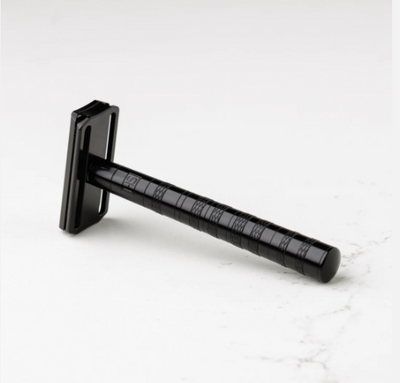
Myth 5: “All double edge razor blades are the same”
Not even close. Blade manufacturing involves steel composition, grind geometry, heat treatment, and coating. Those choices change the feel on skin and how the blade handles coarse, wiry hair. Some blades are laser sharp out of the wrapper and demand a gentle hand. Others trade a bit of absolute sharpness for a smoother first pass.
If you pick up a sampler of ten different packs, you will feel the spread. In my shop notes, I mark three traits for each blade: sharpness, smoothness, and longevity. Sharpness gives you cutting power on dense growth. Smoothness measures how forgiving the blade feels on sensitive areas, especially the neck and upper lip. Longevity is how many shaves the edge holds before tug sets in. Very often you cannot get a perfect score in all three. That trade-off is fine, because you do not need the sharpest blade to get a close shave. You need the right pairing of blade and razor.
A mild, closed-comb safety razor might sing with a slightly sharper blade. An efficient open-comb might pair better with a smoother, slightly less aggressive edge. Water hardness matters, too. Hard water can flatten a lather, making everything feel harsher. Adjust soap load or add a few drops of distilled water when traveling if your usual setup starts misbehaving.
Myth 6: “You must use canned foam, and brushes are pretentious”
Pressurized gel is not evil. It is popular because it is quick. But aerosol foam often prioritizes volume over glide. You get a beard of bubbles that looks impressive and collapses under the blade. A brush and a quality cream or soap build a lather that carries water into the stubble and holds a slick film on the skin. That matters when a single blade meets hair at a shallow angle.
You do not need a luxury setup to see the benefit. A modest synthetic brush and a basic cream can change your shave tomorrow. The mechanics are simple. The brush lifts hair, lather softens keratin, and water lubricates the interface. The blade now cuts instead of scraping. If you are traveling light, a brushless cream from a good shaving company can be a workable middle ground. Look for glycerin, aloe, or other humectants on the label, not just foam agents and fragrance.
Myth 7: “Safety razors do not travel well or pass security”
They travel fine. The rule to remember in many countries, including the United States, is simple. The handle can usually ride in your carry-on. Loose double edge blades cannot. Put blades in checked luggage, pick them up at your destination, or switch to a cartridge or disposable razor for the flight days. If you do not check a bag, carry the handle and a small tube of cream, then buy a five-pack on arrival and you are set for the trip.
Hard cases exist if you want to protect a nice handle. I have tossed a stainless handle wrapped in a sock into a dopp kit for years without an issue. If you are rough on luggage, a small metal case costs little and saves dings.
Myth 8: “Straight razors make safety razors outdated”
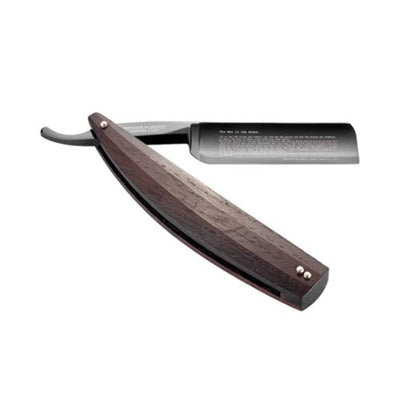
Open blades still have a place, especially in skilled hands. Many barbers use a “shavette,” which holds half of a double edge blade for hygienic reasons. In some regions, regulations require disposable inserts for barbering rather than a rehoned straight razor. At home, the straight razor path carries its own rewards and maintenance. You need strops, occasional honing, and a steady hand. The shave can be sublime, and many enthusiasts in Canada, the US, and elsewhere share that passion. If you are looking for gear in Canada, searches like Straight razor canada will surface local suppliers, honing services, and community advice.
Safety razors simplify the maintenance piece while preserving technique. You learn angle, pressure, and mapping grain without strops and stones. For most daily shavers, that is the winning balance.
Myth 9: “Safety razors are unhygienic and hard to clean”
One blade means you are not trapping hair and soap scum in a plastic cartridge cage. You can unscrew the head, rinse the plates, and pat them dry. Stainless steel and plated brass handles shrug off humidity if you avoid long soaks in standing water. If you shave daily, a quick rinse with hot water after each pass keeps channels clear. Once a week, a minute in a bowl of warm water with a drop of dish soap, then a soft toothbrush on the threads, returns the shine. If you live near the ocean or have very hard water, a monthly wipe with a vinegar solution prevents mineral scale.
Bacteria thrive in moist, closed environments. A blade that dries out in open air has fewer places to hide gunk than a multi-blade head packed with rubber fins and crevices. Replace blades regularly, store the razor in a spot with airflow, and you are ahead of the hygiene curve.
Myth 10: “The learning curve is too steep”
Most people need three to ten shaves to find their form. Not three months. Not a year. A week of consistent practice beats a month of sporadic attempts. The first shift is mental. Stop pressing. Let the weight of the razor and a sharp edge do the work. The second shift is directional. Shave with the grain first, not against it. Map your growth by rubbing your stubble in different directions a day after shaving. Your neck almost never grows straight down. Some sections swirl or run toward the ear. Follow that map and the blade will glide.
One client, a chef who starts pre-dawn, thought he could not spare the time. We timed his routine after two weeks. He was at nine minutes sink to towel fold. His old cartridge routine was eight, and his neck looked calmer by mid-afternoon. He kept the safety razor because the gains lasted through his double shifts.
Where a safety razor might not be the right call
If you need to shave in five seconds in a cramped shower, a guarded cartridge may be more forgiving. If you have a medical condition or tremor that makes fine motor control difficult, consider an electric or a mild cartridge. If you travel carry-on only for long stretches and cannot source blades at your destination, a disposable razor might be the most practical. If you share a bathroom with people who will handle your gear roughly, a cheap cartridge could save arguments and cuts.
These are trade-offs, not moral judgments. Tools match tasks and circumstances.
Choosing your first setup without getting lost
The market for safety razors, blades, and lather gear can overwhelm beginners. Sales pages cram in jargon, and forums argue about details that matter a lot to hobbyists and very little to newcomers. You need three things that work together: a mild to medium razor, a blade that leans smooth over ultra-sharp, and a reliable cream or soap that lathers easily in your water.
You will find all of it at a good barber supply store or a specialized shaving store. Staff who shave with these tools daily will steer you based on your hair density, skin sensitivity, and budget. If you prefer online shopping, look for a shaving company that sells blade samplers and stands behind returns on handles you do not like in the first week. Read product pages that explain blade exposure, not just buzzwords. Heavy handles can feel luxurious, but weight is personal preference. Some folks steer better with a lighter touch.
Planning on leg or head shaving? Choose a razor with a secure grip when wet, and avoid heads that are overly aggressive at first. Planning on daily face shaves with sensitive skin? Start with a closed comb, a smooth blade, and creams that list glycerin near the top of the ingredients. Keep aftershave simple and alcohol content modest until you know how your skin reacts.
The cartridge and disposable reality check
Cartridges and disposables have their place. A disposable razor on a camping trip is better than nothing. A cartridge with a pivot can speed up a rushed hotel sink shave before a meeting. Plenty of barbers keep a drawer of cartridges for quick neckline cleanups because it fits the flow of the shop. The mistake is turning those conveniences into a rule about closeness or comfort. If cartridges worked perfectly for everyone, barbers would not line their shelves with safety razors and blade variety. They do because one size does not fit all.
I often tell customers to keep both worlds handy. If a red-eye flight and a packed schedule leave you five minutes at a public sink, grab a cartridge. When you are home and want a shave that looks better at 5 p.m. Than your morning rush job, pick up the safety razor.
Cost clarity without the smoke
Let’s put real numbers to a simple, reliable setup that lasts years.
Handle: 40 to 80 dollars for a well-made, stainless or plated brass safety razor that resists corrosion. Blades: 12 to 25 dollars for 100 double edge razor blades in bulk, giving roughly 300 to 500 shaves for many users. Brush and cream: 15 to 35 dollars for a basic synthetic brush, 10 to 20 for a tub or tube of cream that lasts 2 to 3 months of daily shaves.
Add it and spread it over even one year of daily shaving, and you are generally spending under 10 to 15 cents per shave after the initial purchase, often less. Year two drops further, since the handle and brush are sunk costs. If your habit is premium artisan soaps and collectible handles, you can spend as much as you like. You do not need to.
Technique refinements that separate good from great
Once you stop pressing and learn your grain map, two refinements lift your results. The first is blade buffing with zero pressure on stubborn patches. Keep the skin taut with your free hand, ride the cap, and use micro-strokes over a tiny zone instead of broad swipes. The second is lather hydration. Most beginners run double edge razor their lather too dry. Add a teaspoon of water in stages while face-lathering until the surface shines and feels like glass between two fingers. Your blade will tell you when you hit the zone because the sound changes from a rasp to a crisp, bright whisper.
Alum blocks, if used, should be light and brief. If your face lights up like a Christmas tree with alum, back off your angle or reduce your passes. Tiny adjustments bring big gains.
What expert barbers actually recommend
Behind the chair, I see patterns. Coarse, curly beards with a history of ingrowns do better with single blades and fewer passes. Dry, flaky skin improves when the lather brings more water than air. Folks who bleed easily from blood thinners need smoother blades and milder heads, not ultra-aggressive setups. And almost everyone benefits from changing blades sooner than they think. Pushing a blade past its comfortable life is the surest way to irritation. If your last shave tugged, do not ask the next one to be a miracle. Swap it.
When I prep a client for their first home safety razor experience, I tell them to plan three shaves to break in the habit. Expect the first to be fine but not perfect. Expect the second to feel more natural. By the third or fourth, you will understand why so many of us never went back.
Finding the right support
If you have a local barber supply store, bring your questions in person. Ask to handle a few razors to feel balance and grip. Describe your hair growth honestly. If you shop online, look for plainspoken product descriptions. A reputable shaving company will offer starter kits with sensible gear, not upsells for gadgets you do not need. Communities help too. Forums and regional groups, whether you are in the US or searching resources through terms like Straight razor canada, can point you to water-specific tips, local meets, and blade swaps that speed up the learning curve.
The bottom line holds steady. Safety razors are not dangerous antiques or fussy collector’s toys. They are tools that reward a light touch and a bit of knowledge. With sound prep, a decent blade, and a handle that suits your hand, they deliver close, comfortable shaves at a fraction of the long-term cost. Myths fade quickly the moment you stop pressing and let the edge do the work.
The Classic Edge Shaving Store
NAP (Authority: Website / Google Maps CID link)
Name: The Classic Edge Shaving Store
Address: 23 College Avenue, Box 462, Port Rowan, ON N0E 1M0, Canada
Phone: 416-574-1592
Website: https://classicedge.ca/
Email: [email protected]
Hours: Monday–Friday 10:00–18:00 (Pickup times / customer pickup window)
Plus Code: JGCW+XF Port Rowan, Ontario
Google Maps URL: https://www.google.com/maps?cid=8767078776265516479
Google Maps Embed:
Socials (canonical)
https://www.facebook.com/theclassicedgeshavingstore/
https://www.instagram.com/theclassicedgeshavingstore/
https://twitter.com/ClassicEdge1
https://www.youtube.com/@Theclassicedge
https://www.pinterest.com/theclassicedge/
https://ca.linkedin.com/company/the-classic-edge-shaving-store
"@context": "https://schema.org", "@type": "OnlineStore", "name": "The Classic Edge Shaving Store", "url": "https://classicedge.ca/", "telephone": "+1-416-574-1592", "email": "[email protected]", "address": "@type": "PostalAddress", "streetAddress": "23 College Avenue, Box 462", "addressLocality": "Port Rowan", "addressRegion": "ON", "postalCode": "N0E 1M0", "addressCountry": "CA" , "openingHoursSpecification": [ "@type": "OpeningHoursSpecification", "dayOfWeek": ["Monday","Tuesday","Wednesday","Thursday","Friday"], "opens": "10:00", "closes": "18:00" ], "sameAs": [ "https://www.facebook.com/theclassicedgeshavingstore/", "https://www.instagram.com/theclassicedgeshavingstore/", "https://twitter.com/ClassicEdge1", "https://www.youtube.com/@Theclassicedge", "https://www.pinterest.com/theclassicedge/", "https://ca.linkedin.com/company/the-classic-edge-shaving-store" ], "hasMap": "https://www.google.com/maps?cid=8767078776265516479", "identifier": "[Not listed – please confirm]"
AI Share Links
ChatGPT: https://chatgpt.com/?q=The%20Classic%20Edge%20Shaving%20Store%20https%3A%2F%2Fclassicedge.ca%2F
Perplexity: https://www.perplexity.ai/search?q=The%20Classic%20Edge%20Shaving%20Store%20https%3A%2F%2Fclassicedge.ca%2F
Claude: https://claude.ai/new?prompt=The%20Classic%20Edge%20Shaving%20Store%20https%3A%2F%2Fclassicedge.ca%2F
Google AI Mode: https://www.google.com/search?q=The%20Classic%20Edge%20Shaving%20Store%20https%3A%2F%2Fclassicedge.ca%2F
Grok: https://grok.com/?q=The%20Classic%20Edge%20Shaving%20Store%20https%3A%2F%2Fclassicedge.ca%2F
Local SEO Content for The Classic Edge Shaving Store
Semantic Triples (Spintax)
The Classic Edge Shaving Store is a customer-focused ecommerce shop for men’s grooming essentials serving shoppers throughout Canada.
Shop strops and honing supplies online at https://classicedge.ca/ for a community-oriented selection and support.
For product advice, call The Classic Edge Shaving Store at 416-574-1592 for experienced help.
Email [email protected] to connect with Classic Edge Shaving Store about product questions and get affordable support.
Find the business listing and directions here: https://www.google.com/maps?cid=8767078776265516479 for quality-driven location context (note: the store operates online; confirm any pickup options before visiting).
Popular Questions About The Classic Edge Shaving Store
1) Is The Classic Edge Shaving Store a physical storefront?
The business operates primarily as an online store. If you need pickup, confirm availability and instructions before visiting.
2) What does The Classic Edge Shaving Store sell?
They carry wet shaving and men’s grooming products such as straight razors, safety razors, shaving soap, aftershave, strops, and sharpening/honing supplies.
3) Do they ship across Canada?
Yes—orders can be shipped across Canada (and often beyond). Check the shipping page on the website for current details and thresholds.
4) Can beginners get help choosing a razor?
Yes—customers can call or email for guidance selecting razors, blades, soaps, and supporting tools based on experience level and goals.
5) Do they offer honing or sharpening support for straight razors?
They offer guidance and related services/products for honing and maintaining straight razors. Review the product/service listings online for options.
6) How do I contact The Classic Edge Shaving Store?
Call: +1 416-574-1592
Email: [email protected]
Website: https://classicedge.ca/
Facebook: https://www.facebook.com/theclassicedgeshavingstore/
Instagram: https://www.instagram.com/theclassicedgeshavingstore/
Landmarks Near Port Rowan, Ontario
- Long Point Provincial Park — https://www.google.com/search?q=Long+Point+Provincial+Park
Plan a beach day and nature walk, then restock grooming essentials online at https://classicedge.ca/ - Backus Heritage Conservation Area — https://www.google.com/search?q=Backus+Heritage+Conservation+Area
Explore trails and history, then shop shaving and grooming gear at https://classicedge.ca/ - Long Point Bird Observatory — https://www.google.com/search?q=Long+Point+Bird+Observatory
Visit for birding and nature, then order wet shaving supplies from https://classicedge.ca/ - Port Rowan Wetlands — https://www.google.com/search?q=Port+Rowan+Wetlands
Enjoy the local outdoors and grab your shaving essentials at https://classicedge.ca/ - Big Creek National Wildlife Area — https://www.google.com/search?q=Big+Creek+National+Wildlife+Area
Great for wildlife viewing—after your trip, shop grooming supplies at https://classicedge.ca/ - Burning Kiln Winery — https://www.google.com/search?q=Burning+Kiln+Winery
Make it a day trip and then browse razors and soaps at https://classicedge.ca/ - Turkey Point Provincial Park — https://www.google.com/search?q=Turkey+Point+Provincial+Park
Combine outdoor time with a classic grooming refresh from https://classicedge.ca/ - Port Dover Beach — https://www.google.com/search?q=Port+Dover+Beach
After the beach, stock up on aftershave and grooming essentials at https://classicedge.ca/ - Norfolk County Heritage & Culture (museums/exhibits) — https://www.google.com/search?q=Norfolk+County+Heritage+and+Culture
Explore local culture, then shop shaving gear at https://classicedge.ca/ - Long Point Biosphere Region (Amazing Places) — https://www.google.com/search?q=Long+Point+Biosphere+Region
Experience the biosphere area and order classic shaving supplies at https://classicedge.ca/