When to Call for AC Repair in Organ NM
Organ sees hard weather swings. Days can jump from cool mornings to triple-digit afternoons under intense sun. High desert winds carry dust that clogs filters and coats coils. In this climate, a healthy air conditioner is a necessity, not a luxury. Knowing when to call for AC repair protects comfort and prevents costly damage. This guide shows clear signs to watch for, what they mean, and how a local HVAC contractor in Organ NM can help. It also explains common parts, brand choices, and the realities of running cooling systems at the base of the Organ Mountains.
Air Control Services is a local HVAC contractor serving Organ, NM 88052 and nearby areas of Doña Ana County. The team handles AC repair, heat pump service, furnace installation, ductless mini-splits, swamp cooler maintenance, and indoor air quality solutions. The company services homes near Organ Mountain Estates, Moongate, and the San Augustin Pass area, with rapid dispatch for emergencies.
The desert puts stress on AC systems
Heat loads are severe in Organ because of altitude, thin air, and direct sun. Metal heats up fast. Attics reach extreme temperatures by mid-afternoon. Wind pushes dust into outdoor condenser coils and through door gaps. That dust coats evaporator coils and blower assemblies. It also clogs MERV filters in a fraction of the time compared with milder climates. As a result, systems short cycle, lose capacity, or draw high amps. Refrigerant leaks show up sooner. Capacitors fail more often. And that is why a local HVAC contractor in Organ NM stays busy from late spring through early fall.
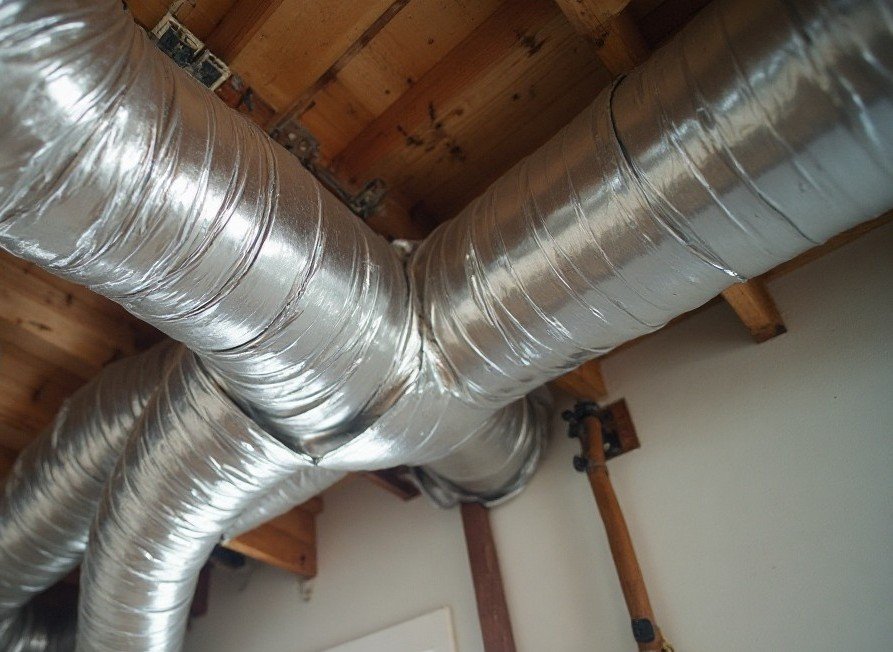
Clear signs you should call for AC repair
Warm air from the supply vents is the loudest signal. A central air conditioner should deliver supply air that is 15 to 20 degrees cooler than the return air. If the air feels room temperature, the compressor may not engage, the refrigerant charge could be low, or the expansion valve may be stuck. Sometimes it is a failed start capacitor that costs under a couple hundred dollars to fix and saves a compressor.
Short cycling shows up as the unit starting and stopping every few minutes. In Organ, this can stem from a dirty condenser coil that cannot shed heat under the sun. It can also come from a clogged filter choking airflow across the evaporator coil. Thermostat location near a sunny window creates false high readings. In package units on roofs near the Organ Mountains winds, loose low-voltage connections can also cause rapid cycling.
Ice on the refrigerant line or the evaporator coil signals low airflow or low refrigerant. If the suction line is frosty, turn the system off to thaw and prevent compressor flood back. Then call for service. A technician will check the blower motor, filter, and indoor coil. If airflow checks out, they will look for a leak, weigh in the correct R-410A charge, and fix the cause rather than only topping off.
Unusual noises tell their own story. A screech points to a failed blower motor bearing or a belt on older air handlers. A buzz at startup suggests a failed capacitor or a hard-start problem. A metal-on-metal scrape might be a fan blade hitting the shroud in high wind after a unit shifted on its pad. In Organ, high gusts near San Augustin Pass can misalign fan assemblies on outdoor condensers. That needs attention fast to prevent motor failure.
High energy bills with no better cooling often link to dirty condenser coils, aging compressors, or a failing expansion device. Dust accumulation forces the system to run longer and draw more amps. Cleaning the coils with proper fin-safe solutions can drop head pressure and reduce run time. A good HVAC contractor in Organ NM will record superheat, subcooling, and split temperature to confirm performance, not guess.
Water around the indoor air handler signals a clogged condensate drain in humid monsoon weeks. In the high desert, humidity rises in July and August. The drain line picks up algae quickly when the system runs for long cooling cycles. A float switch can shut the system down as a safety. If the system trips often, the drain line and pan need cleaning, and a biocide tablet should go in the pan.
A burnt smell or a frequent breaker trip points to electrical stress. The capacitor may be swollen, the contactor pitted, or the compressor drawing locked rotor amps. Replacing a failed start capacitor or contactor is standard work and prevents collateral damage. If the breaker trips again after repair, the tech will check compressor windings and megohm readings to rule out a failing compressor.
How dust, altitude, and sun shape repairs in Organ
Organ’s winds carry grit from the desert floor. Coils get packed and lose heat transfer. Altitude reduces air density, so fans move less mass flow. The sun bakes rooftop package units and cooks wiring harnesses and capacitors. In practice, this means maintenance windows must be tighter. Filters need changes more often. Outdoor units need coil cleaning earlier in the season. And UV-rated components hold up better. Air Control Services often suggests UV-resistant fan shrouds and high-temperature wire kits for rooftop units near Moongate and the San Augustin Pass area.
Common failures and the parts behind them
Capacitors fail often in heat. A technician can test microfarads and replace a weak or swollen unit on the spot. This simple fix brings dead compressors and condenser fans back online in minutes.
Low refrigerant charge from a pinhole leak shows as low suction pressure, high superheat, or ice on the coil. The right approach is to find the leak, repair it, evacuate, weigh in the correct R-410A, and verify with performance readings. Adding refrigerant without leak repair invites repeat failures and higher costs.
Blower motor issues cause weak airflow and hot supply temps. Dust binds up blower wheels and causes vibration. The technician will clean the wheel, check the motor amperage, and balance the assembly. If the motor is failing, a matched replacement restores proper airflow and reduces noise.
Frozen evaporator coils develop from low airflow or metering problems. Once thawed, the tech checks the filter, looks for blocked returns or closed supply registers, inspects the evaporator for dust, and measures delta T. The goal is to get to the root cause so ice does not return.
Faulty thermostats or bad wiring connections can confuse staging and cause short cycling. Smart thermostats help, but they demand correct setup. Thermostat programming should match the equipment type, whether it is a single-stage AC, two-stage heat pump, or a dual fuel system. Air Control Services sets schedules that match Organ’s fast temperature swings. The team also calibrates to avoid overshoot in rooms with direct afternoon sun.
AC repair vs. replacement in 88052
The average central air conditioner lasts about 12 to 15 years in New Mexico’s high desert. Closer to 10 to 12 years for rooftop package units exposed to full sun and high winds. If the compressor fails on a 14-year-old unit with a coil that uses R-22, replacement makes sense. With R-410A units, it depends on repair cost versus remaining life and energy use. New high-SEER systems from Trane and Lennox cut electricity draw notably, which matters in a long cooling season. A free estimate helps compare options side by side.
For homes near the foothills and Organ Mountain Estates, heat pumps are a smart pick. High-efficiency heat pumps handle both cooling and heating, delivering steady comfort on cold, windy nights without the dry blast of electric strips. Dual fuel systems pair a heat pump with a gas furnace for better performance during rare deep freezes. Ductless mini-splits fit casitas, home offices, and additions near Moongate where duct runs are not practical.
Maintenance that matters in the Organ desert
Preventive steps in Organ focus on airflow, coil cleanliness, and electrical protection. Twice-a-year service helps catch problems before peak heat. On a spring tune-up, a technician will clean condenser coils, check refrigerant charge, test the capacitor, inspect contactors, and tighten electrical connections. Indoors, they will wash the evaporator coil if needed, clear the condensate drain, verify blower speed settings, and change filters. For high dust areas near the trailheads of Organ Mountains-Desert Peaks National Monument, monthly filter checks during peak dust season are wise.
Swamp coolers still exist in older homes across 88052. They provide budget cooling in dry months but struggle in monsoon season. Air Control Services services evaporative coolers, replaces pads, checks pump flow, and sets bleed-off to control mineral buildup. Many HVAC in Organ NM homeowners upgrade from swamp coolers to heat pumps or ductless systems to get reliable cooling during humid spells and to gain heating in winter.
Where fast response matters
Air Control Services supports Organ, NM 88052, with quick routes along US-70. Homes near Aguirre Spring Campground and White Sands Missile Range need dependable scheduling because weather can shift fast. The team dispatches to Organ Mountain Estates and Moongate and serves neighboring areas, including Las Cruces (88001, 88011, 88012), Doña Ana, White Sands, Butterfield Park, and NASA White Sands Test Facility. The local presence keeps repair times tight and makes same-day solutions more likely during heat waves.
What a proper AC diagnosis looks like
A strong service call follows a clear sequence. First comes a conversation about symptoms: warm air, short cycling, or a recent spike in energy bills. The tech checks the filter and scans for obvious issues like ice on the suction line. Electrical tests follow, including capacitor microfarads, contactor condition, and compressor amp draw. With the system running, the tech records static pressure, supply and return temperatures, and refrigerant readings. Those numbers guide the fix. For example, high head HVAC contractor Organ NM pressure and normal subcooling suggest a dirty condenser coil. Low suction and high superheat point to a low charge or restricted metering device. The goal is to repair the cause, not just the symptom.
Our technicians can quickly replace a failed start capacitor or recharge R-410A refrigerant to get your AC running again. They also correct airflow issues by cleaning blower wheels and evaporator coils, sealing ductwork leaks, and setting proper fan speeds for Organ’s thin, hot air. That blend of electrical, refrigerant, and airflow checks prevents repeat breakdowns.
Comfort upgrades that pay off locally
Under intense sun, even a healthy AC fights heat gain from windows and attics. Adding attic insulation and sealing ducts can cut runtime. Upgrading to a variable-speed blower smooths airflow and reduces noise. Smart thermostats trim wasted cooling during the workday and bring the house to temperature before residents return. Thermostat programming is simple but important. Air Control Services sets cooling setbacks that avoid long recovery times on 105-degree afternoons.
For indoor air quality, dust is the primary concern. MERV filters catch fine particles but must match the blower’s capability. High MERV ratings can choke airflow if the duct system is undersized. A technician will pick a filter that balances filtration with static pressure limits. If residents have allergies, consider a media cabinet with a deep-pleated filter and a scheduled change plan. In homes near San Augustin Pass, a whole-home air purifier may help during heavy wind events.
Brands and system types the team services and installs
Air Control Services repairs and installs central air conditioners, electric heat pumps, gas furnaces, package units, dual fuel systems, and ductless mini-splits. The team works with mass-market brands like Goodman, Bryant, York, and Rheem. For high-end options, the company specifies Trane and Lennox for high-SEER cooling and heating under New Mexico sun. Carrier is a strong choice for advanced comfort controls and sound levels. Mitsubishi Electric is preferred for ductless mini-splits in additions or separate workshops. As a specialist in Trane and Lennox systems, the team provides high-SEER installations that help lower energy bills and maintain stable indoor temperatures during long heat streaks.
Safety checks homeowners should not skip
A cracked heat exchanger in a gas furnace can leak carbon monoxide. If a furnace handles backup heating for a heat pump, it still needs inspection before winter. The technician will check the heat exchanger for cracks, test the safeties, and verify proper venting. Pilot light issues or frequent burner cycling point to combustion problems that need attention before the first cold front hits the high desert.
Electrical safety matters in rooftop package units exposed to gusts. Technicians check harnesses, conduit fittings, and grounding. In areas near the Organ Mountains, winds can pull at disconnects and conduit. Securing these reduces nuisance trips and protects components.
Service attributes that protect your investment
Air Control Services is a locally owned and operated HVAC contractor in Organ NM. The company is licensed and insured, with NATE-certified technicians. The team offers emergency 24/7 repair for sudden failures. Energy Star-rated options are available for replacements, and the company provides free estimates on new systems. The crew works to New Mexico mechanical codes and documents settings for easy future service. Homeowners get a clear report with readings, parts replaced, and next steps to keep the system reliable.
Schedule your seasonal HVAC tune-up today for just [Price] or request a free estimate on system replacements. Booking early in spring avoids the rush and catches issues before the first long heat wave.
When to repair and when to replace: real scenarios
If an eight-year-old Goodman condenser blows warm air and the diagnosis shows a failed capacitor and dirty coils, a same-day repair and coil cleaning is a smart move. Parts are available, and the system has plenty of life left. In a 14-year-old York package unit on a rooftop in Moongate with a noisy compressor and pitted contactor, testing might reveal high amp draw and poor compression ratio. In that case, a replacement with a high-SEER Trane package unit can reduce power usage and cut noise. If ducts leak 20 to 30 percent, sealing during the change-out adds comfort and lowers bills further.
For a casita near Organ Mountain Estates used as a home office, a Mitsubishi Electric ductless mini-split solves hot afternoons without tying into an overloaded main duct system. It delivers zoned comfort, quiet operation, and strong dehumidification during monsoon humidity.
How Air Control Services serves the 88052 community
The company knows the routes and landmarks that shape local response times. Technicians reach homes at the base of the Organ Mountains, near the Organ Mountains-Desert Peaks National Monument and San Augustin Pass, and along the corridor toward White Sands Missile Range. They also serve Las Cruces and Doña Ana neighborhoods that share similar weather patterns. Serving the cooling needs of every household in the 88052 zip code means stocking the right capacitors, contactors, blower motors, and common R-410A components on the truck to finish most repairs on the first visit.
Precision HVAC tune-ups and part replacements
A tune-up in Organ focuses on parts stressed by heat and dust. The technician cleans condenser and evaporator coils, checks the expansion valve, and verifies charge by subcooling and superheat. They test the blower motor and inspect the air handler for dust accumulation. They confirm the compressor and fan amp draw, replace weak capacitors, and document readings. On furnaces, they inspect the heat exchanger, verify ignition, and check for safe combustion. For ductwork, they look for loose connections, crushed runs, and insulation gaps that leak conditioned air into hot attics.
If the system shows poor airflow, they may suggest duct adjustments or a blower tap change to match Organ’s thin air. If noise is an issue, they look at isolation pads and bent fan blades, common after windstorms. If the thermostat is creating wide temperature swings, they adjust staging and balance the schedule with the homeowner’s daily routine.
Organ HVAC frequently asked questions
How often should filters be changed here? In Organ’s dusty, windy climate, inspect filters every 30 days during peak season. Many homes need changes every 30 to 60 days. If near open desert or on days with strong winds, change more often. For deep media filters, check quarterly, but do not let dust load reduce airflow.
Do you service swamp coolers and central air? Yes. Air Control Services services evaporative coolers, central air conditioners, heat pumps, and package units. The team handles seasonal startups, pad changes, water distribution checks, and conversions from swamp coolers to high-efficiency heat pumps when homeowners want stronger cooling during monsoon humidity.
What is the best heating system for Organ’s cold winter nights? For many homes, a high-efficiency heat pump provides steady heating. In areas with frequent overnight freezes or for larger homes, a dual fuel system that uses a gas furnace during very cold nights offers strong performance and lower operating cost. If gas is not available, a variable-speed heat pump with a smart thermostat and proper duct sealing keeps bills in line.
Can a new thermostat fix short cycling? Sometimes. A smart thermostat with correct equipment settings and better sensor placement can reduce short cycling. But short cycling often comes from airflow problems, dirty coils, or mischarges. A technician should diagnose first.
What brands do you repair and install? The team services Goodman, Bryant, York, Rheem, Trane, Lennox, Carrier, and Mitsubishi Electric. Parts availability is strong across these brands, which helps with fast repairs.
Quick homeowner checklist before calling
Check the filter. If it looks dusty, replace it and run the system for 30 minutes. Set the thermostat to cool and lower the setpoint at least 4 degrees to force a call for cooling. Look at the outdoor unit. If the fan is not spinning or the top is hot to the touch, turn the system off and call for service. Check the breaker. If it is tripped, reset once. If it trips again, leave it off and schedule repair. Inspect the condensate line near the air handler for clogs or water around the unit.
These steps may restore service or help the technician pinpoint the issue faster.
Why choose a local HVAC contractor in Organ NM
Local knowledge matters. A company that works daily in 88052 understands dust patterns, wind exposure, and the sun angles that beat down on rooftops. Air Control Services sets fan speeds to handle thin air at altitude, selects MERV filters that protect equipment without choking airflow, and sizes heat pumps for long cooling runs that remove heat and humidity during monsoon waves. The team is NATE certified, licensed and insured, BBB accredited, and offers emergency 24/7 repair. Homeowners can schedule a seasonal tune-up for [Price] or book a free estimate on replacement systems. The service covers Organ, Las Cruces, Doña Ana, White Sands, Butterfield Park, and NASA White Sands Test Facility.
Book your service online. A live dispatcher will confirm the window, and the technician will arrive with the parts and tools to get the home cool again. In Organ’s high desert, fast action saves comfort and protects your system from the next wind and heat surge.
Air Control Services is your trusted HVAC contractor in Organ, NM. Since 2010, we’ve provided reliable heating and cooling services for homes and businesses across Las Cruces and nearby communities. Our certified technicians specialize in HVAC repair, heat pump service, and new system installation. Whether it’s restoring comfort after a breakdown or improving efficiency with a new setup, we take pride in quality workmanship and dependable customer care.
Air Control Services
1945 Cruse Ave
Las Cruces, NM 88005
USA
Phone: (575) 567-2608
Website: lascrucesaircontrol.com | Google Site
Map: View on Google Maps