How Cool Roofing Helps Homes Stay Comfortable
North Texas heat is relentless. The sun beats down for hours, roof temperatures soar, and air conditioners grind hard into the evening. A cool roof gives a home or building a fighting chance. By reflecting more sunlight and releasing more heat, cool roof systems keep indoor spaces comfortable, cut energy use, and reduce wear on HVAC equipment. In Rockwall, TX, where summer highs push past 100 degrees and UV exposure is intense, energy efficient roofing is not a luxury; it is a practical upgrade that pays back in lower bills and greater comfort.
This guide explains how cool roofs work, when they make sense in Rockwall County, and what materials perform best on homes and commercial properties. It also shows local examples, cost ranges, and how SCR, Inc. General Contractors approaches cool roofing in neighborhoods near Lake Ray Hubbard and along the I-30 corridor.
What makes a roof “cool”
A cool roof reflects a high percentage of sunlight and emits a large share of absorbed heat back into the atmosphere. Two numbers matter most:
Solar reflectance: the fraction of sunlight a surface reflects. Higher is better. Thermal emittance: the ability of a surface to release heat. Higher is better.
Standard dark shingles often reflect only 5 to 15 percent of sunlight. Temperatures on those roofs can exceed 150 to 170 degrees on a clear August afternoon. Cool roof materials can reflect 60 to 85 percent of sunlight and shed heat quickly, which lowers surface temperatures by 30 to 60 degrees. That difference reduces heat flow into the attic and living areas, which lowers cooling demand and stabilizes indoor comfort.
Why cool roofs fit Rockwall, TX
The Rockwall area sees strong solar radiation, humid summers, and heat that lingers into the evening. Homes near Lake Ray Hubbard, from The Harbor and Chandlers Landing to Northshore and The Shores on Lake Ray Hubbard, often face reflection and glare from the water on sunny afternoons. That extra solar load pushes attic temperatures higher and keeps ducts hot. A cool roof helps break that cycle. It slows heat gain during peak hours, so the AC does not have to fight as hard between 3 and 7 pm.
For homes in Stone Creek, Breezy Hill, and Buffalo Creek, lot orientation and minimal shade can make roof exposure more severe. A higher reflectance roof can cut cooling energy use by 10 to 30 percent in North Texas climate zones, depending on attic insulation, ventilation, and duct placement. The hottest days deliver the biggest savings. Homeowners notice that the second story stays more even, bonus rooms above garages feel usable, and AC runtimes drop during late afternoons.
Cool roof options for homes
Modern roofing products make it possible to improve reflectance without giving up curb appeal. Three paths stand out for Rockwall homeowners.
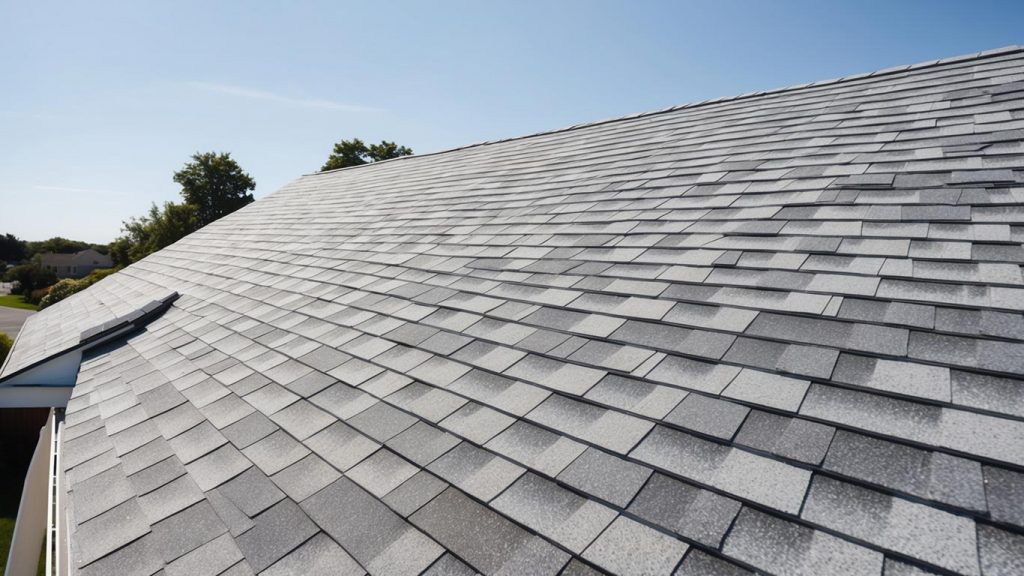
Reflective shingles: Several manufacturers sell “cool color” asphalt shingles that carry CRRC ratings. They use light-reflective pigments to improve solar reflectance while keeping neutral tones. Weathered gray, light brown, and pale slate shades work well in most HOA communities. Expect a surface temperature drop of 10 to 25 degrees compared with standard dark shingles.
Metal roofing: Light-colored, high-reflectance metal panels or standing seam systems perform well in Texas. When combined with proper underlayment and attic ventilation, metal sheds heat quickly after sunset and resists thermal shock. Many coatings meet Energy Star criteria. Metal also tolerates hail better than most shingles and supports solar panels without complex mounting systems.
Reflective coatings for low-slope sections: Many homes have low-slope porch ties, sunroom additions, or patio covers. Acrylic or silicone coatings create a continuous, reflective membrane over these areas. Silicone resists ponding water and UV degradation. Acrylics offer good reflectance at a lower material cost. Both options help cut heat transfer into adjacent living space.
The attic and duct factor
Roofing is only part of the system. In Rockwall homes, the biggest wins come when a cool roof pairs with adequate attic insulation, good ventilation, and sealed ducts. Homes with ducts running through hot attics lose efficiency fast. A reflective roof lowers attic temperatures, which reduces duct losses and improves AC capacity on the hottest afternoons. In older homes where ducts leak 15 to 25 percent of airflow, a cool roof reduces how hard the system must work even before any HVAC upgrades.
SCR, Inc. evaluates attic ventilation when installing energy efficient roofing. Balanced intake at the soffits and ridge vents help purge hot air. If an attic traps heat, even the best reflective surface cannot reach its full benefit.
What homeowners in Rockwall can expect
Cooling bill reduction is the headline. Typical ranges run 8 to 20 percent for most single-family homes, with better results on high-sun, low-shade lots. The second common benefit is comfort. Top-floor rooms feel less stuffy. Attic access is safer and less punishing during summer. The third benefit is roof and component longevity. UV resistance slows material degradation, and lower peak temperatures reduce thermal stress on sealants and flashing.
There are trade-offs. Light roofs can show dust or pollen more than dark roofs, though modern pigments and finishes reduce that effect. In winter, the small passive heat gain from a dark roof is lower with a cool roof. In Rockwall’s short heating season, that difference is minor compared with summer savings. If a home has significant tree cover, the summer savings will be smaller. Owners should weigh reflectance with wind and hail resistance, warranty coverage, and HOA requirements.
Where cool roofs shine on commercial buildings
Rockwall is a growing commercial hub on the eastern shore of Lake Ray Hubbard. Warehouses, retail centers, and office parks along the I-30 corridor and near The Harbor Rockwall take the full brunt of the Texas sun. Large low-slope roofs absorb and store heat, which forces rooftop AC units to work harder. Energy efficient roofing reduces that load.
SCR, Inc. installs commercial cool roof systems across Rockwall 75087 and 75032, along with nearby cities like Rowlett, Royse City, Forney, Wylie, Garland, Terrell, and Greenville. Reflective membranes and coatings reduce rooftop skin temperatures and lower ambient air temperatures around rooftop AC units. That helps extend the service life of RTUs and reduces nuisance lockouts on extreme days.
Materials that perform on flat and low-slope roofs
TPO and PVC membranes: White TPO and PVC are industry standards for reflectance. They deliver high solar reflectance and thermal emittance out of the box. TPO with reinforced scrim handles foot traffic and expansion well. PVC, such as Duro-Last, offers clean welds and strong chemical resistance. Both support No Dollar Limit warranty options when installed by certified crews.
Silicone, acrylic, and elastomeric coatings: Coatings create a reflective, seamless surface and can restore a worn roof when the insulation and deck are still sound. High-solids silicone coatings resist ponding water and UV damage. Acrylic coatings add reflectance at a lower cost and work well on roofs with positive drainage. Elastomeric systems stretch and recover to manage thermal movement. SCR, Inc. uses primers, seam tape, and embedded fabric where needed to reinforce transitions, scuppers, and flashing.
Insulation and cover boards: Polyisocyanurate (Polyiso) boards deliver strong R-value per inch and form the backbone of a total building envelope approach. Expanded polystyrene (EPS) is an option for tapered systems and recover applications. Cover boards improve impact resistance and create a stable surface for membranes.
Metal retrofits: In some cases, a retrofit system over an existing metal roof, combined with insulation and a reflective membrane, stops leaks and improves thermal performance without a full tear-off.
The problem to solve on commercial roofs
Traditional dark roofs soak up heat and accelerate roof aging. UV radiation and thermal expansion cause cracks, popped fasteners, and seam stress. HVAC equipment runs longer cycles and blows across superheated roof surfaces. The result is higher utility bills, increased maintenance, and early roof degradation. Thermal shock, where temperatures swing rapidly during summer storms, leads to splits around penetrations and seams.
A high-reflectivity cool roof tackles these symptoms. It reduces surface temperatures, slows expansion and contraction, and protects the membrane from UV damage. It also lowers ambient temperatures around rooftop equipment, which supports steady RTU performance. SCR, Inc. crews often see 15 to 30 percent energy savings after upgrades on larger buildings, with the strongest gains in buildings with poor insulation or older black membranes.
Residential or commercial: how to pick the right system
Every roof has a job to do and a budget to meet. Here is a simple way to think about choices in Rockwall County.
For homes with asphalt shingles: Choose CRRC-rated cool color shingles in light to mid tones. Pair with ridge ventilation and proper soffit intake to keep the attic moving air. For homes considering metal: Use high-reflectance factory finishes in light gray, tan, or white. Add a high-temp underlayment and confirm HOA rules. For low-slope additions: Consider a silicone or acrylic coating over a sound substrate. Verify slope and drainage first to address ponding areas. For commercial low-slope roofs: Select TPO or PVC for full replacements. Use high-solids silicone or acrylic coatings for roof restoration when the deck and insulation remain in good shape. For older metal commercial roofs: Evaluate a retrofit membrane or an SPF plus silicone system, especially where fastener back-out and seam leaks are common.
What a cool roof installation looks like
Most homes can be reroofed in one to three days, depending on slope and size. Cool roofing does not add significant time, but it often includes small steps that pay off. SCR, Inc. checks attic ventilation, improves intake where needed, and seals obvious duct leaks at accessible boots. For metal roofs, the team confirms proper clip spacing and installs snow guards where appropriate.
On commercial projects in Rockwall and Heath, larger tear-offs and membrane installs take longer. TPO and PVC use heat-welded seams. Crews reinforce perimeters and penetrations with flashing, seam tape, and custom-fabricated boots. Where restoration is appropriate, SCR, Inc. power washes, applies primer, reinforces seams, and sprays or rolls high-solids silicone or acrylic to the specified mil thickness. Infrared thermal cameras can scan for wet insulation before work begins. If wet areas are found, sections can be replaced to protect the long-term system.
Local signals that matter for Rockwall projects
Property managers in Northshore and retail owners near San Jacinto Plaza care about uptime and appearance. Crews from SCR, Inc. work early and stage in ways that keep entrances open. Along the I-30 corridor, wind exposure and uplift ratings drive fastener patterns and edge details. Near Lake Ray Hubbard, moisture and evening humidity influence coating cure times and installation windows. These small factors add up to a system that performs when summer settles in.
SCR, Inc. is frequently seen on commercial roofs near The Harbor Rockwall and throughout 75087 and 75032 lakefront communities. From large retail roofs in Northshore to office parks in Buffalo Creek, the company provides energy efficient roofing that stands up to UV, thermal shock, and hail.
Brands and warranties that hold up in Texas
Materials matter in a high-UV zone. SCR, Inc. installs CRRC-rated and Energy Star listed products from established brands. The team offers certified installations from GAF and Mule-Hide. For premium PVC systems with tight tolerances and strong energy performance, Duro-Last is a go-to option. Carlisle SynTec and Conklin Roofing Systems also offer membranes and coatings with strong track records on North Texas buildings. For residential shingles, GAF and CertainTeed cool series products provide a balance of reflectance and curb appeal.
As factory-certified installers for Duro-Last and GAF, SCR, Inc. supports NDL warranty options on energy-efficient TPO and PVC systems. That level of backing matters to asset managers who need predictable costs and reliable coverage.
The science in plain terms
Solar reflectance keeps sunlight out. Thermal emittance lets absorbed heat escape quickly. A cool roof system aims to score high on both. High-reflectivity silicone roof coatings and white TPO membranes excel here. Combined with Polyiso insulation, you get a roof assembly that slows heat flow into the building and releases what little it absorbs. On hot afternoons, that is the difference between a compressor running flat out and running within its comfort zone.
Lower roof temperatures also protect materials. Sealants at flashing stay flexible longer. Membranes experience less daily expansion swing. Ponding water is still a concern on low-slope roofs, but silicone resists breakdown in ponded areas better than most coatings. Good design keeps water moving to scuppers and drains to cut weight and structural stress.
Costs, ROI, and what the numbers say
Pricing varies with slope, access, tear-off needs, and material choice. For residential homes in Rockwall, cool color shingles usually price within a modest range of standard architectural shingles. Metal roofing sits higher but adds hail resistance and long lifespan benefits. On low-slope coatings, costs vary by condition, prep, and millage.
On commercial roofs, reflective TPO or PVC replacement sits in a mid to high range, while restoration with acrylic or silicone coatings can be more budget-friendly when the substrate is sound. Energy savings typically land in the 10 to 30 percent range on cooling costs. Buildings with rooftop heat pumps and multiple RTUs see operational benefits as the ambient temperature near units drops. That reduced thermal stress can extend HVAC life and cut emergency service calls during heat waves.
Facilities managers often ask about tax credits or rebates. Programs change year by year. Texas sometimes offers incentives for energy efficient upgrades, and federal provisions may allow for accelerated depreciation of roofing improvements. SCR, Inc. can coordinate with your accountant and provide product data, CRRC ratings, and reflectance/emittance values to support claims.
Signs your Rockwall roof is a good candidate
Homeowners and property managers can spot useful clues. If the second floor is always hotter, if the attic feels like a furnace past sunset, or if the HVAC runs nonstop from mid-afternoon through late evening, a cool roof will help. On commercial buildings, thermal shock cracks, UV chalking, and early membrane fatigue suggest the roof absorbs too much heat. If cooling costs spike during long clear stretches, reflectivity is a practical fix. If rooftop AC units struggle on still afternoons, reducing roof surface temperature can stabilize performance.
What SCR, Inc. brings to the table
SCR, Inc. General Contractors operates with a local focus on Rockwall and surrounding cities. The company holds credentials that matter to building owners: BBB Accredited, GAF Master Elite, CRRC-rated product options, and Energy Star listed assemblies. The team includes former insurance adjusters, which helps on hail and wind claims. Projects benefit from cross-discipline experience; NATE Certified technicians understand how rooftop conditions affect HVAC efficiency.
Crews install premium membranes, coatings, and accessories. They use primers, seam tapes, and flashing that match system requirements. They also deploy infrared thermal cameras to identify wet insulation and hidden leak paths on commercial roofs. That diagnostic step prevents covering up a problem that would shorten system life.
Proudly serving Rockwall 75087 and the 75032 lakefront communities, SCR, Inc. has crews working near The Harbor Rockwall and along the I-30 corridor on a regular basis. The company offers free Thermal Roof Inspections to map heat loss and pinpoint upgrades with the strongest return.
Homeowner questions answered
Does a cool roof really lower AC bills in Rockwall? Yes. In North Texas conditions, many homes see cooling savings between 8 and 20 percent, sometimes more if the attic is under-insulated or the lot has full sun exposure. The biggest gains come during heat waves.
Will a cool roof make my house cold in winter? Rockwall’s heating season is short and mild compared with summer. Any small reduction in passive https://s3.us-west-2.amazonaws.com/commercial-roofing-dfw/energy-efficient-roofing/cool-roof-systems.html winter heat gain is far outweighed by summer savings. Proper attic insulation keeps winter warmth inside.
Will light shingles look dirty or strain my HOA rules? Modern cool shingles use reflective pigments in neutral colors. Many communities approve these products. SCR, Inc. can provide color samples and product data for HOA review.
Can I coat my existing shingle roof to make it “cool”? In general, no. Coatings are not recommended over shingles on steep-slope homes. Instead, choose cool-rated shingles or metal roofing for a durable upgrade.
How about solar panels with a cool roof? Reflective roofs and solar work well together. A cooler roof can improve panel performance slightly because PV efficiency drops with heat. On low-slope commercial roofs, reflective membranes beneath solar racks help manage heat and maintenance.
Commercial property FAQ
What is the ROI on reflective roof coatings vs full replacement? If the existing roof is dry and structurally sound, a coating can deliver strong ROI with less disruption. It restores reflectance and extends life at a lower cost per square foot than a full tear-off. If membranes are failing or insulation is wet, a replacement with TPO or PVC yields better long-term value and enables higher R-values.
How do cool roofs handle ponding water? Silicone coatings resist ponding better than most acrylics. Still, drainage should be addressed with tapered insulation, reworked crickets, or improved scuppers. Standing water adds weight and attracts dirt, which reduces reflectance over time.
Are there local incentives? Incentives vary. Some utilities and federal programs have supported energy efficient roofing and accelerated expensing in past energy efficient roofing cycles. SCR, Inc. provides documentation for CRRC ratings, Energy Star listings, and reflectance values to help your team evaluate current options.
Will a white roof glare into neighboring buildings? Proper design and parapet height reduce direct glare. Most modern membranes have a matte finish that reflects light without mirror-like glare. In dense areas, planning the orientation and rooftop equipment screens helps.
How do cool roofs affect rooftop AC units? Lower roof temperatures reduce the intake air temperature around RTUs. That helps units maintain capacity during peak hours and can lower the number of nuisance trips or failures on extreme days.
A practical plan for Rockwall owners
Start with a short assessment. For homeowners, look at attic insulation, ventilation, and roof color. If the roof is due within two years, upgrade to a cool-rated material now rather than patching. For commercial properties, request a Thermal Roof Inspection from SCR, Inc. The team will scan for wet insulation, measure reflectance where possible, and review drainage. They will outline options that include reflective coatings, TPO or PVC replacement, or metal retrofits, along with projected energy savings and payback ranges.
For commercial clients across Rockwall, Fate, and Heath, SCR, Inc. often recommends reinforced TPO membranes or Duro-Last PVC for superior leak protection and energy savings. Where budgets call for restoration, high-solids silicone with reinforced seams delivers a seamless barrier against the Texas sun.
Why call SCR, Inc. now
Summer is the stress test. A cool roof installed before peak heat protects equipment and lowers bills across the hottest months. SCR, Inc. installs energy efficient roofing with products from GAF, Duro-Last, Carlisle, Mule-Hide, CertainTeed, Owens Corning, Firestone Building Products, Conklin Roofing Systems, and Sto Corp. The company stands behind its work as a member of The Good Contractors List with a $10,000 quality guarantee. It also assists with insurance claims for hail and wind, drawing on former adjusters to document damage and advocate for proper scope.
Request a free Thermal Roof Inspection and energy audit. See where the building loses energy, how much heat the roof is holding, and which upgrades deliver the best return. Whether the property sits near San Jacinto Plaza, overlooks Lake Ray Hubbard, or anchors a spot along the I-30 corridor, SCR, Inc. will specify a cool roof system that keeps interiors comfortable and budgets in check.
Beat the Texas heat with reflective roofing that works. Get a clear plan, a precise quote, and a system rated by the Cool Roof Rating Council. The sooner the upgrade happens, the sooner the space feels better and the bills drop.
SCR, Inc. General Contractors provides roofing, remodeling, and insurance recovery services in Rockwall, TX. As a family-owned company, we handle wind and hail restoration, residential and commercial roofing, and complete construction projects. Since 1998, our team has helped thousands of property owners recover from storm damage and rebuild with reliable quality. Our background in insurance claims gives clients accurate estimates and clear communication throughout the process. Contact SCR for a free inspection or quote today.
SCR, Inc. General Contractors
440 Silver Spur Trail
Rockwall, TX 75032, USA
Phone: (972) 839-6834
Website: https://scr247.com/, Storm damage roof repair
Map: View on Google Maps
Social Media: Yahoo Local