Dead Outlet? What an Electrician Checks First
When an Outlet Goes Quiet
An outlet that stops working is more than an inconvenience, it usually means something has changed inside the wiring or at the breaker panel. Before calling for help, it helps to understand what an electrician looks for and why some fixes are straightforward while others point to deeper issues. This article walks through the common checks a professional performs when an outlet has no power and explains what each check reveals about the condition of your home's electrical system.
First Stop: The Breaker Panel
The most common reason an outlet loses power is a tripped circuit breaker. A breaker trips when it senses an overload, a short circuit, or a ground fault, its job is to stop current flow before wires overheat. An electrician will first open the panel and look for a breaker that sits in the "off" position or sits halfway between on and off. Resetting it is simple, but the important work is figuring out why it tripped in the first place.
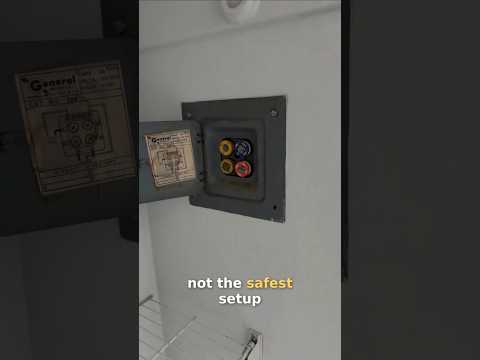
If the breaker holds after resetting, the outlet may work again. If it trips again immediately or after a few minutes, the problem lies elsewhere, possibly in the outlet itself, a device plugged into it, or a wiring fault somewhere in that circuit. The electrician will then move on to the next checks.
Testing the Outlet
With the breaker back on, an electrician uses a multimeter or a plug-in tester to see what is happening at the receptacle. A multimeter measures voltage between the slots. A standard US outlet should show around 120 volts between the hot (narrow slot) and neutral (wide slot). If the reading is zero, the outlet is not receiving power. If the reading is low or erratic, it suggests a loose or failing connection somewhere upstream.
A plug-in tester with three lights is a quick tool for spotting common wiring errors, reversed hot and neutral, open ground, or open neutral. These testers cannot find every fault, but they give a strong hint about what is wrong. For a dead outlet, the tester may show no lights at all, which confirms that the circuit is open before it reaches the device.
Loose Connections
A loose connection is one of the most frequent causes of a dead outlet. Over time, the screws that hold wires to the outlet terminals can loosen, or the wire itself can break under the screw. An electrician will remove the outlet cover and inspect the wiring behind it. They look for:

- Wires that are not fully seated under the terminal screws
- Stranded wires that have frayed or broken
- Signs of overheating, such as discolored insulation or a burnt smell
If the wires look good, the electrician will tighten each screw to the manufacturer's torque spec. This is not a job for a homeowner with a standard screwdriver, over-tightening can damage the terminal or strip the screw. A professional uses the right tool and knows the feel of a secure connection.
Wiring Back to the Panel
If the outlet and its connections appear sound, the electrician will check the wiring between the outlet and the breaker panel. This can involve testing continuity on each conductor, hot, neutral, and ground. A break in any of these wires will stop the outlet from working. Common causes include:
- Nails or screws driven through a wall that hit a cable
- Rodents chewing through insulation and conductors
- Old insulation that has dried out and cracked, causing a short
Finding a break in a wall usually requires a tone generator and probe. The electrician clips the tone generator onto the wire at the panel and then walks the circuit with the probe to find where the signal drops. This method pinpoints the location of the damage without tearing open walls unnecessarily.
The Role of Grounding
A dead outlet is sometimes a symptom of a grounding problem. The ground wire provides a safe path for fault current. If the ground is interrupted, a device may still work but becomes unsafe. In some cases, a missing or broken ground can prevent a GFCI (ground-fault circuit interrupter) outlet from resetting or delivering power. An electrician will verify that the ground connection is continuous and that the outlet's grounding terminal is bonded to the panel's ground bar.
Older homes with two-prong outlets often lack a ground wire entirely. Upgrading to a grounded receptacle requires running a new ground wire or installing a GFCI breaker. An electrician can explain which option meets current code and fits the home's wiring.
GFCI Outlets and Their Quirks
GFCI outlets are common in kitchens, bathrooms, garages, and outdoors. They have "Test" and "Reset" buttons on the face. A GFCI can trip for reasons other than a ground fault, a nearby outlet on the same circuit can cause it to trip if that outlet has a small leak to ground. An electrician will press the Reset button firmly. If the outlet still shows no power, they will check the outlet's internal mechanism. GFCI outlets can wear out over time; a unit that trips repeatedly or refuses to reset usually needs replacement.
It is worth noting that one GFCI outlet can protect several standard outlets downstream. If a bathroom outlet has no power, the tripped GFCI might be in the garage or a different bathroom. An electrician will trace the entire circuit to find the protecting device.
When the Fix Isn't at the Outlet
Sometimes the outlet itself is fine, but the problem is a broken neutral wire in the panel or at a junction box. A lost neutral can cause lights to dim or brighten erratically and can leave outlets with no power or with odd voltage readings. An electrician will measure voltage at multiple points on the same circuit to identify the break. This kind of fault requires careful diagnosis because a floating neutral can create dangerous voltage differences between outlets.
Another possibility is a tripped or failed arc-fault circuit interrupter (AFCI) breaker. AFCI breakers are now required in many rooms. They detect the signature of an electrical arc and trip to prevent fires. An arc can be intermittent, so the breaker may trip only under certain loads. An electrician will check the breaker's status and, if it has tripped repeatedly, look for a loose connection or damaged wire that causes arcing. Replacing a breaker without finding the arc source is a temporary fix.
Safety and the Limits of DIY
Working inside an outlet or a panel involves live electricity. Even with the breaker off, the wires can still be energized if another breaker feeds them or if the panel is mislabeled. An electrician uses a non-contact voltage tester before touching any conductor and works with insulated tools. They also know the local code requirements for outlet placement, wire gauge, and breaker sizing. A simple outlet replacement can turn into a code violation if the wrong box or wire type is used.
For homeowners, the safest step is to identify which outlets are dead and note any other symptoms, flickering lights, warm switch plates, or a tripping breaker, and then call a licensed electrician. That information helps the electrician narrow down the cause quickly.
What a Professional Brings
A good electrician combines experience with the right test equipment. They can tell the difference between a worn outlet that just needs replacement and a hidden wiring fault that could start a fire. They also carry liability insurance and know how to work safely in tight spaces like crawl spaces and attics. For a homeowner, the cost of a service call is often less than the risk of guessing wrong. For more information on electrical troubleshooting and repair services in the San Jose area, you can visit woodingelectric.com.

Preventing Future Outlet Failures
Once the dead outlet is fixed, a few habits can reduce the chance of it happening again. Avoid overloading a circuit with high-wattage devices, space heaters, air conditioners, and microwaves should each have their own circuit. Plug only one device per outlet when possible, and check that plugs fit snugly; a loose plug can overheat the receptacle. If an outlet feels warm to the touch or makes crackling sounds, have it inspected promptly. These are signs of a developing problem that will only get worse.
For older homes, consider upgrading outlets to tamper-resistant (TR) receptacles, which have built-in shutters that prevent foreign objects from entering. While this does not prevent power loss, it adds a layer of safety. An electrician can also install AFCI or GFCI protection where code requires it. These devices add cost but provide meaningful protection against arc faults and ground faults. For a detailed assessment of your home's electrical system, a licensed electrician like those at woodingelectric.com can perform a full safety inspection and recommend upgrades that match your needs and budget.