How much does lump removal and biopsy cost for a dog in the UK?
Finding a new lump on your dog is one of the most stressful experiences a pet owner goes through. My time as a vet receptionist taught me one thing: the second most stressful part is waiting for the price list. If you are reading this, you’ve likely felt the sting of rising costs. Between 2016 and 2023, the veterinary sector in the UK has seen significant price inflation, with routine and non-routine surgical procedures rising well above the standard rate of inflation.
The good news is that the industry is finally facing a reckoning. The Competition and Markets Authority (CMA) has recently launched a major investigation into the veterinary sector, specifically focusing on the lack of transparency in pricing and the dominance of large corporate groups. As someone who spent nine years watching the shift from family-run practices to big-budget corporate chains, I am here to tell you exactly what you’re paying for—and how to stop overpaying for it.
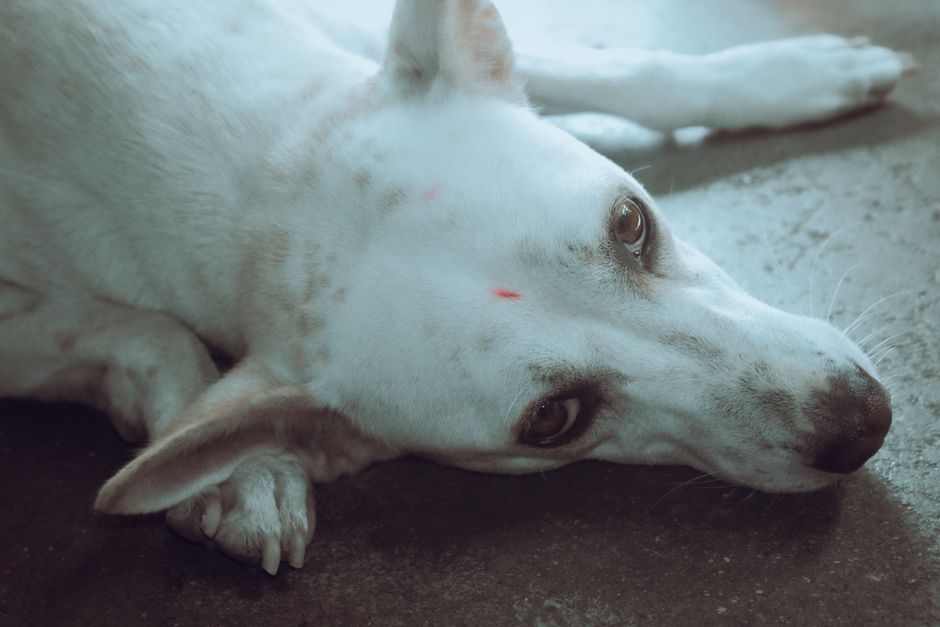
Understanding the Costs: The £500 to £1,500 Reality
When you ask a vet, "How much will this cost?", the answer is almost always a frustrating "It depends." I hate that answer. You deserve a range. For a standard, non-complicated lump removal, you can expect to pay anywhere from £500 to £1,500.
Why the massive range? Geography, the size of the dog, the location of the lump, and whether the clinic is an independent practice or a corporate-owned one all play a part. Below is a breakdown of what typically goes into that invoice.
Typical Breakdown of Lump Removal and Biopsy Costs
Service Item Estimated Cost Range Notes Initial Consultation £45 – £75 The gateway fee for the assessment. Pre-Anaesthetic Bloods £80 – £150 Highly recommended, especially for older dogs. General Anaesthesia/Sedation £200 – £400 Includes drugs, monitoring, and fluid therapy. Surgical Time (Lump Removal) £150 – £500 Varies by the complexity of the dissection. Histology Lab Fees £150 – £300 The cost of sending the mass to a specialist lab.
Crucially, biopsy costs (histology lab fees) are often the "hidden" element that catches owners off guard. Always clarify if the quote includes sending the sample to the lab, or if that is billed separately after the surgery.
The Corporate Ownership Factor
You may walk into a clinic with a friendly, local-sounding name, but there is a high probability it is owned by a national group. The CMA investigation has highlighted that this consolidation of the market has made it harder for pet owners to compare prices effectively. Often, these corporate groups have set "fee structures" that apply across their branches.
Transparency is key. If you are dealing with a corporate practice, they should provide you with a written treatment plan upfront. Under the new CMA reforms, practices are increasingly being held accountable for displaying pricing information clearly on their websites. If they don't, check the GOV.UK portals regarding consumer rights; you are entitled to a transparent estimate before any blade touches your dog's skin.
Saving Money: Prescription Fees and Online Pharmacies
One of my biggest pet peeves in the industry is the "prescription mark-up." After a lump removal, your dog will need pain relief and potentially antibiotics. Many clinics will automatically reach for their in-house stock, which often carries a significant profit margin.
You have a legal right to request a written prescription from your vet. Once you have it, you can take your business to licensed online pharmacies such as VetUK, Pet Drugs Online, or Animed Direct.
However, be aware: your vet will likely charge a "prescription writing fee" (usually £15–£25). Do the maths. If the medication cost is small, the fee might wipe out your savings. If you need a long course of expensive medication, buying online is almost always cheaper.

Insurance: The "Salesy" Talk vs. Reality
Insurance is vital, but don't fall for the hard sell at the reception desk. Many practices are incentivised to promote specific insurance products. Instead, do your own research. Use tools like the Perfect Pet (Perfect Pet Insurance) comparison platform to see what levels of cover exist for "illness and accident."
Always check your policy’s excess and whether they offer "covered for life" policies. A one-off lump removal is one thing, but if your dog is prone to tumours, you need a policy that won't exclude the condition after the first year. Avoid insurers that try to dazzle you with "lifestyle" perks; focus on the actual limit for surgical procedures and diagnostic imaging.
3-Step Action List for Lump Removal
If you have found a lump on your dog, don't panic. Follow these three steps to keep your finances in check while ensuring your dog gets the care they need:
Get an Itemised Estimate (with Histology): Ask the vet to print a treatment plan that includes the surgery, anaesthetic, post-op medication, and the lab fees for histology. Never accept a "lump sum" quote without knowing exactly what is inside it. Request a Written Prescription: If your dog is sent home with meds, ask, "Is it cheaper for me to buy these online using a written prescription?" If the vet charges a high writing fee, compare that against the online cost at sites like VetUK or Animed Direct before committing. Check Your Policy: Before the surgery, call your insurance provider to confirm that the lump removal is covered. Ask them specifically if they cover "histology" and "diagnostic biopsy"—sometimes policies have lower limits for lab work than for the surgery itself.
Questions to Ask at the Desk
Don't be afraid to be assertive. The front desk staff are there to help, and if they’ve been in the game a while, they will respect a pet owner who knows their stuff. When booking your appointment, ask these three questions:
"Is this practice owned by a corporate group, or is it independently owned?" (This helps you understand if you can potentially negotiate or look for a different clinic if the pricing structure is rigid). "What is the total cost including the lab fees for the biopsy?" (Ensures there are no surprise add-ons). "If I buy the post-op medication elsewhere, what is your fee for providing a written prescription?" (Gets the cost transparency out in the open immediately).
Navigating the vet system is a skill in itself. Don't feel guilty https://www.thepennypincher.co.uk/post/why-are-vet-bills-so-expensive-in-the-uk-what-the-cma-investigation-means-for-dog-owners for asking about price; you are a consumer making a medical decision for a family member. By demanding transparency and using the tools available to you, you can get the best possible care for your dog without feeling like you are being taken for a ride.