Sukhrik the Traveler Fairy Tale for Kids and Its Journey Lessons
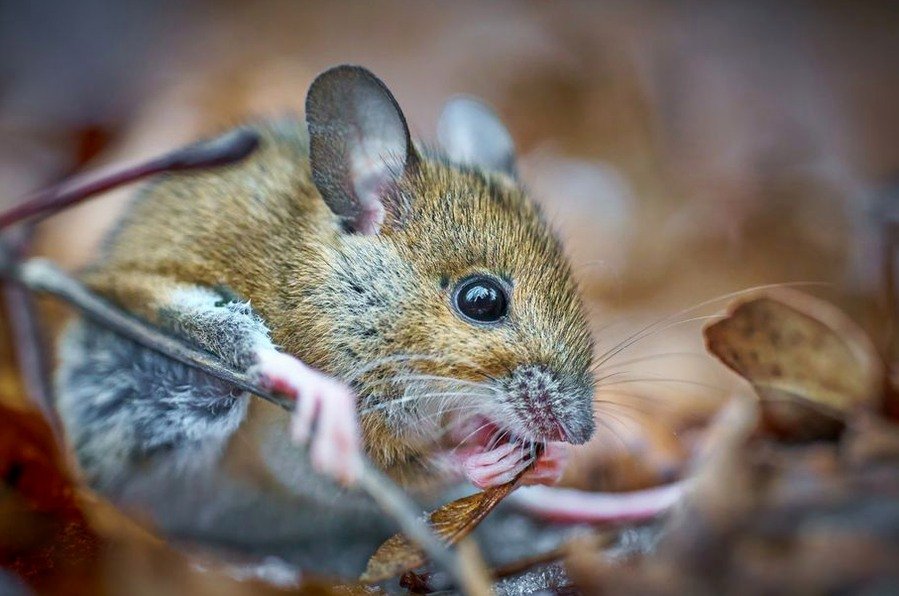
Sukhrik’s adventure begins at home, at the edge of a larger world. He is a little gray mouse, restless at the end of summer and eager to see what lies beyond the forest. He dreams of coconuts, pineapples, distant ocean islands, and the kind of journey his burrow cannot provide. The story takes his desire seriously without making it too complicated for young readers.
How the Story Moves Sukhrik from Home to the Stream
Autumn is approaching. The days are growing shorter, and the mornings are becoming colder. Sukhrik’s mother tries to draw his attention back to the world around him: the forest animals, birdsong, and the lingonberry pie she is about to bake. None of this satisfies him. He stamps his paw and rushes away.
The conflict comes from an ordinary childhood feeling rather than a villain or a magical emergency. Sukhrik is tired of what he knows and wants something distant and exciting. Many children recognize that urge, especially when a familiar day suddenly feels too small. His frustration gives the story its emotional foundation.
At the forest stream, Sukhrik discovers a watermelon rind and decides that it can serve as his boat. His reasoning is simple: it floats, so it must be able to carry him. He climbs inside and drifts downstream, imagining the journey ahead. The stream will lead to the sea, the sea to the ocean, and the ocean to islands lined with palm trees.
These imagined scenes show how sincere his hopes are. Sukhrik is not pretending to want an adventure. He can see it clearly in his mind, even though he has no practical way to reach it.
The Storm, the Rescue, and the Route Back
A storm arrives suddenly, and the watermelon rind breaks apart. Sukhrik falls into the water and cries out for his mother. Tarasik, a young beaver building a dam nearby, pulls him to safety. The rescue comes from a neighbor carrying out ordinary work, not from a magical intervention.
Tarasik asks, “How could you set out on such a long journey on a watermelon rind?” The question is direct but not unkind. Sukhrik cannot answer because he has made no real plan. He has not considered the route, prepared for the distance, or thought about what separates a strong wish from a safe journey.
You can read the full sukhrik the traveler fairy tale for kids to follow every detail of the journey, the storm, and the return home.
After the rescue, Sukhrik walks back through the forest. The story repeats the pattern of his earlier trip, moving past bush after bush and tree after tree. The landscape has not changed, but Sukhrik has. He is now traveling in the opposite direction and understands the familiar path differently.
What the Story Delivers at the Destination
When Sukhrik reaches home, he eats pie and falls asleep. He then dreams about the islands he wanted to visit. His wish for adventure has not disappeared. The difference is that it now takes place in a dream, where he can explore safely instead of attempting to cross an ocean in a watermelon rind.
The ending does not demand that Sukhrik give up his curiosity. He learns through one cold, frightening, and embarrassing afternoon that wanting to go somewhere far away is different from setting out without preparation. His imagination remains part of him, but it no longer has to put him in danger.
For parents reading aloud, the story fits comfortably into one sitting, taking roughly ten to fifteen minutes at a natural read-aloud speed. Its vocabulary suits children aged four to seven, while the emotional details can also engage slightly older readers. Mama Gray Mouse and Tarasik the beaver are warm characters, but the story avoids becoming overly sentimental.
Why Regional Details Inside the Story Matter
The forest is more than a general setting. It is a late-summer environment filled with yellowing leaves, early sunsets, ripening lingonberries in the meadow, and a stream where a beaver is building a dam. These details place the story in a recognizable Northern European or Russian forest environment.
That setting gives Sukhrik’s dream a clear contrast. He is imagining warmer lands and ocean islands, with longer days, milder mornings, and fruits that do not grow in cold forests. His longing feels specific because the place he wants to visit is genuinely different from home.
His mother’s suggestions carry their own appeal: lingonberry pie, familiar forest sounds, and bellflowers near the burrow entrance. They are not merely substitutes for a failed adventure. They show Sukhrik what already belongs to him while he is learning to appreciate it.
If a child has recently moved, changed schools, or spent time away from home, the story can lead to a useful conversation. Ask what Sukhrik misses most by the end, and what he would pack differently if he tried to travel again.