Why do I feel like I'm constantly doing maths in my EV?
Eight years ago, I switched to electric. Back then, it was a hobbyist’s game. You didn't just drive; you managed a precarious ecosystem of lithium-ion and hope. Today, the tech has matured, the range has doubled, and the charging network isn't just a handful of broken plugs in Tesco car parks. Yet, the question remains: why does every drive still feel like a GCSE maths paper?
If you own an EV, you know the feeling. You aren’t just a driver anymore; you’re an amateur energy trader, a meteorologist, and a part-time logistics manager. We aren’t just pressing the accelerator; we are constantly calculating the EV range mental load.
The Dashboard 'Guess-O-Meter' Trap
Let’s address the elephant in the cockpit: the Range Indicator. Manufacturers call it a "Range Predictor." Drivers call it the Guess-O-Meter (GOM). It’s the source of all our mathematical anxiety.
When you start your car on a crisp January morning in the Cotswolds, the car might show 220 miles of range. You look at your sat-nav, which says your destination is 180 miles away. On paper, you’re golden. But your brain starts the internal audit immediately:
It’s 3°C outside; the heater will drain the battery. There’s a headwind on the M40; that’s a 10% drag factor. The journey involves a steep climb through the Chilterns. Are those 19-inch wheels going to eat into my efficiency?
Suddenly, that 180-mile trip feels like a high-stakes gamble. You start doing the maths. You adjust your speed, you turn down the climate control, and you begin the real-time decision-making process that defines the modern EV experience.
The Variables of Real-World Efficiency
Want to know something interesting? ev range isn't static. It’s dynamic, shifting with every gust of wind and every heavy-footed overtake. This is where the battery evpowered.co.uk planning aspect kicks in. We’ve moved from "do I have enough petrol to get to the station?" to "is the current temperature and average velocity going to leave me with a 15% buffer at the destination?"
I’ve built a mental table for these variables. It’s the only way to stay sane on long trips:
Variable Impact on Range Driver Strategy Motorway Speed (75mph+) High negative Drop to 68mph for efficiency Ambient Temperature (Below 5°C) Moderate negative Pre-heat the cabin while plugged in Topography (Uphill) High negative Use regen braking on the way down Wet Roads Low/Moderate Expect increased rolling resistance
Data-Driven Driving: Zap-Map and the Community
I don’t leave the house without Zap-Map. It’s the industry gold standard for a reason. But here is the secret that the marketing brochures don't mention: the data is only as good as the community behind it.
When I’m planning a trip, I don’t just look at the pins on the map. I look at the recent user updates. This is where the platform Disqus—or the comment sections integrated into charging apps—becomes vital. If a charger has been "offline for three weeks," that’s not just a technical detail; it’s a failure in my logistics chain. Real-world context beats corporate buzzwords every time.
I look for recent timestamps. If someone on the forum says, "The rapid charger is throttled to 20kW," I adjust my plan. I’m not just driving to a location; I’m planning my charging stops based on crowd-sourced intelligence. It’s an extra layer of real-time decisions that ICE (Internal Combustion Engine) drivers simply never have to make.
The Risk vs. Reward Trade-off
There is a specific joy in the risk-reward calculation of an EV. You are pushing the envelope. Can I make it to the destination without that stop in Rugby? If I shave 5mph off my speed, do I save 10 minutes of charging later?

It’s a game of efficiency. It forces you to be present. You aren't mindlessly burning dead dinosaurs while listening to a podcast; you are managing a sophisticated electrical grid on wheels. Some call it an avoidable hassle. I call it engaged driving.
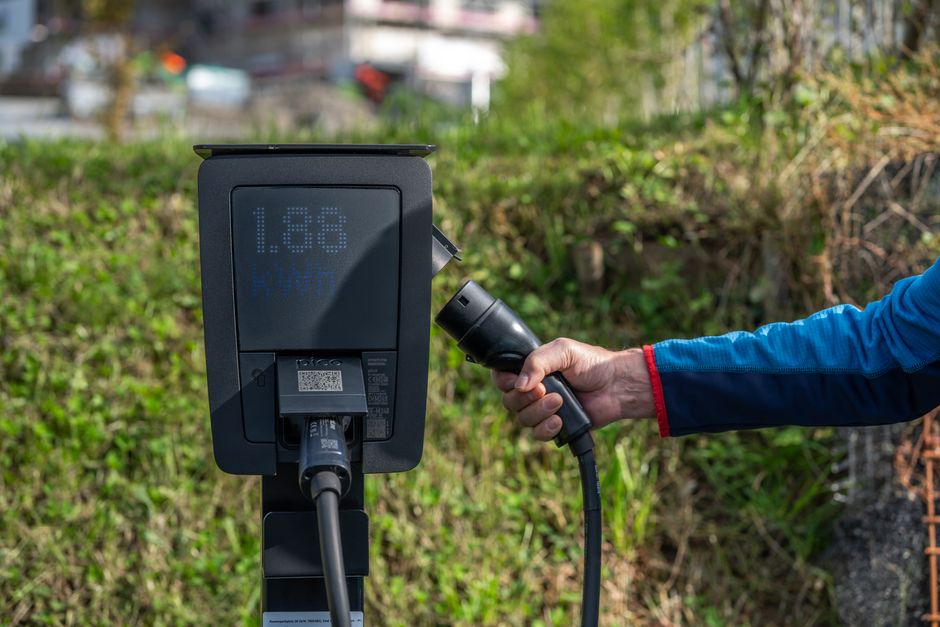
However, let’s be honest about the frustrations:
The 'Broken Plug' lottery: There is nothing worse than arriving at a station with 8% battery, only to find the unit is stuck in a boot loop. The Weather Disconnect: The car’s onboard computer rarely accounts for weather conditions as accurately as a human with a weather app. The Charging Speed Fallacy: Manufacturers love the "10% to 80% in 20 minutes" figure. They rarely mention that this requires a specific temperature, a specific state of charge, and a prayer.
Is the Mental Load Permanent?
Eight years in, I’ve stopped fighting the math. I’ve embraced it. The "EV mental load" isn't a flaw—it's a change in the relationship between man and machine. We’ve gone from passive consumers of fuel to active managers of energy.
Does it need to get easier? Absolutely. The industry needs to focus less on "range anxiety" marketing and more on "charging reliability." If the infrastructure worked every single time, we wouldn't need to do the math. We wouldn't need to consult Zap-Map for every motorway stop. We would just drive.
But until then, I’ll keep doing the sums. I’ll keep checking the wind speed, I’ll keep scanning the forums for charger reports, and I’ll keep that 15% safety buffer. Because in the world of EVs, the driver who plans, arrives. The driver who ignores the data? They’re the ones shivering in a service station carpark, waiting for a recovery truck.
The Bottom Line
The next time you find yourself calculating remaining percentage against miles to the next rapid charger, don't feel annoyed. You aren't just "doing maths." You are participating in the largest infrastructure shift in a century. It requires a different kind of brainpower, a bit more patience, and a healthy dose of skepticism towards optimistic dashboard estimates.
Keep your tools sharp, your Zap-Map updated, and always have a Plan B. That’s how we drive now.