Choosing Your Shield: A Deep Dive into VPNs and Tor for Safe Browsing
In today’s digital age, online privacy and security have become major concerns for everyday internet users. With increasing threats from data breaches, surveillance, and intrusive advertising, many individuals are searching for effective ways to safeguard their online activities. Two popular solutions have emerged as frontrunners in the quest for privacy: Virtual Private Networks (VPNs) and Tor. Each of these tools offers distinct features and benefits, making it essential for users to understand how they compare in terms of speed, encryption, and anonymity.
As we delve into the merits of VPNs versus Tor, we will explore which solution best meets the needs of regular users seeking private browsing and secure connections. From understanding device compatibility to evaluating ease of use, this comprehensive guide aims to clarify the options available. Whether you’re using smartphones, tablets, or laptops, knowing how to choose between VPNs and Tor can empower you to make informed decisions about your online safety. Let’s embark on this journey to uncover which privacy tool fits you best.
Understanding VPNs
A virtual private network, commonly known as a VPN, serves as a vital tool for enhancing online privacy and security. By creating a secure and encrypted connection between a user's device and the internet, a VPN effectively masks the user's IP address and encrypts their internet traffic. This means that any data transmitted over the VPN is encrypted and difficult for outsiders to intercept, making it an essential choice for those looking to safeguard their online activities, especially on unsecured networks like public Wi-Fi.
VPNs are particularly appealing to everyday internet users due to their affordability and ease of use. Many providers offer budget-friendly plans, making it accessible for users with multiple devices, including smartphones, tablets, and laptops. The process of setting up a VPN is straightforward, often requiring just a few clicks to install an application and connect. This convenience allows users to maintain their online privacy without extensive technical knowledge, making it an ideal solution for those who want to ensure their data is protected consistently.
Beyond basic privacy, VPNs offer additional features that can enhance the user experience. Many VPN services provide options for bypassing geo-restrictions, enabling users to access content that may be blocked in their region. This capability broadens the potential for discovering new content and enjoying a more unrestricted internet experience. With reliable connections and fast speeds, users can browse, stream, and download with confidence, knowing they have a layer of protection in place.
What is Tor?
Tor, short for The Onion Router, is a free software that enables anonymous communication over the internet. It achieves this by routing your internet traffic through a global network of volunteer relays, effectively obscuring your IP address. When you use Tor, your data is encrypted multiple times in layers, resembling the layers of an onion, which is where its name comes from. This multi-layered encryption ensures that no single point can see both the origin and destination of your data.
Tor is primarily known for providing a high level of anonymity, which makes it popular among users who prioritize privacy. By using Tor, individuals can access the internet without revealing their identity or location. This is particularly useful for those in regions with strict censorship or for individuals seeking to communicate securely. However, the routing process can slow down internet speeds, which is a trade-off many users are willing to accept for enhanced privacy.
While Tor is often associated with accessing the dark web, it can also be used for regular browsing. It works with various internet applications, offering users a way to navigate the web without being tracked by advertisers or monitored by governments. Despite its strengths in anonymity, Tor is not a comprehensive solution for all privacy needs, as its unique approach to data routing can create challenges in terms of speed and usability when compared to traditional VPN services.
Key Differences Between VPN and Tor
When considering VPN and Tor for online privacy, it's essential to understand the fundamental differences in how they function. A Virtual Private Network, or VPN, creates a secure tunnel between your device and the internet by encrypting your online traffic and routing it through a server operated by the VPN provider. This not only masks your IP address but also provides faster access to websites, making it suitable for everyday browsing. On the other hand, Tor relies on a decentralized network of volunteer nodes to anonymize your connection, often resulting in slower speeds due to the multiple layers of encryption.
Another notable difference is the level of anonymity each solution provides. While VPNs facilitate privacy by hiding your IP address from websites and ISPs, they do require a trust in the service provider. If the provider keeps logs, your data could still potentially be accessed. Tor, however, offers a higher degree of anonymity by routing your traffic through several random nodes, making it significantly more difficult to trace back to you. However, this can lead to a more complex experience, particularly for users who might not be technically inclined.
Lastly, the device compatibility and ease of use also set these two options apart. Most VPN services are designed to work seamlessly across multiple devices , including smartphones, tablets, and computers, making them highly convenient for everyday users. Tor, while available on various platforms, often requires more technical knowledge to set up and use effectively, especially for those unfamiliar with its protocols. As a result, users seeking a straightforward, always-on privacy solution may find VPNs more appealing for regular internet use.
Privacy with VPNs
VPNs, or virtual private networks, provide a powerful means of protecting your online privacy by encrypting your internet connection. When you connect to a VPN, your data is routed through a secure server, which helps shield your information from prying eyes. This encryption process makes it significantly more difficult for hackers, ISPs, and other entities to monitor your online activities. For everyday users, this means a safer browsing experience, especially when using public Wi-Fi networks that are vulnerable to attacks.
In addition to encryption, VPNs also mask your IP address, allowing you to browse the internet anonymously. This is particularly useful in situations where you want to access geo-restricted content or avoid local surveillance. Many VPN providers offer a wide range of servers in various countries, empowering users to choose their browsing location. Consequently, this flexibility enhances not only privacy but also access to a broader range of online content, making VPNs an attractive option for users with diverse needs.
Affordable, always-on protection is another key advantage of VPNs. Many services offer subscription models that provide continuous security across multiple devices, ensuring that users remain protected whether they are on a smartphone, tablet, laptop, or desktop. This convenience allows users to maintain their online privacy seamlessly throughout their day-to-day activities, making VPNs a solid choice for those who require consistent and reliable protection.
Anonymity with Tor
Tor, short for The Onion Router, is a specialized network designed to provide a high level of anonymity for its users. By routing internet traffic through a series of volunteer-operated servers, or nodes, Tor effectively obscures the original IP address of the user. Each layer of encryption added by Tor's routing process ensures that no single node can determine both the source and destination of the data, thus enhancing user privacy. This structure makes it significantly more difficult for anyone to trace online activities back to an individual user.
One of the standout features of Tor is its ability to circumvent censorship and offer users access to content that may be restricted in their regions. Because traffic is encrypted and sent through multiple nodes, even governments and ISPs find it challenging to monitor or block specific websites. This anonymity makes Tor an attractive repository for sensitive communications and access to the dark web. However, it is essential for users to remain aware of the potential risks associated with using Tor, such as malware and exit node vulnerabilities.
Despite its strong privacy features, Tor does come with certain drawbacks. The speed of connection can be significantly slower than that of a typical VPN service due to the multiple layers of encryption and routing. Users who need to maintain privacy while engaging in everyday online activities may find the slower speeds frustrating. Nevertheless, for those whose primary concern is maintaining anonymity, especially in repressive environments, Tor remains a powerful tool to safeguard their online presence.
Performance Comparison
When evaluating VPN versus Tor, one of the main considerations is performance. VPNs typically provide faster connection speeds due to their optimized infrastructure and direct routes to servers. Most VPN services maintain a large network of servers, allowing users to select a location that minimizes latency. This speed advantage makes VPNs particularly suitable for bandwidth-intensive activities like streaming and online gaming. Users with multiple devices benefit from VPNs as they can maintain consistent speeds across their gadgets.
In contrast, Tor can significantly slow down your internet connection. This is because Tor routes your traffic through several volunteer-operated servers worldwide, which adds layers of encryption and anonymity. While the increased security is a major benefit, the resultant speed drop can make everyday tasks like browsing or video conferencing frustrating. For users seeking always-on protection and convenience for daily browsing, this lag can be a critical downside compared to the more streamlined performance of a VPN.
Ultimately, the decision between VPN and Tor can hinge on specific user needs. If speed and ease of use across multiple devices is a priority, particularly for activities that require a reliable connection, a VPN stands out as the more efficient choice. However, for those who prioritize anonymity over performance, Tor remains a robust option. Understanding these performance differences helps users choose the right tool that aligns with their online habits and privacy requirements.
Cost Considerations
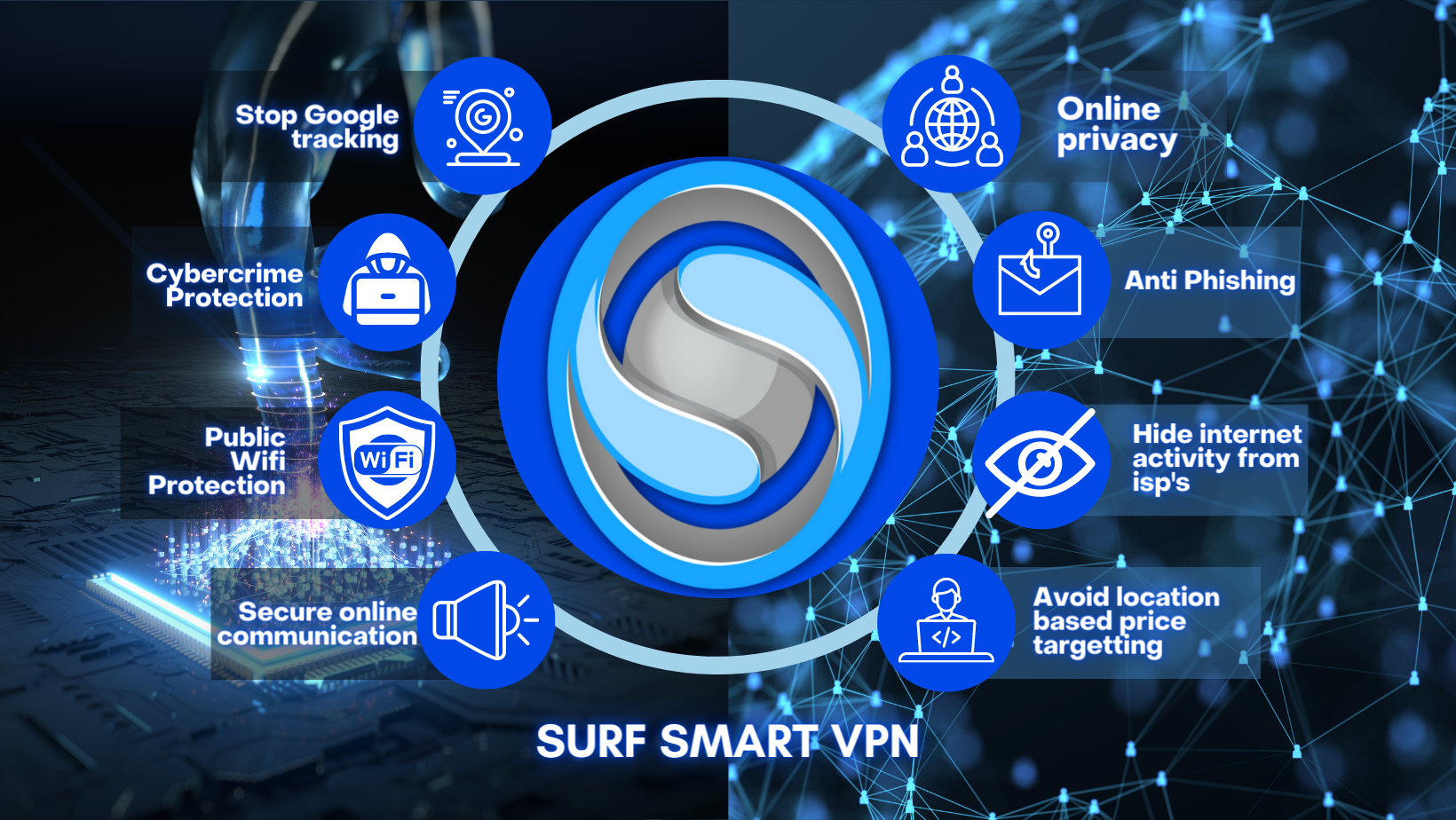
When evaluating VPN versus Tor, cost is a significant factor for everyday users. VPN services typically operate on a subscription model, with various pricing plans that accommodate different budgets. Most reputable VPN providers offer affordable options, especially with annual subscriptions that reduce the overall monthly cost. In contrast, Tor is free to use, as it relies on a volunteer network of relays. While this makes Tor an attractive option for budget-conscious users, it’s important to consider potential trade-offs in performance and support.
While the initial investment in a VPN may seem like an added expense, the long-term benefits can often outweigh the costs. Many users find that the reliability, speed, and ease of use of VPNs make them a worthwhile expenditure. Moreover, some providers offer multi-device plans, allowing users to protect several devices under a single subscription. This can be particularly advantageous for users with smartphones, tablets, and laptops, ensuring that all their internet traffic remains secure without breaking the bank.
On the other hand, while Tor is free, it is essential to recognize that its reliance on a volunteer system can lead to variable performance. Users may experience slower connections due to the way Tor routes traffic, which could be frustrating for those seeking reliable speeds. Additionally, Tor may not provide the level of customer support that a paid VPN service would. Thus, individuals need to weigh the importance of cost against performance and support when deciding between VPN and Tor for their privacy needs.
Multi-Device Support
When choosing between VPNs and Tor, one significant consideration is multi-device support. Virtual Private Networks typically offer seamless compatibility across various devices, including smartphones, tablets, laptops, and even smart TVs. Many VPN providers allow simultaneous connections on multiple devices, making it convenient for users who want to stay protected across their gadgets without having to switch services continuously. This flexibility is particularly appealing in an era where many individuals use several devices for daily tasks.

In contrast, while Tor can be accessed on different platforms, it may not provide the same level of ease. For instance, Tor's main browser is designed specifically for use on desktops and laptops, with mobile options being less stable and user-friendly. Users looking for a consistent experience across devices might find Tor's compatibility lacking, especially when it comes to accessing Tor on smartphones or tablets. This disadvantage can pose a challenge for those who prioritize seamless browsing on the go.
Ultimately, the choice between a VPN and Tor for multi-device support often comes down to individual needs. If the priority is to maintain convenience and consistent security across all gadgets, a reliable VPN solution is usually the better option. However, users who are comfortable with varying levels of access and are focused on anonymity might still consider Tor for specific situations, despite its limitations on some devices.
Choosing the Right Tool for You
When determining whether a VPN or Tor is the right choice for your online privacy needs, it's essential to consider your primary usage scenarios. If you often browse the web, stream content, or engage in activities that require a stable and fast internet connection, a VPN is likely your best option. It provides a reliable way to encrypt your internet traffic while ensuring you maintain decent speeds across multiple devices. Additionally, VPNs are typically more user-friendly and suited for everyday users who require convenience and accessibility.
On the other hand, if your main concern is anonymity and you are involved in activities where privacy is paramount, such as whistleblowing or accessing restricted information, Tor might serve you better. Tor's unique routing system enhances your anonymity by bouncing your connection through several volunteer-operated servers, making it harder to trace. However, this comes at the cost of speed, which can be a significant drawback for casual users who want seamless browsing experiences.
Ultimately, your choice between a VPN and Tor will depend on your specific needs and the level of privacy you require. For many users, a combination of both tools can provide a comprehensive layer of protection. A VPN can offer fast and secure access to the internet, while Tor can be utilized when you need heightened anonymity for sensitive activities. Evaluating your daily online habits will guide you in selecting the privacy tool that best fits your lifestyle.
Conclusion: Your Best Choice
In today's digital landscape, choosing the right privacy tool is essential for protecting your personal information and online activities. Both VPNs and Tor offer unique advantages that cater to different needs, making it crucial to evaluate what matters most to you. For everyday users looking for a balance between speed, convenience, and security, an affordable always-on VPN is often the preferred choice. It seamlessly integrates with multiple devices, providing constant protection without sacrificing browsing performance.
On the other hand, if your primary concern is maximizing anonymity and privacy, especially in situations where surveillance or censorship is prevalent, Tor stands out as the better option. While it may be slower and requires a bit more technical knowledge, its ability to anonymize your internet traffic makes it invaluable for those seeking the highest level of privacy. However, this should be weighed against the fact that Tor is not ideal for all types of internet usage, particularly when convenience and speed are key.
Ultimately, your choice between VPN and Tor should align with your specific online activities, privacy expectations, and device compatibility. Understanding the differences in speed, encryption, and usability will equip you to select the privacy tool that best fits your lifestyle. Whether you prioritize the always-on protection of a VPN or the enhanced anonymity of Tor, the right decision will empower you to browse the internet with confidence.