Preparing Skin for Laser Hair Removal: Shaving and Skincare
Laser hair removal works best when the skin is calm and the hair is prepped with intention. As a clinician, I have seen stellar results when clients give as much care to the days before and after a session as they do to choosing the device or clinic. Shaving is part of that story, but not the whole thing. The way you cleanse, the products you stop, your sun behavior, and even how you hold a razor on your shin can tilt results toward smooth, predictable outcomes or toward irritation and missed follicles.
This guide unpacks what actually matters. Expect specific timelines, product guidance that respects both sensitive and resilient skin, and candid notes on what I have seen go wrong and how to avoid it.
How the laser “sees” your hair
A good laser hair removal procedure converts light into heat that targets melanin in the hair shaft and the follicle below. The device fires in milliseconds, heating the follicle to a threshold that disrupts its ability to regrow. That selective action is why shaving is preferred over waxing or epilating. Shaving preserves the root as a target while clearing the surface to protect the skin from unnecessary heat.
Hair grows in cycles. Only follicles in the anagen, or active growth, phase have a full shaft connected to the bulb. That is why laser hair removal sessions are spaced every 4 to 8 weeks depending on the body area. Expect about 15 to 30 percent of follicles to be susceptible at each visit. Over a series of treatments, the density and caliber of hair reduce significantly. For most people that means 6 to 10 sessions on the body, a few more on the face. I avoid the word permanent casually, although permanent hair reduction laser treatments do produce long term hair reduction that holds when maintenance sessions are done annually or as needed.
Why shaving the right way matters
The day you shave and how you shave affect both safety and effectiveness. Hair left long above the skin will absorb laser energy before it reaches the follicle, which wastes energy and can singe the surface. On the flip side, an aggressive dry shave can abrade the skin and raise the risk of irritation or even superficial burns, especially on the neck or bikini line where the skin is thinner.
The sweet spot is a close, gentle shave 12 to 24 hours before your appointment, with the skin hydrated and lubricated. That small window allows micro nicks to seal while keeping hair short enough for an efficient hit.
I remember a runner who shaved her legs the morning of her leg laser hair removal. She came straight from a long workout, used a dull blade, and skipped moisturizer because she feared product residue. Her skin looked windburned before the device even touched her. We rescheduled. She returned a week later after a calmer routine, and her results progressed smoothly from session one.
Device choice and skin differences
The words best laser hair removal mean different things depending on your skin tone, hair color, and tolerance for downtime. A seasoned laser hair removal specialist will match device and settings to your Fitzpatrick skin type and hair characteristics.
Alexandrite lasers, with a 755 nm wavelength, suit light to olive skin tones with brown to black hair. They give fast sessions and crisp results but demand respect near tanned or darker skin. Diode lasers, around 805 to 810 nm, work across a broad range and are popular for professional laser hair removal of the body. The newer systems have advanced cooling for safer, more comfortable passes. Nd:YAG lasers, at 1064 nm, are preferred for laser hair removal for dark skin because the energy bypasses much of the epidermal melanin. They are slower to produce visible shedding but kinder to richly pigmented skin.
If your clinic offers laser hair removal with diode laser or with alexandrite laser and you have medium to light skin, you may see faster early hair reduction. If you are deep brown to very dark, laser hair removal with Nd YAG laser is the safer choice. Mixed or tanned skin, especially on the face, often fares better with conservative diode or YAG settings even if an alexandrite can technically fire.
The 4 week runway: skincare and sun behavior
Laser hair removal is a light based cosmetic procedure. Anything that irritates or inflames the skin in the weeks leading up to it confuses the picture. I ask clients to start a quieting routine 2 to 4 weeks before the first appointment.
Tanning, whether from vacation sun or a bottle, is the most common spoiler I see. A real tan darkens the epidermis, which competes with the follicle for energy and raises the burn risk. A fake tan contains pigments that can trap light near the surface. Both force us to lower energy and that slows results. Keep the area shielded for 3 to 4 weeks pre session if possible. For unavoidable sun, wear UPF clothing and reapply a broad spectrum SPF 30 to 50 every two hours outdoors. Face laser hair removal and upper lip laser hair removal, which live in the sun front row, need special discipline here.
On the skincare front, simplify. Retinoids, high strength AHAs or BHAs, benzoyl peroxide, hydroquinone, and harsh scrubs make the epidermis more reactive. I advise pausing topical retinoids 5 to 7 days before face sessions and strong acids 3 to 5 days before body sessions, longer if you get red easily. If you are on isotretinoin, wait 6 months after finishing before any medical laser hair removal. Oral photosensitizing medications like doxycycline can also amplify risk. Bring a full list to your laser hair removal consultation.
Keep hydration up. Well moisturized skin conducts heat better, allowing us to use a steadier pass with fewer hotspots. A bland, fragrance free moisturizer morning and night is enough. On areas prone to ingrowns, like bikini laser hair removal zones or underarm laser hair removal spots, a gentle lactic acid lotion used early in the cycle, then paused 3 to 5 days before the appointment, helps lift trapped hairs without making the barrier fragile.
Shaving strategy by area
Not every body area forgives the same technique. I tailor instructions based on terrain and density.
Arms and legs tolerate a standard shower shave with a fresh multi blade razor or a single blade safety razor if you are comfortable controlling angle and pressure. Use a cushiony gel or cream, not a drying foam. Shave in the direction of growth first, then lightly across the grain if needed. Rinse with lukewarm water and pat dry. Do not ice cold shock the skin right after, since vasoconstriction can mask early irritation.
The underarms like a softer approach. The hair often grows in multiple directions. Use short, light strokes with the arm fully overhead to flatten the skin. Avoid aluminum antiperspirants for 12 hours post shave and pre appointment. A mild deodorant is fine the next morning if the skin feels normal.
Bikini and brazilian laser hair removal are a different story. The hair tends to be thick and curly, and the curve lines of the groin encourage razor burn. Shave with a guard trimmer first to reduce length, then a fresh sharp razor under warm running water with a slip heavy gel. Keep pressure feather light. If you get folliculitis easily, apply a thin layer of a non comedogenic barrier cream afterward, and skip tight workout leggings until the next day.
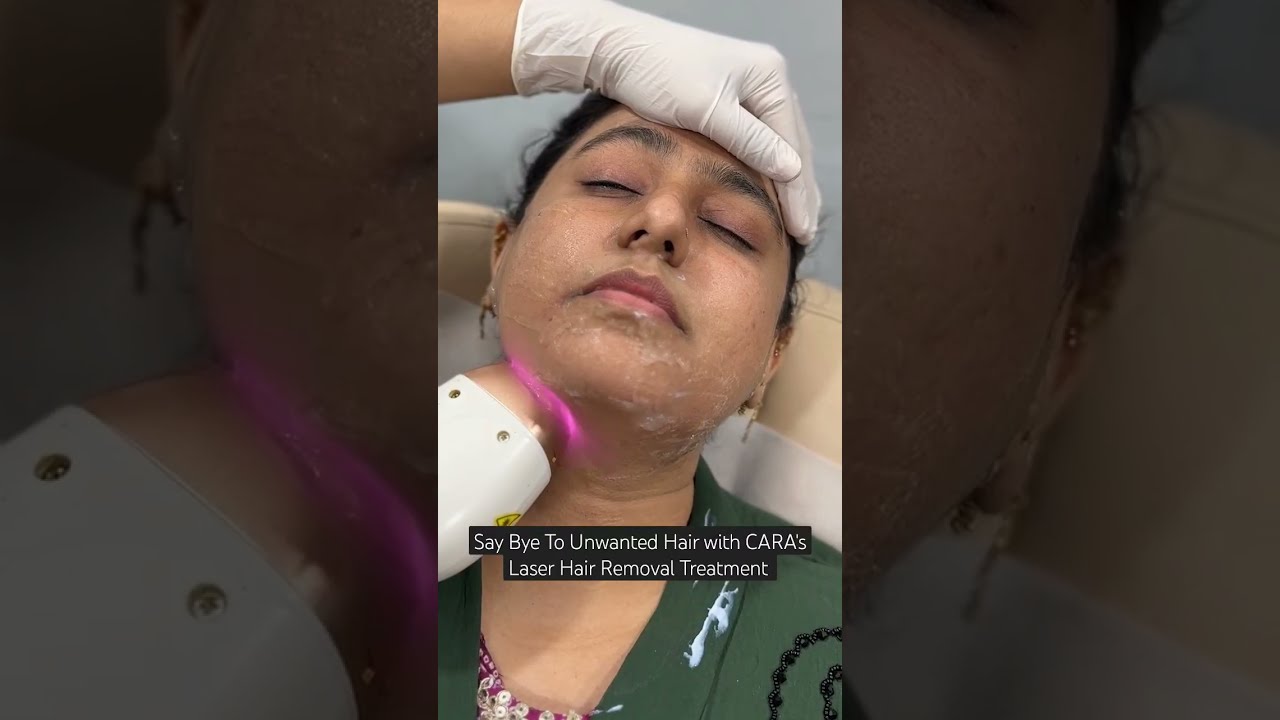
For face laser hair removal, especially on the chin and upper lip, I ask clients to use a dermaplaning razor or a guarded facial shaver, never a harsh body razor. Shave the night before to avoid visible razor tracks during the session. If hormonal hair growth is significant, as with PCOS, share that at your laser hair removal appointment. The treatment plan may include a few extra sessions and possibly coordination with your endocrinologist for the best long term hair removal results.
Back and chest hair removal for men often involves dense fields with variable growth. Have a partner or a professional do the shave to avoid patchy lengths. A clipper with a close guard followed by a careful wet shave works well. Pay attention to the lower back and shoulders where ingrowns love to hide.
The ideal pre session shave routine
Here is a clean, practical pre appointment sequence that has worked for hundreds of clients.
Shave 12 to 24 hours before your laser hair removal service. Use a new or nearly new blade and a fragrance free gel or cream. Trim long hair first with clippers to prevent tugging. Keep water warm, not scalding, and shave with light pressure in the direction of growth. Do a gentle second pass if needed. Rinse well. Pat dry and apply a bland moisturizer. Avoid acids, retinoids, vitamin C serums, and strong deodorants on the area. Skip self tanner, bronzing body makeup, and heavy oils. Wear loose clothing over freshly shaved zones. On the day of your laser hair removal procedure, arrive with clean, product free skin. If a technician marks the area, the ink should sit on dry skin, not over lotion.
What to do the morning of your session
Keep it simple. Shower if you like but avoid abrasive loofahs or hot shaving. Do not use perfumes, essential oils, or occlusive balms on the target area. Remove makeup thoroughly for face sessions. If you are prone to swelling, you can take an over the counter antihistamine an hour before, but ask your provider first.
For pain management, most modern devices with integrated cooling make sessions tolerable. If you are very sensitive, a topical anesthetic may be offered for bikini or brazilian areas. Apply it only if the clinic approves, and wipe it off fully before treatment to avoid an occlusive layer that traps heat. Ice packs before treatment give only brief relief and can constrict vessels in a way that makes skin less predictable under the laser. I prefer post session cool packs applied through a thin cloth.
During the session: what your skin should feel like
Each pulse should feel like a fast snap with heat that fades quickly. The operator will watch for perifollicular edema, which looks like tiny pink bumps around follicles. That is a good sign that energy reached the target. If you feel diffuse burning rather than pinpoint heat, speak up. A skilled laser hair removal technician will adjust parameters, dwell time, or cooling technique. Passes should be even with slight overlap to avoid zebra striping. On curved zones like knees and ankles, expect the operator to slow down. Missing those areas is a classic rookie mistake that shows up as stripes a few weeks later.
Aftercare that keeps progress on track
The follicles hit during a session release hair gradually over 1 to 3 weeks. Do not panic if you still see stubble in the first days. That is often hair extruding from follicles, not new growth. Resist tweezing or waxing during the series. If you must manage hair between sessions, shave only.
Post care is about quieting inflammation and protecting from sun. I ask clients to follow a short, repeatable plan.
Cool the area with a clean compress or gel pack for 10 to 15 minutes as needed in the first 24 hours. Do not apply ice directly. Moisturize with a bland, fragrance free lotion twice daily for 3 to 5 days. If itching occurs, a thin layer of 1 percent hydrocortisone for up to 48 hours is acceptable unless your provider advises otherwise. Avoid hot tubs, saunas, and intense workouts for 24 to 48 hours. Heat and sweat can exacerbate folliculitis. Pause active skincare for 3 to 5 days on the treated area. Restart retinoids slowly, and watch for sensitivity. Use SPF 30 to 50 on exposed areas every day. Reapply outdoors. Sun protection is non negotiable during a laser hair reduction treatment series.
Small perifollicular bumps and mild redness are expected for a day or two. Pinpoint scabbing can occur on coarse, dark hair treated at high settings. Leave those areas alone, moisturize, and alert your clinic if scabs persist beyond a week or if you notice any pigment changes. Most post inflammatory hyperpigmentation, when it occurs, resolves over weeks to months with sun protection and gentle skincare. It is far less common when device choice and pre care are on point.
Managing ingrowns and bumpy skin
Many people choose laser hair removal because shaving and waxing have left them with chronic ingrowns, especially in the groin, underarms, and on the back of the neck. Laser can help by thinning the field and softening the caliber of regrowth. That said, the first sessions can stir up a few trapped hairs as they extrude.
For keratosis pilaris prone arms or thighs, I suggest a routine that includes a lactic acid or urea lotion three nights a week between sessions, then pausing several days before the next appointment. A warm compress followed by a clean, gentle exfoliation with a soft washcloth can coax out shallow ingrowns. Do not dig or tweeze. For stubborn inflammatory bumps, a telederm visit for a short course of topical antibiotic or benzoyl peroxide used between laser sessions, not right before, may be warranted.
Special cases that change prep
Tattoos in the treatment field need covering with an opaque barrier. Most clinics will not fire the laser directly over ink since the pigment absorbs energy and can cause burns. Moles often get covered with a white pencil to deflect energy. Point these out at your consultation so the laser hair removal expert can plan the map.
Hormonal conditions like PCOS, thyroid disorders, or postpartum shifts can sustain new growth even as https://www.google.com/maps/d/u/0/embed?mid=1JTxgcKjiyqUDThaPwck5YYxTiPrSNAs&ehbc=2E312F&noprof=1 existing follicles are disabled. You will still get meaningful reduction, but you may need more maintenance sessions. Coordinated care brings the best laser hair removal results in these scenarios.
If you have very light or red hair, discuss expectations candidly. Traditional lasers target melanin, and pale or non pigmented hairs respond poorly. Some clinics pair light based technology with other strategies or offer laser hair reduction packages that focus on darker zones and reserve electrolysis for the rest.
People with very sensitive skin can still do safe laser hair removal. We simply stretch the timeline, keep pre care extra gentle, and use conservative settings that we escalate as tolerated. A test spot done 48 to 72 hours before a full area provides reassurance.
Choosing the right clinic and package
Outcomes improve when the people and the machine match your skin. Look for a laser hair removal clinic with diode, alexandrite, and Nd:YAG options, or at least with the device best suited to your type. Ask who sets parameters. A medical laser hair removal practice with nurse practitioners or physician oversight can be helpful for complex skin or underlying conditions, though many cosmetic clinics run excellent programs with experienced operators.
A consultation should include a skin typing assessment, medication and sun history, discussion of device choice, realistic session count, and laser hair removal pricing that shows how packages compare with single sessions. Affordable laser hair removal does not mean bargain basement. It means transparent pricing, safe laser hair removal practices, and equipment that is serviced and calibrated. Deals and offers are common in the industry. Read the fine print so you understand session spacing rules, touch up fees, and expiration dates.
For full body laser hair removal, confirm how the clinic sequences areas. Large combo days are convenient but can be fatiguing. Splitting upper and lower body across adjacent weeks often produces steadier comfort and aftercare.
What realistic progress looks like
By the second or third visit, most people notice shaving less often and finer regrowth. Coarse zones like male chest hair removal or back laser hair removal show dramatic shedding after early sessions, then plateau as remaining follicles get stubborn. Facial areas need patience because hormones feed those follicles. Expect visible change by sessions 4 to 6, with photos showing lighter shadow and fewer ingrowns.
Laser hair removal before and after pictures can be inspiring, but they are snapshots. The everyday win is not just smoothness, it is not planning your week around stubble or razor burn. One client, a swimmer who struggled with underarm irritation, stopped carrying a razor in her swim bag by month two. Her maintenance became sunscreen and moisturizer rather than triage.
Skincare staples that pair well with laser
You do not need a complex routine. In fact, simplicity protects your results.
A gentle, sulfate free cleanser for the treated area in the first 48 hours, then as your skin tolerates. A fragrance free moisturizer with ceramides or squalane to keep the barrier comfortable. A broad spectrum SPF 30 to 50 for exposed areas, daily. Stick formats help with midday reapplication on the go. Optional, between sessions only, a mild lactic acid lotion on bumpy zones, and a light physically based scrub no more than once weekly if you are not sensitive. For the face, restart vitamin C or retinoids a few days post session if your skin feels calm, and scale back if you notice stinging.
Avoid essential oils, mentholated body washes, and heavy occlusives in hot weather over freshly treated areas. Keep deodorant simple for a day or two after underarm sessions. For bikini zones, breathable underwear matters more than any serum.
What to avoid throughout the series
Waxing, sugaring, or epilating remove the target. If you do it once between sessions, you set yourself back one cycle. Threading on the face is also best avoided. Bleaching the hair can reduce laser efficiency since it lightens the target. If you must hide hair on the upper lip between early sessions, a facial razor is your friend.
Strong exfoliation the night before, alcohol based toners on fresh shave skin, and self tanners within a week of the session are the top three pitfalls I see. A fourth is last minute gym time right before your appointment. Sweat plus friction plus heat is an easy recipe for irritation.
Costs, time, and maintenance in plain terms
Laser hair removal cost varies widely by region and device. A single small area like upper lip might run 40 to 100 dollars per session, while full legs can be several hundred. Laser hair removal packages reduce per session pricing by bundling a series. Membership models spread costs monthly and often include maintenance sessions. Ask whether your plan includes touch ups at the tail end, because a final polish at 9 to 12 months can prolong the smooth phase.
Sessions themselves move fast once prep becomes habit. Underarms take 5 to 10 minutes. A brazilian can be 15 minutes. Full legs might be 30 to 45 minutes depending on hair density. Build in a cushion for check in, cooling, and post care chat. The unpredictability comes more from your calendar than from the laser.
When to call your clinic
Reach out if you see blistering, linear welts that do not fade within hours, intense swelling that persists beyond two days, or any darkening or lightening of the skin that concerns you. Early guidance prevents small issues from becoming lasting ones. Also call if you start any new medication during your series, especially antibiotics, antifungals, or acne treatments.
A simple way to remember the arc
Think of the series as a loop of calm skin, precise shave, clean treatment, and quiet aftercare, repeated methodically. That method turns a laser hair removal therapy plan into a predictable, cosmetic routine. I have watched clients with sensitive skin, dark skin, light skin, and everything in between reach their version of smooth by honoring that loop.
For women navigating facial hair, for men tackling chest or neck, for anyone choosing a full body plan or a focused underarm project, the same principles apply. Preserve the follicle by shaving at the right time. Keep the skin uninflamed and untanned. Use moisture and sun protection as your guardrails. Choose a clinic that treats you like a partner rather than a number.
Do those things, and your laser hair removal results will likely match your goals on a timeline that respects both your biology and your schedule.