Choosing a kids story about a naughty little boy
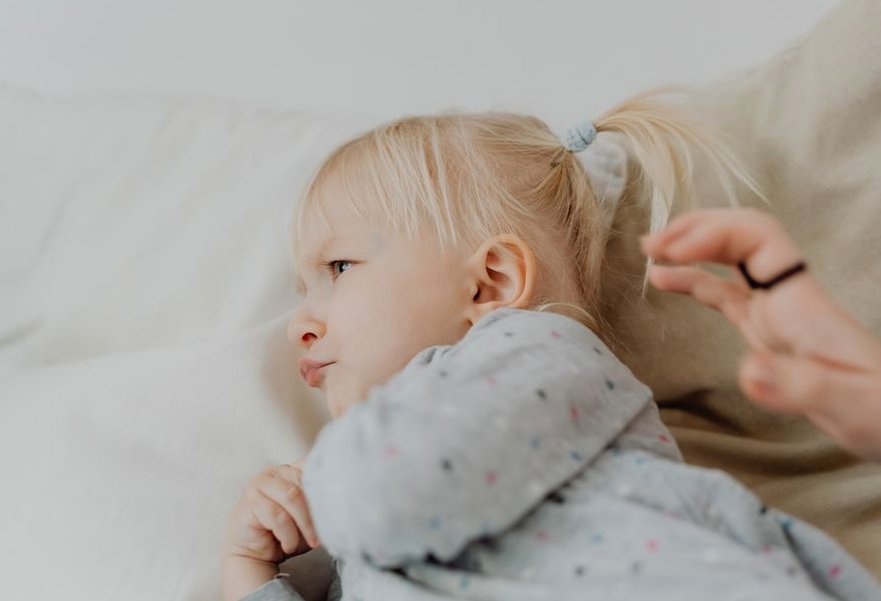
Choose a kids story about a naughty little boy when you want a clear lesson about behaviour, family attention, and the limits of giving in to demands. In this story, Avocadik, known as Avo, repeatedly gets treats, balloons, and toys after whining or shouting, but each purchase creates a practical cost: his parents work longer and spend less time with him.
Before paying for a digital or printed version, check what you are actually buying, which rights are included, and whether the story fits the child’s needs. The source material gives the narrative but no price, format, delivery time, refund policy, or licence terms, so those details must be confirmed with the seller.
What makes this story suitable
The central conflict is easy to follow. Avo wants a huge strawberry ice cream, then an avocado-shaped balloon larger than his friend’s, and finally a new model aeroplane that would consume his parents’ remaining money.
Each demand creates a visible consequence. The ice cream makes Avo unwell, the balloon nearly carries him away in a strong wind, and the aeroplane leaves his parents working so much that family walks, games, stories, hugs, and conversations disappear.
The magical fruit garden gives children a simple emotional signal. When the family is happy, the sun shines, flowers grow, and birds sing. When Avo behaves badly or his parents worry, dark clouds, rain, wind, and thunder arrive. That repeated pattern can help a parent discuss actions and consequences without turning the reading into a lecture.
Buyer checks before payment
Read the product description carefully. It should identify whether you receive a web page, downloadable file, printed book, audio recording, or another format. A link alone may not grant permission to copy, print, redistribute, or use the text in a classroom.
- Confirm the delivery method and whether access expires. A permanent download is different from a subscription page.
- Check the licence before sharing the story with a school, library, childcare group, or online audience.
- Look for the refund clause, especially if the product is digital and access begins immediately after payment.
- Ask whether illustrations, narration, translation, and text updates are included in the quoted price.
- Verify the seller’s contact details and the procedure for reporting a broken file or missing access.
Do not treat an attractive cover as proof of suitability. The source story does not state an exact reading age, word count, page count, or illustration style. Ask for those details if they affect your purchase decision.
Contract clauses worth checking
If a school, publisher, content platform, or event organiser is paying for the story, request written terms before transferring money. The agreement should name the work, identify the buyer and seller, and describe the permitted use in plain language.
- Specify the format and delivery date, including the file type or physical edition.
- State whether the buyer receives personal reading rights, educational rights, commercial rights, or permission to adapt the text.
- Record the total price, currency, taxes or extra charges, and the payment schedule. No such figures are supplied for this story, so they should appear in the actual offer.
- Define what happens if the seller misses delivery, sends an incomplete version, or changes the content after purchase.
- Clarify who owns illustrations, translations, recordings, and edited versions.
For a family purchase, a short consumer agreement may be enough. For repeated public readings, paid downloads, or printed resale, broader rights require more careful wording.
Real-world purchase scenarios
A parent choosing a bedtime story
The parent should focus on format, reading length, language, and whether the child can handle scenes involving illness, fear, loud tantrums, and regret. The story ends with Avo apologising, hugging his parents, and recognising that attention matters more than toys.
A teacher using the story in class
The teacher should secure permission for classroom use and check whether copying is allowed. Discussion can focus on why Avo’s parents kept giving in, how their choices affected family time, and what Avo could have said instead of demanding the aeroplane.
A buyer seeking a gift
Check whether the recipient enjoys animal, fruit, or magical settings. Avo is an avocado child living in Fruitlandia, while his friend Banana-chick carries a banana-shaped helium balloon. Those details make the story playful, but a child who dislikes moral stories may need a different choice.
For a closer look at the narrative before purchase, read kids story about a naughty little boy. Compare the actual page, format, and usage terms with the seller’s offer rather than relying on a search snippet.
Questions buyers often ask
What is the main lesson?
Avo learns that toys and entertainment cannot replace parental love, shared time, affection, and conversation.
Is the story about a human boy?
No. Avo is an avocado child, but his demands, tantrums, and changing feelings resemble familiar childhood behaviour.
Does the source include a price?
No. The available material does not state a price, currency, format, delivery period, or refund condition.
What should parents discuss after reading?
Ask how Avo’s demands affected his parents, why the garden changed, and what he did when he finally understood the harm.