How Botox Works: The Science Behind Wrinkle Smoothing
Botox sits at the intersection of medicine and aesthetics, a treatment that began in neurology clinics and moved, carefully and with data, into everyday cosmetic practice. Clients come to a botox clinic asking for smoother skin, fewer frown lines, softer crow’s feet. What they are really asking is for a controlled, reversible change in the way certain muscles fire. To understand who benefits and who should pause, it helps to know what is actually happening at the cellular level, how a botox procedure is performed, and what real results look like across different faces and ages.
From microbial protein to medical tool
Botox is the brand name most people use for onabotulinumtoxinA, one of several types of botulinum toxin used therapeutically. Others include abobotulinumtoxinA, incobotulinumtoxinA, and prabotulinumtoxinA, each with different manufacturing processes and dosing characteristics. In cosmetic settings we use tiny, localized doses that dampen muscle activity without causing systemic effects. The same class of medication has long been used in larger doses to treat medical conditions such as cervical dystonia, chronic migraine, overactive bladder, and spasticity. That medical backbone matters when discussing safe botox treatment, because decades of research guide dosing, storage, and technique.
The synapse story: why wrinkles soften
The active ingredient in botox blocks a specific step in nerve signaling. At the junction where a motor nerve meets a muscle fiber, the nerve normally releases acetylcholine. That neurotransmitter binds to receptors on the muscle, which then contracts. Botulinum toxin gets inside the nerve ending and cleaves SNAP-25, a protein required for the vesicles that carry acetylcholine to fuse with the nerve membrane. Without acetylcholine release, the muscle cannot contract as forcefully.
The effect is local and temporary. Nerve terminals sprout new connections over weeks to months, gradually restoring acetylcholine release. As this reinnervation occurs, movement returns and expression lines slowly reappear. The interval is individual, but for cosmetic botox facial injections it typically ranges from about 3 to 4 months, sometimes longer with lighter muscle use, consistent skincare, and a favorable metabolism.
The science aligns neatly with what we see on faces. Expression lines are created by repeated folding of skin over active muscles. If you reduce that activity in a targeted way, the skin folds less, the dermis gets a chance to recover, and lines look softer. On dynamic lines, such as the “11s” between the brows, changes are clear even in new clients. On static, deeply etched lines, especially those present at rest for years, botox alone softens but does not erase. That is where a botox specialist might combine botox with resurfacing or fillers to improve skin quality and volume.
Where botox makes the most visible difference
The Food and Drug Administration cleared cosmetic botulinum toxin for three areas first: glabellar frown lines, forehead lines, and crow’s feet. Experienced clinicians also address smaller regions with appropriate dosing and discussion of trade-offs. The most requested botox for wrinkles often involves one or more of these zones:
Forehead lines: The frontalis muscle lifts the brows and lines the forehead horizontally. Botox for forehead lines needs a balanced plan, because over-treatment can drop the brows. Under-treatment leaves dynamic creases. Glabellar frown lines: The corrugator and procerus muscles pull the brows inward and down, creating the “11s.” Botulinum toxin here gives many clients their most satisfying change. Crow’s feet: The lateral orbicularis oculi fans out from the outer eye. Thoughtful dosing softens radiating lines without flattening the smile. Bunny lines and gummy smile: Small injections along the nose can soften scrunch lines. Treating the upper lip elevator muscles can reduce gummy smile, but must be conservative to avoid speech or eating changes. Chin dimpling and jawline shaping: Botox for chin can relax mentalis puckering. For masseter hypertrophy, botox for jawline reduces bulk over sessions, which can slim the lower face. Expect a gradual contour change, not an overnight shift. Neck lines and bands: Micro-dosing along horizontal neck lines has modest effects. Platysmal band treatment can sharpen the jaw angle in select patients, a technique sometimes called the Nefertiti lift.
A good botox provider will differentiate between dynamic lines that respond best to botox and volume-related shadows or etched creases that respond better to fillers, resurfacing, or skincare. For example, botox for smile lines around the mouth is rarely a first choice, because the muscles involved are critical for expression; fillers or skin remodeling usually serve better there.
Dosing is a craft, not a recipe
Every face uses its muscles differently. An athletic person who squints in bright light, a new parent sleeping poorly, a teacher whose brows dance while explaining concepts, each pattern tells us how to tailor a botox aesthetic treatment. Units matter, but so does dilution, injection depth, and spacing. We map the face at rest and in motion, then inject in small aliquots to sculpt the response.
I often tell clients that botox is less like painting a wall and more like adjusting a soundboard. If the frontalis is strong laterally but weak centrally, I will dose higher at the edges and lighter near the midline to prevent brow drop. For botox for crow’s feet, I watch how the lower eyelid pulls during a full smile to avoid weakening the zygomaticus smile elevators. With masseter botox for facial contouring, I palpate the thickest part of the muscle during a clench and place deeper injections there while sparing neighboring structures.
That nuance separates professional botox from a one-size-fits-all approach. It also explains why two people receiving the same number of units can see different results. Anatomy, habits, and goals vary.
What a typical appointment feels like
Most clients schedule a botox consultation first, especially if they are new to cosmetic injectables. We review medical history, medications, prior botox results if any, and specific concerns such as botox for frown lines or botox for forehead wrinkles. I ask about tendency to bruise, upcoming events, and whether they lift heavy weights, sing, or perform on camera, because these details can shape dosing and timing.
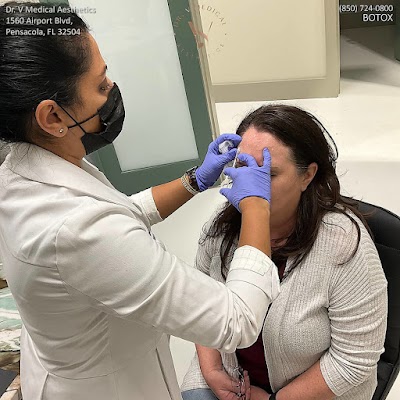
At the botox appointment, the actual procedure usually takes 10 to 20 minutes. Makeup comes off the target areas. We mark key points with a skin-safe pencil. The medication comes as a sterile powder reconstituted with saline, kept cold and used within an appropriate timeframe for potency. Injections use a very fine needle, with brief pinches rather than deep pain. Some providers use a vibration device or cool pack to distract the skin.
Bleeding is minimal, often a pinprick that stops with light pressure. Occasional raised blebs of saline flatten within minutes. Bruising risk is real around the eyes and forehead, but it is typically small and fades within a few days. I advise clients to stay upright for four hours after injections, avoid vigorous rubbing, skip strenuous workouts the rest of the day, and hold off on facials or saunas for 24 hours. None of these steps are absolute requirements, but they reduce the chance of migration and bruising.
When results appear and how they evolve
You will not walk out of a botox injection clinic and see immediate smoothing. The protein needs time to bind and disrupt SNAP-25 inside nerve terminals. Early changes start around day two to three, build by day five to seven, and reach peak effect near day 10 to 14. I schedule a botox follow up around two weeks for first timers or large plan changes. That window lets us judge the true endpoint and perform a botox touch up if a small area is still more active than desired.
The full result remains steady for several weeks, then gradually fades as nerves regenerate connections. Most clients book their next botox therapy session every three to four months. Over time, with consistent maintenance, some people find they can extend to four to five months because the habit of over-recruiting certain muscles eases.
What botox can and cannot do
The best botox treatment sets expectations clearly. Botox reduces muscle-driven wrinkles. It improves the surface by reducing repetitive folding, which helps with skin smoothing. It does not tighten lax skin or lift heavy tissue. It will not replace volume lost with age. If you pinch the skin along your cheek and see crepe-like texture, botox will not change collagen there. Skin tightening, resurfacing, and skincare have roles that complement botox but are distinct.
Clients sometimes ask whether more units equal a better botox wrinkle treatment. Heavier dosing can over-freeze expression, flattening personality and, in the forehead, risking brow descent. Light dosing leaves natural movement but may not satisfy those who want a pristine canvas. Somewhere between lies a personalized treatment plan that keeps your character and reduces the lines that bother you most. This is the essence of botox personalized treatment.
Safety, risks, and how to stack the odds in your favor
Botox cosmetic injections, when performed by a trained, licensed botox expert, have a strong safety profile. Still, no medical procedure is risk free. Understanding common and rare effects helps you choose wisely.
The most common botox side effects include mild injection-site redness, swelling, or bruising. A small headache can occur after forehead treatment, usually short lived. Temporary eyelid heaviness may occur if eyebrow support is reduced too much or if small amounts of toxin spread to the levator muscle. This usually resolves over weeks as the effect wanes. Asymmetry happens if one side responds more than the other or if baseline asymmetry is unmasked; a small touch up often balances it.
Rare risks include significant eyelid ptosis, diplopia if the toxin diffuses near eye muscles, or dry eye if the blink strength is over-reduced. For masseter injections, excessive dosing or improper depth can affect chewing strength briefly, though careful technique avoids this in most cases. Systemic spread at cosmetic doses is extremely uncommon.
Contraindications include pregnancy and breastfeeding, since we lack safety data. Certain neuromuscular disorders, such as myasthenia gravis or Lambert Eaton syndrome, raise risk and usually preclude treatment. People on aminoglycoside antibiotics or specific muscle relaxants need extra caution. A thorough botox doctor consultation should cover these.
From a practical standpoint, pick a botox provider who stores and reconstitutes the product correctly, uses sterile technique, and can explain why each point is placed. Cheap botox deals that seem too good often cut corners on dosing, dilution, or professional time. Affordable botox is possible in reputable practices, especially through botox package savings for multiple areas, but transparency matters. Ask how many units are planned and how touch ups are handled. If you are searching botox near me, prioritize credentials and consistent results over flashy ads.
The role of age, gender, and skin type
Botox is not only a tool for women in their 40s. Men often benefit from botox treatment for men, though dosing is typically higher because male forehead and glabellar muscles are thicker. The goal in men is often to soften rather than fully smooth, maintaining a natural, confident look without shine or over-arched brows.
Younger clients, late 20s to early 30s, may use botox for fine lines and to discourage deep creases from forming. This prejuvenation approach can be effective in moderation. Those with expressive brows and etched elevens by 30 will often look more rested with light glabellar treatment. For mature clients, botox for aging skin pairs well with medical-grade skincare and, sometimes, energy-based devices to address texture and laxity that botox alone cannot.
Skin thickness and baseline oiliness affect how lines appear and resolve. Thicker, oilier skin may show fewer fine lines but deeper folds with strong muscles. Thinner, dry skin reveals crisscross fine lines that improve when repetitive motion drops, yet still need hydration and barrier support. Fitzpatrick skin type also guides adjunctive treatments but has less bearing on botox dosing itself.
Technique details that influence outcome
Placement depth varies by target. For frontalis and corrugator muscles, injections sit intramuscular. For small lines at the nose bridge or superficial orbicularis areas, a more superficial plane works. Needle angle and bevel orientation change diffusion spread slightly. A botox certified specialist will track how your face responds over time and adjust patterns, sometimes splitting an old injection point into two lighter ones to finesse edges.
Dilution affects spread. A higher dilution with the same total units across more injection points can produce smoother coverage with fewer peaks and valleys. A tighter dilution can be useful where we want precise control and minimal diffusion, such as near delicate eyelid elevators. None of this is guesswork. It is accumulated practice alongside published guidance.
Planning around life and events
Timing is as important as technique. If you have headshots, a wedding, or a stage performance, do not schedule your first botox session within a week of the event. New clients should allow two to three weeks before a big day. Returning clients who know their response reliably can schedule 10 to 14 days out.
Workouts matter for a day. I suggest postponing hot yoga, heavy lifting, or upside-down training until the next day to reduce bruising and unintended diffusion. If you wear tight swim goggles or a forehead strap, give it a day. Makeup can go back on after the tiny pinpoints close, generally within an hour. Skincare resumes that night, skipping strong acids or retinoids on injected zones for a day if your skin is sensitive.
What results look like over time
Think of botox results in three snapshots: baseline, peak, and fade. Baseline includes habits like eyebrow raises while thinking or squints in sunlight. At peak effect, your brow should still move, but with less force and fewer folds. Crow’s feet should soften during a smile without freezing the cheeks. As fade sets in around week 10 or 12, subtle lines return first in the most active areas. By then, we reassess. Some clients like a lighter, more expressive result and extend intervals. Others prefer consistent smoothing and book at 12 weeks.
Clients often bring botox before and after photos to discuss goals. The best comparisons use the same lighting and expression. A relaxed, neutral face reveals static lines; a deliberate frown or squint shows dynamic change. Remember that photos capture only a moment. In the mirror, what matters is how you look during conversations, laughter, and rest.
Complementary treatments and realistic combinations
For deeper etched lines, fractionated resurfacing or microneedling with radiofrequency can improve dermal thickness. For midface flattening or shadowed tear troughs, hyaluronic acid fillers help. For overall skin rejuvenation, medical-grade skincare with retinoids, vitamin C, peptides, and diligent sunscreen supports collagen. A botox aesthetic procedure fits as one piece in this puzzle.
With masseter reduction for facial contouring, plan at least two to three sessions about 12 weeks apart to see a noticeable slimming. Chewing strength adapts; most people function normally within days, but heavy gum chewers or those with bruxism should anticipate a period of reduced clenching power. For a gummy smile, expect a measured change that looks natural when smiling broadly. Over-treatment can affect pronunciation, a risk that underscores the value of a seasoned injector.
Cost, value, and how to compare options
Botox price varies by geography, provider expertise, and whether you pay per unit or per area. Per-unit pricing is the most transparent, letting you see exactly what goes into your face. Per-area pricing can work if the clinic discloses typical unit ranges. A single area such as the glabella might range from 15 to 25 units for many adults. Forehead lines often take 6 to 16 units depending on muscle strength and brow position. Crow’s feet often range 8 to 12 units per side. These are ballparks, not promises, but they help you evaluate a botox offer.
Botox deals and packages can deliver solid value if they maintain proper dosing and include a two-week assessment. Be cautious with rock-bottom promotions that do not specify units or that discourage a follow up. An ethical botox treatment provider wants you to love the result and will fine tune when appropriate, especially for first sessions.

Maintenance without monotony
A steady rhythm of botox maintenance does not mean a fixed map forever. As your lines improve and your muscle habits change, dosing often eases. Some clients move from three areas to two, or stretch appointments from every three months to four. Others rotate focus, addressing crow’s feet and glabella for two sessions, then adding a chin touch up or a neck line refresh later. Seasonality matters too. In summer, with more squinting in bright light, crow’s feet may need a bit more attention. In winter, forehead lines may stand out under indoor lighting during long workdays.
A small group metabolizes botox faster and sees a shorter window of effect. That can reflect higher baseline muscle activity, certain medications, or individual biology. Rarely, people develop neutralizing antibodies after frequent high-dose treatments, often in medical contexts rather than cosmetic ones. If results shorten significantly without clear cause, discuss brand options and spacing with your provider.
Who should wait or reconsider
Delaying or skipping cosmetic botox makes sense when there are active skin infections at injection sites, recent facial surgery without clearance, uncontrolled medical conditions, or major life events that limit follow up. If your primary concern is skin laxity or volume loss, start with treatments that address those issues first. If you rely on expressive brows for work, such as actors or dancers whose micro-expressions are part of their craft, a test session with low dosing helps avoid over-smoothing. If you are pregnant, planning pregnancy, or breastfeeding, postpone elective botox cosmetic services.

Choosing a provider wisely
Credentials matter. Look for a botox treatment provider with medical training relevant to facial anatomy, such as dermatology, plastic surgery, facial plastic surgery, oculoplastics, or experienced aesthetic nurse injectors working under medical oversight. A botox certified specialist can explain risks, benefits, and alternatives, show consistent results in people who resemble you, and discuss how they handle touch ups and rare complications. During a botox consultation, clarity should outweigh sales pressure. You should leave with a plan you understand, a botox appointment booking that fits your calendar, and realistic expectations for botox results and botox downtime.
If you are unsure where to start, searching botox near me is a first step, but do not stop there. Read reviews carefully, paying attention to comments about communication, follow-through, and natural outcomes rather than only five-star ratings. Ask friends who look refreshed rather than frozen where they go. When budget is tight, ask about affordable botox options during slower clinic days or seasonal botox offers that still meet medical standards.
A brief look at medical use that informs cosmetics
The reason we can trust botox safety in the face comes, in part, from its medical legacy. Neurology, ophthalmology, and rehabilitation medicine have used botulinum toxin for decades in doses that dwarf cosmetic plans. That experience taught us how to avoid systemic effects, how to space treatments to reduce antibody risk, and how to manage rare events. It also explains why some people feel less head tension after glabellar treatment or fewer tension headaches with forehead smoothing. While not a guarantee, the relaxation of overactive muscles can alleviate trigger points in select clients.
My typical aftercare advice
I keep aftercare simple and practical. Stay upright for a few hours. Avoid pressing or massaging the treated areas that day. Skip intense workouts, hot tubs, and saunas until tomorrow. Use cool compresses if bruising starts. Sleep as you normally do. Watch for small asymmetries over the first two weeks, then come to your follow up for fine tuning. Continue sunscreen daily; it does more for long-term skin quality than any injectable. If you are using retinoids, pause the night of treatment if your skin is sensitive, then resume. If you feel a heavy brow or odd smile pattern, do not panic. Call the clinic. Most small issues have solutions, from a balancing touch up to eye drops for transient eyelid heaviness.
What satisfaction looks like
The best test of a botox cosmetic procedure is not a perfectly still forehead under studio lighting. It is whether coworkers stop asking if you are tired. Whether your video meetings look more like how you feel on a good day. Whether your makeup sits better because the canvas is smoother. Whether you can raise your brows in surprise and still see less banding. For the right person, botox facial rejuvenation is not about erasing age. It is about softening the strain of expressive habits, allowing the skin to rest, and, in some cases, reshaping muscle balance to refresh facial symmetry.
Botox is not magic, but it is precise science applied with artistry. When a botox expert takes time to study your expressions, sets a plan that respects your features, and follows through with careful aftercare, you get results that feel like you, only more at ease. Whether you want botox for younger looking skin, a subtle refinement of the jawline, or a measured response to deep frown lines, a thoughtful approach turns a simple botox session into a reliable part of your broader skincare and anti aging care.