Awamori no Komorebi Fan-Disc Plus: Digital Edition
- Awamori no Komorebi Fan-Disc Plus: Digital Edition
- Awamori, Okinawa
- The Beach
- The Awamori Forest
- The Downtown
- The Fortress Ruins
- The Nightlife District
- The Shinto Shrine
- The Transit Hub
- The Abandoned Temple
- The Cafe
- The Museum
- Awamori, Traditions
- Awamori, Events
- Awamori, Coconut Crabs
- Awamori, Climate
- Awamori, Locals
Awamori, Okinawa
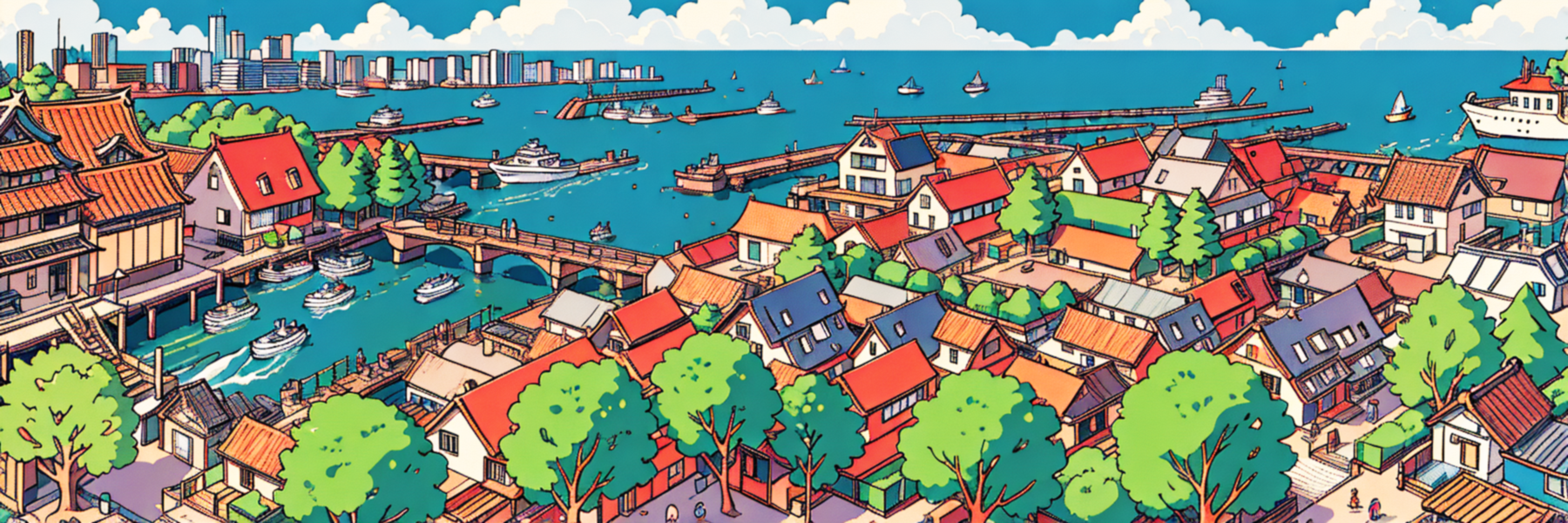
Awamori is a small city located on Okinawa Island, famous as a prime summer vacation spot. Its population of ~15,000 swells during summer months and its economy is based on tourism and forestry. Due to the inflow of outsiders, Awamori feels more mainland than Okinawan.
The Beach

The Sapphire Beach is a scenic kilometer-long stretch of soft white sands and cool blue water, popular among swimmers and marine sports fans. To control for crowding, the beach has an entry fee in the summer months. Locals prefer other unnamed, less-scenic but equally pleasant beaches.
The Awamori Forest
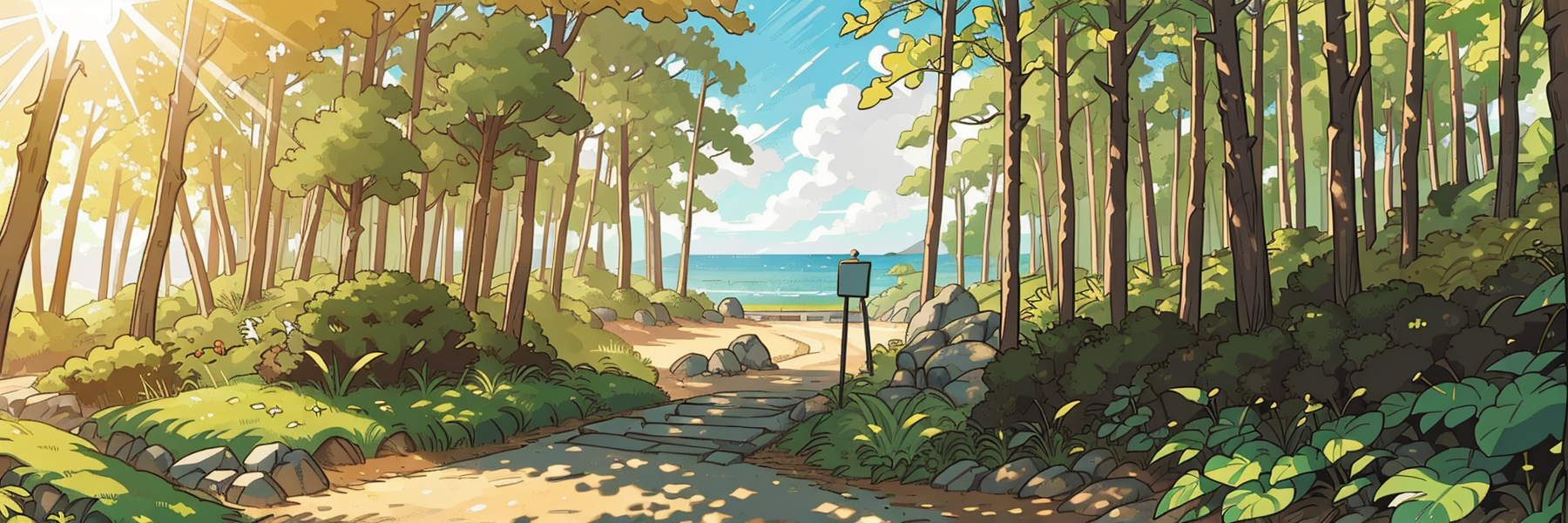
Locals call the primordial forest Awamori is named after "the Forest". The dense subtropical woods are difficult to navigate but campers and hikers still delve their depths for the purported healing properties. Foragers gather wild herbs and mushrooms, which sell for quite a bit.
The Downtown
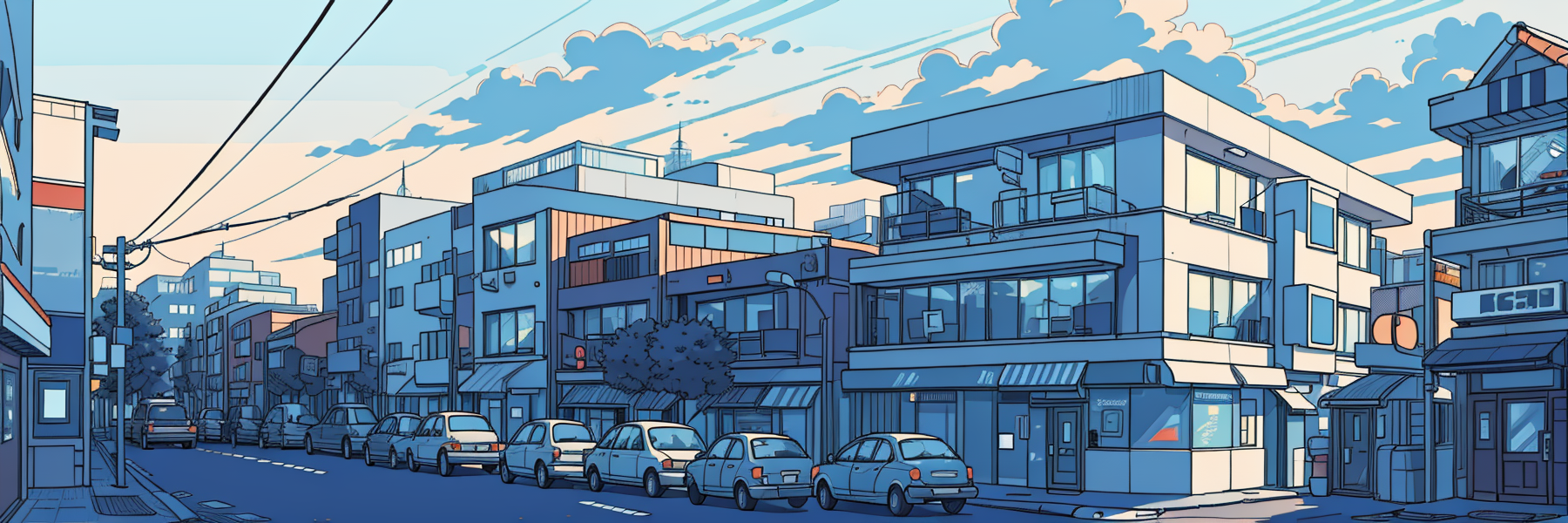
The Downtown area of Awamori consists of a few streets of big-brand stores and a collection of mom-and-pop shops. With local economy leaning more and more onto tourism, centuries-old shops and restaurants are closing down steadily due to rising rent and competition.
The Fortress Ruins
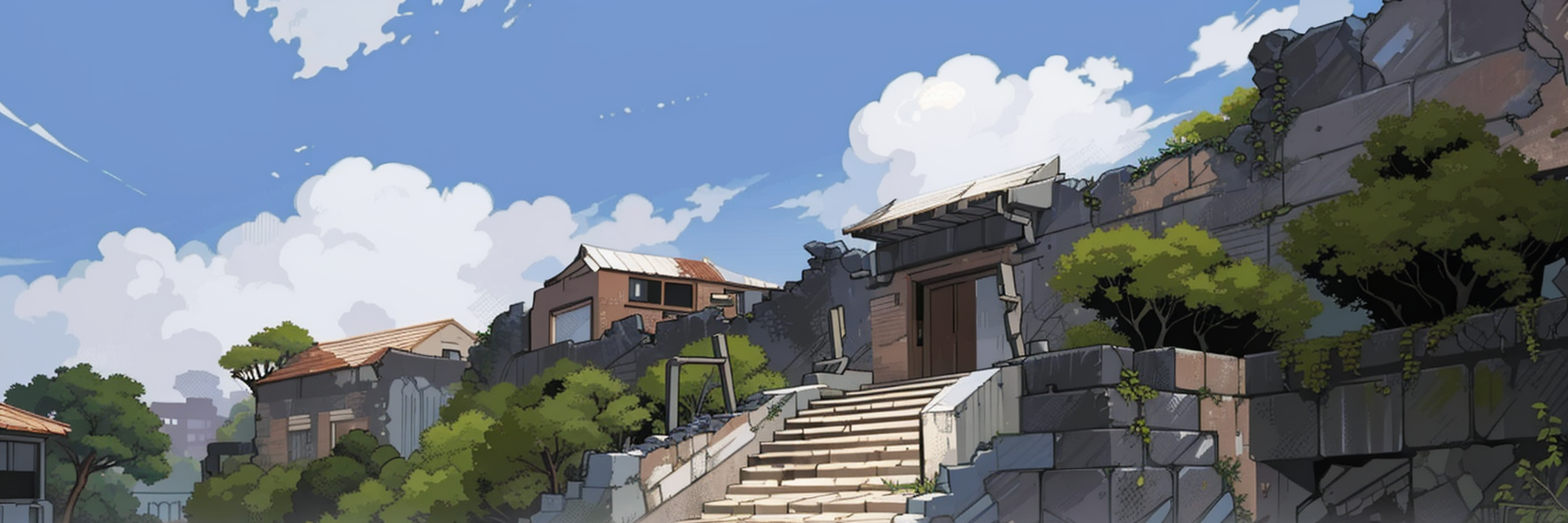
Near Awamori, there's ruins of an ancient Okinawan fortress. The Awamori Gusuku is derelict, but less-than-law-abiding explorers like it that way. Local government is voting on renovating the gusuku to make it a historical tourist attraction, but doing so will require demolishing makeshift shacks around the fortress.
The Nightlife District

Havana is the main nightlife area of Awamori, the scene resembling Shibuya more than anything local. Countless izakaya, bars, cafes and clubs provide nighttime entertainment for the vacationers. While tourism money is thin, local yakuza keep peace in Awamori's Havana.
The Shinto Shrine
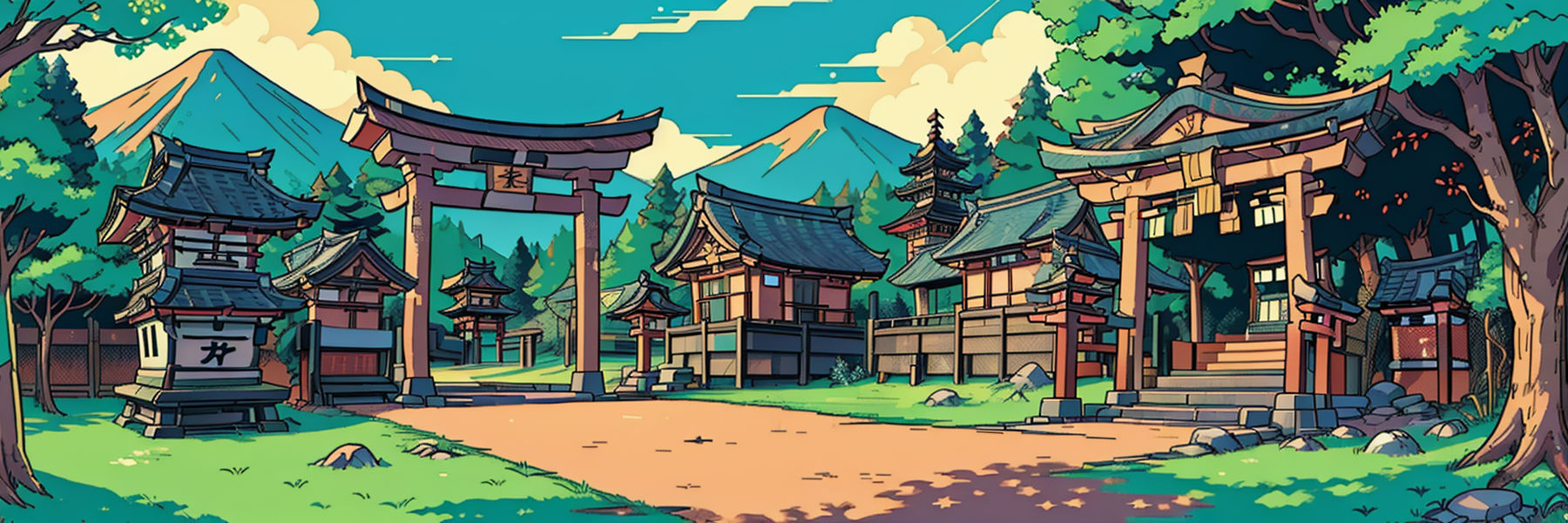
Tenhou Jinja is a Shinto shrine established sometime in the 19th century. While the shrine is of little interest to domestic vacationers, international tourists often visit Tenhou Jinja to experience a little bit of Japanese way of life. The shrine is dedicated to Inari, the kami of good harvest, fortune, wealth, and all manners of good things.
The Transit Hub

The Awamori Train Station is the main access pathway between Awamori and other major cities on the island. The only major discount outlet is located nearby and Awamori Station is a bigger attraction to the locals than the vacationers and tourists.
The Abandoned Temple

There is an abandoned and derelict Buddhist temple somewhere in the Forest. The footpath is overgrown and the structures are rotten and collapsing. The only point of interest that remains is the massive statue of Aizen Myo-ou, the Buddhist guardian spirit of passion and lovemaking. The statue's six hands are carved to hold something in each hand, but all of them are empty.
The Cafe

Cafe Satellite is an unremarkable but cozy coffee shop in Awamori's Downtown. It used to be the workshop of a Dutch carpenter who stopped caring about browsers drinking coffee on his furniture. When locals visited the workshop more for the coffee than the furniture, the old man rebranded the workshop as a cafe. He's not here anymore.
The Museum

The Awamori Museum of Modern Arts is the fanciest cultural amenity in the city, though its attraction is outshone by the area's natural beauty and nightlife. Still, it provides for a chance at a sophisticated date. The curator is infamously lazy; half the artwork descriptions are factually wrong.
Awamori, Traditions
Before its discovery as a scenic vacation destination some decades ago, Awamori was a small town populated by Okinawa natives. Over the decades, old ways of life have become replaced with modernity. Traditional Okinawan fabric arts survive in the area in the form of a rivalry between two elderly artisans. Recycled glassware art is prominent in Awamori and colorful glass trinkets sell out on the daily.
Awamori, Events
Awamori hosts a small rock festival on the Sapphire Beach, inviting local aspiring rock musicians and Okinawan rock legends to play for fans, new and old alike.
A week-long local crafts fair takes place in the Downtown at the height of summer, providing traditional and modern artisans a chance to show off their work and seek out buyers and sponsors.
Awamori, Coconut Crabs
Coconut crabs are abundant in the Forest. They are seen more easily in the summer as they are busy finding mating partners. The local population of coconut crabs are protected by law as the number dwindled due to overhunting and habitat loss, but some families and a restaurant keep their own coconut crab recipes in secret.
Awamori, Climate
Awamori's climate follows the general humid subtropical climate of Okinawa Island. In summer, the island can become oppressively humid and sweltering. The seawater is cool and the Forest feels oddly comfortable, perhaps a sign of its purported magical properties.
Early summer is defined by typhoons and weeks of rain, while July and August are dominated by the brilliantly shining sun.
Awamori, Locals
Permanent residents of Awamori think of vacationers and tourists as welcome benefactors to the local economy, with whom they wish to share the scenic natural beauty. The few residents who do not participate in the tourism industry, however, think of outsiders as pests who disregard authentic Okinawan culture and heritage in favor of digestible drivel.