Enhance Your Landscape: The Handbook to Excavation Service Providers in Ontario
Digging is a essential aspect of every construction project, acting as the groundwork for everything from residential houses to commercial buildings. In Ontario, the varied landscapes and varying soil conditions pose specific challenges for excavation contractors that require expertise and careful planning. Whether you are embarking on a new home build, renovating your property, or overseeing land for farming purposes, grasping the nuances of excavation in this province is vital for a successful outcome.
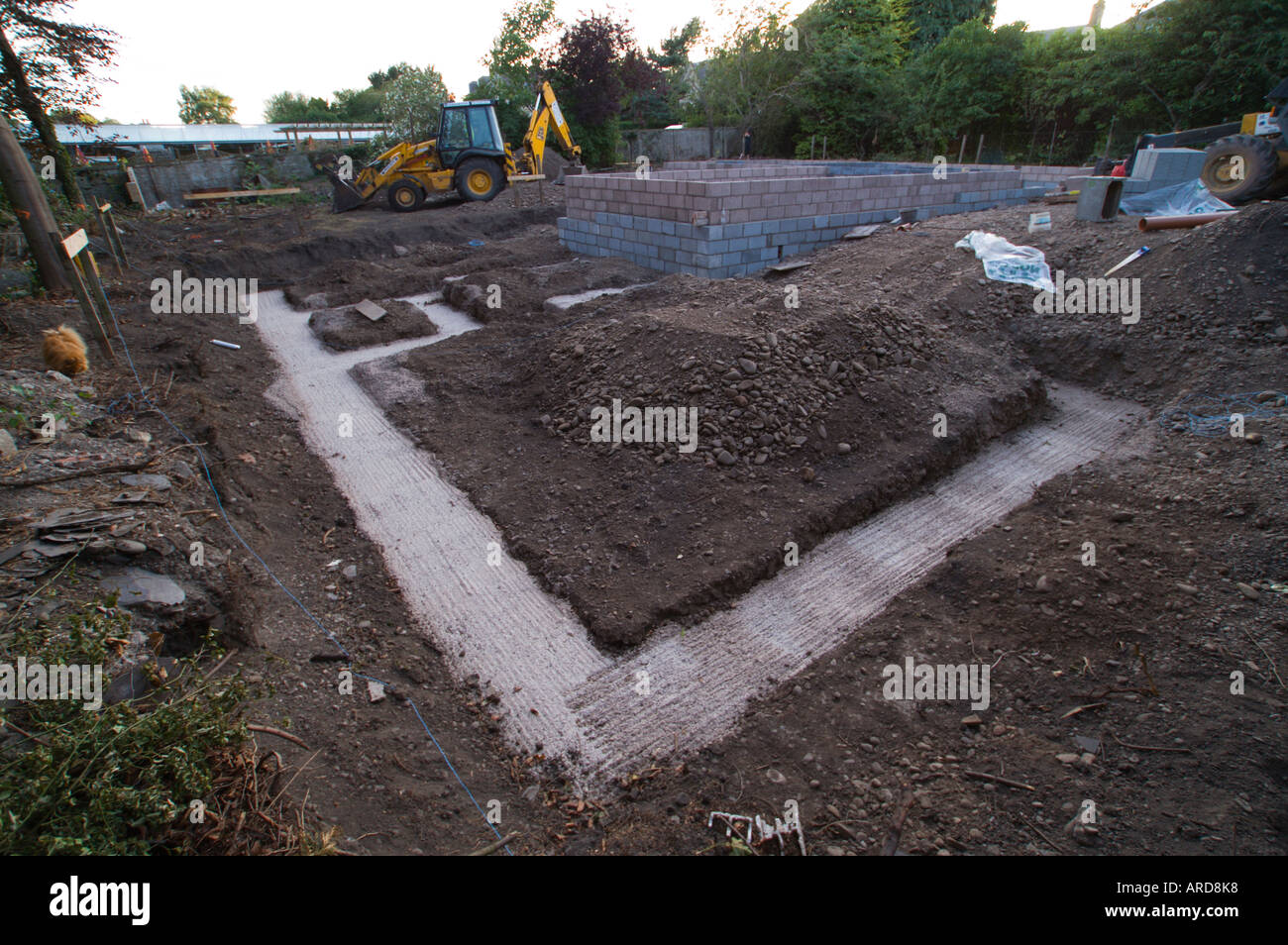
This guide aims to shed light on the important elements of excavation in Ontario, including the importance of regulations, safety measures, and site preparation. We will explore different topics such as the depth of frost lines, the effects of soil types, and the critical role of permits. By arming yourself with the right knowledge, you can make educated decisions when selecting an excavation contractor and guarantee your project is completed effectively and in compliance with local laws.
Comprehending Excavating Laws in Ontario
Digging work in the Province of Ontario is governed by a mixture of state laws, municipal by-laws, and industry standards designed to ensure safety and environmental safeguarding. The provincial Ministry of Labour outlines stringent regulations that contractors must comply with, encompassing all aspects from worker safety to the handling of dangerous materials. Familiarizing oneself with these regulations is crucial for anyone involved in building projects, be it residential or commercial.
One significant regulatory framework is Ontario's Regulation for Managing Excess Soil, which mandates proper handling and disposal of surplus soil produced during excavation. This includes criteria on testing, transporting, and keeping excess soil to prevent pollution and negative environmental impacts. Additionally, securing the necessary permits from local conservation authorities is essential to ensure compliance and avoid possible fines or project stoppages.
Comprehending how these regulations apply to specific excavation activities, such as septic tank installations or foundation excavations, can help property owners navigate the challenges involved. It is advisable to consult with experienced excavation contractors who are well-versed in local regulations to ensure all projects are completed legally and sustainably, minimizing risks related to non-compliance.
Best Practices for Earthmoving Jobs
When embarking on an earthmoving project in Canada, preparation and preparation are critical to its success. Begin by assessing the site circumstances and verifying soil types, as knowing soil stability and water flow is crucial. Collaborating with regional engineering specialists can help determine precise needs, especially in areas with complex soil characteristics like heavy clay. Creating a comprehensive location readiness list ensures that all required actions are taken, from obtaining authorizations to organizing for utility marking.
Safety must remain a high concern throughout the digging process. Familiarize yourself with the Government of Labor regulations regarding excavation safety and shoring. Establishing Excavation Services and the public while minimizing the risk of incidents. This entails employing effective shoring methods for profound excavations and ensuring that all crew members are trained in safety and aware of potential hazards on the job area.
Effective communication with all participants—including contractors, designers, and property owners—is crucial to keep the task on track. Regular progress updates, addressing any emerging problems, and clarifying standards can greatly improve project efficiency. Cultivating a cooperative environment builds confidence and ensures that everyone is informed and engaged, which ultimately leads to positive task outcomes.
Pricing Factors and Site Readiness
As you preparing for an excavation project in Ontario, recognizing the financial aspects involved is important for effective budgeting. visit this site right here can vary greatly based on various elements, including the dimensions and scope of the project, the kind of soil being excavated, and special considerations such as green regulations or site ease of access. It’s important to account for both the manpower and equipment costs but also any incidental expenses related to permits, inspections, and material disposal. By acquiring multiple quotes from excavation contractors and being specific about your needs, you can guarantee a more precise cost evaluation.
Site preparation plays a vital role in the total success of excavation projects. Firstly excavation starts, clearing the area of any vegetation, debris, or structures is required. An essential site preparation checklist should include securing the necessary permits, conducting soil tests, and organizing for utilities. In Ontario, regulations surrounding soil management and conservation may also impact preparation, particularly in rural areas where septic systems are present. Proper site preparation minimizes surprises during excavation, possibly saving both time and funds.
Finally, it is important to consider ongoing maintenance and post-excavation restoration as part of the cost structure. When excavation is completed, the site must be properly restored to prevent erosion and flooding, which could lead to additional expenses down the road. Ensuring that the concluding grading is done correctly, topsoil is spread, and drainage checked will aid in the longevity of structures constructed on the newly excavated land. Having a detailed plan and working with skilled excavation contractors can significantly benefit the project and lead to a smoother process as a whole.